
Personal finance
Personal finance refers to the management of an individual's financial resources, including income, expenses, savings, and investments, with the goal of achieving long-term financial stability and security. It involves making informed decisions about budgeting, debt management, retirement planning, and investing to achieve financial goals such as paying off debt, buying a home, or saving for retirement. Proper management of personal finance can lead to financial freedom and greater control over one's financial future.
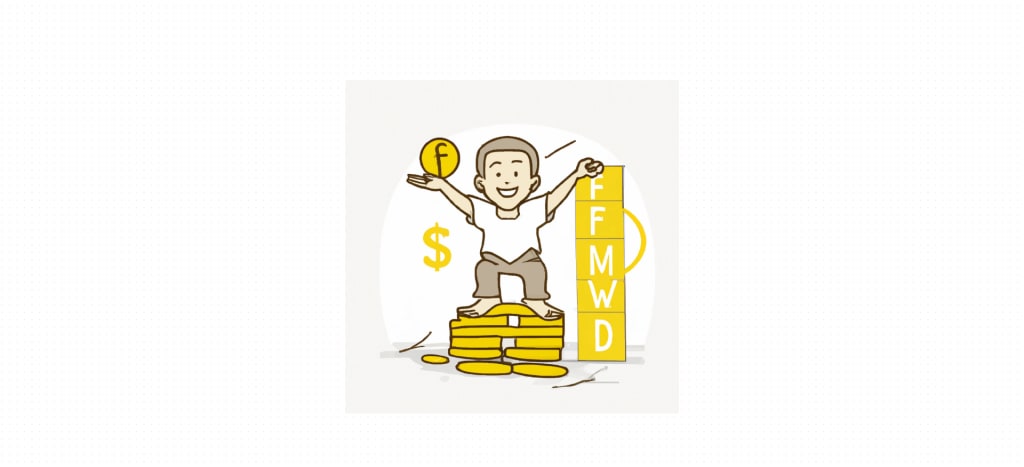
Personal finance is a vital aspect of managing your money and achieving financial stability and security. It involves making informed decisions about budgeting, debt management, savings, and investing. By understanding the basics of personal finance, you can create a solid financial plan that can help you achieve your financial goals, whether it's buying a home, saving for retirement, or paying off debt.
Create a Budget
The first step in managing your personal finances is to create a budget. A budget is a plan that helps you track your income and expenses to determine where your money is going each month. It's essential to have a budget to ensure that your spending is within your means, and you have money left over for savings and investments.
To create a budget, start by listing all of your sources of income, including your salary, freelance work, or rental income. Then, list all of your expenses, including rent/mortgage, utilities, groceries, transportation, and entertainment. You can use a spreadsheet, budgeting app, or pen and paper to create your budget.
Once you've listed all of your income and expenses, subtract your expenses from your income. If you have more expenses than income, you need to find ways to cut back on your spending or increase your income. If you have money left over after paying your expenses, you can allocate it towards your savings and investments.
Reduce Your Debt
If you have debt, it's important to make a plan to pay it off. Debt can be a significant source of stress and can limit your ability to save and invest. Start by paying off the debt with the highest interest rate first, such as credit card debt or personal loans. By paying off the debt with the highest interest rate, you'll save money on interest payments and reduce your overall debt faster.
You can also consider consolidating your debt into a single payment with a lower interest rate. This can help you pay off your debt faster and save money on interest payments. However, be careful not to accumulate more debt while consolidating your existing debt.
Reducing your debt will not only save you money on interest payments, but it will also improve your credit score. A good credit score can help you qualify for lower interest rates on loans and credit cards, saving you money in the long run.
Build an Emergency Fund
An emergency fund is a fund set aside to cover unexpected expenses such as a car repair or medical bill. It's important to have an emergency fund to avoid going into debt to cover unexpected expenses. Aim to save at least three to six months' worth of living expenses in your emergency fund. You can start by setting aside a small amount each month until you reach your savings goal.
Your emergency fund should be easily accessible and kept in a low-risk investment such as a savings account or money market fund. Avoid investing your emergency fund in high-risk investments such as stocks or bonds, as you may need to access the money quickly in case of an emergency.
Invest for the Future
Investing can help you grow your wealth over time. By investing your money wisely, you can increase your wealth and achieve your financial goals. Consider investing in stocks, bonds, or mutual funds. If you're new to investing, start with a low-risk option such as a diversified index fund. You can also consider investing in a tax-advantaged retirement account such as a 401(k) or IRA.
Investing in the stock market comes with risks, but it also offers the potential for high returns. Historically, the stock market has provided an average annual return of around 10%. However, keep in mind that past performance does not guarantee future results, and the stock market can be volatile.
In conclusion, managing your personal finances is an important aspect of achieving financial stability and security. By creating a budget, reducing your debt, building an emergency fund, investing for the future, and seeking professional advice, you can take control of your finances and work towards achieving your financial goals.
About the Creator
Enjoyed the story? Support the Creator.
Subscribe for free to receive all their stories in your feed.
Comments
There are no comments for this story
Be the first to respond and start the conversation.