

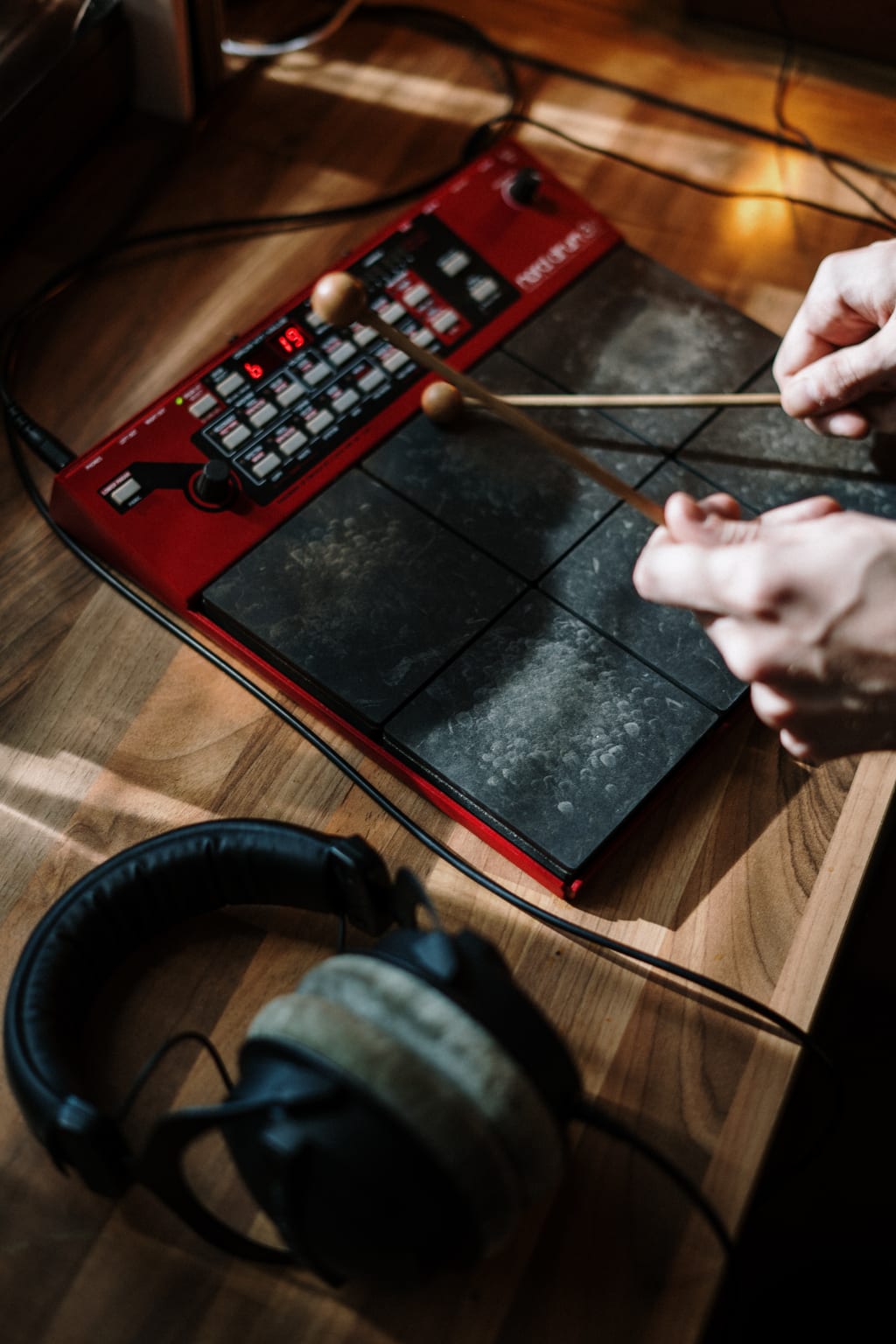
Music is a universal language that has the power to evoke emotions, tell stories, and connect people across cultures and time periods. It can be found in every corner of the world and is an integral part of many traditions and rituals. Music can take many forms, from simple melodies played on traditional instruments to complex symphonies created using the latest technology. It can be used for entertainment, celebration, and artistic expression, as well as for therapeutic purposes such as music therapy. Regardless of its form or purpose, music has the ability to touch individuals at a deep and personal level and to bring people together in a shared experience of sound and rhythm.
Music has been used as a form of therapy for centuries, with evidence dating back to ancient civilizations such as the Greeks, Egyptians, and Native Americans. Today, music therapy is an established field of healthcare that uses music to address physical, emotional, cognitive, and social needs of individuals across the lifespan.
Music has a unique ability to affect the human body and mind, and research has shown that it can have therapeutic effects on a wide range of conditions, including chronic pain, depression, anxiety, dementia, and neurological disorders.
One of the most significant ways that music can promote healing is through its ability to reduce stress and promote relaxation. Listening to soothing music has been shown to lower blood pressure, heart rate, and levels of stress hormones such as cortisol. In addition, music can stimulate the release of endorphins, the body's natural painkillers, which can help to reduce feelings of pain and discomfort.
Music can also have a powerful effect on mood and emotions. Listening to uplifting or calming music can help to alleviate symptoms of depression and anxiety, while music with a strong beat can promote feelings of energy and motivation. Music therapy can be particularly helpful for individuals who have difficulty expressing their emotions through words, as it provides a non-verbal means of communication and self-expression.
In addition to its emotional and physiological benefits, music can also have cognitive benefits. Research has shown that music can improve memory, attention, and cognitive function in individuals with neurological disorders such as Alzheimer's disease and Parkinson's disease. This is because music engages multiple areas of the brain simultaneously, promoting neuroplasticity and improving cognitive flexibility.
Music therapy can take many forms, including listening to recorded music, playing musical instruments, singing, and improvisation. Music therapists work with individuals to develop personalized treatment plans based on their specific needs and goals. For example, a music therapist might work with a patient recovering from a stroke to improve their fine motor skills through playing a musical instrument, or use music to help a child with autism improve their social skills and communication.
(CLICK HERE:THE BEST PRODUCT FOR LISTENING TO MUSIC)
It's worth noting that the healing power of music is not limited to formal music therapy settings. Many people find that listening to music on their own can be a form of self-care that promotes relaxation, emotional regulation, and overall well-being. In addition, music can play an important role in community-building and cultural identity, providing a means of connection and shared experience across diverse populations. The universality of music means that it has the power to transcend language, culture, and geography, and to touch individuals at a deep and meaningful level. Whether it's through a shared love of a particular genre of music or a collective experience of singing in a choir, music has the power to bring people together and promote healing on a broader societal level.
In conclusion, the healing power of music is well-established, and music therapy is an effective form of treatment for a wide range of physical, emotional, cognitive, and social needs. Whether it's through listening to calming music to reduce stress or participating in a group drumming session to promote social connection, music has the ability to promote healing and improve quality of life for individuals across the lifespan.
About the Creator
Hazal Yıldız
A content writer who loves to write and create new things.
Enjoyed the story? Support the Creator.
Subscribe for free to receive all their stories in your feed.
Comments
There are no comments for this story
Be the first to respond and start the conversation.