
6 Habits to Make In 2025 Your Best Year
The Ultimate Blueprint for Personal Growth in 2025

In this article, we are discussing six key productivity habits. If you incorporate any of these — and ideally multiple of these — into your life, it basically guarantees that your next year will be your best year ever.
My goal on this article is to share everything I’ve learned and everything I’m continuing to learn along this journey of personal growth and development. I hope you find some value from it and can work towards what I like to call the Five Fs:
- Fun
- Fulfillment
- Flexibility
- Freedom
- Finance
Habit 1: Ignoring The Concept of Annual Goals
Alrighty, so habit number one that I have gotten a lot of value from is ignoring the notion of annual goals. I always feel super excited when I set annual goals at the start of the year, but there is an alternative method for goal setting that I’ve been using on and off over the years — partly in my personal life and partly in my business life.
When I think back to the goals I’ve actually accomplished, the meaningful things I’ve done have always come through this second method of goal setting rather than through annual goals. This second method is what I refer to as Quarterly Quests.
What are Quarterly Quests?
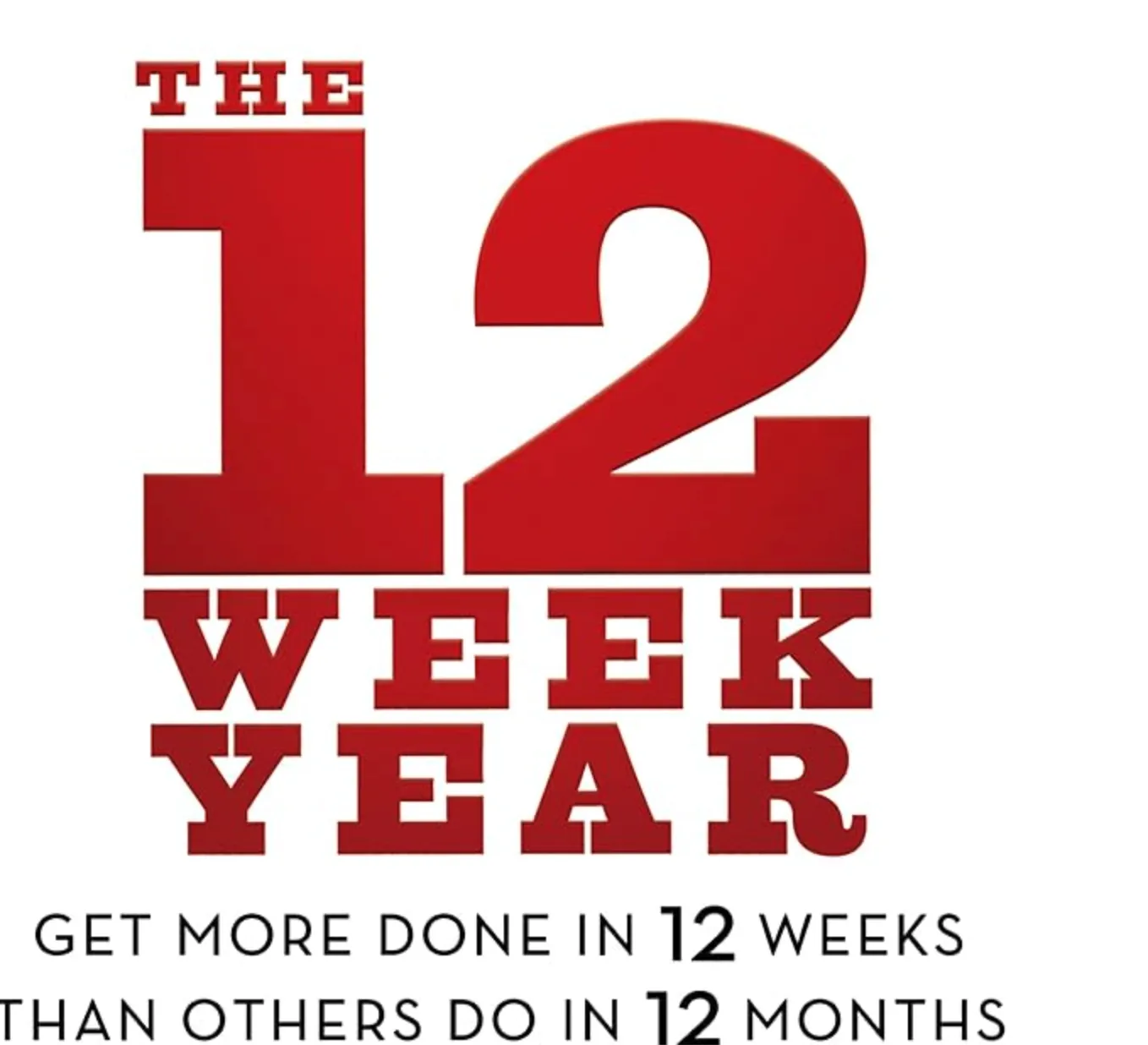
Instead of setting goals for the year, focus on setting goals for the next quarter — the next 90 days. This concept is discussed in the book The 12 Week Year and also appears in business books like Get Scalable by Ryan Deiss and Traction by Gino Wickman. Many goal-setting methodologies emphasize this 90-day cycle.
Disclaimer: This post has affiliate links at no cost to you. I may earn a small commission if you use the services I recommend in this pot.
Why Quarterly Quests Work
The benefit of setting goals for 90 days (3 months or 12 weeks) is that you can visualize this period easily. You can write down your plan for the next 12 weeks on a single sheet of paper. In contrast, annual goals can feel overwhelming. For example, if I set an annual goal in January, by February or March, either:
- I’ve made progress and gathered new information, which means the goal might need adjusting, or
- I haven’t made progress and tell myself, “It’s fine, I have the whole year left.”
Then, 6–8 months go by, and no progress is made.

How to Implement Quarterly Quests
At the start of each quarter — or whenever you decide to incorporate this habit — focus on identifying 3–4 big things you want to accomplish in the next 90 days. This is what I call Quarterly Quests.
Categories: Separate your Quarterly Quests into two categories:
- Work
- Life
If you have a project that takes longer than 90 days, break it into 90-day milestones.
When I was building my first security defense system, I set a series of smaller, phased goals for myself. I knew that completing the entire project could take two or three years — or even longer. But having a goal that far away can make it easy to lose passion and motivation. So I broke the big goal into smaller milestones, each spanning about 90 days. I divided my security defense system into 8 phases, with each phase focused on achieving one smaller goal. Once I completed all 8 phases, the big goal would be accomplished.
For example, my first milestone was to make my system capable of detecting SQL injection attacks. The second was to detect cross-site scripting (XSS) attacks, and the third was to detect command injection attacks. Each time I completed one of these smaller goals, my system was already usable, just with limited functionality. As I kept achieving these milestones, my system became more complete and powerful, eventually evolving into a fully functional security defense system.
Final Thoughts
If you want to make this year the best year of your life — doing meaningful things and enjoying the journey — I highly recommend thinking in 90-day chunks rather than annual chunks.
However, there’s a potential pitfall: even if you set these Quarterly Quests, they can end up like New Year’s resolutions — you forget about them. That’s where Habit 2 comes in.
Habit 2: The Weekly Review
This habit is an absolute classic in the world of productivity. Almost every productivity enthusiast swears by it. It was popularized in 2001 by productivity guru David Allen in his seminal work Getting Things Done: The Art of Stress-Free Productivity. This habit is the Weekly Review — or what I like to call the Weekly Reset.
What is the Weekly Review?
The idea is simple: once a week, spend around 20 minutes reviewing how your previous week went and setting priorities for the week ahead. This doesn’t have to be an elaborate, hours-long process. Just 10–20 minutes of reflection can do wonders for your productivity.

How to Do a Weekly Review
1. Review the Past Week:
- Look at your calendar and reflect on what you accomplished.
- Celebrate your wins and give yourself a pat on the back for the things you did well.
2. Check Your Quarterly Quests:
- Ask yourself: What were my Quarterly Quests, and how are they going?
- This helps you stay on track and not lose sight of your bigger goals.
3. Set Priorities for the Week Ahead:
- Define your top 3 priorities for the upcoming week based on your Quarterly Quests and any new tasks that have come up.
Why the Weekly Review is Important
Sometimes, life gets in the way, and I skip my Weekly Reset for a week or two. When this happens, by week three, I often forget the goals I set for myself. I then refer back to my “Goalkeeper” document, where I keep track of my Quarterly Quests. This checkpoint helps me realign and get back on track.
Make It a Habit
If you haven’t incorporated the Weekly Review into your life yet, I can guarantee that doing so will be a game-changer for your productivity. It helps you make meaningful progress toward the things that matter most.
Habit 3: The Morning Manifesto
Habit 3 is another staple in the world of productivity. If you’re not doing it already, that’s okay — this article is here to help! This habit is incredibly easy to incorporate into your routine, usually taking no more than 1–2 minutes. I call it the Morning Manifesto.
What is the Morning Manifesto?
The Morning Manifesto is a 2-minute journaling prompt you complete first thing in the morning before starting your work. It consists of a few basic questions:
- What are my top three priorities for the week?
- How are they going?

Why It Works
Just like in the Weekly Reset, where you review your Quarterly Quests, the Morning Manifesto helps you stay focused on your weekly goals. Each day, you get a checkpoint to remind yourself of what you decided to work on. If you skipped your Weekly Reset, the Morning Manifesto serves as a fallback to get you back on track.
The Importance of Goal Selection
One of the biggest productivity mistakes is focusing only on efficiency — doing things faster or more effectively. But what really matters is goal selection: choosing the right things to work on. You might be efficient at your day job, but if your goal is to build a side business or achieve financial freedom, being efficient in your current job won’t get you closer to that dream.
When I had a day job, I was efficient and productive as a programmer, but without setting a goal to build my business or write on Medium, that dream would have remained a pipe dream.
The Morning Manifesto in Practice
- Set your intention for the day.
- Ask yourself: What is today’s adventure going to be?
- This phrase makes the task feel more playful and less serious. By framing it as an adventure, it ties into the idea of Feelgood Productivity — treating your work as a quest or journey rather than a chore.
Simple and Effective
I recommend keeping the Morning Manifesto short and simple. The longer and more complicated it is, the less likely you are to do it. For me, the bare minimum is:
- What are my weekly priorities?
- What is the most important thing I want to accomplish today?
Why It Matters
If you set an intention every morning and follow through, you will see incredible changes in your life. Even if you don’t accomplish your daily goal every time, the act of setting that intention consistently will lead to progress. Over 365 days, you’ll become unrecognizable compared to where you started.
The Morning Manifesto helps you avoid living an unintentional, unexamined life. Instead of mindlessly following your calendar or social media algorithms, you actively decide what matters most and take steps toward it.
Habit 4: Focus Logs
Habit number four is Focus Logs, and I want to share a story about a time I struggled with focus. About two years ago, when I was working on a sales website, there was a lot going on in my business. I knew that the most important thing I needed to work on — my Quarterly Quest — was optimizing that sales website. It was an important but not urgent project that I really needed to move forward.
I was talking to my CEO coach and said, “I’m just not finding the time or making the time to optimize this website.” He asked me if I had blocked out time on my calendar every single day to work on it. Initially, the answer was no. So, I decided to block out that time.
However, even when I had time scheduled and set my intention each morning to start the project, I still found myself procrastinating. I’d stare at the existing website and think, decide to make a cup of tea, then a coffee, then take a bathroom break (because coffee, you know…). I’d check the fridge, reply to WhatsApp messages, chat with team members, go for a walk — and before I knew it, hours had passed with no progress.
The Turning Point
My coach suggested a simple solution: track the number of minutes I spent in focused work on building the website each day. I created a Google Sheet and logged my focused time daily. Just the act of writing that number down each day gave me a profound insight into how unproductive I was being. This awareness alone motivated me to increase my focused time. As a result, I managed to complete my first sales website, made some tweaks, it turned out pretty well — it sold well too!
Why Focus Logs Work
This habit of tracking focused time became what I now call the Focus Log. It has been a transformational practice and is a key habit I teach to all my students in my Productivity Lab and Life Operating System course.
Everyone struggles to focus, and when people ask me for focus tips, this is the number one hack I recommend: create a Focus Log.
How to Create a Focus Log
- You can use manual time tracking, automatic time tracking, a Google Sheet, or even pen and paper.
- The tool doesn’t matter — the key is to give yourself visibility on how many minutes you are focusing on the things that are most important to you.
By logging your focused time, you’ll become more conscious of your productivity, and this simple habit can profoundly improve your ability to do the work that matters most.
Habit 5: Standing Order Social Events
Habit number five focuses on the social side of life rather than work. This habit is about creating Standing Order Social Events — a simple yet powerful strategy to maintain and nurture relationships.
What are Standing Order Social Events?
A Standing Order Social Event is a recurring event that happens on a set schedule — weekly or bi-weekly — at the same time and place without fail. For example:
- Weekly Sunday Brunch
- Tuesday Board Game Night
- Thursday Dinner Gathering
The key is to invite people and let whoever can make it show up. If someone can’t make it, no problem — the event still happens.

Why It’s Important
Through my research on loneliness, especially in middle age, I’ve found that life becomes significantly less social after university. The endless back-and-forth of trying to coordinate schedules with multiple people becomes exhausting. Standing Order Social Events solve this issue by removing the need for constant planning.
My Personal Experience
When I lived in London, I had this habit down to a tee. Every week, I had a regular social event that kept me connected with friends. Now that I’ve moved to Hong Kong, I haven’t set this up yet, but it’s high on my priority list.
In my personal life, I have two Standing Order Social Events:
1. Two Date Nights a Week with my wife.
- These are set in the calendar with invites.
- If something comes up, we reschedule rather than cancel.
- This ensures we always have quality time together, strengthening our relationship.
2. A weekly family meeting with my kids
- Strengthening Emotional Bonds: It’s a great way to connect with the kids by sharing fun stories and challenges they’ve experienced at school or in daily life.
- Building Understanding: It also gives the kids a chance to learn about the worries and struggles that adults face, fostering empathy and mutual understanding.
I also plan to incorporate a weekly or bi-weekly dinner gathering where friends come over to socialize.
Common Examples of Social Rituals
If you already have regular social rituals, like:
- Going to church on Sundays
- Attending the mosque on Fridays and grabbing fried chicken with friends afterward
These recurring events naturally support relationship satisfaction and social health.
The Takeaway
Standing Order Social Events are an excellent way to:
- Stay in touch with friends.
- Make new friends.
- Maintain meaningful relationships without the headache of endless scheduling.
Incorporate this habit, and you’ll find your social connections stronger and your life more fulfilling.
Habit 6: Multimodality Multitasking
Finally, habit number six to help make this the best year ever is what I like to call Multimodality Multitasking. It’s a bit of a mouthful, and I’m sure there’s a sexier way to describe it, but the concept is simple.
The Challenge of Limited Time
One common question I get during talks is from people with demanding jobs — whether it’s a 9-to-5 or a 9-to-9 — and they want to build a business or pursue a side hustle. The reality is, with a full-time job, commuting, eating, life maintenance, family, and kids, there are very few hours left in the week to work on your dream.
You may feel stuck in the grind of your day job, wondering if you can find some “magical time” to be more productive and efficient. After all, time is the key currency you need to pursue your goals.
The Concept of Multimodality Multitasking
Multimodality Multitasking is about doing two things at once, but with different modalities. The key distinction is that you don’t try to focus on two cognitive tasks at the same time. For example, you can’t work on a project while answering emails because they require the same mental focus.
Instead, multimodality multitasking would be:
- Listening to an audiobook while doing the laundry.
- Listening to a podcast during your commute.
This way, you can acquire knowledge or work on your dream without compromising focus.
Examples from My Life
When I was building my business, this habit was crucial. I listened to business books and podcasts while doing other activities, like walking or driving. However, avoid doing this during family time or when you need to be present.
Tools You Can Use
You can use software that converts speech to text. Once you have the transcript, you can refine it using tools like ChatGPT, Notion, Google Docs, or even Microsoft Word.
Why This Works
Most of us need to do some form of writing, whether for emails, content, or planning. Using the power of your voice while doing other tasks helps you maximize dead time. This approach is not about promoting toxic productivity but about creating time for your dreams when you feel time-poor.
A Word of Caution
Don’t try this during quality time with your family or while doing focused work. The point is to use downtime, like commuting, chores, or grocery shopping, to make progress on your goals.
About the Creator
vencoding
Programmer with a master's degree, help you level up your coding skills. Also passionate about side hustles and exploring new ways to grow.
Enjoyed the story? Support the Creator.
Subscribe for free to receive all their stories in your feed.
Comments
There are no comments for this story
Be the first to respond and start the conversation.