
Unlongevity Is Challenging the Modern Obsession With Living Longer
New thinking from Ramona Römer and Andreas Heigl encourages people to pursue healthier, more meaningful lives instead of endless optimization

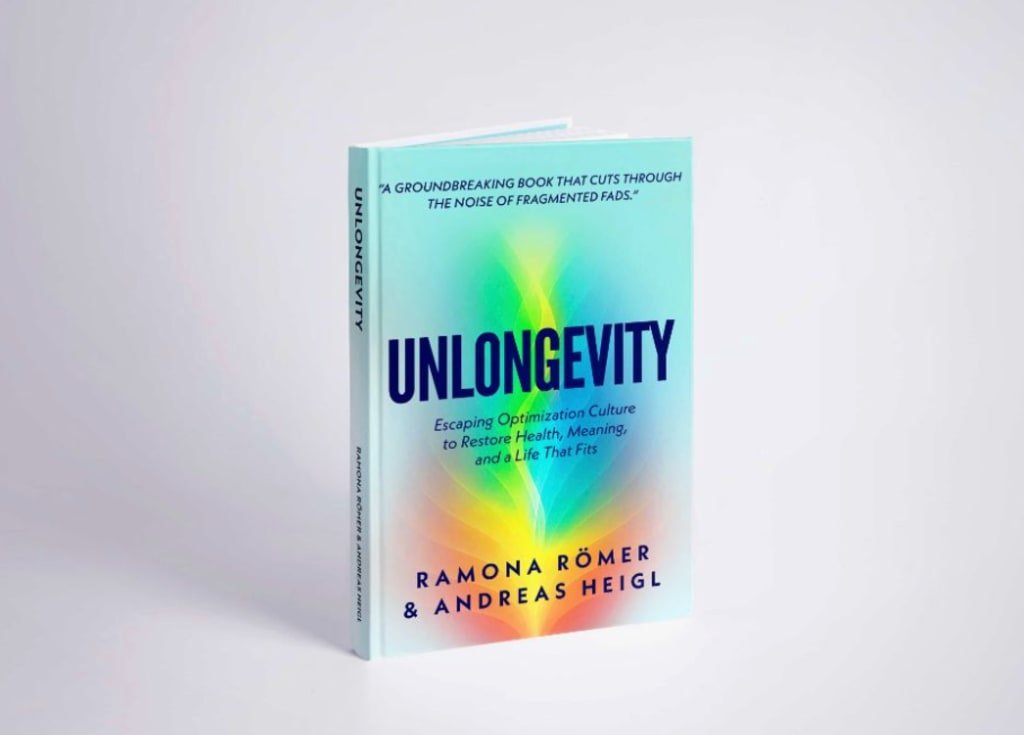
For years, the conversation around longevity has centered on one question: How can we live longer? From expensive supplements and biometric tracking to strict routines and anti-aging technologies, the pursuit of extending life has become a booming global industry. Yet amid the growing fascination with maximizing lifespan, a different philosophy is beginning to emerge.
Known as Unlongevity, the concept asks people to rethink what it means to live well. Instead of focusing exclusively on adding years to life, it encourages adding purpose, balance, and fulfillment to the years we already have.
The movement is explored in the new book Unlongevity: Escaping Optimization Culture to Restore Health, Meaning, and a Life That Fits by Ramona Römer and Andreas Heigl. Drawing on years of work with individuals seeking healthier lifestyles, the authors argue that modern wellness culture has drifted away from its original goal. Rather than helping people feel better, many wellness trends have become another source of pressure, encouraging endless self-measurement and the belief that every aspect of life should be optimized.
Today, people are surrounded by advice telling them exactly how to eat, sleep, exercise, meditate, and work. Wearable devices track every heartbeat, countless apps score sleep quality, and social media delivers an endless stream of routines promising better health. While many of these tools can be valuable, they can also create anxiety when every decision feels like a test of personal performance.
Unlongevity offers a different perspective.
Instead of asking whether every habit will extend life by another month or year, the philosophy asks whether those habits actually contribute to a life that feels satisfying and sustainable. It recognizes that health is not only physical but also emotional, social, and psychological.
This approach does not reject science or healthy living. Rather, it challenges the idea that perfection should be the goal. The healthiest life, Römer and Heigl suggest, is often one that leaves room for spontaneity, relationships, creativity, and joy instead of rigid adherence to countless wellness rules.
That message resonates at a time when burnout has become increasingly common. Many people feel exhausted not simply because they work too much, but because they also feel obligated to optimize every hour outside of work. Exercise becomes another task to complete. Meals become calculations instead of experiences. Even rest can begin to feel like another performance metric.
The authors argue that genuine well-being comes from understanding personal needs rather than chasing universal formulas. Every individual has different priorities, responsibilities, personalities, and definitions of success. A routine that improves one person's quality of life may leave someone else feeling overwhelmed or disconnected.
The Unlongevity philosophy encourages people to step back and ask broader questions. What creates meaning? Which habits genuinely improve daily life? What relationships deserve more attention? What expectations can be released?
These questions shift the focus away from fear of aging and toward appreciation for the present.
Another distinguishing feature of the movement is its emphasis on sustainability. Many health plans fail because they demand perfection. Restrictive diets, punishing exercise schedules, and highly structured routines often become difficult to maintain over time. Unlongevity instead advocates for practices that can realistically become part of everyday life, allowing people to build healthier habits without sacrificing happiness or flexibility.
The philosophy also highlights the importance of community. Strong social connections have long been associated with better physical and emotional health, yet they are often overlooked in conversations dominated by nutrition plans and fitness regimens. Spending time with family, maintaining friendships, contributing to a community, and finding purpose through meaningful work can all play significant roles in overall well-being.
This broader definition of health represents an important shift in how success is measured. Rather than viewing aging as something to defeat, Unlongevity encourages embracing each stage of life with curiosity and intention. It suggests that fulfillment cannot be captured by a smartwatch score or a productivity app, but through experiences that create lasting meaning.
As public interest in wellness continues to grow, conversations like these are becoming increasingly relevant. Consumers are looking beyond quick fixes and searching for approaches that acknowledge the complexity of real life. They want health strategies that fit into demanding schedules instead of dominating them.
That is where Unlongevity distinguishes itself. It does not promise immortality or revolutionary shortcuts. Instead, it offers something many people may find even more valuable: permission to step off the treadmill of constant self-optimization and define health on their own terms.
In a culture that often equates success with doing more, measuring more, and living longer, Unlongevity presents a refreshing alternative. It reminds readers that the ultimate goal is not simply to extend life, but to create one that is rich with purpose, connection, resilience, and genuine well-being. Rather than asking how many years we can add to our lives, it invites us to ask a more meaningful question: how can we make the years we already have truly count?
About the Creator
Enjoyed the story? Support the Creator.
Subscribe for free to receive all their stories in your feed.
Comments
There are no comments for this story
Be the first to respond and start the conversation.