
Toxic and Questionable Cosmetic Ingredients You May Want to Avoid
The front label is designed to sell the product. The ingredient list tells the real story.


If you’ve ever experienced a rash after trying a new serum, itchy eyes from a mascara, or unexpected dryness after switching moisturizers, you’re not alone. Cosmetic products can trigger almost immediate reactions ranging from mild irritation to allergic responses, depending on the formulation and your individual sensitivities.
What makes it more complicated is that not all adverse effects are instantly visible, so you may not realize something is wrong right away. Multiple cosmetic ingredients have raised concerns because of their potential association with endocrine disruption, reproductive toxicity, and carcinogenicity—serious health issues whose development typically goes unnoticed.
Of course, most modern cosmetic ingredients are safe rather than risky, and even the presence of a controversial ingredient doesn’t automatically mean a product is unsafe, since the final risk depends on concentration, formulation characteristics, routes of exposure, and individual susceptibility.
However, think about your daily routine. Most people use a combination of skincare, haircare, body care, fragrance, and makeup products every day. Together, these products may expose us to dozens or even hundreds of chemical substances. Staying on the safe side and avoiding unnecessary risks is always the smartest preventive approach.
Understanding what you’re putting on your skin can help you make more informed decisions with implications not only for your appearance but also for your overall health and well-being.
Below are some of the most controversial and frequently discussed ingredients found in modern cosmetics and personal care products that you should know about.
Preservatives and Antimicrobial Ingredients
Parabens
Parabens are used to prevent microbial growth and extend a product’s shelf life and are frequently found in moisturizers, cleansers, shampoos, conditioners, makeup, and body care products.
Common forms include methylparaben, propylparaben, ethylparaben, and butylparaben. Research has linked these chemicals to endocrine-disrupting effects because they can exhibit estrogen-like activity. They tend to accumulate in the body and may negatively affect the reproductive system.
Formaldehyde and Formaldehyde-Releasing Preservatives
Examples include Diazolidinyl Urea, Imidazolidinyl Urea, DMDM Hydantoin, Quaternium-15, Methenamine, Polyoxymethylene Urea, and Sodium Hydroxymethylglycinate. These chemicals are used to preserve products against bacteria and fungi and can be found in hair products, nail products, cleansers, and some skincare formulations.
Formaldehyde is classified as carcinogenic to humans by the IARC and as reasonably anticipated to be a human carcinogen by the U.S. National Toxicology Program. Studies show that formaldehyde-releasing agents can release formaldehyde at levels up to one-tenth of the original ingredient concentration. Formaldehyde has also been shown to trigger allergic contact dermatitis.
BHT
BHT (butylated hydroxytoluene) is a widely used synthetic antioxidant and preservative found in various categories of cosmetic and skincare products.
Certain studies have shown that, at high concentrations, BHT can be toxic to the liver and kidneys and may cause skin and eye irritation.
BHA
BHA (butylated hydroxyanisole) is frequently used as an antioxidant and shelf-life extender and can be found in various cosmetics, including lipsticks, eyeshadows, moisturizers, and more.
Several studies have shown that BHA can cause skin irritation and endocrine disruption. The IARC classifies it as possibly carcinogenic to humans due to the increased incidence of tumors observed in animal studies.
Isothiazolinones
Isothiazolinones, such as methylisothiazolinone (MI) and methylchloroisothiazolinone (MCI), can be used in shampoos, conditioners, and body washes.
Numerous studies have associated these preservatives with allergic reactions and skin sensitization. Laboratory studies have also suggested that methylisothiazolinone may have neurotoxic potential.
Benzalkonium Chloride
Benzalkonium chloride can be added to cleansers, wipes, and antimicrobial formulations for preservation and antimicrobial action. It’s a known sensitizer associated with skin, eye, and respiratory irritation.

Fragrance Chemicals and Allergens
Fragrance (Parfum)
The word “fragrance” or “parfum” on a product label represents an undisclosed mixture of various scent chemicals and ingredients used as fragrance carriers. Fragrance mixtures have been associated with allergies, dermatitis, respiratory distress, and potential adverse effects on the reproductive system.
Used to add a pleasant scent, fragrance ingredients can be found in virtually all categories of cosmetic and personal care products.
There is, however, a list of 26 fragrance allergens that have a well-established record of triggering allergic reactions and skin irritation. In the EU, the presence of each of these ingredients must be indicated on the label if the concentration exceeds 0.001% in leave-on products and 0.01% in rinse-off products, meaning they cannot be covered under the umbrella term “fragrance.”
Among the most commonly recognized fragrance allergens are: Amyl Cinnamal, Benzyl Alcohol, Cinnamyl Alcohol, Citral, Eugenol, Hydroxycitronellal, Isoeugenol, Amylcinnamyl Alcohol, Benzyl Salicylate, Cinnamal, Coumarin, Geraniol, Lyral, Anisyl Alcohol, Benzyl Cinnamate, Farnesol, Lilial, Linalool, Benzyl Benzoate, Citronellol, Hexyl Cinnamal, Limonene, Methyl 2-Octynoate, Oakmoss Extract, and Treemoss Extract.
Phthalates
Phthalates, specifically diethyl phthalate (DEP) and dibutyl phthalate (DBP), can be used in fragrances to make scents last longer and in nail polishes as plasticizers to prevent cracking.
Diethyl phthalate (DEP) has been shown in some studies to act as an endocrine disruptor by affecting androgen activity.
Although no longer widely used and restricted by many regulatory bodies, dibutyl phthalate (DBP) can still be found in some nail products. It’s classified as a reproductive and developmental toxicant, associated with endocrine disruption and reproductive dysfunction.
Musk Ketone
Musk Ketone is used to enhance fragrance in perfumes and scented personal care products.
Musk Ketone has been detected in human adipose tissue and breast milk. Although direct genotoxic effects have not been conclusively demonstrated, these findings warrant further long-term toxicity studies. Research also suggests that exposure to Musk Ketone may increase susceptibility to health hazards caused by carcinogens.
Texture Enhancers, Solvents, and Penetration Agents
Alcohol Denat., Ethanol, SD Alcohol
These alcohols are commonly used in sunscreens, toners, serums, hair products, and makeup products for fast drying, improved absorption, and a lighter texture.
They have been shown to disrupt the skin barrier and may provoke dryness, redness, itching, and hypersensitivity.
Propylene Glycol
Propylene Glycol is used in moisturizers, serums, cleansers, and makeup products as a humectant and solvent.
This ingredient can cause irritant and allergic contact dermatitis, as well as contact urticaria, even at relatively low concentrations.
Cocamide DEA
Cocamide DEA (cocamide diethanolamine) can be found in shampoos, cleansers, and body washes as a foam booster and thickening agent.
Studies have demonstrated irritation potential for the skin and eyes, and the IARC classifies Cocamide DEA as possibly carcinogenic to humans.
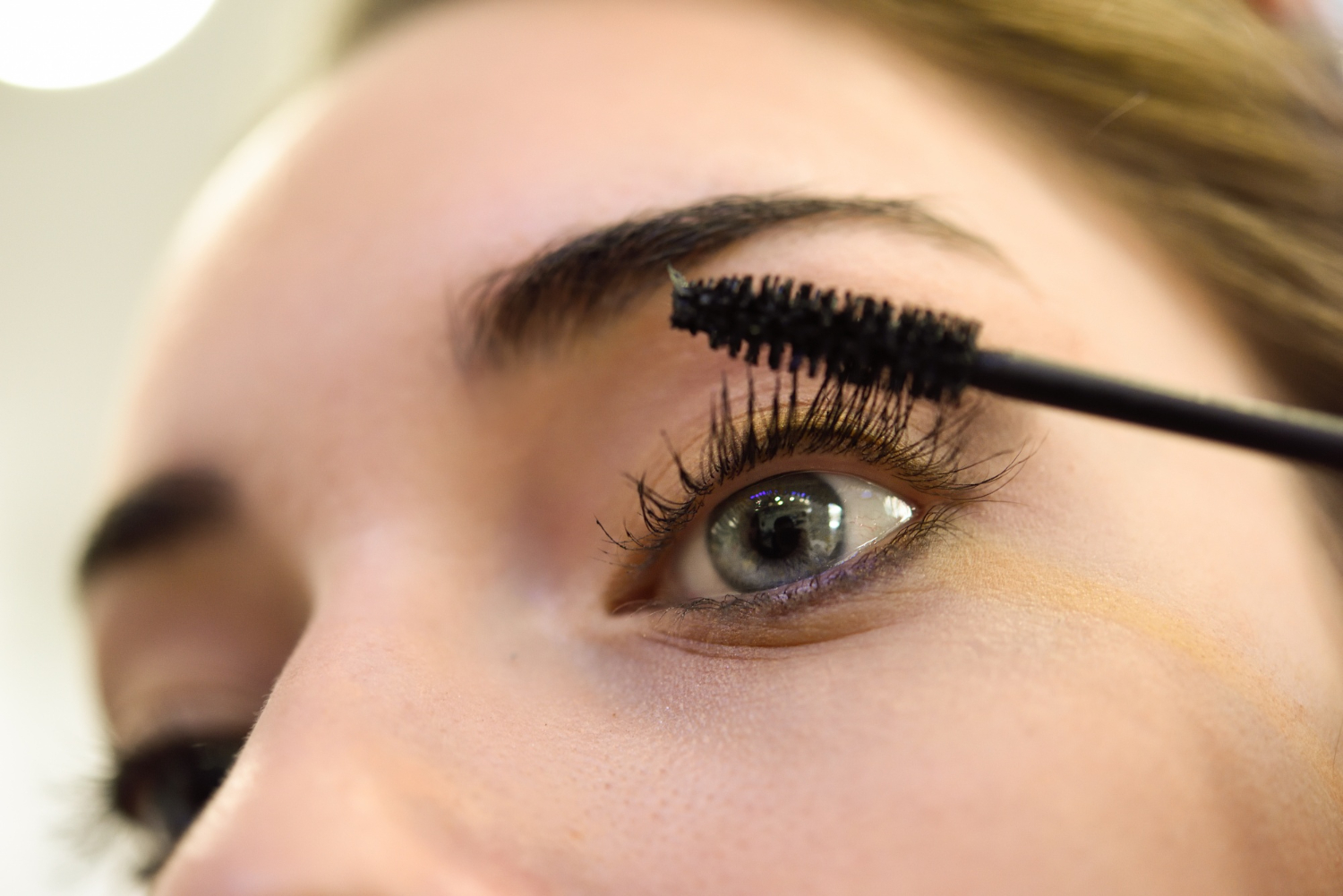
Ingredients Commonly Found in Makeup
Talc
Talc is frequently used in face powders, blushes, bronzers, eyeshadows, and foundations to improve texture, absorbency, and spreadability.
The primary concern surrounding talc is potential contamination with asbestos fibers, which may pose risks of respiratory toxicity and cancer. Studies by the U.S. National Toxicology Program have also suggested that cosmetic-grade asbestos-free talc may present toxicological concerns.
Carbon Black
Carbon black is widely used as a black pigment in eyeliners, mascaras, brow products, and other color cosmetics.
Carbon black may contain polycyclic aromatic hydrocarbons (PAHs), which are carcinogenic organic pollutants capable of damaging DNA and contributing to tumor formation in the lungs, bladder, and skin. The IARC classifies carbon black as a carcinogen.
Coal Tar Dyes
Coal tar-derived dyes can be used in certain color cosmetics for pigmentation. Coal tar has been associated with reproductive toxicity and is classified by the IARC as carcinogenic to humans.
PFAS
PFAS (per- and polyfluoroalkyl substances) may be present in long-wear foundations, waterproof makeup, mascaras, lip products, and primers to improve durability, spreadability, and water resistance.
PFAS are often referred to as “forever chemicals” because they degrade very slowly in the human body, other living organisms, and the environment. As a result, they can accumulate over time, with some persisting for years and raising long-term health and ecological concerns.
From a human health perspective, even low-dose but regular use of products containing PFAS may lead to significant cumulative exposure and various health risks, including an increased risk of certain cancers.
Hair Dye and Hair Care Ingredients
p-Phenylenediamine (PPD)
p-Phenylenediamine is primarily used as a chemical intermediate in permanent oxidative hair dyes.
Various forms of p-phenylenediamine have been linked to skin and eye irritation and allergic reactions. The use of this group of ingredients in cosmetics is strictly regulated and requires compliance with specific concentration limits and usage conditions.
Resorcinol
Resorcinol is used as an oxidative agent in permanent hair dyes. Research has associated resorcinol with endocrine disruption, immune toxicity, allergic reactions, and skin irritation.
Selenium Sulfide
Selenium sulfide can be found in shampoos and lotions designed to manage scalp conditions such as dandruff and seborrheic dermatitis.
Selenium sulfide may cause irritation and allergic reactions in some individuals. Animal studies have also raised concerns regarding carcinogenicity.
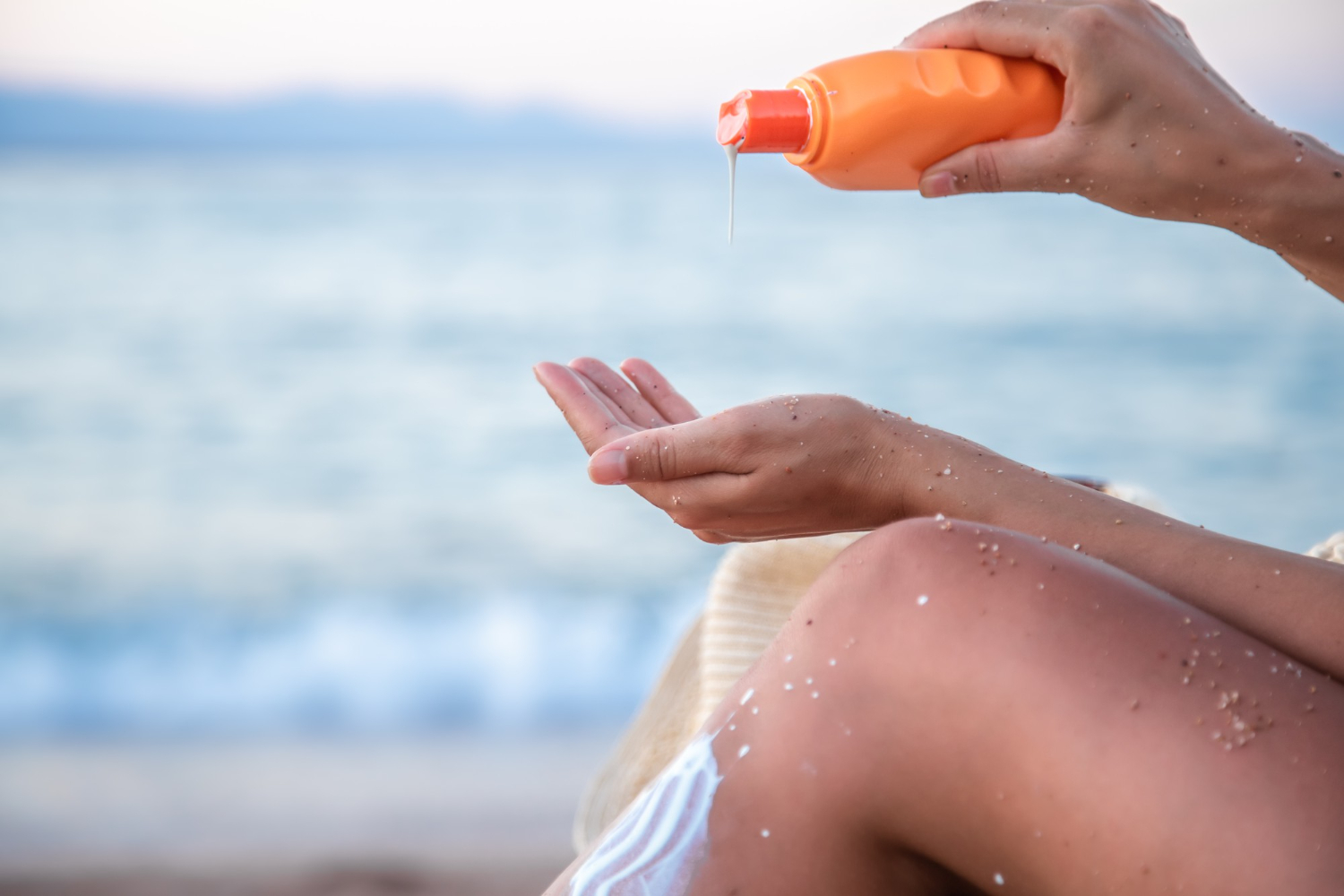
UV Filters Found in Sunscreens
UV filters are used as functional ingredients not only in sunscreens, but also in SPF-containing complexion products, moisturizers, and lip balms to protect skin from sunburn and photodamage. Several chemical (organic) UV filters, however, have been associated with adverse effects on human health and marine ecosystems.
Oxybenzone
While further research is needed to draw definitive conclusions, several studies have linked oxybenzone to potential adverse effects on the endocrine system. Studies have also shown that it can cause allergic reactions and skin and eye irritation, while also being harmful to coral reefs and marine life.
Homosalate
Homosalate has been associated with endocrine-disrupting effects, and some studies suggest it may mimic estrogen activity. It’s also considered harmful to marine ecosystems and coral reefs.
Octinoxate
Octinoxate is considered a potential endocrine disruptor. It has also been shown to negatively affect aquatic ecosystems and coral reefs.
Petroleum-Derived Ingredients
Mineral Oil
Mineral oils are widely used in face and body moisturizers, ointments, and lip products for occlusive moisturization and preventing water loss.
Highly refined mineral oils are generally considered safe. Concerns primarily relate to potential contamination with PAHs (polycyclic aromatic hydrocarbons), which may be present in poorly refined mineral oil. Exposure to PAHs has been linked to cancer development, leading to these chemicals being classified as a reasonably anticipated or possible carcinogen by several regulatory bodies.
Petrolatum
As with mineral oil, petrolatum safety concerns center on potential contamination with genotoxic and carcinogenic PAHs when the ingredient is insufficiently refined.
With so many technical names to remember, reading cosmetic ingredient lists can feel overwhelming, especially when they’re long and provided in small print. The good news is that ingredient databases and independent toxicology resources that explain ingredients in simple terms are available today. You can also use science-backed cosmetic scanner apps like OnSkin for a quick ingredient list analysis on your phone. These tech tools provide a full ingredient profile breakdown and indicate potential health concerns via a product photo or barcode scan. Beyond checking for common hazards, you can also set custom alerts to stay on track of ingredients to which you are personally intolerant each time you shop for a new cosmetic product.
Ultimately, cosmetic products should support both appearance and well-being. Taking a closer look at the ingredients in the products you use every day can help you align your beauty choices with your personal health priorities and sensitivities.
About the Creator
Ana Chur
Holistic health advocate and wellness writer
Enjoyed the story? Support the Creator.
Subscribe for free to receive all their stories in your feed.
Comments
There are no comments for this story
Be the first to respond and start the conversation.