
The Rise of “Chill Culture”: How People Are Redefining Relaxation at Home
Comfort, Ritual, and Modern Unwinding

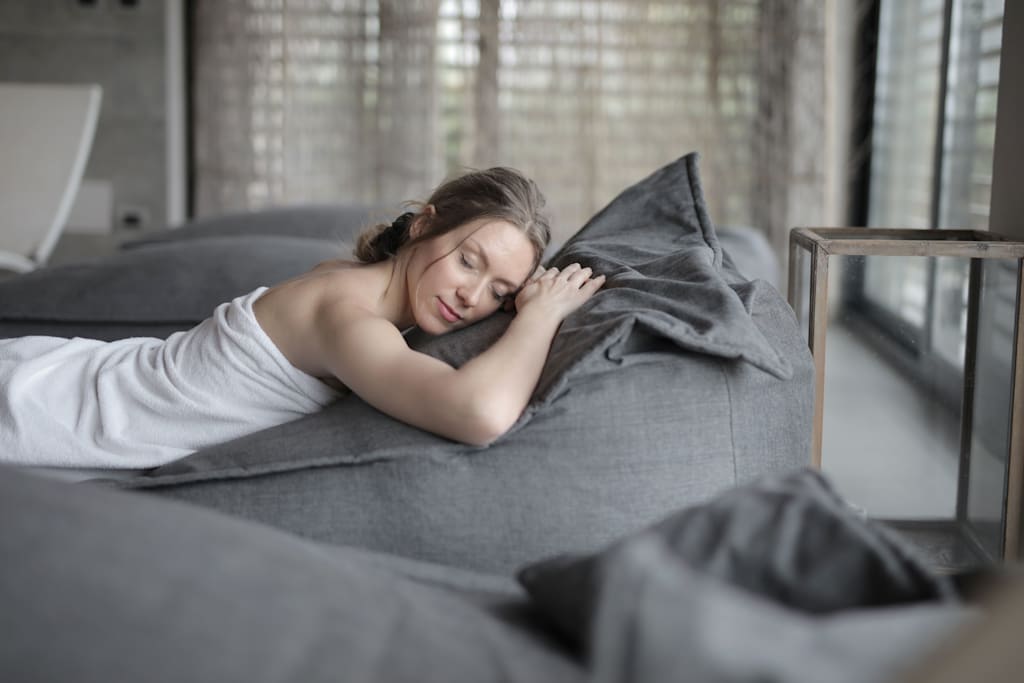
Relaxing used to feel like an event.
Get dressed. Go out. Spend money. Shout over music. Pretend the crowded room was somehow “unwinding.”
Fun sometimes? Sure.
But lately, staying home sounds better.
People are building their own kind of calm now. A dim lamp. A soft playlist. Something good to drink. Maybe a movie, a game, a book, or a favorite evening ritual with a weed pipe once the day finally shuts up.
That’s where “chill culture” comes in.
It’s simple, really. More people want comfort that feels real. Not performative. Not expensive. Just a space to chill.
Why Staying in Feels Better Than Going Out
Going out still has its place.
A good concert? A weird little dive bar? Dinner with people who don’t make you check your phone every five minutes? Great. Keep that.
But every night doesn’t need to be a production.
Sometimes the better move is sweatpants, low lights, and no major plans. No tab to mentally calculate. No awkward small talk with someone yelling directly into your ear.
Home gives people control. The music. The mood. The snacks. The company.
Or the lack of company.
That’s the pull.
Home doesn’t ask much. No dress code. No parking. No pretending you’re having the time of your life while someone screams a story three inches from your face.
Sometimes staying in just means, “I’m done giving the world extra pieces of me tonight.”
What Exactly Is “Chill Culture”?
Chill culture is people finally taking their downtime seriously.
Not in a dramatic way. No grand reset. No perfect little wellness routine with matching jars and a $90 candle.
Just small stuff.
A blanket on the couch. A dog snoring nearby. A game that eats two hours before you notice. A notebook. A sketchpad. An album you’ve heard so many times it feels like furniture.
Is that boring? Maybe.
But boring can feel incredible when everything else is loud.
Some meditate. Some cook. Some settle into an evening with a relaxing ritual.
The details vary.
The feeling doesn’t.
Chill culture is that little pocket where your brain stops clenching its fist.
For once, you are not answering emails. Not checking the time. Not bracing for the next notification to buzz against the table like an angry insect.
You are just there.
Which sounds simple until you realize how rare that feels.
The Psychology of Creating Relaxation Rituals
The human brain likes patterns.
That’s good news.
When you repeat the same calming habits night after night, your mind starts to recognize the signal. The laptop closes. The light gets softer. The same playlist starts. Almost immediately, your body gets the message: work is over.
Small rituals give the day a softer landing.
That’s really it.
Tea in the same chipped mug. A candle that smells like cedar, vanilla, or whatever makes the room feel less like a holding cell. The old blanket dragged from the chair again.
Tiny stuff.
Still, your brain notices.
Those little cues say, “You can stop now.”
And sometimes that transition is the hardest part.
Relaxation rarely happens by accident. Most people need a bridge between the stress of the day and the quieter part of the evening. Rituals help build that bridge.
Building the Perfect Chill Space at Home

There is no universal formula for a relaxing space.
That’s part of the fun.
Some people want a clean, minimalist room with soft lighting and a single plant in the corner. Others prefer a cozy net of blankets, books, snacks, and a dog taking up more than half the couch.
Both approaches work.
A few elements tend to show up again and again:
- Warm lighting
- Comfortable seating
- Music that matches the mood
- Favorite drinks
- Easy snacks
And, of course, the little things that make the space feel uniquely yours.
Maybe that’s a stack of records. Maybe it’s a gaming setup.
Maybe it’s a favorite “ugly” chair that has seen better days, but still looks great to you and still feels perfect the second you sit down.
You know the one.
The cushion is a little lopsided. The blanket is permanently draped over the arm. The dog has claimed 70% of it, which is only fair.
Solo Relaxation vs. Shared Chill Time
Chill time can be alone.
Honestly, sometimes it should be.
You sink into the couch, phone face down, with nobody needing anything from you for once. Music on low. Book nearby. Maybe just silence, which can feel weirdly luxurious after a loud day.
Other nights, it’s better with someone else there.
A movie with a partner. Board games with friends. Two people half-talking through a show they both claim they’re watching.
Nothing huge.
Just comfort with less effort.
That’s the whole appeal. You don’t need a packed room to feel connected. Sometimes, you only need the right person, the right couch, and nowhere else to be.
Why Chill Culture Is More Than a Trend
This shift toward slower, more intentional evenings feels bigger than a passing fad.
People are getting pickier with their free time.
Can you blame them?
After work, texts, errands, and the constant little buzz of everything needing attention, another loud plan can feel like homework with a cover charge.
Sometimes people don’t want more stimulation.
They want their feet on the floor. A quiet room. A minute where nobody needs an answer.
That’s why chill culture continues to resonate.
It offers something surprisingly valuable: permission to rest without guilt. To stay home. To choose comfort over noise. To make ordinary evenings feel meaningful.
In many ways, chill culture reflects a broader cultural change. People are discovering that relaxation does not have to be extravagant to be effective. Sometimes, the simplest routines are the ones that last.
Relaxation, Reimagined
Maybe chill culture sticks because people are tired.
Actually tired.
Tired of noise, plans, parking, and spending too much just to come home wired and hungry again.
So they make smaller rituals feel bigger.
A lamp clicked on. A hoodie. A cold drink on the table.
Nothing fancy.
That’s the point.
Sometimes, relaxation is just the place where your shoulders finally drop.
About the Creator
Jamie Rooney
Jamie Rooney is a project manager with a passion for alternative health and sexual wellness. When he's not advocating for inclusive sexual health, he's exploring the world of natural remedies and holistic wellness.
Enjoyed the story? Support the Creator.
Subscribe for free to receive all their stories in your feed.
Comments
There are no comments for this story
Be the first to respond and start the conversation.