self care
For a healthy mind, body, and soul.
What’s the Difference Between an Optometrist and an Optician?
Original blog is available in parhamoptical.ca/blogs When it comes to eye care, many people use the terms optometrist and optician interchangeably—but they actually play very different roles in helping you see clearly. If you live in Aurora, Newmarket, Richmond Hill, or King City, and you’re planning to visit Parham Optical, it’s helpful to understand who does what before booking your appointment.
By Parham Opticalabout a year ago in Longevity
How the Brain Stores and Edits Memories
Learning about how memories are made and remembered is very interesting. It's a big topic in neuroscience research. The brain uses many parts to store and get back information. New studies in neuroscience have shown us how memories are made and changed. This helps us understand how we think better. It also helps us find new ways to help people with memory problems. Key Takeaways Memory storage is a complex process involving multiple brain regions. Neuroscience research has made significant progress in understanding memory. Memory editing is an essential aspect of memory recall. Understanding memory mechanisms can help in treating memory disorders. Memory formation involves encoding, storing, and retrieving information. The Fundamentals of Memory Formation Memory formation is key in cognitive psychology. It shows how we learn and remember. It turns our experiences into lasting memories. Understanding How Experiences Become Memories Experiences turn into memories through brain processes. When we get new info, our brains decide to keep it or throw it away. This is key for learning and remembering. The info first goes to short-term memory. There, it's either kept in long-term memory or forgotten. The Critical Role of Attention in Memory Creation Attention is very important for making memories. By focusing on certain info, we help it stay in our long-term memory. Split attention makes it harder to remember. Knowing how attention works helps us keep memories better. Also, how well we pay attention affects memory making. For example, really focusing on what we're learning helps us remember it better. Navigating the Brain's Memory Systems Memory is not just one thing. It's many systems working together. These systems help us remember the past, learn new things, and do tasks. Knowing how these systems work is key to understanding how our brains store and use information. Distinguishing Between Short-Term and Long-Term Memory Short-term memory holds info for just a few seconds to a minute. It can only hold a little bit of info for a short time. Long-term memory, on the other hand, keeps info forever. Info moves from short-term to long-term with help from things like repeating it and feeling emotions about it. For example, when you meet someone new, saying their name to yourself helps you remember it. This makes the info move from short-term to long-term memory. Exploring Explicit and Implicit Memory Types Explicit memory is when we consciously remember things. This includes remembering events and facts. Implicit memory, however, is when we do things without thinking about it. Like riding a bike, you don't think about it, but you do it. Utilizing Working Memory as Your Mental Workspace Working memory is like a mental desk. It holds and changes info for tasks like learning and solving problems. It's where we put together info to reach our goals. https://www.youtube.com/watch?v=2MUu4FtlZG8 Think about following a recipe. You need to remember ingredients, steps, and adjust for how many people. Your working memory helps you juggle all this info. Memory TypeDescriptionExampleShort-Term MemoryTemporary holding of informationRemembering a phone number long enough to dial itLong-Term MemoryPermanent storage of informationRecalling childhood memoriesExplicit MemoryConscious recall of facts and eventsRemembering a birthday partyImplicit MemoryUnconscious influence on behaviors and skillsRiding a bikeWorking MemoryTemporary holding and manipulation of information for cognitive tasksFollowing a recipe Exploring memory shows us how important each system is. By understanding these systems, we can see how our brains help us remember and learn. "The mind is not a vessel to be filled, but a fire to be kindled." - Plutarch Mapping the Brain Regions That Store Memories Different parts of the brain help make and keep memories. They work together in a complex way. Each part has its own role in memory creation and storage. The Hippocampus: Your Memory's Central Processing Unit The hippocampus is a key part in the temporal lobe. It's vital for making new memories. It helps turn information into long-term memory. How Damage to the Hippocampus Affects Memory Damage to the hippocampus can cause big problems with making new memories. This is called anterograde amnesia. It shows how important the hippocampus is for memory. The Hippocampus-Neocortex Connection The hippocampus and the neocortex work together. The neocortex handles sensory information. They help us remember and recall things. The Prefrontal Cortex: Executive Control of Memories The prefrontal cortex helps control our memories. It's involved in making decisions and handling information. It's key for working memory, letting us keep and process info briefly. Brain RegionFunction in MemoryHippocampusFormation of new memoriesPrefrontal CortexExecutive control, decision-making, and working memoryNeocortexProcessing sensory information and long-term storage How Your Brain Transforms Fleeting Memories into Lasting Ones Memory consolidation is how our brain makes short memories last long. It uses many brain parts and is key for learning and remembering. The Step-by-Step Process of Memory Consolidation Memory consolidation happens in steps. First, the hippocampus handles new info and keeps it for a bit. Then, it moves to other brain areas, like the neocortex, where it stays longer. This can take hours to years, based on how important and repeated the info is. Why Sleep Is Essential for Memory Storage Sleep is very important for memory. When we sleep, our brain goes over past events, making connections stronger. This helps us remember better and learn more. The Different Sleep Stages and Their Memory Functions Each sleep stage helps in different ways. Slow-wave sleep is key for making memories stronger. REM sleep helps with emotional and procedural memories. Practical Tips for Sleep-Enhanced Memory To sleep better and remember more, keep a regular sleep schedule. Avoid caffeine and screens before bed. Make your sleep area calm. By focusing on sleep and using these tips, you can help your brain keep memories better. This means you'll remember and recall more easily. How the Brain Retrieves Stored Memories The brain uses different parts to remember things. When we try to remember, it puts together bits of information. This helps us recall past experiences. Understanding Memory Cues and Triggers Memory cues and triggers are key to remembering. A cue can be a word, smell, or image that brings back a memory. These cues are often tied to feelings. For example, a song might make someone think of a special event. Triggers can be even stronger and make us feel deeply. The Reconstructive Nature of Memory Recall Remembering is not just pulling out a memory. It's more like building a picture from pieces. Our brain uses what we know to fill in gaps. Research in cognitive psychology shows how memories can change. This can happen because of new experiences or what others say. It shows how complex remembering can be. The Brain's Process for Editing and Updating Memories Memories change over time. This is because our brains can update them. This helps us learn and adapt by making our memories better. Memory reconsolidation is key in editing and updating memories. When we remember something, it becomes unstable. Then, it gets updated back into our long-term memory. Memory Reconsolidation: How Memories Change When Recalled Memory reconsolidation is when the brain re-stores a memory. After we recall a memory, it's like it's new again. It needs to be reconsolidated to stay in our memory. For example, think of a family vacation memory. When we remember it, we might add new details. Or we might change old details based on new experiences. This is because of memory reconsolidation. Why Your Memories Naturally Transform Over Time Memories change over time for many reasons. New experiences, emotions, and social influences play a part. Our brains update memories to keep them relevant and in line with what we know now. This change can sometimes make memories less accurate. For instance, a childhood memory might get more vivid over time. This could be because we've told the story many times or because of family stories. Understanding the Formation of False Memories False memories are not real. They can come from suggestions, misinformation, or others' influences. Our brains can also fill in gaps, creating false memories. Studies show false memories can be made in experiments. This is done by giving misleading information or suggesting events. It shows how flexible human memory can be. The table below summarizes the key aspects of memory editing and updating: ProcessDescriptionImpact on MemoriesMemory ReconsolidationRe-storing a previously consolidated memory after recallUpdates memories with new informationNatural TransformationMemories change over time due to new experiences and influencesCan lead to distortion or refinement of memoriesFalse Memory FormationCreation of memories not based on actual eventsCan lead to inaccurate recollections Factors That Strengthen or Weaken Your Brain's Memory Storage Knowing what helps or hurts memory is key to remembering better. The brain's memory storage is complex. It's influenced by many things. How Emotions Anchor Memories in Your Brain Emotions are big in making memories. When we feel strong emotions, our brain makes more special chemicals. This makes the memory stick with us longer. The Power of Repetition and Practice Repeating things helps keep them in our memory. The more we do something, the more we remember it. This is because it makes our brain's connections stronger. Environmental Context and Its Impact on Recall Where we learn and remember matters a lot. Being in the same place as where we first learned something helps us remember. This is called context-dependent memory. FactorEffect on MemoryExampleEmotional StateEmotional experiences are remembered more vividlyRecalling a wedding day or a traumatic eventRepetitionRepeating information strengthens memory storageRepeating a phone number to remember itEnvironmental ContextSimilar environments can trigger memory recallStudying for an exam in the same room it's held Practical Techniques to Enhance Your Brain's Memory Capacity There are many ways to make your brain better at remembering things. You can use mnemonic devices or change your lifestyle. Adding these to your daily life can really help you remember more. Mastering Mnemonic Devices and Memory Palaces Mnemonic devices and memory palaces are great for your memory. Mnemonic devices link new info to things you already know. This makes it easier to remember. A memory palace lets you picture a place and link things you want to remember to it. Step-by-Step Guide to Creating Your First Memory Palace First, think of a place you know well, like your home. Then, imagine each thing you want to remember in a different spot. For example, if you have a list, picture each item in your home. Simple Mnemonics for Everyday Use Simple mnemonics, like acronyms or rhymes, are easy to use every day. For example, "ROY G BIV" helps you remember the rainbow colors (Red, Orange, Yellow, Green, Blue, Indigo, Violet). Lifestyle Changes That Support Optimal Brain Function Changing your lifestyle can help your brain work better. Exercise, eating right, and sleeping enough are key. Also, less stress from activities like meditation or yoga helps your brain. Lifestyle ChangeBenefit to Brain FunctionRegular ExerciseImproves blood flow to the brainBalanced DietProvides essential nutrients for brain healthAdequate SleepEnhances memory consolidation Implementing Spaced Repetition and Other Evidence-Based Strategies Spaced repetition means reviewing things at longer intervals. This helps them stay in your memory longer. Techniques like active recall and interleaving also boost learning and memory. Conclusion Learning how the brain handles memories is key to getting better at thinking. Studies show that making memories is a big job for the brain. It uses many parts to do it. How well we remember things can change based on feelings, how often we see something, and where we are. Using these to our advantage can make our memories stronger. Tricks like using rhymes, repeating things, and living healthy can help too. Knowing how the brain works with memories lets us take care of our brains. More studies will help us understand how to keep our brains sharp. This will give us new ways to remember better. FAQ How do memories get stored in the brain? Memories are stored in the brain through a complex process. This involves many brain regions like the hippocampus and prefrontal cortex. Attention, emotions, and repetition also play a role.What is the difference between short-term and long-term memory? Short-term memory holds information for a few seconds or minutes. Long-term memory keeps information for years or a lifetime.How does sleep affect memory consolidation? Sleep is key for memory consolidation. It makes memories stronger and easier to recall.Can memories be false or distorted? Yes, memories can be false or distorted. This can happen due to how we recall memories, emotions, and outside influences. It shows how complex and dynamic memory is.How can I improve my brain's memory capacity? You can use mnemonic devices and create memory palaces. Making lifestyle changes and using spaced repetition also helps. These methods can boost your memory and brain function.What is memory reconsolidation, and how does it work? Memory reconsolidation is when we update or modify memories when we recall them. It allows us to refine and revise our memories.How do emotions impact memory formation and storage? Emotions greatly affect memory. Experiences with strong emotions are often more memorable and last longer than neutral ones.Can repetition and practice strengthen memory? Yes, repetition and practice can strengthen memory. They help make connections between neurons and make information easier to recall.
By Tech Horizonsabout a year ago in Longevity
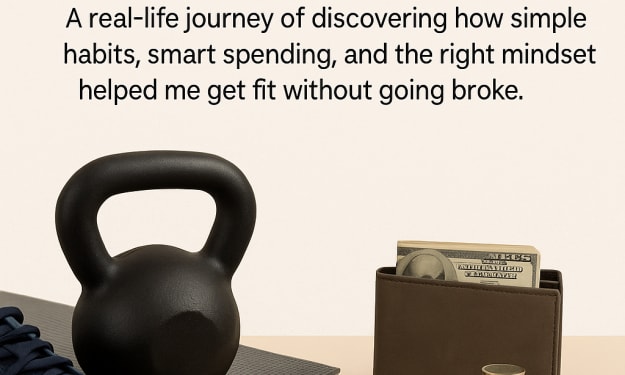
How I Found Balance Between Fitness and Finance
**Disclaimer**: This article was generated with the assistance of AI and may contain affiliate links. If you make a purchase through one of these links, I may earn a small commission at no additional cost to you. Thank you for supporting independent writing.
By Charles Funkabout a year ago in Longevity
The Power of Personal Branding for Orthodontic Practices: How to Stand Out in a Crowded Market
In today’s digital age, building a strong personal brand isn’t just for influencers or entrepreneurs—it’s essential for businesses in every industry, including orthodontics. For orthodontic practices, a solid personal brand can help you stand out in a competitive market, build patient trust, and attract more clients. Whether you're a solo practitioner or part of a multi-location practice, your online presence is one of your most valuable assets.
By Mian Abdulrahmanabout a year ago in Longevity
Mint Magic: the Amazing Health Benefits of mint.
Mint (Pudina): Nature’s Cooling Healer Pudina, commonly known as mint, is more than just a fragrant herb used to add zest to dishes and drinks. For centuries, it has been valued in traditional medicine systems like Ayurveda and Unani for its impressive healing properties. Today, modern research continues to validate many of these benefits. Whether you're sipping mint tea, chewing fresh leaves, or using it as a flavor enhancer, mint offers a wide range of therapeutic effects for your body and mind. 1. A Natural Remedy for Digestion One of the most well-known benefits of mint is its ability to aid digestion. Pudina contains menthol, which helps relax the muscles of the gastrointestinal tract, making it easier for food to pass through the stomach and intestines. It can also relieve symptoms of bloating, gas, and indigestion. Drinking mint tea after meals or chewing on fresh leaves can be a simple, natural way to ease digestive discomfort. 2. Relieves Nausea and Headaches The refreshing aroma of mint is a natural remedy for nausea, especially during pregnancy or after surgery. It helps soothe the stomach and reduce the sensation of vomiting. Additionally, applying diluted mint essential oil to the temples or forehead has been known to relieve tension headaches and migraines by relaxing the muscles and improving blood circulation. 3. Boosts Respiratory Health Mint has natural decongestant properties. Inhaling steam infused with mint leaves or essential oil can help clear nasal passages and ease breathing, making it a helpful remedy for colds, asthma, and allergies. The menthol in mint acts as an expectorant, helping to loosen and break down mucus in the lungs and throat.
By Dr Gabriel about a year ago in Longevity
Choose the Best Gulab Attar for the Greatest Fragrance!
Gulab Attar is a classic that reminds us of the beauty of nature. Known for its soothing aroma and cultural value, which we get from the essence of fresh rose petals is more than just a perfume it is a symbol of purity, romance, and elegance. But with so many options out there, which is the best Attar to choose? We will look at how to find your perfect rose essence which in turn gives you the best fragrance for your body, mind, and soul.
By Ali Brothers Perfumerabout a year ago in Longevity
6 Morning Yoga Poses to Instantly Boost Peace, Positivity, and Energy Every Day
Introduction: Wake Up to Wellness Let’s be honest: most of us wake up feeling more drained than refreshed. Whether it’s the weight of yesterday’s stress or the chaos of a packed schedule ahead, it’s easy to start the day feeling irritable and exhausted. But what if a simple shift in your morning routine could change everything? Enter: morning yoga. Practicing yoga for just 10 to 15 minutes each morning can dramatically improve both your mental clarity and physical energy. Through gentle movement, focused breathing, and intentional stillness, yoga awakens your entire system. It boosts blood circulation, triggers the release of happy hormones, and sets a calm, positive tone for the rest of the day. Here are 6 simple yoga poses you can do right after waking up to create inner peace and lasting calmness. You don’t need to be flexible or experienced—just bring your breath and an open mind. 1. Child’s Pose (Balasana): Embrace Inner Stillness Let’s begin with the pose of surrender—Child’s Pose. This is the perfect position to transition from sleep to wakefulness. How to do it: Kneel on your mat or floor with your big toes touching and knees spread apart. Lower your torso between your thighs and extend your arms forward. Rest your forehead on the ground, close your eyes, and take 10 deep breaths. Benefits: Gently stretches your spine, hips, and thighs. Relieves tension in the back, neck, and shoulders. Encourages a meditative, calming mindset. Starting your day in Child’s Pose invites your body and mind to stay grounded, safe, and still before the day’s demands take over. 2. Cat-Cow Stretch (Marjaryasana-Bitilasana): Awaken the Spine After you’ve tuned into your breath and grounded yourself, gently awaken your spine with this fluid movement. How to do it: Come to a tabletop position with hands under shoulders and knees under hips. Inhale: Arch your back, lift your head and tailbone (Cow Pose). Exhale: Round your back, tuck your chin and tailbone (Cat Pose). Repeat for 8–10 breaths.
By Saqib Ullahabout a year ago in Longevity
Barefoot Bliss: How Grounding Can Transform Your Health
Imagine this: you slip off your shoes, step onto cool, dewy grass, and feel a subtle tingle as the Earth’s energy flows into you. This is grounding—earthing, as some call it—a practice as old as humanity itself, now making waves for its surprising health benefits. In a world glued to screens and insulated by concrete, grounding invites you to reconnect with the planet in a way that feels like a warm hug from nature. From easing stress to soothing aches, this simple act of touching the Earth could be the wellness secret you’ve been missing. Let’s dive into why grounding is stealing hearts and how it can transform your life.
By Nafees Ahmadabout a year ago in Longevity
Cancer: The Scariest Disease in Humans – How to Stay Safe
Cancer is a word that can shake anyone to their core. It’s not just a disease; it’s a life-changing storm that affects millions of people every year, regardless of age, gender, or background. The reason cancer is so frightening is because it can sneak up without obvious warning signs and take a serious toll on both the body and the mind. But while cancer can feel like a terrifying mystery, there are real, practical steps you can take to lower your risk and protect your health. What Is Cancer, Really? In simple terms, cancer is a disease where some of the body’s cells begin to grow uncontrollably and spread to other parts. Normally, our cells grow and divide as needed. But sometimes, this process goes wrong, and the cells don’t stop multiplying. These out-of-control cells can form lumps (tumors) or interfere with the body’s normal functions. There are over 100 types of cancer, including breast, lung, prostate, colon, and skin cancers. Some grow fast, while others develop slowly over time. The tricky part? Many cancers don’t show obvious symptoms until they’re in later stages. Why Is Cancer So Scary? The fear of cancer comes from more than just its impact on health. It’s also about the uncertainty. People often ask: “Will I get it?”, “Can it be cured?”, or “What if it’s too late?” Treatments like chemotherapy and radiation can be physically and emotionally draining. And the thought of battling a disease with no guaranteed cure is enough to cause anxiety for anyone. But it’s not all doom and gloom. While we can’t control everything (like genetics), many cancers are preventable. Science has shown that lifestyle choices play a huge role in lowering the risk. How to Stay Safe: Prevention Is Powerful The good news is, you’re not powerless. Here are key steps you can take to reduce your cancer risk and protect your well-being: 1. Don’t Smoke or Use Tobacco Smoking is the #1 cause of many cancers, especially lung, throat, and mouth cancers. Even secondhand smoke can harm you. If you smoke, quitting is the single most important health decision you can make. 2. Eat a Healthy, Balanced Diet Fill your plate with colorful fruits, vegetables, whole grains, and lean proteins. Cut back on processed meats, sugary drinks, and fried foods. A healthy diet gives your body the nutrients it needs to fight off illness and inflammation. 3. Move Your Body Regular physical activity not only helps control weight (a cancer risk factor) but also boosts your immune system. Aim for at least 30 minutes of moderate exercise most days—walking, biking, dancing—anything that gets you moving. 4. Limit Alcohol Drinking alcohol increases the risk of several cancers. If you drink, do so in moderation—ideally one drink a day for women and two for men, or less. 5. Protect Your Skin from the Sun Skin cancer is one of the most common—and preventable—types. Avoid tanning beds and wear sunscreen with SPF 30 or higher. Seek shade and wear protective clothing when you're outdoors. 6. Get Screened Regularly Early detection can save lives. Cancer screening tests (like mammograms, colonoscopies, and Pap smears) can catch cancer early—when it’s most treatable. Talk to your doctor about what screenings you need and when to start. 7. Get Vaccinated Certain viruses, like HPV and hepatitis B, are linked to cancer. Vaccines can protect you. The HPV vaccine, for example, helps prevent cervical and throat cancers. It’s most effective when given at a younger age, but it's never too late to ask your doctor about it. 8. Manage Stress and Sleep Well Chronic stress and poor sleep can weaken your immune system. While stress doesn’t directly cause cancer, it can lead to habits that do—like overeating, smoking, or drinking. Make time for rest, hobbies, and connection with loved ones. Final Thoughts: Hope Over Fear Yes, cancer is scary. But it’s important to remember that fear doesn't have to paralyze you—it can empower you. Awareness is the first step toward protection. By making healthier choices and staying alert to changes in your body, you can significantly reduce your risk and catch problems early. We may not be able to eliminate cancer from the world tomorrow, but together, step by step, we can make it less powerful—starting with ourselves, our families, and our communities. Take care of your body. Listen to it. Get checked. And most importantly, don’t live in fear—live informed.
By Shah saab ITabout a year ago in Longevity