self care
For a healthy mind, body, and soul.
Patterns in longevity and ageing are revealed and explained by the universal "rule of biology."
Life on Earth is frequently portrayed as a masterclass in efficiency. From the hexagonal wax chambers in a honeybee hive to the slow, energy-sipping heartbeat of a blue whale, residing structures appear constructed to stretch each calorie and atom. Yet a better appearance suggests that biology from time to time performs rapidly and freely with permanence.
By Francis Damiabout a year ago in Longevity
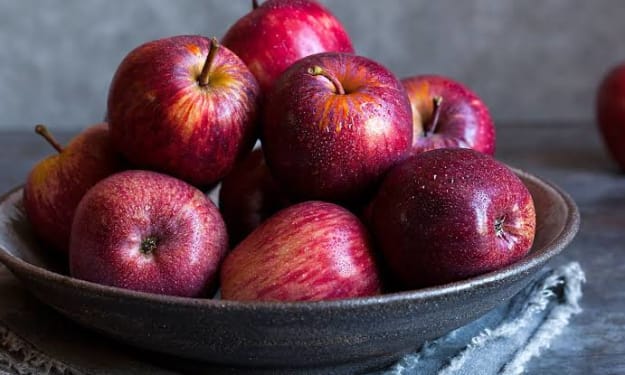
The Miraculous Power of an Apple: Nature’s Daily Dose of Health
"An Apple a Day Keeps the Doctor Away!" You’ve probably heard this famous proverb countless times. But have you ever paused to think why? What is it about an apple that gives it such a strong reputation for protecting health? Why is it hailed as a “miracle fruit”? Let’s explore the amazing benefits of apples and discover how this simple fruit can be a powerful ally for your health. --- 1. Nutritional Powerhouse According to research, apples are one of the safest and most nutrient-rich fruits you can consume. They are packed with essential vitamins, antioxidants, and dietary fiber that support overall health and help protect the body from various diseases. Apples are especially rich in the B-complex vitamins — such as riboflavin (B2), thiamin (B1), and vitamin B6 — which are crucial for maintaining both physical and mental health. These vitamins aid in brain function, energy production, and nervous system support. Additionally, apples help lower bad cholesterol (LDL), improving heart health. They also contain calcium, potassium, and phosphorus — minerals that are vital for maintaining strong bones and muscles. Potassium, in particular, helps regulate blood pressure and supports heart function. --- 2. A Boost for Mental Health Apples contain a powerful plant compound called quercetin, a natural antioxidant known for reducing inflammation in brain cells. Quercetin protects the brain from oxidative stress and environmental toxins, helping reduce the risk of neurological disorders. Studies have shown that consuming apples regularly may lower the risk of developing Alzheimer’s disease and improve cognitive function. People who eat apples frequently tend to have better memory, mental clarity, and overall brain health. Moreover, the natural sugars in apples, like fructose, provide a quick energy boost without the crash caused by refined sugars, making them an excellent snack for maintaining mental alertness throughout the day. --- 3. Cancer Prevention Potential One of the lesser-known but significant benefits of apples is their potential role in reducing cancer risk. Apple peels contain a group of phytochemicals known as triterpenoids, which have shown anti-cancer properties in laboratory studies. These compounds are particularly effective against cancers of the liver, colon, breast, and pancreas. In fact, research has indicated that eating apples can reduce the risk of pancreatic cancer by up to 23%. The antioxidants in apples combat free radicals, which can damage cells and lead to cancerous growths. By including apples in your daily diet, you can add a layer of natural defense against the development of certain types of cancer. --- 4. Guardian of the Heart Heart disease is one of the leading causes of death globally, but a humble apple may help reduce this risk significantly. Apples are rich in soluble fiber, particularly pectin, which helps reduce levels of bad cholesterol in the bloodstream. Additionally, the phenolic compounds found in apple skins help prevent the oxidation of LDL cholesterol — a key contributor to artery plaque buildup. By improving blood vessel flexibility and preventing arterial blockages, apples help maintain healthy blood circulation and reduce the likelihood of heart attacks and strokes. --- 5. Protection Against Gallstones Gallstones are often caused by high levels of cholesterol in the bile. The fiber content in apples helps control cholesterol levels and ensures it dissolves properly in the body, reducing the chances of stone formation. This benefit is especially valuable for individuals who are overweight or consume high-fat diets. A daily apple can help maintain a healthier digestive tract and prevent gallbladder-related issues. --- 6. A Friend for Weight Management Obesity is linked to numerous chronic conditions such as diabetes, high blood pressure, and joint problems. Fortunately, apples can play an important role in weight control. High in fiber and water, apples give a feeling of fullness without adding too many calories. This helps in reducing overall calorie intake and curbing cravings, making apples an ideal food for those trying to lose or maintain weight. The natural sweetness of apples also helps satisfy sugar cravings, making it easier to avoid unhealthy snacks and desserts. --- 7. Natural Detoxification In today’s world, we’re constantly exposed to harmful substances through junk food, sugary drinks, and environmental pollution. The liver, which is the body’s main detox organ, filters these toxins daily. Apples support the liver by providing antioxidants and nutrients that help eliminate harmful substances from the body. They assist in the natural detoxification process and promote liver health. Regular apple consumption can therefore help keep your internal systems clean and functioning smoothly, making you feel more energized and revitalized. --- Conclusion An apple may seem like a small fruit, but its benefits are vast and profound. From protecting the brain and heart to preventing cancer, aiding in weight loss, and detoxifying the body, this fruit truly deserves its reputation. So, the next time you pass by the fruit basket, remember — that one apple could be the easiest, tastiest, and most natural way to safeguard your health. Start today, and make apples a part of your daily life — because prevention is better than cure!
By Ikram Ullahabout a year ago in Longevity
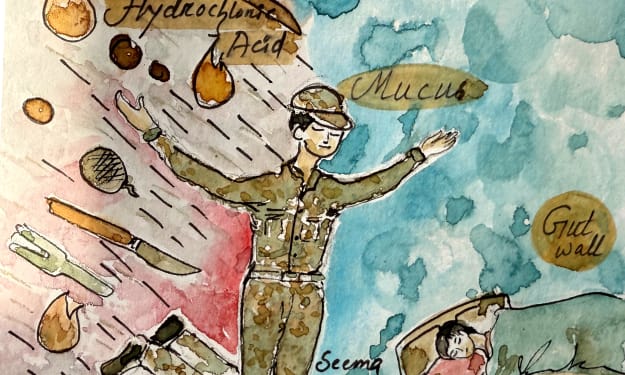
The Gross Mucus Is Your Internal Amulet
You know the mucus, the nose sniffles, the phlegm, the secretions from private parts. You have seen and felt it. When we catch cold, mucus is formed in the nose, which thickens depending on the germ load. Mucus can collect in the back throat which is removed by expectoration, the precise job of cough.
By Seema Patelabout a year ago in Longevity
How I Transformed My Life with the 5 AM Rule (Without Burning Out)
How Waking Up at 5 AM Changed My Life (And Why It Might Change Yours Too) I never thought I’d be the kind of person who wakes up before the sun. But here I am—wide awake at 5:00 AM—and loving it.
By HAMMAD KHAN OFFICIALabout a year ago in Longevity
“Starving for Peace: The Silent Hunger Crisis in Palestine. Content Warning. AI-Generated.
In the heart of occupied Palestine, behind concrete walls and military checkpoints, another battle rages silently—one that doesn’t make headlines as often as the bombs or the ceasefires. It’s a war of empty stomachs, of children going to bed without dinner, of mothers drinking water to quiet the pain of hunger. In Gaza, in the West Bank, and even in parts of East Jerusalem, food insecurity has reached emergency levels. But this is not just a story about hunger—it’s a story about dignity, endurance, and the human cost of a decades-long siege. A Nation in Shadows: Food as a Casualty of Conflict In Gaza, where over two million people live on a sliver of land sealed off by blockades, food is more than a necessity—it’s a symbol of control. According to the United Nations, over 80% of Gazans rely on humanitarian aid to survive. In many homes, meals consist of little more than bread and tea, if that. Fruits, vegetables, and meat are luxuries. Israel's restrictions on goods and mobility, coupled with the near-total collapse of the economy, have created a humanitarian nightmare. Every day, families line up outside distribution centers operated by UNRWA or local charities. Children cling to their mothers as they wait for bags of flour, lentils, or oil—basic staples that may be all they eat for days. The humiliation is not in the waiting; it's in the knowing—that dignity has become a casualty of politics. The Daily Fight to Feed a Family In the West Bank town of Hebron, 34-year-old Ahmad works odd jobs just to bring home a bag of rice. Once a carpenter, he lost his workshop when access to materials was blocked. Now, he digs wells and fixes broken doors, anything that offers a few shekels. His wife, Lina, has become an expert at stretching meals. She makes soup from onion peels and crushed tomatoes, saving the good ingredients for their children. “Our son, Sami, is six. He’s growing too slowly,” Lina says, her voice trembling. “I know it’s because we can’t feed him enough, but what can we do? I give him my portion. I can handle hunger. He can’t.” They are not alone. Palestinian children face some of the highest rates of stunting and malnutrition in the region. Food prices are rising, jobs are scarce, and access to farmland is often restricted by Israeli military zones and settlements. A simple act like farming becomes dangerous when soldiers or settlers confront Palestinians with weapons and threats. Mothers Skip Meals So Children Can Eat Mothers across Gaza and the West Bank are making the ultimate sacrifice—choosing hunger for themselves so their children might eat. Fadwa, a widow from Khan Younis, lost her husband in an airstrike two years ago. Since then, she has raised three children on a widow’s pension and food aid. “There are days I pretend I’m not hungry,” she says. “I tell my kids I already ate so they’ll eat the little food we have. At night, I cry into my pillow—not just from hunger, but from helplessness.” She’s not alone. This has become the norm for thousands of Palestinian women, who bear the burden of hunger quietly. In many homes, it is the mother’s body that pays the price, her nutrition sacrificed so the next generation might survive. Hope on Empty Stomachs: Stories of Resilience and Resistance Despite the hunger, despite the pain, hope has not vanished from Palestine. Communities have organized food drives, established rooftop gardens, and created underground kitchens that feed hundreds daily. Local NGOs, despite dwindling funds, continue to distribute meals and groceries. And while international attention often fades, the people persist. Take the story of Nour, a 22-year-old university student in Nablus. She started a community kitchen in her neighborhood during Ramadan. With donations from local shops and the help of neighbors, they prepared 200 meals a day for struggling families. “We are not beggars,” she says. “We are people caught in a system that denies us our basic rights. But we help each other. That’s how we resist—with kindness, with unity, with love.” In the refugee camps of the West Bank, children learn to grow herbs in recycled bottles. In Gaza, fathers build makeshift ovens from cinder blocks to bake bread when electricity is cut. In Jerusalem, Christian and Muslim families share meals across faith lines during holidays. These are not acts of desperation—they are acts of defiance against the systems that want to see them starve. Conclusion: Starving for More Than Food The hunger in Palestine is not only for food—it is for justice, for peace, for a life lived without fear or fences. As long as the siege continues, as long as checkpoints block trade and aid, and as long as the occupation remains, the hunger will grow—not just in bellies, but in hearts. But Palestine endures. Not because it is strong, but because its people have learned to find strength in each other. In shared meals, in whispered prayers, in the hands that reach out instead of turning away. To be Palestinian today is to fight for survival every single day. Not just against bombs, but against the slow death of hunger. It’s time the world listened—not just to the noise of war, but to the silence of an empty plate.
By Saqib Ullahabout a year ago in Longevity
Brain Fog Be Gone! 9 Natural Ways to Sharpen Focus and Supercharge Concentration
Let’s get real—staying focused these days feels like trying to hold water in your hands. Between endless notifications, noisy environments, and just plain mental exhaustion, our attention spans are under attack.
By Md Zillur Rahaman Chowdhuryabout a year ago in Longevity
How Tiny Genetic Changes Rewire the Brain and Affect Behavior
The human brain is incredibly complex. Its development and function are shaped by many factors, including genetics. As we delve into the connection between genetic changes and brain wiring, we see that small changes can greatly affect our behavior. The field of neurogenetics has grown a lot in recent years. It helps us understand how genetic changes influence the brain. By looking at the latest research, we can see how genetics, brain wiring, and behavior are connected. Key Takeaways The development and function of the human brain are influenced by genetics. Small genetic variations can significantly impact brain wiring and behavior. Neurogenetics is a rapidly advancing field that sheds light on the complex interplay between genetics, brain wiring, and behavior. Understanding genetic changes can provide insight into the workings of the brain. The study of neurogenetics has the potential to reveal new avenues for understanding behavior. The Genetic Blueprint of Brain Development Brain development is closely tied to the genetic code. This code shapes the neural networks in our brains. It guides how our brain cells connect and work together, affecting our behavior and thinking. DNA: The Code Behind Neural Architecture DNA, or deoxyribonucleic acid, holds the genetic instructions for life. It tells our bodies how to grow and function. The DNA sequence in our brains determines how they are structured and work. How Base Pairs Determine Brain Structure The order of DNA's base pairs (adenine, thymine, cytosine, and guanine) is key. It tells our brains how to develop. Changes in this order can affect our brain's structure and function, influencing our behavior and health.
By Tech Horizonsabout a year ago in Longevity
How to Achieve Tech-Life Balance: 7 Effective Strategies
In today's digital age, our lives are intricately woven with technology. From smartphones to smart homes, the convenience is undeniable. However, this constant connectivity blurs the lines between our professional and personal lives, leading to challenges in maintaining a healthy balance.
By MD Tarek Aziz about a year ago in Longevity