self care
For a healthy mind, body, and soul.
Neuronal Plasticity Genes and Alcohol Use Disorders: Unraveling the Genetic Connection. Content Warning.
Alcohol use disorders (AUDs) are a significant public health concern worldwide, affecting millions of people. These disorders are characterized by an individual's inability to control their alcohol consumption, leading to adverse consequences on their physical, mental, and social well-being. While several factors contribute to the development of AUDs, recent research has shed light on the role of neuronal plasticity genes in influencing an individual's susceptibility to alcohol addiction. In this article, we will explore the link between neuronal plasticity genes and alcohol use disorders, providing insights into potential avenues for treatment and prevention.
By Go With Trend3 years ago in Longevity
Syphilis Symptoms: A Detailed Study on Syphilis Infection!
Hey folks, we are here to discuss an important topic we should know. It is none other than Syphilis. Syphilis is a Sexually Transmitted Infection caused by the bacterium Treponema pallidum. It has been a subject for centuries due to its significant impact on public health. In this article, we will discuss the definition of Syphilis and the "Syphilis Symptoms" in detail.
By SANTHOSH T3 years ago in Longevity
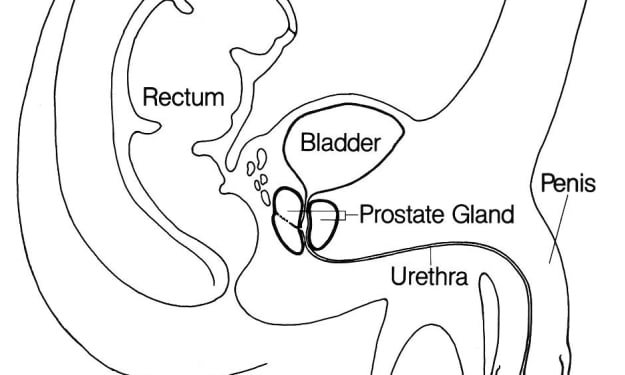
What is the Role of The Seminal Vesicles and the Prostate Gland
Ahoy there, fellow knowledge seekers! Today, we are embarking on a blood-tingling boating through the alien amnion of the macho changeable arrangement to bare the hidden treasures captivated aural the seminal vesicles and prostate gland. Prepare yourself for a arresting chance as we dive abysmal into the branch of biology, area these unsung heroes comedy a basic role in the symphony of life!
By J K C R E A T I O N3 years ago in Longevity
Superfoods Unveiled: Harnessing the Nutritional Power for Optimal Health. Content Warning.
In the quest for optimal health and well-being, the role of nutrition cannot be overstated. Superfoods have gained popularity for their exceptional nutrient content and potential health benefits. This guide will explore the world of superfoods, highlighting their essential nutrients and explaining how they can be incorporated into a healthy diet to promote overall wellness.
By Go With Trend3 years ago in Longevity
How To Lose weight Fast in 10 Days
I must emphasize that losing a significant amount of weight in just 10 days can be challenging and may not be safe or sustainable for everyone. Rapid weight loss can lead to health risks and often results in losing muscle mass and water weight rather than fat. It's essential to prioritize your health and aim for gradual, sustainable weight loss.
By uniquemike3 years ago in Longevity
A Definitive Manual for Reinforcing Your Insusceptibility with a Straightforward Way of Life Changes
Would you like to know how to normally support your invulnerable framework? Your insusceptible framework resembles your body's protection group. It safeguards you from becoming ill from dreadful microorganisms, such as infections, microscopic organisms, and parasites. To keep areas of strength for it sounds, there are a few things that you can do in your regular routine. Here are a few hints that I tracked down on the web:
By Nataliya Ozerova3 years ago in Longevity
Engaging Lives 🥰🥰🥰
Type 2 diabetes manifests with various signs, symptoms, and associated conditions. In this lesson, we will explore these aspects. Before delving into the details, let's briefly understand what type 2 diabetes entails. Type 2 diabetes is a condition characterized by impaired glucose regulation, resulting from decreased insulin sensitivity or insulin resistance. This leads to reduced glucose tolerance and elevated glucose levels. Several risk factors contribute to the development of type 2 diabetes, including metabolic syndrome, overweight or obesity, genetic predisposition, certain ethnic backgrounds, and certain medications, including some antipsychotics. The epidemiology of type 2 diabetes reveals its widespread prevalence, affecting a significant portion of the global population. Approximately 89% of people with diabetes have type 2 diabetes mellitus, while the remaining 10% have type 1 diabetes. In this lesson, we will focus on the causes, signs, symptoms, and associated conditions of type 2 diabetes, which primarily arise from elevated glucose levels affecting various organ systems. It's important to note that many patients may initially experience no symptoms during the early stages of type 2 diabetes. However, when symptoms are present, they may include the following: 1. Polyuria: Increased urination frequency and volume due to the kidneys' inability to reabsorb excess glucose, leading to glucose excretion into the urine. This can potentially cause dehydration. 2. Polydipsia: Excessive thirst caused by dehydration resulting from increased urine losses due to polyuria. 3. Polyphagia: Increased food consumption due to decreased insulin sensitivity, leading to cells being unable to efficiently utilize glucose for energy production. This can result in heightened hunger. These three symptoms are often referred to as the "three Ps" of type 2 diabetes: polyuria, polydipsia, and polyphagia. Fatigue is another significant symptom commonly associated with type 2 diabetes. Patients may experience feelings of tiredness and low energy, which can be attributed to increased glucose levels and decreased insulin sensitivity. Weight loss may occur in some individuals with type 2 diabetes. Paradoxically, even if a patient is overweight or obese, they may experience weight loss due to impaired fat formation caused by decreased insulin sensitivity. Vision changes, such as blurry vision, may be present due to glucose-induced osmosis and swelling of the lens in the eye. Diabetic retinopathy, a condition associated with uncontrolled or poorly controlled diabetes, can also lead to vision loss. Type 2 diabetes can increase the risk of infections due to impaired immune cell functioning resulting from the disease. Patients may be more susceptible to various infections, including respiratory tract infections and fungal or yeast infections like oral and vaginal candidiasis. Paresthesias, characterized by numbness and tingling sensations in the extremities, may occur in patients with type 2 diabetes. This is known as diabetic neuropathy and typically starts in the nerves farthest from the core, such as those in the feet. Delayed wound healing is another notable finding in type 2 diabetes. Poor circulation, a consequence of diabetes progression, can impair wound healing, particularly in areas with limited blood flow, such as the feet. Combined with peripheral neuropathy, this can lead to increased foot injuries and difficulties in wound healing. Type 2 diabetes, particularly when poorly controlled over long periods, can give rise to several associated conditions, including: 1. Diabetic retinopathy: Damage to the blood vessels in the eye, resulting in vision loss and an increased risk of developing cataracts and glaucoma. 2. Diabetic nephropathy: Kidney disease caused by diabetes, which can lead to kidney damage and chronic kidney disease over time. 3. Other associated conditions: Type 2 diabetes is also linked to a range of medical conditions, including gastroparesis (delayed stomach emptying), coronary artery disease, acanthosis nigricans (darkened velvety skin), an increased risk of dementia, and hearing impairment. These are just a few examples of the associated conditions that may arise in individuals with type 2 diabetes. For a more comprehensive understanding of type 2 diabetes, including its pathophysiology, diagnosis, and treatment, please refer to the full lesson on this topic. Don't forget to like and subscribe for more educational content. Thank you for reading ,and we hope to see you again soon.
By RAPHAEL AKINNUSI3 years ago in Longevity
What Foods are rich in Iron? Top 4 list!
Iron is a vital mineral that helps to increase the production of Hemoglobin in the body. Haemoglobin is a protein in the blood that carries oxygen from the lungs to all other parts of the body. About 70% of Iron is present in the Hemoglobin. Due to this function, we will discuss the "top 4 foods that are rich in Iron."
By SANTHOSH T3 years ago in Longevity
"The Science of Sleep: Unraveling the Mysteries of Restorative Rest"
"The Science of Sleep: Unraveling the Mysteries of Restorative Rest" is an article that explores the science behind sleep and the importance of restorative rest for overall well-being. Here's an elaboration on the key points covered in the article:
By Jorelyn M. Macasadog3 years ago in Longevity
"Respiratory Syncytial Virus (RSV) Infection: Prevention, Natural Remedies, and Management"
Respiratory Syncytial Virus (RSV) infection is a common respiratory illness that affects people of all ages, particularly infants and young children. RSV belongs to the Paramyxoviridae family and is a single-stranded RNA virus. It primarily targets the respiratory tract, causing symptoms ranging from mild cold-like symptoms to severe lower respiratory tract infections, such as bronchiolitis and pneumonia.
By Go With Trend3 years ago in Longevity
Longevity
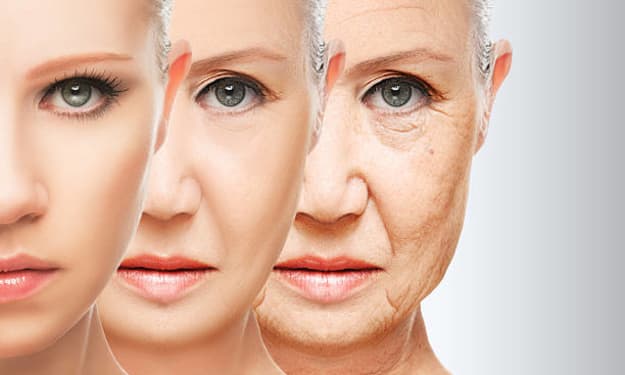
Tips to Anti-Aging & Long Life: Secrets to Defying Time Introduction: In our fast-paced world, the pursuit of anti-aging and long life has become increasingly popular. People are eager to unlock the secrets to defying time and maintaining a youthful appearance. While there may not be a magical fountain of youth, there are practical steps you can take to promote healthy aging and extend your lifespan. In this article, we will explore some expert tips that can help you on your quest for anti-aging and a long, fulfilling life. And don't worry, we'll sprinkle in a touch of humor along the way!
By Khusal Ram Dhital3 years ago in Longevity