self care
For a healthy mind, body, and soul.
The Vocal 'Book' On Polycystic Ovarian Syndrome
Hello gents and lady-gents! So I wrote a BUNCH of articles on Polycystic Ovarian Syndrome, hoping it'll help people. But I have come to an afterthought... and that is my PCOS articles are scattered around my profile like rose petals in a garden. And that's not quite helpful. So I have written a book on the subject... or rather an article with links to every PCOS article that I have written.
By Hope Martin2 years ago in Longevity
Best Hair Shampoo for Hair Loss: Ingredients that Make a Difference
Hair loss is a widespread concern affecting millions of people globally. While many factors contribute to hair thinning and loss, choosing the right shampoo can play a crucial role in managing this issue. This article briefs into the best hair shampoo for hair loss by focusing on essential ingredients that can make a significant difference. By understanding how these ingredients work, you can make an informed decision to help maintain and improve your hair health.
By Organic Works2 years ago in Longevity
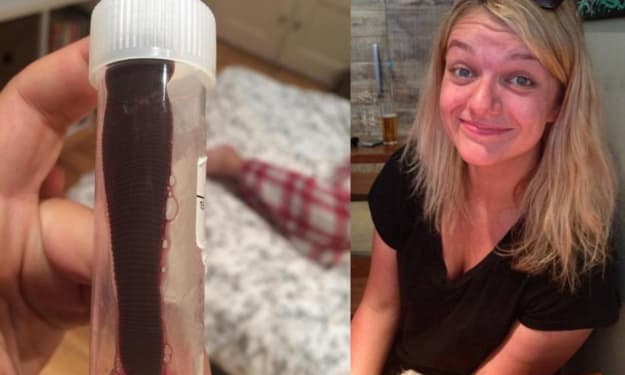
Unnerving Discovery: Woman Finds Leech in Her Nose After Months of Nosebleeds
In 2014, a woman from Edinburgh, Scotland, experienced a series of unusual and persistent nosebleeds. Initially, she attributed these nosebleeds to a motorcycle accident she had been involved in some months prior. However, the true cause of her discomfort was far more surprising and disturbing. The Mystery of the Nosebleeds The woman, who had been suffering from frequent and unexplained nosebleeds, grew increasingly concerned as the episodes persisted. She sought medical advice, but the cause of the bleeding remained undiagnosed. It wasn’t until one particular morning in the shower that the mystery began to unravel. As she was washing her face, she felt a strange sensation in her nostril, as though something was moving. Alarmed, she gently probed her nose and discovered a dark, wriggling creature emerging from her nostril. To her horror, it turned out to be a leech, approximately three inches long, that had been living inside her nasal passage. The Leech's Origin The discovery of a leech in her nose led to questions about how it could have ended up there. After some reflection, the woman recalled a backpacking trip to Southeast Asia she had taken shortly before her motorcycle accident. During her travels, she had swum in various freshwater sources, including lakes and rivers. It is believed that the leech entered her nostril while she was swimming in these waters and had been residing there ever since. Medical Examination and Removal After the shocking discovery, the woman sought immediate medical attention. Doctors confirmed the presence of the leech and safely removed it. The leech’s presence explained the frequent nosebleeds and discomfort she had been experiencing for months. Leeches secrete an anticoagulant called hirudin to prevent blood from clotting while they feed, which accounted for the persistent bleeding. Health Implications Although the idea of a leech living in one’s body is unsettling, it is not entirely uncommon, especially in tropical and subtropical regions where such parasites are more prevalent. Leeches can enter the body through various orifices when individuals swim or bathe in infested waters. While leeches are generally not life-threatening, they can cause significant discomfort and potential infections if not promptly identified and removed. Public Reaction The woman’s story garnered significant media attention, capturing public interest due to the unusual and shocking nature of her experience. Many were fascinated by the resilience of the leech and the fact that it had remained undetected for such a long period. The incident also served as a cautionary tale about the potential risks associated with swimming in freshwater bodies in certain regions. Prevention and Awareness This incident underscores the importance of being aware of the health risks associated with traveling to different parts of the world. Travelers are advised to take precautions when swimming in unfamiliar waters, such as avoiding areas known to be infested with parasites and using protective gear when necessary. Additionally, persistent or unexplained medical symptoms should always be thoroughly investigated by healthcare professionals to rule out unusual causes. Conclusion The Edinburgh woman’s encounter with a leech in her nose is a reminder of the unexpected and sometimes bizarre ways nature can interact with the human body. While such occurrences are rare, they highlight the importance of vigilance and prompt medical attention when dealing with unexplained health issues. The woman’s experience, though unsettling, ultimately had a positive outcome with the removal of the leech and the resolution of her symptoms.
By Deji Akomolafe2 years ago in Longevity
The Power of Mindfulness: How Meditation Can Change Your Life
In today’s fast-paced world, stress and anxiety have become a part of our daily lives. From meeting work deadlines to managing personal responsibilities, it seems like there’s always something demanding our attention. Amidst this chaos, mindfulness and meditation have emerged as powerful tools to restore balance and improve overall well-being. This article explores the profound impact of mindfulness and meditation, shedding light on how these practices can transform your life.
By Gaurav Gupta2 years ago in Longevity
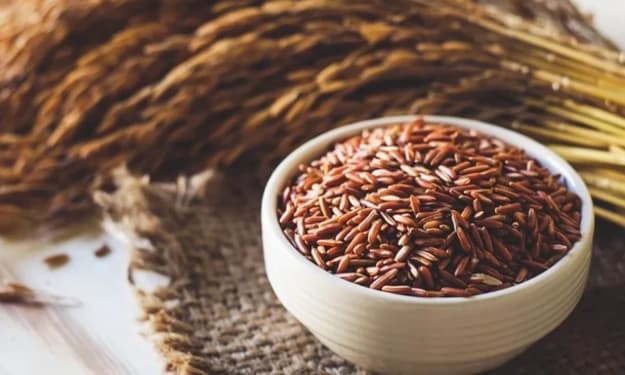
Eat ginger in the summer with one more thing: The effect is equivalent to 1 hour of exercise, helps lose weight and lowers blood sugar
When eating ginger in the summer, combine it with bitter melon. Bitter melon has the effect of clearing heat, detoxifying, reducing fire, diuretic, complementing ginger, and helping to lose weight.
By Ken Daklak2 years ago in Longevity
Stroke does not spare anyone, including children
Associate Professor, Dr. Mai Duy Ton, Director of the Stroke Center, Bach Mai Hospital, said: The center has treated many young stroke patients, including children under 15 years old. For example, in the case of a 9-year-old patient who was at school, he suddenly felt weak and numb on the left side of his body and was taken to the provincial hospital for emergency treatment. Computed tomography results did not detect damage, but magnetic resonance imaging results detected cerebral infarction.
By Ken Daklak2 years ago in Longevity