lifestyle
Living your life - the health and wellness way.
Small Habits, Big Life
I used to think that in order to change my life, I had to make some big moves—quit my job, move to a new city, start a business, join a gym, or read a dozen self-help books. I was waiting for the “perfect moment” when everything would finally fall into place and I’d feel like I had it all figured out. But that moment never came. What did come were small realizations. Quiet ones. The kind that sneak into your routine when you're not even looking. And slowly, I discovered something I wish I’d known years ago: Big changes start with small habits. Not the kind of habits that get a thousand likes on Instagram. I’m talking about the tiny, often invisible decisions we make every single day—the ones that seem too small to matter, but somehow... they do. It started with water. Yes, water. Just one glass in the morning before checking my phone. I had read somewhere that your brain needs hydration to function well. So, I tried it. One small habit. Then came the second one: a ten-minute walk every day, no matter what. Not a run. Not a hike. Just a walk. No pressure. No expectations. Just me and the world, moving slowly. I added one more thing: every evening, before I got lost in my phone or Netflix, I asked myself one question: “What did I learn today?” Sometimes the answer was something simple, like “I learned that I need more sleep.” Other days, it was deeper: “I learned that I avoid difficult conversations because I’m scared of being judged.” Each small habit became a mirror, showing me who I was becoming. Then I started writing down one line every night: “What made me smile today?” It could be anything. A kind message. A stranger’s smile. My favorite song playing in a random cafe. These small joys became anchors. No matter how stressful the day was, I always found one reason to be grateful. And that’s when the magic started to happen. No, I didn’t become rich overnight. I didn’t suddenly find the love of my life or wake up with perfect confidence. But I started showing up for myself in ways I never had before. I began to trust myself more. I felt calmer. I stopped chasing perfection and started choosing progress. I started living, not just surviving. The truth is, we wait too long to feel “ready.” We tell ourselves we’ll start journaling on Monday, eating better next month, or meditating when life gets less crazy. But life never gets less crazy. And waiting only keeps us stuck. So, here’s what I learned—and maybe it’ll help you too: You don’t need to change your entire life overnight. You don’t need a big reason to start small. You don’t need to be perfect to begin. You just need to begin. Choose one small habit. One tiny thing that feels almost too easy. Like drinking water. Or walking for five minutes. Or writing one sentence a day. Do it for a week. Then two. Then three. You’ll be amazed at how those small things start changing how you see yourself. You’re not lazy. You’re not unmotivated. You’re just tired of starting things that feel impossible to finish. So make it possible. Start small. Stay consistent. Show up—even on the days when you don’t feel like it. Especially on those days. That’s when growth really happens. Today, my life isn’t perfect. But it feels mine. Authentically mine. And I owe it all to those little habits I once thought were too small to matter. If no one’s told you lately: You’re allowed to start over. You’re allowed to take it slow. You’re allowed to be a work in progress. You just have to take the first step. I did. Now it’s your turn.
By HerGlowJournal2 years ago in Longevity
"Redefining Fitness: It's More Than Just the Gym"
When we hear the word “fitness,” the image that often comes to mind is someone sweating it out in the gym, lifting weights, or running endlessly on a treadmill. For many, fitness is tied to intense workouts and physical appearance. But this narrow perception misses the bigger picture. True fitness is a multidimensional concept—it’s not just how strong your body is, but how well your entire being functions and thrives. In this fast-paced world, we often chase the visible aspects of fitness, influenced by social media standards and body image pressures. But fitness isn’t just about aesthetics or building muscles. It’s about living a life of balance, energy, resilience, and mental clarity. It’s about feeling good in your own skin, waking up refreshed, moving without pain, and handling stress with grace. --- 1. Movement Beyond the Gym Gym workouts are great—but they aren’t the only way to stay fit. In fact, for many people, a gym environment can feel intimidating or inaccessible. The good news? Fitness can be built anywhere, anytime. Simple actions like walking to work, cycling to the market, taking the stairs, doing stretches at your desk, or playing with your dog all count as functional movement. These everyday activities improve mobility, circulation, and energy levels. Even 15–20 minutes of moderate movement daily can significantly improve your health. Yoga, dancing, swimming, hiking, or even cleaning your house can be powerful forms of exercise. The key is consistency, not intensity. You don’t have to lift heavy weights to be strong—you just have to keep moving in ways that feel good for your body. --- 2. Mental and Emotional Fitness What’s going on inside your mind plays a huge role in your overall fitness. Stress, anxiety, and emotional fatigue can take a toll on your physical health. That’s why mental wellness is an essential part of the fitness equation. Practices like mindfulness, meditation, deep breathing, or journaling help in reducing mental clutter and enhancing emotional balance. Mental fitness means learning to pause, reflect, and respond to life’s challenges with a calm mindset. It also means developing discipline, focus, and a growth-oriented attitude. When your mind is fit, your body follows. You become more consistent with your habits, more patient with progress, and more forgiving toward yourself when things don’t go as planned. --- 3. The Power of Nutrition There’s a saying: “You can’t out-train a bad diet.” And it’s true. Nutrition is the foundation of fitness. The food you eat is fuel for your body and mind. Poor eating habits can leave you tired, irritable, and prone to illness, no matter how much you exercise. Instead of extreme diets, focus on whole, natural foods—vegetables, fruits, whole grains, lean proteins, and healthy fats. Drink plenty of water. Avoid excessive sugar and processed snacks. Eat mindfully and listen to your hunger cues. Meal prep can also make a huge difference. Planning your meals ahead of time helps you avoid unhealthy temptations and ensures your body gets the nutrients it needs to thrive. --- 4. Sleep: Your Secret Weapon In today’s hustle culture, sleep is often seen as a luxury. But in reality, sleep is one of the most powerful tools for recovery, energy, and performance. It’s during deep sleep that your muscles repair, your brain detoxifies, and your body resets. Adults should aim for 7–9 hours of quality sleep per night. Try to maintain a regular sleep schedule. Avoid screens at least an hour before bed, and create a relaxing bedtime routine. Dim lights, calming music, or even a short meditation can signal your body to wind down. Without adequate sleep, no amount of exercise or nutrition can give you optimal results. --- 5. Social Connection and Community Fitness is also about the people you surround yourself with. A strong support system can uplift you, keep you accountable, and bring joy into your routine. Whether it’s a workout buddy, a supportive friend, or an online fitness group, community matters. Celebrate small wins together. Share your struggles. Laugh, connect, and stay motivated. Emotional well-being is deeply connected to feeling seen, heard, and valued. --- 6. Redefining Success in Fitness Fitness is not a destination; it’s a lifelong journey. Your goals will evolve. There will be highs and lows, plateaus and breakthroughs. Don’t let society define what fit “should” look like. Your version of fitness is valid—whether it’s walking 5,000 steps a day, mastering a yoga pose, or simply feeling happier and more energetic. Let go of unrealistic standards. Instead, focus on sustainable habits, self-love, and progress over perfection. --- Conclusion: Fitness for the Whole You Redefining fitness means shifting from surface-level goals to deep-rooted well-being. It’s not just about abs and biceps—it’s about energy, sleep, stress, joy, and connection. So, step beyond the gym. Move your body, feed your soul, and rest your mind. That’s real fitness. And that’s where true transformation begins. ---
By Shahbaz Khan2 years ago in Longevity
Is Eating Bananas Before Bed a "Sleep Aid" or a "Health Trap"?. AI-Generated.
Unlocking the Sleep-Inducing Secrets of Bananas: Nature's Sleep Aid Bananas, a globally beloved fruit, hold a sweet secret to promoting better sleep, all thanks to their unique nutritional blend. Every 100 grams of banana contains approximately 12 milligrams of tryptophan, an essential amino acid that serves as a precursor to melatonin, the hormone regulating our circadian rhythm. Coupled with bananas' vitamin B6 content, which accelerates the conversion of tryptophan into melatonin, this dynamic duo can significantly adjust your internal body clock. Studies reveal that consuming foods rich in tryptophan can reduce the time it takes to fall asleep by around 17 minutes, particularly beneficial for those struggling with insomnia.
By Anthony Davis2 years ago in Longevity
How Does Citrus Lower the Risk of Depression?
Depression is a concerning condition in the present world. About 280 million people are suffering from mental health problems, including depression. Depression not only affects a person’s mental wellbeing but also the quality of life.
By Physics uu2 years ago in Longevity
What No One Tells You About My Year-Long Sugar Ban
I didn't suddenly decide to stop eating sweets. It wasn't a New Year's goal or a diet fad. I had to be desperate. Something had to change after years of feeling stuck with weight gain, mood swings, cognitive fog, and exhaustion.
By GOOD HEALTH2 years ago in Longevity
The Silent Killer Hiding in Your Gut: Why Visceral Fat Is More Dangerous Than You Think
You might think that pinchable belly fat—the muffin top, the love handles—is the worst offender when it comes to health risks. But here’s the twisted truth: the real danger isn’t what you can grab… it’s what’s lurking beneath.
By Rukka Nova2 years ago in Longevity
Cancer Prevention: How Sleep, Hydration, and Daily Habits Can Reduce Your Risk. AI-Generated.
I. The Link Between Sleep Deprivation and Cancer Risk Chronic sleep disruption has a direct biological impact on immune function. A 2023 study from Harvard Medical School revealed that individuals who sleep less than six hours daily face a 37% higher cancer risk compared to those with adequate sleep. This correlation is tied to the critical overnight repair window (11:00 PM – 3:00 AM), during which sleep deprivation reduces natural killer (NK) cell activity by 70%, impairing the body’s ability to detect and eliminate cancerous cells.
By Anthony Davis2 years ago in Longevity
Donald Trump’s Life – A Quick Overvi
Donald John Trump was born on June 14, 1946, in Queens, New York City. He is the fourth of five children born to Fred C. Trump and Mary Anne MacLeod Trump. His father was a successful real estate developer who specialized in building and managing middle-income apartments in the New York City boroughs. His mother was a Scottish immigrant from the Isle of Lewis.
By Najibullah2 years ago in Longevity
Hay Fever Relief: 20 Doctor-Approved Tips to Beat Allergies This Summer
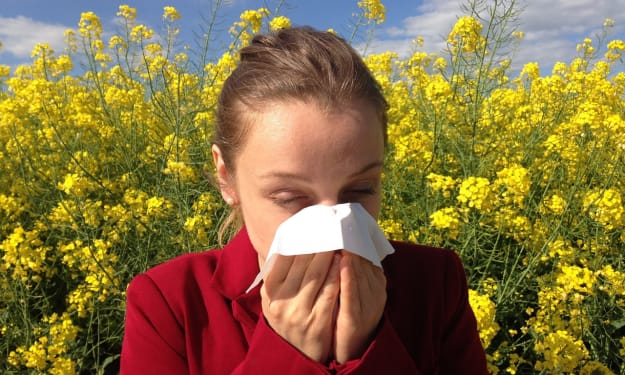
Do you dread the sunny season because of sneezing, itchy eyes, and a stuffy nose? Hay fever, also known as allergic rhinitis, affects millions, especially during high pollen seasons. But don't worry—experts and allergy doctors have shared their best advice to help you beat hay fever and breathe easy again. What Is Hay Fever? Hay fever is an allergic reaction caused by pollen from trees, grass, and weeds. It leads to inflammation in your nose, eyes, and throat. You may feel itchy, sneezy, congested, or have watery eyes. It’s not something you’re born with—it can develop later in life, even in your 20s or 30s. Why Hay Fever Is Getting Worse Thanks to climate change, plants are producing more pollen. This makes hay fever season start earlier and last longer. According to doctors, about 25% of adults in the UK have a pollen allergy—and that number is rising. Common Symptoms of Hay Fever
By Akrang Raja 2 years ago in Longevity