health
Keeping your mind and body in check - popular topics in health and medicine to maintain a long and healthy life.
World Health Organization's Perspective on the Prevalence of Stroke Cases in Africa. Content Warning.
Introduction: Stroke is a significant public health concern globally, and its impact on populations is particularly noteworthy in Africa. The World Health Organization (WHO) has recognized the rising incidence and prevalence of stroke cases in Africa, highlighting the urgent need for effective prevention strategies and improved access to quality healthcare. This report aims to provide a comprehensive overview of the WHO's opinions on the rampant stroke cases in Africa, including the contributing factors, challenges, and recommended interventions.
By Abel Omikunle 3 years ago in Longevity
The Medicinal Benefits of Placing Garlic under Your Pillow
The Medicinal Benefits of Placing Garlic under Your Pillow Garlic Pillow Benefits Garlic (Allium sativum) has been recognized for its medicinal properties for centuries, and its usage extends beyond culinary purposes. While garlic is commonly known for its role in supporting cardiovascular health and boosting the immune system, there is an intriguing belief that placing garlic under your pillow at night can provide various medical benefits. In this article, we will explore the potential reasons behind this practice, examining the scientific evidence behind each claim. Quality sleep is crucial for overall health and well-being. One potential benefit of placing garlic under your pillow is its ability to promote relaxation and improve sleep quality. Garlic contains a compound called allicin, which possesses sedative properties. It has been suggested that inhaling the aroma of garlic while sleeping can help reduce anxiety, calm the mind, and induce a more restful sleep. However, more rigorous scientific studies are needed to validate this claim. Garlic has long been used to support respiratory health. It contains sulfur compounds that exhibit antimicrobial properties, making it effective against bacteria, viruses, and fungi. Placing garlic under your pillow may potentially help alleviate respiratory conditions, such as colds, coughs, and sinus congestion. The inhalation of garlic's volatile compounds may act as a decongestant, promoting clearer airways and facilitating better breathing during sleep. Headaches can disrupt daily life and hinder productivity. Some proponents believe that placing garlic under the pillow can help alleviate headaches. Garlic contains anti-inflammatory and analgesic properties that may provide relief from certain types of headaches, such as tension headaches. The aroma of garlic is thought to have a soothing effect, which could potentially help relax blood vessels and reduce headache symptoms. However, further scientific investigation is necessary to confirm this claim. Mental health is a vital aspect of overall well-being. Garlic contains various compounds that are known to have positive effects on mood and psychological health. For example, allicin and other sulfur compounds in garlic can increase the production of serotonin, a neurotransmitter that promotes feelings of happiness and well-being. The inhalation of garlic's aroma during sleep may potentially improve mood, reduce stress levels, and aid in managing symptoms of mild depression and anxiety. Insect Repellent (Word count: 300) Insects can be a nuisance, particularly during warmer seasons. Another intriguing benefit attributed to placing garlic under your pillow is its potential to repel insects. Garlic has natural insecticidal properties that deter mosquitoes, fleas, and ticks. The aroma emitted by garlic is believed to be unpleasant to these pests, potentially helping to prevent bites and disturbances during sleep. However, it is important to note that scientific evidence supporting this claim is limited. While placing garlic under your pillow may have some potential benefits, it is essential to approach this practice with a balanced perspective. While garlic does possess medicinal properties, more scientific research is needed to validate the claims associated with sleeping with garlic under your pillow. It is always advisable to consult with healthcare professionals and rely on evidence-based practices for addressing specific health concerns. Nonetheless, the rich history and numerous potential benefits of garlic make it a fascinating subject for further scientific exploration. In conclusion, the practice of placing garlic under the pillow has been associated with a range of potential benefits. While scientific evidence supporting these claims is limited, anecdotal experiences and cultural traditions have attributed certain advantages to this practice. One of the main benefits often cited is improved sleep quality. Garlic is believed to possess natural compounds, such as allicin, that may promote relaxation and reduce anxiety, leading to a more restful sleep. Additionally, garlic's strong aroma may help clear nasal passages and alleviate congestion, enhancing overall breathing patterns during sleep. Moreover, garlic has been recognized for its potential antimicrobial properties. Placing garlic under the pillow is believed to create a protective barrier against germs and insects, thus reducing the risk of infections or bug bites while sleeping. This belief stems from the long-standing use of garlic as a natural remedy for warding off pathogens. Furthermore, garlic is known to emit sulfur-containing compounds, which some believe can help improve brain function and stimulate vivid dreams. While scientific evidence supporting these claims is lacking, individuals who have practiced this ritual report experiencing more vivid and memorable dreams. It is important to note that the benefits of placing garlic under the pillow are largely based on cultural beliefs and personal experiences rather than scientific research. As with any folk remedy, individual results may vary, and it is always advisable to consult with a healthcare professional for personalized advice. In conclusion, while the scientific evidence for the benefits of placing garlic under the pillow is limited, many individuals have found it to be a simple and harmless practice that may contribute to improved sleep, a sense of protection, and potentially more vivid dreams.
By Bridget Dyke3 years ago in Longevity
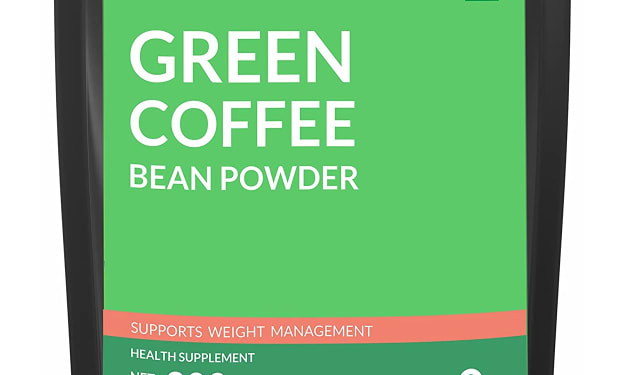
Unveiling the Benefits of Green Coffee: A Natural Aid in Weight Loss
In the never-ending pursuit of effective weight loss strategies, green coffee has emerged as a popular choice due to its array of health benefits and its potential to support weight management. Derived from unroasted coffee beans, green coffee offers a unique composition of active compounds that provide numerous advantages for individuals looking to shed those extra pounds. In this article, we will delve into the benefits of green coffee and highlight its ability to aid in weight loss, helping you achieve your desired goals naturally and healthily.
By Siddharthsinh Jethwa3 years ago in Longevity
The Common Foods That Contains Natural Poison That Can Cause Death Or Harm Our Health
Food is an essential part of our daily lives, providing nourishment and sustenance. However, it is crucial to be aware that certain common foods contain natural poisons that can pose risks to our health. While these toxins are present in small quantities and are typically harmless, consuming large amounts or mishandling these foods can result in severe health issues, and in extreme cases, even death. In this article, we will explore some common foods that contain natural poisons and discuss the potential dangers they pose to our well-being. Apples: Apples, often hailed as a symbol of health, contain a naturally occurring compound called amygdalin. This compound, found in apple seeds, releases cyanide when metabolized. While apple seeds are generally not consumed in significant amounts, their ingestion can lead to symptoms such as dizziness, headache, and in severe cases, respiratory failure. It is essential to avoid consuming apple seeds or to remove them before consumption. Potatoes: Potatoes are a staple food in many cultures, but certain varieties of potatoes can contain a toxic compound known as solanine. Solanine is found in higher concentrations in green potatoes or those with sprouts. Ingesting large amounts of solanine can lead to symptoms like nausea, vomiting, abdominal pain, and even neurological effects. To minimize the risk, it is crucial to discard any green or sprouted portions of potatoes before cooking or consuming them. Mushrooms: While mushrooms are a culinary delight, it is important to exercise caution when foraging or consuming them. Many wild mushrooms contain toxic compounds, such as amatoxins, which can cause severe liver damage or even be fatal. Differentiating between edible and poisonous mushrooms can be challenging, making it essential to rely on expert identification or purchase mushrooms from reliable sources. Almonds: Almonds are highly nutritious and commonly consumed, but bitter almonds contain a toxic compound called amygdalin, which releases cyanide when ingested. Bitter almonds are primarily used for flavoring extracts and not typically sold as raw nuts. However, it is crucial to be aware of this potential risk and avoid consuming bitter almonds or excessive amounts of foods containing bitter almond extracts. Shellfish: Shellfish, including oysters, clams, and mussels, are known to accumulate toxins from their marine environment. Red tide, a phenomenon caused by the proliferation of toxic algae, can contaminate shellfish with harmful toxins such as saxitoxins and domoic acid. Consuming contaminated shellfish can lead to paralytic shellfish poisoning or amnesic shellfish poisoning, which can cause severe neurological symptoms and even be life-threatening. To minimize the risk, it is vital to ensure that shellfish come from safe and regulated sources. Rhubarb: Rhubarb is a versatile plant used in both sweet and savory dishes. However, its leaves contain oxalic acid, a toxic substance that can cause kidney damage and other health issues if ingested in large quantities. It is crucial to avoid consuming rhubarb leaves and focus on consuming only the edible stalks, which have a lower oxalic acid content. Cassava: Cassava, a staple crop in many parts of the world, contains cyanogenic glycosides, which can release cyanide when processed or consumed improperly. While processing methods, such as soaking and cooking, help reduce the cyanide content, improper preparation can lead to cyanide poisoning. It is crucial to follow proper processing techniques when preparing cassava to ensure its safe consumption. While the foods mentioned above can provide various nutritional benefits, it is vital to be aware of the potential risks associated with natural poisons they pose. Understanding these risks empowers us to make informed choices about our food consumption and take necessary precautions to ensure our safety. It is important to note that the presence of natural poisons in these common foods does not mean they should be avoided altogether. Instead, it emphasizes the significance of proper handling, preparation, and moderation. Most of these toxins are present in small amounts and pose minimal risk when consumed in normal quantities. By following basic guidelines and practicing sensible eating habits, we can continue to enjoy these foods without compromising our health. To mitigate the risks associated with natural poisons in common foods, it is advisable to: Educate ourselves: Stay informed about the potential hazards related to specific foods. Awareness of the risks helps us make informed decisions and take necessary precautions. Seek expert advice: If unsure about the safety of a particular food, consult professionals such as nutritionists, toxicologists, or reputable sources to gain accurate information and guidance. Source food responsibly: Purchase food items from trusted suppliers who adhere to proper quality control measures. This is especially crucial when it comes to shellfish, mushrooms, and other foraged foods. Properly handle and store food: Ensure proper hygiene and storage conditions to prevent contamination and bacterial growth. Discard any produce showing signs of spoilage or damage. Practice moderation: While the majority of these toxins are harmless in small quantities, excessive consumption can lead to adverse health effects. Maintain a balanced diet and avoid overindulgence. Natural poisons found in common foods serve as a reminder that even the most seemingly harmless ingredients can pose risks if mishandled or consumed in large amounts. By understanding these risks, staying informed, and adopting responsible food practices, we can continue to enjoy a diverse and nourishing diet without compromising our health. Let us embrace the wisdom of balanced consumption, ensuring that our food choices contribute to our well-being and enhance our overall quality of life.
By Bridget Dyke3 years ago in Longevity
Nurturing Your Well-being: Exploring the Path to Optimal Health and Wellness
In our fast-paced and demanding world, maintaining good health and wellness is of paramount importance. As we strive to achieve our goals and lead fulfilling lives, it is essential to prioritize our physical, mental, and emotional well-being. In this article, we will delve into the realm of health and wellness, uncovering the key aspects that contribute to a balanced and vibrant life. From nourishing our bodies to nurturing our minds, we will explore the foundations of optimal well-being.
By Clark Nobel3 years ago in Longevity
Winter Weight Loss Diet Plan
Introduction Winter is a season often associated with cozy blankets, warm drinks, and indulgent comfort foods. However, it's important to maintain a healthy weight even during the colder months. In this article, we will explore the concept of winter weight gain and provide you with a comprehensive winter weight loss diet plan to help you stay fit and healthy.
By Shahid Ahmad Khan3 years ago in Longevity
World Bicycle Day 2023: Cycling as a Transformative Journey
n the fast-paced world of corporate leadership, it is crucial to find ways to maintain wellness and manage everyday stress. For me, cycling has been more than just a hobby—it has been a profound source of personal growth and a metaphor for life itself. On World Bicycle Day, the words of legendary cyclist Eddy Merckx resonate deeply: "Ride as much or as little or as long or as short as you feel. But ride." Cycling teaches us to live in the present moment, embrace discipline, and take consistent action towards our goals. In this article, we explore the life lessons that cycling imparts and its impact on personal and professional development.
By M. A. Alam3 years ago in Longevity
Summer Weight Loss Diet Plan
Introduction Summer is a time when many individuals strive to shed those extra pounds and attain a healthier, fitter body. A well-designed weight loss diet plan can be a valuable tool in achieving this goal. By following a summer weight loss diet plan, you can optimize your nutrition, increase your energy levels, and achieve sustainable weight loss. In this article, we will explore the key components of an effective summer weight loss diet plan and provide practical tips to help you reach your desired weight.
By Shahid Ahmad Khan3 years ago in Longevity
Weight Loss Diet
Weight loss is a common goal for many individuals striving to improve their overall health and well-being. Shedding excess weight not only enhances physical appearance but also reduces the risk of various health conditions. In this article, we will explore effective strategies for weight loss through a healthy diet. By implementing these tips, you can embark on a successful weight loss journey and achieve your desired goals.
By Shahid Ahmad Khan3 years ago in Longevity
The Liberation Within the Cabinet
In a small, close-knit neighborhood, there lived a woman named Sarah. Sarah was no stranger to the challenges of living with a chronic illness. Her days were filled with doctor appointments, endless medication regimens, and the constant worry about managing her condition effectively. As time went on, she began to feel a loss of control, a sense of helplessness that weighed heavily on her heart.
By Moses Ajayi3 years ago in Longevity
Got a headache?
Headaches can be a real pain—quite literally. From dull throbs to pulsating agony, headaches can disrupt our lives. But did you know that headaches come in different forms, each with its own set of causes and symptoms? In this article, we'll delve into the world of headaches, unraveling their mysteries, and offering holistic approaches for relief.
By Shakti Carmen3 years ago in Longevity