health
Keeping your mind and body in check - popular topics in health and medicine to maintain a long and healthy life.
Exploring the Impact of Nutrition on Workout Performance and Fitness Goals
Introduction: Proper nutrition plays a vital role in achieving optimal workout performance and meeting fitness goals. By fueling our bodies with the right nutrients, we can enhance energy levels, improve recovery, and maximize muscle growth. This essay will delve into the various aspects of nutrition that impact workout performance and fitness goals.
By subash sathyamoorthy3 years ago in Longevity
AI helps discover three drugs which could fight effects of ageing
Ageing is a natural process that affects all living beings, but its effects are more pronounced in humans. The idea of reducing or reversing ageing has beenaround for centuries, and while some progress has been made in this area, it has remained largely elusive. However, with recent advances in artificial intelligence (AI), researchers have made significant strides in finding drugs that could potentially slow down the ageing process. Inthe subject of extensive research and experimentation for many years. Recently, three drugs were discovered with the help of Artificial Intelligence (AI) that could potentially help fight the effects of ageing. This breakthrough offers new hope to millions of people suffering from age-related diseases and conditions. The research was carried out by Insilico Medicine, a biotech company based in Hong Kong. The company used deep learning algorithms to analyze large amounts of data on molecules and compounds that could affect the ageing process. The AI system was capable of identifying potential candidates for new drugs by analyzing molecular structures, predicting their properties, and simulating their interactions with the human body. The three drugs that were discovered have distinct mechanisms of action and could potentially be used in combination for a more powerful effect. The first drug, called JH-204, is a senolytic compound that targets senescent cells. These cells are damaged cells that refuse to die, accumulate over time, and contribute to many age-related diseases such as cancer, heart disease, and Alzheimer's. The second drug, known as FOXO4-DRI, is a peptide that activates the FOXO4 protein. This protein controls the apoptosis (or programmed cell death) of cells that have reached the end of their lifespan. By activating this protein, the drug could potentially reduce the number of senescent cells in the body and effectively slow down the ageing process. The third drug, named GW-1516, is a known PPARδ agonist that activates the Peroxisome Proliferator-Activated Receptor Delta (PPARδ) protein. PPARδ plays a crucial role in the regulation of metabolism, energy expenditure, and the removal of damaged cells. The activation of this protein could potentially improve the physical stamina and endurance of people. Although the results of these experiments are still in the early stages, this discovery holds great promise for future research into the field of ageing. The use of AI in drug discovery has been a game-changer for the biotech industry, making it possible to quickly identify and test compounds that would otherwise be too time-consuming or costly to investigate. Ageing is one of the most significant risk factors for many chronic diseases, such as diabetes, cancer, and heart disease. The discovery of these anti-ageing drugs could have significant implications not only for extending lifespan but also for improving the quality of life for people as they age. The effect of these drugs could potentially lead to more active and healthier ageing, allowing people to work and contribute to society for a longer period. The discovery of these drugs could also have economic benefits, decreasing the burden of age-related diseases on the healthcare system. It is estimated that the healthcare costs of ageing populations could reach trillions of dollars globally in the coming decades. Reducing the incidence of age-related diseases could potentially save vast amounts of money for healthcare systems worldwide. At the same time, it is essential to note that the discovery of these drugs is just the first step in a long and challenging process. Further testing and validation must be done to ensure their safety and efficacy. The drugs need to undergo clinical trials to assess their potential benefits and evaluate their risks. Moreover, the development of these drugs could also raise ethical issues concerning the fairness of access and distribution. The cost of these drugs could be prohibitively expensive for many people, leading to a further widening of existing inequalities in healthcare. In conclusion, the discovery of these drugs is a significant breakthrough in the field of anti-ageing research. The use of AI has enabled scientists to accelerate the process of drug discovery and identify promising compounds that could potentially help fight the effects of ageing. However, it is essential to recognize that these drugs are still in the early stages of development and require further testing and validation. The potential benefits of these drugs for extending lifespan and improving the quality of life for people as they age are enormous. It will be interesting to see how this research progresses in the future and the impact these drugs could have on society as a whole.
By Otobo Philip3 years ago in Longevity
The Truth About Detox Diets: Debunking Myths and Finding Balance
Introduction: Detox diets have become a hot topic in the health and wellness industry, promising to cleanse your body, boost energy levels, and promote weight loss. However, amidst the hype and promises, it's essential to separate fact from fiction. In this article, we will dive deep into the truth about detox diets, debunking common myths and providing you with a balanced perspective. Whether you're considering a detox or simply curious about its effects, read on to uncover the truth and find a healthier approach to cleansing and nourishing your body.
By Ope Akingbade3 years ago in Longevity
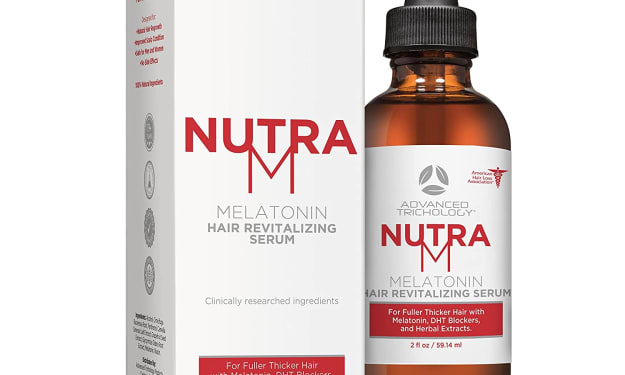
Nutra M: The Melatonin-Based Miracle for Hair Loss and Growth
Nutra M: The Melatonin-Based Miracle for Hair Loss and Growth Are you tired of feeling self-conscious about your thinning hair? Have you tried countless products, only to be disappointed by lackluster results? If so, you're not alone. Hair loss is a common concern for both men and women, and it can be a frustrating and sometimes embarrassing problem to deal with. What if there was a solution that could not only help promote healthy hair growth, but also improve your sleep quality? That's where Nutra M comes in. This innovative product is based on the power of melatonin, a natural hormone that has been shown to have a range of health benefits, including promoting healthy hair growth. In this article, we'll take a closer look at Nutra M and how it could be the key to unlocking a fuller, healthier head of hair.
By Sage Green3 years ago in Longevity
10 Yoga Poses for Stress Relief and Inner Peace
Introduction: In the fast-paced and demanding world we live in, finding moments of tranquility and inner peace is essential for our overall well-being. Yoga, a holistic practice that combines physical postures, breath control, and meditation, offers a pathway to release stress, find balance, and cultivate inner peace. In this article, we will explore 10 yoga poses specifically chosen for their stress-relieving benefits. Get ready to embark on a journey of self-care and discover the transformative power of yoga as we guide you through these calming and rejuvenating postures.
By Ope Akingbade3 years ago in Longevity
STD Testing: How Does It Work?
Sexually transmitted infections (STIs), often known as sexually transmitted diseases (STDs), are widespread. According to the Centers for Disease Control and Prevention (CDC), 68 million persons in the United States have STIs in 2018. Many STIs are likely to go unreported; thus the figure could be higher.
By Amelia Grant3 years ago in Longevity
Unlocking the Secrets of Intermittent Fasting: How to Lose Weight and Improve Your Health
Introduction: Imagine a weight loss method that not only helps you shed unwanted pounds but also improves your overall health and well-being. Intermittent fasting, a practice that has gained significant popularity in recent years, holds the key to unlocking these remarkable benefits. In this article, we will dive deep into the secrets of intermittent fasting, exploring how it can help you achieve weight loss, boost your metabolism, enhance cognitive function, and promote longevity. Get ready to discover the power of this time-tested approach and learn how to incorporate it into your lifestyle for optimal results.
By Ope Akingbade3 years ago in Longevity
Journey to Radiant Wellness
Chapter 1: The Wake-Up Call Amelia woke up one morning feeling tired, drained, and dissatisfied with her overall well-being. Her hectic lifestyle had taken a toll on her health, leaving her feeling disconnected and unfulfilled. Determined to make a change, she embarked on a transformative journey to reclaim her health and rediscover the true essence of vitality.
By Victor Bassey3 years ago in Longevity
7 Powerful Superfoods to Boost Your Immune System and Fight Off Illness
Title: 7 Powerful Superfoods to Boost Your Immune System and Fight Off Illness Introduction: In our fast-paced world, maintaining a strong immune system is crucial for fending off illness and staying healthy. While there is no magical elixir for perfect health, certain superfoods can provide a powerful boost to your immune system. In this article, we will unveil seven potent superfoods that are not only delicious but also packed with essential nutrients and antioxidants. Incorporating these superfoods into your diet can help fortify your body's defenses and enhance your overall well-being.
By Ope Akingbade3 years ago in Longevity
Alcohol Could Help Your Heart by Reducing Stress
Drinking in moderation has long been associated with better heart health, but researchers aren't exactly sure why. The health consequences of alcohol are more obvious and include a higher risk of cancer, neurological aging, and more. So why would alcohol's impact on the heart be different?
By Vital Health News3 years ago in Longevity
If You Are Still Holding Back Your Urine This Is For You
Hello If You Are Still Holding Back Your Urine This Is For You 10 Diseases caused by holding back your urine Holding back urine, also known as urinary retention, can lead to various health problems. While it is generally safe to delay urination for a short period, regularly suppressing the urge to urinate can have negative consequences on your urinary system. In this article, we will explore ten diseases that can be caused by holding back urine. Urinary Tract Infections (UTIs): UTIs occur when bacteria enter the urinary tract and multiply. When you hold back urine for an extended period, bacteria can thrive in the stagnant urine, leading to an increased risk of developing a UTI. Symptoms may include pain or a burning sensation during urination, frequent urges to urinate, cloudy or bloody urine, and abdominal pain. Bladder Infections: Holding urine can also contribute to bladder infections. The bladder is designed to store urine temporarily, but holding it for too long can create an environment favorable for bacterial growth, increasing the risk of infection. Symptoms of bladder infections may include pain in the lower abdomen, frequent urination, and a strong urge to urinate. Kidney Infections: When urine is retained for extended periods, it can provide a breeding ground for bacteria, which can travel up the urinary tract and reach the kidneys, causing a kidney infection. Symptoms may include high fever, back or flank pain, chills, frequent urination, and cloudy or blood-tinged urine. Kidney infections can be severe and require immediate medical attention. Urinary Incontinence: Holding back urine habitually can weaken the muscles of the bladder and pelvic floor, leading to urinary incontinence. This condition manifests as involuntary leakage of urine, often triggered by coughing, sneezing, or sudden movements. It can significantly impact an individual's quality of life and may require interventions such as pelvic floor exercises or medical treatment. Urinary Retention: Regularly resisting the urge to urinate can result in urinary retention, a condition where the bladder fails to empty completely. Urinary retention can be either acute or chronic and can lead to discomfort, pain, and increased susceptibility to urinary tract infections. It may require medical intervention to alleviate the underlying cause and restore normal bladder function. Bladder Stones: Prolonged urine retention can contribute to the formation of bladder stones. When urine remains stagnant in the bladder, minerals and salts can crystallize, forming stones. These stones can obstruct the flow of urine, leading to pain, frequent urination, and blood in the urine. Treatment may involve medication or, in severe cases, surgical removal of the stones. Hydronephrosis: Hydronephrosis is a condition characterized by the swelling of one or both kidneys due to the buildup of urine. Holding back urine can contribute to this condition by causing a blockage in the urinary tract, preventing urine from draining properly. Symptoms may include flank or back pain, urinary urgency, and changes in urine output. Treatment depends on the underlying cause and severity of the condition. Urinary Tract Trauma: Resisting the urge to urinate can potentially lead to urinary tract trauma. When the bladder becomes overfilled, it can stretch beyond its normal capacity, resulting in damage to the bladder muscles or the urinary sphincter. This can lead to urinary incontinence, pain, and discomfort. Interstitial Cystitis: Also known as painful bladder syndrome, interstitial cystitis is a chronic condition that causes bladder pain and frequent urination. Holding back urine can exacerbate the symptoms of this condition, leading to increased pain and discomfort. Treatment options include lifestyle modifications, medications, and bladder instillations. Renal Failure: In severe cases, prolonged urinary retention can contribute to kidney damage and potentially lead to renal failure. When urine is not regularly expelled from the body, toxins and waste products can accumulate, putting excessive strain on the kidneys. Renal failure can have serious consequences for overall health and may require dialysis or a kidney transplant. While occasionally delaying urination may not pose significant health risks, holding back urine regularly can lead to various diseases and complications. It is important to listen to your body's signals and prioritize timely voiding to maintain a healthy urinary system. If you experience any persistent urinary symptoms or concerns, it is advisable to seek medical attention for proper evaluation and guidance.
By Bridget Dyke3 years ago in Longevity