health
Keeping your mind and body in check - popular topics in health and medicine to maintain a long and healthy life.
Beyond the Horizon: Chronicles of the Everlasting
In the annals of human history, few inventions have held the power to reshape the very fabric of existence. Among these, the "Everlasting Horizon" treatment stands as a testament to the boundless potential of human ingenuity and the relentless pursuit of transcending natural limits. This revolutionary breakthrough, born from the confluence of nanotechnology and genetic engineering, promises not only to extend life but also to redefine the essence of humanity itself.
By Alain SUPPINI2 years ago in Longevity
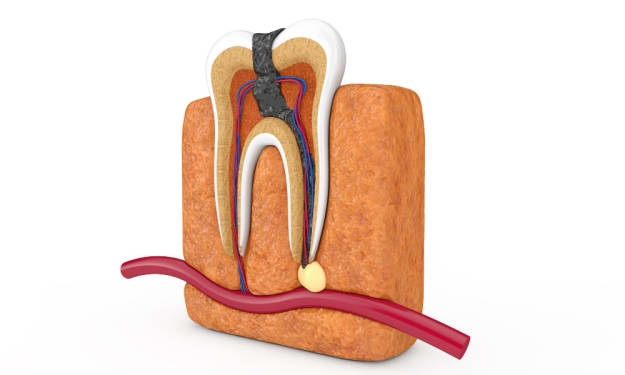
A Complete Guide to Root Canal Therapy: Pain Relief and Restoration. AI-Generated.
A root canal treatment is a reliable way to salvage a tooth with severe decay or infection. While many people connect root canals with pain, the surgery alleviates discomfort while restoring oral health. Thanks to advancements in dental care, modern root canal therapy is more efficient and comfortable than ever before.
By Captivate Dental2 years ago in Longevity
Stress Relief with Anxie-T: A Natural Supplement for a Calm and Focused Mind
Introduction In today’s fast-paced world, managing stress has become an integral part of maintaining overall well-being. The constant demands of modern life can leave us feeling tense, nervous, and mentally drained. This is where Anxie-T, a natural stress relief supplement, steps in to offer a helping hand. Designed to support mood, mental focus, and relaxation, Anxie-T incorporates a blend of scientifically-backed ingredients, including Ashwagandha, Kava Kava, Theobromine, GABA, and L-Theanine. This article will explore the benefits of Anxie-T and how its ingredients work synergistically to promote stress relief.
By Md Obydur Rahman2 years ago in Longevity
30 Days Without Sugar and Carbs
If you are a month without sugar and carbohydrates, you will want to try different things. We all eat sweet things, and we all eat carbohydrates as rice and bread. But do you know what is so good for your body if you do not eat these things for a month? Let's talk about it simply.
By Rohitha Lanka2 years ago in Longevity
The Silent Revolution: How Sleep Transforms Every Aspect of Human Potential
In the relentless pursuit of productivity and success, modern society has declared war on one of our most fundamental biological needs: sleep. We wear our sleep deprivation like badges of honor, boasting about all-nighters and early mornings as if exhaustion were synonymous with dedication. Yet emerging scientific research reveals a profound truth—this cultural glorification of sleeplessness may be the greatest obstacle to achieving the very goals we sacrifice our rest to pursue.
By Paul Claybrook MS MBA2 years ago in Longevity
How U.S. Funding Cuts Threaten Global Progress Against Tuberculosis
Tuberculosis (TB), the world’s deadliest infectious disease, claims over 1.25 million lives yearly. While treatable, global efforts to curb TB now face a critical setback: sudden cuts to U.S. foreign aid are disrupting lifesaving programs, risking thousands of deaths and fueling drug-resistant strains. Here’s what’s happening and why it matters. The Human Cost: Stories of Disrupted Care For Ratna Jamni, a 40 year old in Pakistan recovering from drug resistant TB, home visits from health workers were a lifeline. They provided medication and mental health support until funding froze. Now, she struggles to reach distant clinics. “Every breath feels heavier than the last,” she says. “I wonder if it’s even worth it.” Her story echoes millions. The U.S. Agency for International Development (USAID) once supported TB programs in over 24 high-risk countries, covering testing, treatment, and community outreach. But since January 2024, abrupt funding freezes have halted these services. Aid groups estimate 11,000 additional TB deaths in just two months, with infections projected to surge by 28-32% this year. How Funding Cuts Are Breaking Systems 1. Collapse of Diagnosis and Treatment Lab Networks Shut Down: In Mozambique, half the country can no longer test for TB after losing funding for lab equipment and sample transportation.
By Akrang Raja 2 years ago in Longevity
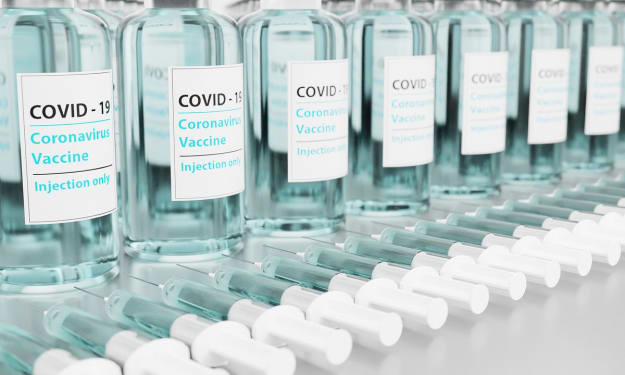
How Mild COVID-19 Impacts Heart Health: What New Research Reveals
Even mild cases of COVID-19 might have a lingering effect on heart health, according to recent research. A study from Brazil highlights how the virus could temporarily disrupt the body’s ability to regulate heart rate, with effects lasting up to six months particularly in older adults. Let’s break down what this means and why it matters. Understanding Heart Rate Variability (HRV) Heart rate variability (HRV) measures the slight changes in time between each heartbeat. A higher HRV typically signals a healthy, adaptable heart that can respond well to stress. It reflects how well the autonomic nervous system the part of the body that controls involuntary functions like breathing and heart rate is working. This system has two branches:Sympathetic (“Fight or Flight”): Activates during stress or danger.Parasympathetic (“Rest-and-Digest”): Helps the body relax and recover. When these systems are balanced, the heart responds smoothly to challenges. But infections like COVID-19 might throw this balance off. The Study: Tracking COVID-19’s Impact Over Time Researchers from Brazilian universities compared adults who had mild COVID-19 with healthy individuals who hadn’t been infected. Here’s how the study worked: Participants: 130 adults were divided into four groups: Group 1 (G1): Tested 1–6 weeks after recovery. Group 2 (G2): Tested 2–6 months after recovery. Group 3 (G3): Tested 7–12 months after recovery. Control Group (CG): Healthy individuals assessed before the pandemic. All COVID-19 survivors had mild symptoms (e.g., cough, fatigue, loss of taste/smell) and didn’t require hospitalization. People with chronic conditions like heart disease or diabetes were excluded. Key Findings: How COVID-19 Affects Heart Health Short-Term Effects (1–6 Months Post-Infection) Reduced HRV: Both G1 and G2 showed lower HRV compared to the control group, indicating their autonomic nervous systems were under stress. Sympathetic Dominance: These groups had higher “fight or flight” activity, linked to faster heart rates and reduced recovery ability.Persistent Symptoms: G1 reported more fatigue, anxiety, and headaches, with 35% having high blood pressure and 41% obesity factors that may worsen HRV. Long-Term Recovery (7–12 Months Post-Infection) Improvement in G3: By 7–12 months, HRV levels began to normalize. This group showed better parasympathetic activity (“rest-and-digest”) and lower stress signals. Age Matters: Older adults experienced slower recovery. For every year of age, HRV recovery time increased slightly. Other Risk FactorStress, obesity, and high blood pressure were linked to poorer HRV outcomes. Vaccination status didn’t significantly impact results, though most unvaccinated individuals were in G1 (early recovery group). Why Does This Happen? COVID-19 is known to cause inflammation, which might disrupt nerve function or damage tissues involved in heart rate regulation. Even after the virus clears, the body’s stress response could remain heightened, especially in older adults or those with pre-existing conditions. What Does This Mean for Long-Term Health? While the study suggests most people recover within a year, the temporary drop in HRV highlights the importance of monitoring heart health post-COVID. Reduced HRV is associated with higher risks of heart disease, anxiety, and fatigue. For vulnerable groups like older adults this could mean: Longer recovery times. Increased need for lifestyle adjustments (e.g., stress management, exercise). Limitations and Future Research This study had a small sample size and didn’t track the same individuals over time. Larger, long-term studies are needed to confirm: How variants or repeat infections affect HRV. Whether lifestyle changes (e.g., meditation, aerobic exercise) speed up recovery. The role of medications in managing post-COVID heart health. Practical Takeaways 1.Monitor Symptoms: If you’ve had COVID-19, watch for dizziness, palpitations, or prolonged fatigue. 2.Prioritize Recovery: Gentle exercise, quality sleep, and stress reduction (e.g., yoga, deep breathing) may support autonomic balance. 3.Consult a Doctor: Those with high blood pressure, obesity, or heart concerns should seek personalized advice. Conclusion Mild COVID-19 can temporarily disrupt the body’s ability to regulate heart rate, with effects lasting several months. However, most people regain normal function within a year. Older adults and those with chronic health issues should be especially mindful of their recovery. As research evolves, these insights remind us that even mild infections deserve attention and that supporting overall health remains key. Further studies will help clarify how to best protect heart health in a post-pandemic world. For now, staying informed and proactive is a great first step.
By Akrang Raja 2 years ago in Longevity
Endometriosis: Is Waiting for Menopause a Viable Strategy
Endometriosis is a persistent and often debilitating gynecological disorder that affects millions of women worldwide. Characterized by the abnormal growth of endometrial-like tissue outside the uterus, it leads to chronic pelvic pain, heavy menstrual bleeding, and, in severe cases, infertility. Given the progressive nature of the condition, many patients wonder whether they can simply endure symptoms until menopause, when declining estrogen levels might naturally alleviate their suffering.
By Jane Smith2 years ago in Longevity
5 Morning Habits That Will Change Your Life Forever
Mornings set the tone for the rest of your day. The way you spend the first few hours after waking up can either empower you or leave you feeling sluggish and unproductive. If you’re tired of feeling rushed, unfocused, or constantly behind schedule, it’s time to adopt a morning routine that fuels success. Think about the most successful people you admire—many of them have strong morning habits that help them stay ahead. The good news? You don’t need to be a CEO or a morning person to build a routine that works for you. These five simple but powerful habits can transform your mindset, boost your energy, and help you achieve your goals. Are you ready to take control of your mornings? Let’s dive in! 1. Wake Up with Purpose (No Snooze Button!) Ever hit the snooze button five times before dragging yourself out of bed? You’re not alone! But did you know that snoozing can actually make you more tired? Instead of giving your body extra rest, it confuses your brain and disrupts your natural sleep cycle. Over time, this habit can lead to grogginess, decreased focus, and even lower motivation. Try this: Place your alarm across the room so you have to physically get up to turn it off. Use a wake-up light or an energizing song to help you rise naturally. Remind yourself why waking up early matters—whether it’s for personal growth, fitness, or productivity. By waking up with purpose, you take control of your day instead of letting it control you. 2. Hydrate Before Anything Else Before reaching for that cup of coffee, drink a glass of water. After hours of sleep, your body is dehydrated, which can lead to fatigue, brain fog, and sluggish digestion. Hydrating first thing in the morning helps jumpstart your metabolism, improve digestion, and flush out toxins. Try this: Keep a bottle of water by your bedside so it’s the first thing you grab in the morning. Add a slice of lemon or a pinch of Himalayan salt for extra detoxifying benefits. Set a goal to drink at least 16 ounces before breakfast. You’ll be amazed at how much more awake and refreshed you feel just by starting your morning with water instead of caffeine. 3. Move Your Body (Even for 5 Minutes!) You don’t have to run a marathon at 6 a.m., but some form of movement is essential for getting your blood flowing and waking up your muscles. Morning exercise releases endorphins, reduces stress, and improves focus, helping you start your day on a high note. Try this: Stretch for five minutes to loosen up stiff joints and improve flexibility. Do 10 push-ups, jumping jacks, or a short yoga session to activate your body. Take a brisk walk outside for fresh air and a natural energy boost. Even the smallest amount of movement can make a huge difference in how you feel for the rest of the day. The key is consistency—find something you enjoy and make it part of your routine. 4. Feed Your Mind with Positivity Your morning mindset shapes your entire day. If you wake up feeling stressed, overwhelmed, or anxious, that energy carries into everything you do. Instead of immediately checking your phone, emails, or news (which can be stressful), take a few moments to feed your mind with something positive and inspiring. Try this: Listen to a motivational podcast or an uplifting audiobook while getting ready. Read a few pages of a self-improvement book or an inspiring biography. Practice gratitude by writing down three things you’re thankful for each morning. Starting your day with a positive mindset helps you stay focused, confident, and motivated, no matter what challenges come your way. 5. Plan Your Day for Success A morning without direction often leads to wasted time and missed opportunities. Taking just a few minutes to plan your day can make you more productive and help you achieve your goals more efficiently. Try this: Write down your top three priorities for the day. Use a planner or a to-do list app to organize your schedule. Visualize yourself completing tasks successfully to build momentum. When you start your day with a plan, you avoid distractions and make the most of your time. Instead of reacting to the day’s events, you take charge and move toward your goals with intention. Your Challenge: Start Tomorrow! You don’t have to overhaul your entire morning routine overnight. Start by choosing just one of these habits and commit to it for a week. Notice how it affects your energy, focus, and overall well-being. Once you’ve mastered one habit, add another. Remember, the key to a life-changing morning routine is consistency. The more you stick with these habits, the easier they become—and the bigger the impact they’ll have on your life. So, which of these habits will you start tomorrow? Let me know—I’d love to hear about your progress and help you along the way!
By Gift Abotsi 2 years ago in Longevity
Your Zodiac Sign Might Be Why You’re Sneezing: Science Accidentally Backs Astrology
Is Your Zodiac Sign Giving You Allergies? Science Says Maybe—The Stars Say “Obviously” If you've ever blamed Mercury in retrograde for your ex texting you or your coffee machine breaking down, you're going to love this: scientists have now given you another cosmic excuse—your birth month might actually be the reason you're sneezing, wheezing, or low-key developing heart problems.
By JAMES TACHYON2 years ago in Longevity