
A Complete Guide to Root Canal Therapy: Pain Relief and Restoration
How This Procedure Saves Your Natural Tooth and Eases Discomfort

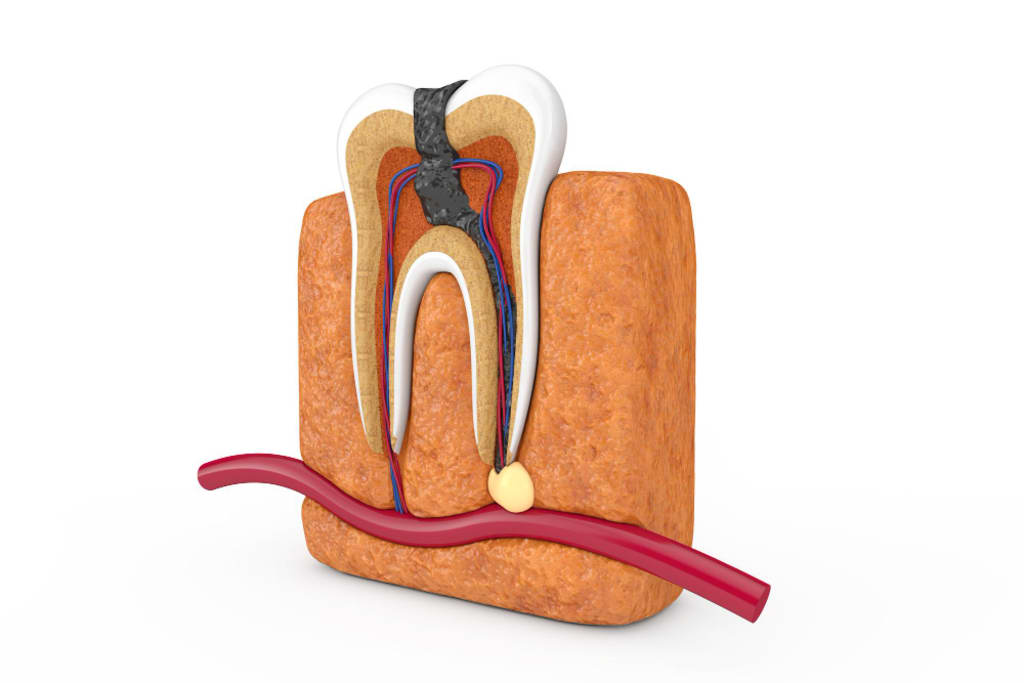
A root canal treatment is a reliable way to salvage a tooth with severe decay or infection. While many people connect root canals with pain, the surgery alleviates discomfort while restoring oral health. Thanks to advancements in dental care, modern root canal therapy is more efficient and comfortable than ever before.
What Is a Root Canal?
A root canal is a surgery designed to treat infection or damage inside a tooth. When the pulp—the soft tissue containing nerves and blood vessels—becomes inflamed or infected, it can cause intense pain and even lead to abscesses. This treatment involves removing the infected tissue, thoroughly cleansing the area, and sealing the tooth to prevent further problems.
Why Do Teeth Get Infected?
Several factors can lead to an infection requiring a root canal:
- Deep Decay: Untreated cavities let bacteria go deep into the tooth.
- Cracks or Chips: A broken tooth creates an entry point for bacteria.
- Repeated Dental Procedures: When the same tooth has several treatments, its structure may deteriorate and become more susceptible.
- Injury or Trauma: A physical impact, even without visible damage, can compromise the tooth's health.
Signs You Might Need a Root Canal
Recognising the warning signs can help prevent complications. Symptoms include:
- Continuous toothache, particularly while pressing or chewing.
- Sensitivity that persists following exposure to extremes of temperature.
- Swollen or sensitive gums surrounding a particular tooth.
- Darkening or discolouration of the affected tooth.
- A pimple-like bump on the gums, which could indicate an abscess.
If you experience these symptoms, visiting a dentist promptly is best.
The Root Canal Procedure
Knowing what occurs during a root canal can reduce fear of the procedure.
- Diagnosis and X-rays: The dentist takes X-rays to assess the extent of the infection.
- Local Anaesthesia: The area around the tooth is numbed to ensure comfort.
- Access Opening: The diseased pulp is accessed by creating a tiny hole in the tooth.
- Cleaning and Shaping: The diseased tissue is removed, and the inner canal is cleaned and shaped.
- Filling and Sealing: After filling the space with biocompatible material, the area is sealed off to stop future infections.
- Restoration: In most situations, crown placement on top of the treated tooth restores strength and functionality.
Does a Root Canal Hurt?
Root canal therapy is not painful, despite what many people think. With modern anaesthesia and advanced techniques, most patients experience minimal discomfort—often comparable to getting a filling. The primary goal is to eliminate pain caused by infection, making the procedure a relief rather than a source of distress.
Benefits of Root Canal Therapy
There are various benefits to choosing a root canal over tooth extraction.
- Pain Relief: Eliminates infection-related discomfort.
- Tooth Preservation: Keeps your natural tooth intact, avoiding the need for replacement options.
- Improved Oral Health: Helps stop infections from getting to nearby teeth.
- Restored Function: Allows normal chewing and biting without discomfort.
- Aesthetic Preservation: Helps maintain a natural-looking smile.
Post-Treatment Care and Recovery
Following the operation, moderate discomfort or sensitivity is typical. Your dentist might suggest over-the-counter painkillers and advise you to refrain from chewing on the side that has been treated until a permanent repair is in place.
To ensure a smooth recovery:
- Stick to soft foods for a few days.
- Maintain regular oral hygiene, but be gentle around the treated tooth.
- Attend follow-up visits to monitor healing and get a permanent crown if needed.
- Proper maintenance allows tooth survival throughout a lifetime after receiving root canal treatment.
Alternatives to Root Canal Therapy
Extraction may be the only option if a tooth is too damaged for a root canal. In such cases, dental implants, bridges, or partial dentures can replace the missing tooth. However, the greatest option for long-term oral health is frequently to preserve your native tooth with root canal therapy.
When to Seek Professional Help
Seek dental evaluation from your dentist whenever root canal treatment symptoms persist or combine with swelling or uncharacteristic issues. While complications are rare, addressing any concerns early can prevent further problems.
Final Thoughts
Root canal therapy efficiently relieves tooth pain by preserving the damaged tooth structure. Modern dental techniques make the procedure more comfortable and successful than ever.
If you’re looking for or considering professional root canal treatment in Cheltenham, our dental team is here to help. Make an appointment today to restore your smile and relieve your pain!
About the Creator
Captivate Dental
Captivate Dental your trusted family dentists in Cheltenham providing advanced dentistry and same day emergency care. Call us on (03) 9553 1249 today!
Enjoyed the story? Support the Creator.
Subscribe for free to receive all their stories in your feed.
Comments
There are no comments for this story
Be the first to respond and start the conversation.