grief
Grief is a natural and healthy response to death and loss of all kinds. Learn how to cope with the emotional pain, move forward and reclaim your happiness.
The Best Substitutes For Meat
Meat is a staple in many diets, but with the growing concern for animal welfare, health, and environmental sustainability, more and more people are seeking alternatives. Fortunately, there are plenty of meat substitutes available that offer similar taste, texture, and nutrition. Here are some of the best meat substitutes:
By Kaan Vural4 years ago in Longevity
What Are the Best Prostate Cancer Treatment Options for Me?
About 1 in 8 men in the United States will be diagnosed with prostate cancer in their lifetime. Many treatments have been developed for prostate cancer, but the best treatment for you will depend on the stage of your cancer, how severe it is, and other factors such as your age. Prostate cancer is highly curable with a five-year survival rate of nearly 97%. But before starting treatment, it is important to discuss your options with a doctor or health professional. Some treatments are more aggressive than others, but most will have side effects. Let's learn more about your treatment options and how best to weigh the pros and cons of each. What influences prostate cancer treatment options?
By Hafsa Hameed4 years ago in Longevity
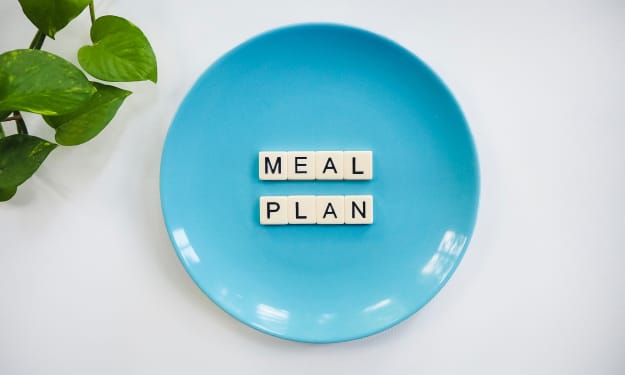
MEAL PLAN
Meal planning is a simple and effective way to take control of your health and nutrition. By planning out your meals in advance, you can ensure that you are consuming a balanced diet that meets all of your nutritional needs. In this article, we will outline a one-week meal plan that is both delicious and nutritious.
By Kaan Vural4 years ago in Longevity
Healthy Lifestyle and Diet
The concept of healthy and balanced nutrition; A healthy and balanced diet is a diet that aims to meet the body's daily energy, protein, vitamin and mineral needs. It is important that the foods consumed in this way are varied, natural and unprocessed as much as possible. A healthy diet is not only limited to losing weight or weight control, but also aims to lead a healthy and long life.
By eReaders' Retreat4 years ago in Longevity
What is prostate cancer?
Cancer begins when cells in the body begin to grow out of control. Cells from almost any part of the body can become cancer cells and spread to other parts of the body. To learn more about cancer and how it starts and spreads, see what is cancer? Prostate cancer begins when the cells in the prostate gland begin to grow out of control. The prostate is a gland found only in men. It makes some liquid which is part of the semen.
By Hafsa Hameed4 years ago in Longevity
The 5 Best Weight Loss Tips if You’re Over 40
Introduction You’re over 40, and you’re carrying around a few extra pounds you’d like to lose. You’re not alone. According to the Centers for Disease Control and Prevention, more than one-third of Americans over the age of 20 are obese. And while there are plenty of weight loss tips out there, not all of them are effective for people over 40.
By Hafsa Hameed4 years ago in Longevity
Building Strong Relationships: A Guide to Personal Growth
I. Introduction: The first step in building strong relationships is understanding what they are. Strong relationships are characterized by mutual respect, trust, and open communication. They are built on a foundation of shared values and experiences, and they provide a sense of security, stability, and fulfillment. In a strong relationship, both partners feel supported, valued, and heard. Relationships are a vital part of personal growth and development. Building strong relationships can help you feel more connected and fulfilled in your personal and professional life. Strong relationships can also provide a source of support and guidance, help you develop new skills, and challenge you to grow and improve. This guide will cover the key elements of building strong relationships, including understanding yourself, improving communication skills, building and maintaining strong relationships, and incorporating healthy habits and patterns. By following the tips and guidance outlined in this guide, you will be able to cultivate strong, meaningful relationships that support your personal growth and development. II. Understanding Yourself: A. Self-awareness and introspection: To build strong relationships, it's important to start by understanding yourself. This involves engaging in self-reflection and becoming more aware of your own thoughts, feelings, and motivations. This can help you gain a better understanding of your strengths and weaknesses, and identify areas where you may need to work on personal growth. B. Identifying personal values and boundaries: Understanding your personal values and boundaries is essential to building strong relationships. Your values and boundaries define what is most important to you, and help you to communicate your needs and expectations in relationships. By identifying your values and boundaries, you can make sure that the relationships you build align with your personal goals and priorities. C. Understanding triggers and emotional responses: It's also important to understand your triggers and emotional responses in relationships. Triggers are situations or events that cause a strong emotional reaction, and understanding them can help you avoid or manage these responses in a healthy way. By becoming more self-aware and understanding your emotional responses, you can improve your ability to communicate effectively and build stronger, more fulfilling relationships. III. Communication Skills: A. Active listening and empathy: Good communication is the foundation of strong relationships. Active listening and empathy are two key components of effective communication. Active listening involves paying close attention to what the other person is saying, and taking the time to truly understand their perspective. Empathy involves putting yourself in the other person's shoes, and being able to understand and respond to their feelings. By practicing active listening and empathy, you can build stronger, more fulfilling relationships. B. Assertiveness and clear communication: In addition to active listening and empathy, it's also important to communicate clearly and assertively. This means expressing your thoughts and feelings in a clear and direct manner, without being aggressive or passive. By being assertive and clear in your communication, you can build mutual respect and understanding in your relationships, and avoid misunderstandings and conflicts. C. Resolving conflicts effectively: Conflict is a normal part of any relationship, and it's important to have the skills to resolve conflicts effectively. This involves learning to listen to each other's perspectives, finding common ground, and working together to find a solution that meets everyone's needs. By resolving conflicts effectively, you can strengthen your relationships, build trust and respect, and improve your ability to work through challenges and obstacles. IV. Building Strong Relationships: A. Developing healthy habits and patterns: Building strong relationships involves developing healthy habits and patterns of behavior. This includes being intentional about making time for your relationships, being present and engaged in conversations, and showing affection and appreciation for the people you care about. By developing healthy habits and patterns, you can build deeper connections and strengthen the bonds you have with others. B. Maintaining emotional intimacy: Emotional intimacy is an important part of building strong relationships. This involves sharing your thoughts, feelings, and experiences with others, and creating a safe and supportive environment where you can be vulnerable and open. Maintaining emotional intimacy requires active effort and investment, but it is essential for building deep, meaningful relationships. C. Foster trust and respect: Trust and respect are the cornerstones of strong relationships. Trust allows you to rely on and confide in others, while respect involves treating others with dignity and consideration. By fostering trust and respect in your relationships, you can create a safe and supportive environment where both partners feel valued and appreciated. By building trust and respect, you can also create a foundation for mutual understanding and cooperation, and improve your ability to work through challenges and conflicts. V. Maintaining Strong Relationships: A. Making time for and prioritizing relationships: Maintaining strong relationships requires effort and commitment. Making time for and prioritizing your relationships is an important part of this process. This involves being intentional about spending quality time with the people you care about, and taking steps to prioritize your relationships when life gets busy or stressful. By making time for and prioritizing your relationships, you can deepen your connections and strengthen your bonds with others. B. Navigating changes and challenges: Relationships are dynamic, and changes and challenges are a normal part of the process. Navigating these changes and challenges effectively is essential for maintaining strong relationships. This involves being open and flexible, being willing to adapt to new circumstances, and being willing to work together to find solutions that meet everyone's needs. C. Being flexible and open-minded: Being flexible and open-minded is important for maintaining strong relationships. This means being willing to try new things, being open to new perspectives and experiences, and being willing to change your own behavior in response to feedback and constructive criticism. By being flexible and open-minded, you can create a more dynamic and fulfilling relationship, and you can continuously grow and improve together. VI. Conclusion: In this guide, we have explored the importance of building strong relationships for personal growth, and the steps you can take to achieve this goal. We have looked at the importance of self-awareness and communication skills, and the ways you can develop these skills to improve your relationships. We have also looked at the steps you can take to build and maintain strong relationships, including making time for and prioritizing your relationships, being flexible and open-minded, and navigating changes and challenges together. Building strong relationships is an ongoing process that requires effort and commitment. This guide is just the beginning of your journey, and there is always more you can do to continue growing and improving. We encourage you to continue working on your personal growth, and to keep seeking new opportunities to deepen your connections and strengthen your relationships. Building strong relationships is one of the most important things you can do for your personal growth and well-being. Strong relationships provide us with support, love, and a sense of belonging, and they can help us to overcome life's challenges and difficulties. By putting in the effort to build strong relationships, you can create a rich and fulfilling life, filled with meaningful connections and deep, lasting bonds.
By Aravind 17074 years ago in Longevity