fitness
Fitness regimes, advice, and trends in the Longevity health and wellness sphere.
The stress of the swimwear test
With the arrival of the warmer season, millions of people, especially women, begin to experience what is known as "swimwear test stress." This psychological phenomenon is most felt after holidays like Easter, when rich and abundant foods have been consumed more freely, and our bodies may sometimes fail to match the image we had of them before the holidays. The "swimwear test" is not merely a superficial experience tied to a piece of clothing; it is a true rite of passage that marks an encounter between our self-perception and the reflection returned to us by the mirror. The body, which is often the first vehicle with which we present ourselves to the world, becomes an object of judgment and criticism, not only from external people but also from ourselves.
By Halina Piekarska (UltraBeauty Blog)2 years ago in Longevity
Smart Snacking: Easy and Nutritious Low-Carb Options for All-Day Energy
When hunger strikes between meals, reaching for sugary snacks or drinks might seem like a quick fix. But these choices often lead to energy crashes, leaving you more tired and hungry. Instead, opting for low-carb snacks can keep your energy steady, provide essential nutrients, and help you avoid overeating later. Let’s explore simple, healthy options to keep you fueled throughout the day. Why Choose Low-Carb Snacks? Low-carb snacks focus on whole, minimally processed foods rich in protein, fiber, and healthy fats. These nutrients help you feel full longer, stabilize blood sugar, and prevent the energy rollercoaster caused by sugary treats. Experts recommend snacks with 5 grams of carbs or less per serving, paired with protein or fiber for maximum satisfaction. What to Avoid in Low-Carb Snacking Not all snacks labeled “healthy” are carb-friendly. Steer clear of:
By Akrang Raja 2 years ago in Longevity
What Happens to Your Body
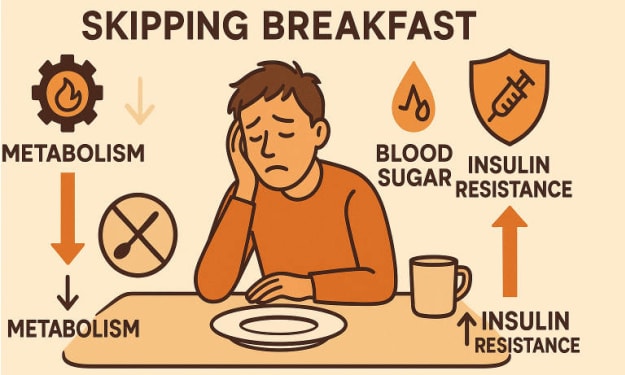
Breakfast has long been considered the most important meal of the day, but what happens if you stop eating it for 30 days? I find this question quite interesting since many people (including myself sometimes) skip breakfast for various reasons.
By Pauline Brown2 years ago in Longevity
7-Day High-Protein Mediterranean Diet Plan to Lose Visceral Fat and Boost Your Health
If you're tired of stubborn belly fat that won't budge no matter what you try, it’s time to rethink your approach. A high-protein Mediterranean diet isn't just delicious — it's scientifically proven to help reduce dangerous visceral fat while keeping you energized and satisfied. In this 7-day meal plan, you'll discover exactly what to eat to target belly fat naturally, boost your metabolism, and feel your best without cutting out the foods you love.
By Tech Horizons2 years ago in Longevity
The Secret to a Longer Life May Lie in Your Plate: Why Plant-Based Protein Matters More Than You Think
In today's fast-paced world, where people are constantly searching for the next big thing in health and longevity, a new study has unveiled a simple yet powerful truth: the type of protein you eat could significantly impact how long you live. Recent research has shown that choosing plant-based proteins over animal proteins, especially red and processed meats, could increase your lifespan. This finding supports a growing body of evidence suggesting that what you put on your plate today can determine your health decades into the future. The Study Behind the Buzz The study, recently discussed by EatingWell, tracked the dietary habits of thousands of individuals over several decades. Researchers examined how different sources of protein affected overall mortality rates. What they found was compelling: people who consumed more plant proteins lived longer compared to those whose diets relied heavily on animal-based proteins. Notably, individuals who regularly consumed legumes, nuts, seeds, and whole grains had a significantly lower risk of death from all causes, including heart disease and cancer. In contrast, high consumption of red meat and processed meats like bacon, sausage, and deli meats was associated with a higher risk of premature death. Why Plant-Based Protein Promotes Longevity The magic of plant proteins isn't just in the protein itself but in the nutritional package that comes with it. Plant-based protein sources are rich in fiber, antioxidants, vitamins, minerals, and healthy fats. These nutrients work together to reduce inflammation, improve heart health, stabilize blood sugar levels, and even lower cancer risk. On the flip side, many animal proteins—particularly red and processed meats—come bundled with saturated fats, cholesterol, and potentially harmful preservatives. Over time, these compounds can increase inflammation, damage blood vessels, and raise the risk of chronic illnesses that shorten lifespan. Fiber, in particular, plays a vital role. Unlike animal products, plant foods are naturally rich in fiber, which helps regulate digestion, supports a healthy gut microbiome, and contributes to lower cholesterol levels—all factors associated with longer, healthier lives. It's Not About Going Vegan Overnight One important takeaway from this research is that you don't have to give up all animal products to benefit. Even small changes, like swapping a few meat-based meals each week for plant-forward dishes, can make a noticeable difference over time. For example, you could: Replace ground beef with lentils or black beans in tacos. Choose a chickpea salad sandwich instead of ham.Swap your morning eggs with a tofu scramble or overnight oats with almond butter. Flexitarian diets, where plant-based meals dominate but occasional meat or fish is still enjoyed, are becoming increasingly popular—and science now shows that even a partial shift can boost longevity. Specific Plant Proteins That Boost Health Not all plant proteins are created equal. Some particularly powerful options include: Lentils: Packed with protein, fiber, and iron, they’re a heart-healthy alternative to beef. Chickpeas: Versatile and nutrient-rich, ideal for salads, soups, and hummus. Quinoa: A complete protein that contains all nine essential amino acids. Almonds and walnuts: High in healthy fats and protein, excellent for heart and brain health. Tofu and tempeh: Great meat substitutes loaded with protein and essential minerals. Incorporating a variety of these foods ensures you’re getting a full spectrum of amino acids, along with a wide range of other health-supportive nutrients. Rethinking Protein: Quality Over Quantity In the past, the focus was largely on getting enough protein. But today, the conversation has shifted toward getting the right kind of protein. Most Americans already consume more than enough protein daily; the real issue is the source. By shifting your mindset from "how much" to "where from," you align your eating habits with the latest science showing that quality trumps quantity when it comes to protein and health. A New Approach to Meal Planning Making the switch doesn't have to be overwhelming. Here are a few simple strategies: Start with one plant-based meal per day. Batch cook grains and legumes at the start of the week for easy meals. Explore global cuisines—many cultures, like Mediterranean, Indian, and Thai, naturally feature plant proteins. Experiment with meatless versions of your favorite dishes. Meal prepping and trying new recipes can make this journey exciting rather than restrictive. Final Thoughts: Small Changes, Big Impact The takeaway from this groundbreaking study is clear: your dietary choices today have a profound effect on your health tomorrow. By incorporating more plant-based proteins into your meals, you’re not just eating for energy—you’re eating for longevity, vitality, and a better quality of life. You don't need to become a strict vegan or swear off your favorite steak forever. Instead, think of it as an opportunity to expand your menu, discover delicious new foods, and give your body the tools it needs to thrive for years to come. In the end, health isn't about perfection—it’s about progression. Every plant-powered choice is a step toward a longer, healthier, and more vibrant life.
By Tech Horizons2 years ago in Longevity
3 Best Supplements to Build Muscle FAST — That Most People Overlook
If you’ve been killing it in the gym but still not seeing the size, strength, or definition you want… You’re not alone. The truth is, most people hit a plateau because they’re missing key nutrients their body NEEDS to build lean muscle. And worse, they’re wasting money on overhyped supplements that don’t deliver.
By Rukka Nova2 years ago in Longevity