fitness
Fitness regimes, advice, and trends in the Longevity health and wellness sphere.
How Leadership Can Be Improved With Endurance Training
About 5 years ago, I began to see a problem with Leadership Programs that Existed at the time. It started with the statistic that 80% of Leadership Development Programs Failed to have any Impact, with "Limited Success" the rest of the time.
By H.E. Dr. Cody Dakota Wooten, COIE, DFM, DHM2 years ago in Longevity
The Heartbeat Paradox: Order Within Chaos
The heart, revered across cultures as a symbol of life and emotion, beats relentlessly throughout our lives, fueling every cell in our body with oxygen and nutrients. Its rhythmic pulse, often taken for granted, belies a profound complexity that governs its function. Have you ever paused to ponder what truly happens during a heartbeat? Beyond its outward simplicity lies a symphony of precise electrical signals and coordinated muscular contractions, orchestrating the intricate dance known as the cardiac cycle. This journey into the depths of the cardiac cycle will uncover the hidden order within what may seem like chaotic activity, and unveil the secrets captured in the intricate tracings of the electrocardiogram (ECG), revealing the heartbeat's remarkable essence.
By Mojalefa Mokoena2 years ago in Longevity
Heart Health: Busting Myths and Sharing Truths
"Outsmarting Heart Attacks with Science and Common Sense" When it comes to heart health, myths abound. From diet fads to misconceptions about symptoms, it's time to set the record straight. Join us as Dr. Eugenia Giannis and Dr. Vanita Shah, leading cardiologists, debunk common heart health myths and share essential tips for keeping your ticker in top shape.
By Mojalefa Mokoena2 years ago in Longevity
Walking will reduce cholesterol. AI-Generated.
Strolling, a straightforward and open type of activity, has various medical advantages, one of which is diminishing cholesterol levels. Elevated cholesterol is a critical gamble factor for cardiovascular illnesses, including respiratory failures and strokes. Taking on an ordinary strolling routine can assume a crucial part in overseeing cholesterol and working on in general cardiovascular wellbeing. Here is an extensive glance at how strolling decreases cholesterol, the science behind it, and commonsense tips to incorporate strolling into your regular routine.
By Rima Khatun2 years ago in Longevity
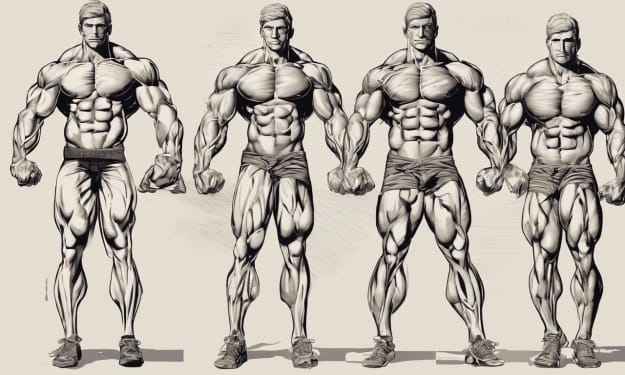
The Ultimate Six Workouts for God-Like 6 Pack Abs
Achieving god-like 6 pack abs is a journey that demands not only hard work but also an understanding of the right techniques that can sculpt your body to perfection. While many chase this pinnacle of fitness, only those armed with consistency and patience truly witness the transformation. The path to carving out that desirable six-pack is laden with challenges, yet it remains an achievable dream for those who dare to persist. Whether you're a novice embarking on your fitness journey or an experienced athlete looking to refine your abs, the importance of targeted workouts cannot be overstated. This article is designed to guide you through the ultimate six workouts specialized for developing your upper abs, lower abs, and obliques. Each section, from meticulous leg raises that challenge your lower abs to Russian twists that engage and sculpt your obliques, has been crafted to ensure a comprehensive approach to six-pack training. Moreover, an exploration into planks and advanced techniques will provide the tools needed to enhance your core strength further. Embark on this roadmap to achieving 6 pack abs, where every exercise is a step closer to realizing your fitness aspirations. Upper Abs Workouts Crunch Reach Throughs Start by lying flat on your back with one leg up, and focus on reaching through your leg to emphasize your upper abdominals. This movement not only targets the core but also enhances your upper abs' strength and definition. V-Ups The V-up is an excellent exercise for your upper and lower abdominals. Lie on your back with your arms and legs extended. Engage your core and lift your body to form a 'V' shape. This exercise is pivotal for building core stability, which aligns your pelvis and spine, improving posture and reducing lower back pain. Sit-Ups Sit-ups are a fundamental exercise for strengthening the rectus abdominis and obliques. Start with your back flat and knees bent. As you lift your torso, ensure your core is engaged and avoid pulling on your neck. For an effective workout, incorporate various repetitions based on your fitness level, enhancing core strength and flexibility. Lower Abs Workouts Leg Raises Leg raises are a potent exercise for targeting your entire core, especially the lower abs, hip flexors, and obliques. Begin by lying flat on your back, pressing your lower back into the floor to avoid strain. Lift your legs straight up, then lower them without touching the floor, keeping movements slow and controlled for maximum effectiveness. Flutter Kicks Flutter kicks are excellent for hitting your lower abs. Lie on your back with legs extended and slightly raised above the ground. Perform quick, alternating leg movements, maintaining a rigid core throughout the exercise. This not only helps in building core strength but also enhances your lower abdominal muscle endurance. Mountain Climbers Mountain climbers combine core strengthening with a cardiovascular workout, making them a multifaceted exercise for your lower abs. Set up in a high plank position and alternate driving your knees towards your chest. Ensure your core is engaged and your movements are swift to maximize the impact on your lower abs while also boosting your heart rate. Oblique Workouts Russian Twists Begin your oblique workouts with Russian Twists, an excellent exercise for building core and shoulder strength. Sit on the floor with bent knees, lean back slightly, and lift your feet if possible. Twist your torso from side to side, holding a weight for added resistance. This movement not only targets your obliques but also engages your entire core, including the deep abdominal muscles. Side Planks Next, incorporate Side Planks to further strengthen your obliques. Lie on your side with your feet stacked and your forearm on the ground. Lift your hips to form a straight line from head to feet, holding the position to engage the core and obliques effectively. This exercise is pivotal for improving balance and core stability, making it a staple in many athletes' routines. Bicycle Crunches Finish with Bicycle Crunches, a dynamic move that activates multiple core muscles. Lie on your back with hands behind your head and legs in a tabletop position. Alternately bring your elbow to the opposite knee, mimicking a cycling motion. This exercise is particularly effective for the obliques and helps in developing a strong, toned midsection. Planks and Advanced Techniques Traditional Planks Traditional planks are fundamental for building core strength and stability. A well-executed plank engages multiple muscle groups simultaneously, including your shoulders, glutes, and hamstrings, in addition to your entire core 36. To perform a traditional plank, ensure your forearms are on the ground and your body is in a straight line from your shoulders to your heels. Focus on maintaining a neutral spine and engaging your core to prevent your hips from sagging or lifting too high. Plank Variations To enhance your core workout, incorporate plank variations. Start with easier modifications like the knee plank if you're a beginner, gradually progressing to more challenging versions such as the forearm plank and side plank 37. Advanced techniques include dynamic movements like plank jacks and shoulder taps, which integrate additional muscle groups and increase the intensity of the workout. Ab Vacuum Technique The Ab Vacuum Technique focuses on the transversus abdominis, your deepest abdominal muscle, which plays a crucial role in core stability and spine support. This technique involves pulling your stomach in towards your spine and holding the contraction, which can also help in achieving a slimmer waistline over time 40 41. Practice this technique in various postures, from standing to lying down, to fully engage and strengthen this essential muscle group. Conclusion Through the meticulously structured workouts detailed above, from the upper abs exercises that sharpen and define to the lower abs workouts that build strength and endurance, and not forgetting the targeted efforts for obliques, the journey to achieving god-like 6 pack abs becomes less of a daunting challenge and more of a structured pathway to success. The incorporation of planks and the insightful inclusion of advanced techniques further arm the aspirant with a holistic arsenal for core development. The roadmap laid out is comprehensive, guiding every step toward the pinnacle of abdominal sculpting, ensuring that the goal of achieving a defined, strong midsection is within reach for those who commit with patience and diligence. The lessons drawn from this exploration emphasize not only the diversity of exercises essential for comprehensive core development but also the importance of consistency, technique, and progress tracking. The strategies discussed underscore the significant role of dedication in sculpting one’s physique and the importance of a holistic approach in fitness, where the combination of proper nutrition, adequate rest, and well-planned workouts converge to unveil the coveted 6 pack abs. As this guide illuminates the path, it invites readers to embark on this transformative journey, suggesting further research and personalized routine adjustments to fine-tune their approach towards achieving their ultimate fitness goals, thereby not just dreaming of god-like abs but making them a reality. FAQs Q: What exercises constitute the most effective workout for six-pack abs? A: The best workout for achieving six-pack abs includes a variety of exercises: Reverse Crunches: Perform 2-3 sets of 15-20 reps using your bodyweight. High To Low Cable Woodchoppers: Do 2-3 sets of 10-15 reps per side. Weighted Crunches: Complete 2-3 sets of 10-15 reps. Serratus Jabs: Aim for 2-3 sets of 10-15 reps. Q: What are the fastest ways to develop a six-pack? A: To quickly develop a six-pack, follow this three-step guide: Diet Adjustment: Lower your body fat percentage by checking your diet. Increase Cardio: Engage in cardiovascular exercises to help reduce body fat. Core Strengthening: Build your core with exercises like heel taps, leg lowers, side plank dips, Russian twists, and oblique crunches. Q: How can one achieve all six abdominal muscles visibly? A: Achieving a visible six-pack is not an overnight process but can be accelerated by combining regular exercise with a healthy diet. Focus on diversifying your abdominal workouts with exercises like crunches and planks. Q: What are the most intense exercises for the abs? A: Some of the hardest ab exercises include: Dragon Flag: Lie faceup on a bench, grabbing the bench by your ears with your elbows bent. Cross-Climber With Feet on Swiss Ball Medicine-Ball V-Up Standing Barbell Rollout Swiss-Ball Jackknife With Push-Up Front Lever Turkish Get-Up
By Victor Chiedozie 2 years ago in Longevity
Drinks You Should Take to Clean Your Stomach
Drinks You Should Take to Clean Your Stomach Maintaining digestive health is crucial for overall well-being. One effective way to promote a healthy digestive system is by consuming drinks that help cleanse the stomach. Here are some beneficial drinks to include in your diet:
By Abbas Usman Maishanu2 years ago in Longevity
Unlocking the Secrets to Reversing Kidney Diseases. AI-Generated.
Understanding the Alarming Rise of Kidney Diseases Worldwide Chronic kidney disease (CKD) is a major public health concern, affecting millions of people worldwide. According to the latest statistics, around 10% of the global population is living with some form of kidney disease. In the United States alone, an estimated 37 million adults are affected by CKD, and millions more are at risk due to various factors. The prevalence of kidney failure, also known as end-stage renal disease (ESRD), has been steadily increasing over the past decades. In the United States, the number of people with ESRD has more than doubled since the 1990s, with over 800, 000 individuals currently receiving dialysis or living with a kidney transplant. The risk factors for kidney disease are numerous and include diabetes, high blood pressure, cardiovascular disease, obesity, and a family history of kidney problems. Diabetes and hypertension are the leading causes of CKD, accounting for over two-thirds of all cases. Alarmingly, the increasing rates of obesity and sedentary lifestyles are contributing to the rise in these risk factors, further exacerbating the burden of kidney disease. Early detection and management of CKD are crucial in slowing the progression of the disease and preventing complications. However, many individuals with CKD remain undiagnosed due to the lack of specific symptoms in the early stages. Regular screening and awareness campaigns are essential to identify those at risk and initiate timely interventions. The economic and societal costs associated with kidney disease are staggering. The treatment of ESRD alone accounts for a significant portion of healthcare expenditures in many countries. Moreover, the impact on individuals' quality of life and productivity cannot be understated, as kidney disease often leads to disability, reduced employment opportunities, and a decreased overall well-being. Addressing the global burden of kidney disease requires a multi-faceted approach involving public health initiatives, policy changes, and collaborative efforts from healthcare professionals, researchers, and policymakers. Promoting healthy lifestyles, early screening, and access to quality care are crucial steps in combating this growing public health crisis.
By Robert Okello2 years ago in Longevity
Wild Wisdom: Unlocking the Power of Turmeric, Nature's Miraculous Pain-Relieving Secret
In the vast, lush landscapes where nature's secrets lie hidden, one vibrant golden root has stood the test of time, revered for its remarkable healing properties. Turmeric, often called "Nature's Gold," is more than just a spice that adds color and flavor to culinary delights. It is a miraculous pain-relieving secret, steeped in centuries of wisdom and tradition. Today, modern science is catching up to what ancient healers have known all along: turmeric is a potent ally in the battle against pain and inflammation.
By Mohit Rana2 years ago in Longevity
Unlock the Power of Nature: The Surprising Pain-Relieving Properties of Wild Lettuce
In the quest for natural remedies, wild lettuce has emerged as a surprising hero. Known scientifically as Lactuca virosa, this unassuming plant has been revered for its pain-relieving properties for centuries. Often overshadowed by more well-known herbal treatments, wild lettuce is now regaining its place in the spotlight. Its analgesic and sedative qualities offer a natural alternative to over-the-counter and prescription medications, making it an appealing option for those seeking relief from pain and anxiety without the side effects associated with pharmaceutical drugs.
By Mohit Rana2 years ago in Longevity
Surviving the Superbugs: The Power of Stockpiling Antibiotics
The sun dipped below the horizon, casting long shadows across the town of Riverton. In the growing twilight, Dr. Emily Carson locked the door to her clinic, her mind heavy with the day's troubling events. Riverton had always been a peaceful town, nestled between rolling hills and serene rivers, but now it faced an invisible, deadly threat: antibiotic-resistant superbugs. Dr. Carson had seen the warnings in medical journals for years. The overuse and misuse of antibiotics had led to the evolution of bacteria that could withstand even the most potent medications. Yet, she never imagined that Riverton, with its close-knit community and old-fashioned values, would become ground zero for an outbreak. It started with a few isolated cases of infections that didn’t respond to standard treatments. Then, it spread like wildfire. Children, the elderly, and even healthy adults were falling ill. Hospitals in the nearest city, hours away, were overwhelmed. Riverton was on its own. As the town’s only doctor, Emily felt the weight of the world on her shoulders. She knew that if they didn’t act quickly, they would be looking at a full-blown epidemic. Her mind raced back to a conversation she had with her mentor years ago. "Always be prepared, Emily," Dr. Hargrove had said. "You never know when you'll face a crisis. Stockpile essential medicines, especially antibiotics. They can mean the difference between life and death." Emily had taken his advice to heart. Over the years, she quietly built up a reserve of antibiotics, storing them safely in a climate-controlled room at the back of her clinic. She checked their expiration dates religiously, rotating stock to ensure freshness. This hoard, once a precaution, was now their best hope. She called an emergency meeting at the town hall. The residents of Riverton, faces etched with worry and fatigue, packed the small room. Emily stood before them, her heart pounding. "We're facing a crisis unlike anything we've ever seen," she began. "The infections spreading through our town are caused by bacteria resistant to most of our antibiotics. But there is hope. Over the years, I've been stockpiling antibiotics for emergencies just like this." A murmur of relief swept through the crowd, but Emily raised a hand to silence them. "We must use them wisely. Misuse could lead to even greater resistance. I need everyone to follow my instructions exactly." Emily divided the antibiotics based on the severity of infections and individual needs. She trained volunteers to help administer the medications and monitor patients. The town mobilized, each person playing a crucial role in the survival plan. Days turned into weeks, and the tension in Riverton was palpable. Every cough, every fever spike was met with fear. Emily barely slept, moving from house to house, checking on the sick, adjusting treatments, and providing reassurance. Her husband, Mark, and their teenage son, Jake, took on the roles of delivery runners, bringing supplies to those too ill to leave their homes. One night, as Emily sat in her clinic, exhaustion threatening to overtake her, she received a call from the city hospital. Dr. Hargrove was on the line. "Emily, I've heard about Riverton's situation. How are you holding up?" Emily filled him in on their efforts and the use of the stockpiled antibiotics. Dr. Hargrove listened intently. "You're doing everything right," he said. "But you can't do it alone. I'm organizing a team to bring more supplies and help. Hold on just a little longer." True to his word, a week later, a convoy of medical professionals and supplies arrived in Riverton. They brought fresh antibiotics, medical equipment, and, most importantly, reinforcements for the weary town. With the additional help, the tide began to turn. The combined efforts of the local volunteers and the incoming medical team started to stem the spread of the infections. Slowly, the number of new cases dwindled, and those who had been critically ill began to recover. Months later, as spring blossomed over Riverton, the town celebrated not just the changing season, but their triumph over the superbugs. Dr. Emily Carson stood at the heart of the celebration, hailed as the hero who saved their town. Yet, she knew the real victory lay in the lessons learned. The people of Riverton now understood the power and importance of preparedness. The experience forged a bond stronger than ever among them, teaching them the value of community and cooperation in the face of adversity. As Emily looked out over the crowd, she felt a deep sense of pride and gratitude. Riverton had survived the superbugs, not just because of stockpiled antibiotics, but because they had come together as a community, united in their determination to protect and care for one another. Click Here to Know More!
By Mohit Rana2 years ago in Longevity
The Last Resort: The Importance of Antibiotic Stockpiling
Imagine waking up one morning with a throbbing headache, only to discover that the familiar scratchiness in your throat has turned into something more sinister. You visit the doctor and receive news that no one wants to hear: you have a severe bacterial infection. Normally, this would be a minor hiccup in your week, easily remedied with a course of antibiotics. But what if your local pharmacy shelves are empty? What if the supply chain has broken down, leaving you and countless others without this critical medicine? This scenario highlights the importance of antibiotic stockpiling—a concept that is increasingly relevant in our ever-changing world. Understanding Antibiotics: The Modern Miracle Antibiotics are often hailed as one of the greatest medical advancements of the 20th century. Discovered in the late 1920s, antibiotics revolutionized healthcare, turning once-lethal infections into manageable conditions. These powerful drugs work by targeting and killing bacteria, preventing them from multiplying and allowing the body’s immune system to overcome the infection. However, the convenience and success of antibiotics have led to a paradoxical problem: overuse and misuse. The rampant, often unnecessary, use of antibiotics has contributed to the rise of antibiotic-resistant bacteria, or “superbugs.” These superbugs are not only harder to treat but also pose a significant threat to public health globally.
By Mohit Rana2 years ago in Longevity