
How to Spot Fake Weight Loss Injections: 7 Critical Red Flags
Learn how to spot fake weight loss injections with these 7 critical red flags. Protect your health and avoid dangerous counterfeit jabs.

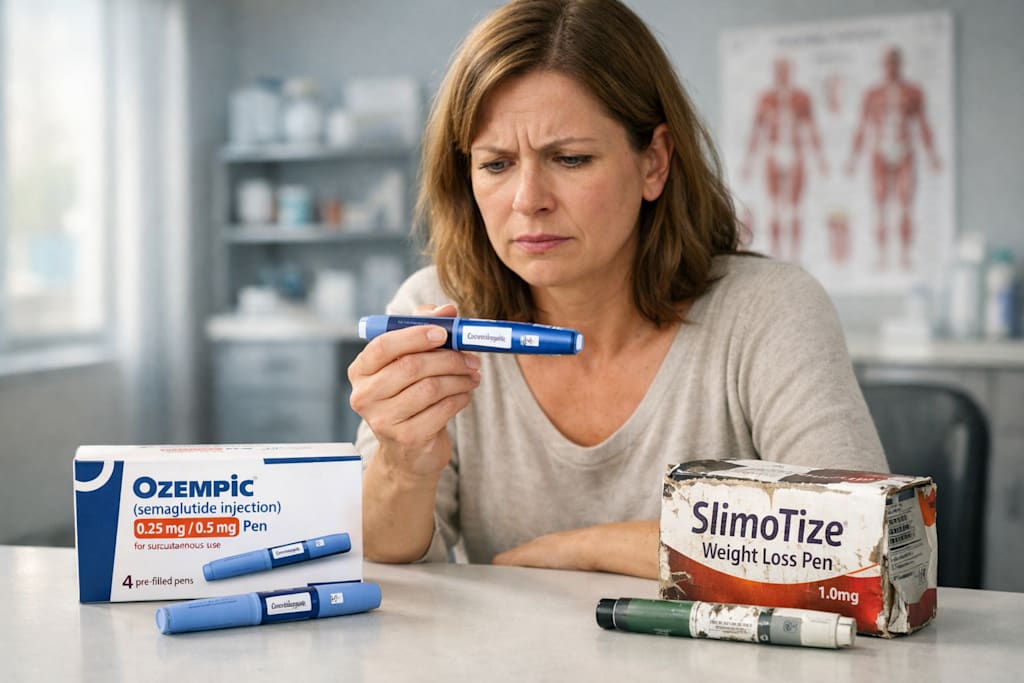
The demand for weight loss injections has surged across the UK, especially with the rise of treatments like semaglutide and tirzepatide. But where there’s demand, scams follow. Fake or unregulated weight-loss jabs are now flooding the market, often sold through cloned pharmacy websites, social media, or unofficial channels.
Recent data shows that nearly two in five pharmacies have encountered patients who unknowingly purchased fake injections . That’s not just a minor issue, it’s a serious health risk.
If you’re considering weight loss injections, knowing how to spot the warning signs could protect your health and your money. Here are the seven critical red flags you should never ignore.
1. Prices That Seem Too Good to Be True
One of the easiest ways to spot a fake is the price.
Legitimate weight-loss injections typically fall within a certain range due to manufacturing, regulation, and prescription requirements. When you see prices far below the market average, it’s not a bargain, it’s a warning sign.
Scammers rely on urgency and affordability to attract buyers. But in reality, extremely cheap injections often mean:
- Counterfeit ingredients
- Incorrect dosage
- No regulatory approval
If it feels like a deal you can’t miss, it’s probably one you should avoid.
2. No Medical Consultation
A proper medical consultation isn’t optional, it’s essential.
Licensed providers are required to:
- Review your medical history
- Assess your current medications
- Evaluate your eligibility
- Discuss risks and side effects
If a provider is willing to sell you injections without any consultation, that’s a major red flag.
Skipping this step doesn’t just break regulations, it puts your health at risk. These medications can interact with other conditions or drugs, and without professional guidance, the consequences can be serious.
3. Suspicious Payment Methods
How you’re asked to pay says a lot about legitimacy.
Fake sellers often push for:
- Bank transfers
- Cryptocurrency payments
- PayPal “friends and family”
- Payments via social media messages
Legitimate pharmacies use secure, regulated payment gateways on official websites .
If someone asks you to send money directly or outside a secure checkout system, walk away immediately. Once the payment is sent, there’s usually no way to recover it.
4. Fake or Slightly Altered Website Domains
Scammers have become increasingly sophisticated. Many create websites that look almost identical to real pharmacies.
The difference is often subtle:
- A misspelled domain name
- An extra letter or word
- Slight design inconsistencies
Always verify:
- The pharmacy’s registration (e.g., GPhC in the UK)
- The official domain listed on the regulator’s site
Even a small mismatch can mean you’re dealing with a cloned or fake platform.
5. Lack of Communication or Support
A legitimate provider will always be accessible.
If you notice:
- No phone number
- Delayed or vague responses
- No professional consultation support
That’s a strong warning sign.
Patients should be able to speak directly with a qualified professional, ask questions, and receive guidance. Fake sellers often avoid communication because they can’t provide real medical advice.
6. Cloudy or Unusual Liquid
The product itself can reveal a lot.
Authentic weight-loss injections typically contain a clear liquid. If you notice:
- Cloudiness
- Unusual colour
- Visible particles
Do not use it.
These signs may indicate contamination, improper storage, or completely fake contents. Using such a product can lead to severe health complications.
7. Unsealed or Poor-Quality Packaging
Packaging matters more than most people think.
Red flags include:
- Broken or missing seals
- No batch number or expiry date
- Poor print quality or misaligned text
- Damaged or discoloured boxes
These are clear indicators that the product may have been tampered with or is not genuine.
Authentic medications follow strict packaging and safety standards. Anything less should raise concern.
Why Fake Weight Loss Injections Are Dangerous
Counterfeit injections aren’t just ineffective, they can be dangerous.
Because they are unregulated:
- You don’t know what ingredients they contain
- Dosages may be incorrect or inconsistent
- They may be contaminated or improperly stored
Health experts warn that using fake injections can lead to serious illness, unpredictable side effects, and long-term complications .
In some cases, these products have been linked to hospitalisations and severe reactions due to unknown substances.
Final Thoughts
The rise of weight loss injections has opened the door to both innovation and exploitation. While legitimate treatments can be effective when prescribed correctly, the growing black market is putting people at real risk.
The safest approach is simple:
- Only buy from licensed pharmacies
- Always complete a medical consultation
- Double-check website authenticity
- Never trust unusually cheap offers
When it comes to your health, cutting corners is never worth it.
About the Creator
Alex
I've built my career around people-focused roles in the software industry, where clear communication, hands-on support, and quality assurance are always top priorities.
Enjoyed the story? Support the Creator.
Subscribe for free to receive all their stories in your feed.
Comments
There are no comments for this story
Be the first to respond and start the conversation.