
How to Give Wine as a Gift Without Looking Clueless
A beginner's guide to reading the room, matching the person, and choosing a red wine that actually lands

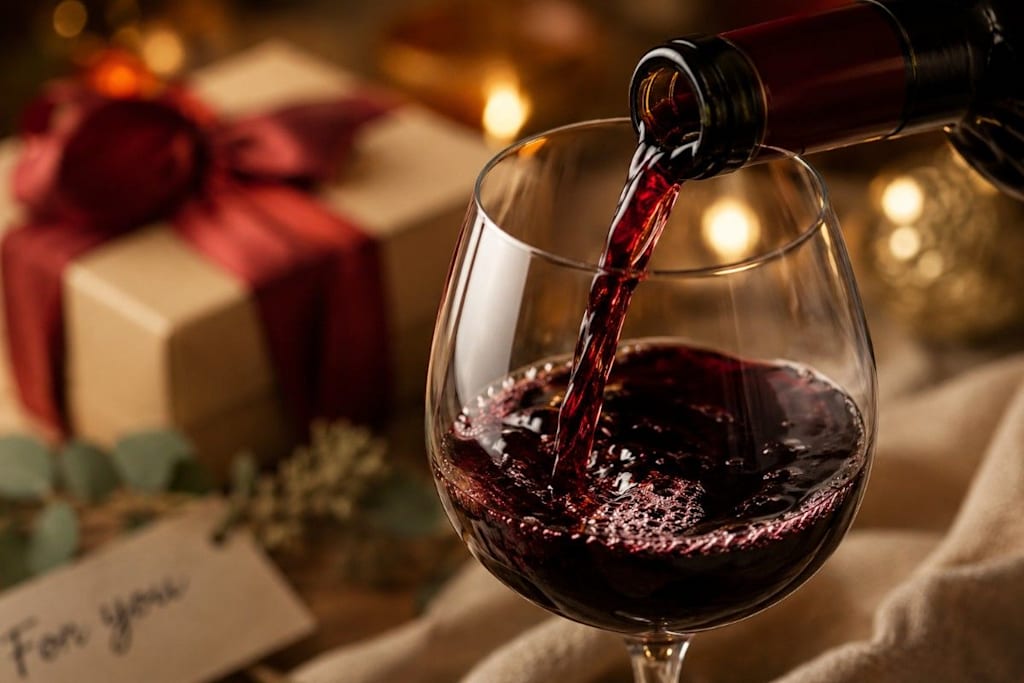
Picture this: you're standing in the wine aisle, ten minutes before a dinner party starts, staring at two hundred bottles like they all personally offended you. You grab something with a label that looks expensive, pay too much for it, and hand it over with the vague hope that no one asks you why you chose it.
Sound familiar?
You're not alone. Wine gifting intimidates a surprising number of people — not because they don't appreciate wine, but because the gap between "I enjoy drinking this" and "I know enough to gift it confidently" feels enormous. The vocabulary alone seems designed to exclude people. Tannins. Terroir. Finish. Varietal. It reads like a language you were never taught but are somehow expected to speak fluently at parties.
Here's the truth: you don't need to speak that language. You need about four things — a basic sense of the occasion, a rough read on the person, a willingness to think for two minutes before grabbing the nearest bottle, and the knowledge that red wine, chosen even half-thoughtfully, is one of the most universally appreciated gifts you can give.
This guide exists to close that gap. By the end of it, you'll know enough to walk into any wine situation with actual confidence — not because you've become a sommelier, but because you understand the simple framework that turns a generic bottle into a genuinely thoughtful one.
Why Red Wine Works as a Gift in the First Place
Before getting into the how, it's worth understanding the why — because red wine isn't just a default gift for people who can't think of anything better. It's actually one of the most considered gifts you can give, for a few reasons that aren't immediately obvious.
First, red wine is consumable. In a world where most people already have too much stuff, a bottle doesn't add clutter. It gets used. It gets shared. It disappears in the best possible way — over a dinner table, at a celebration, during a quiet evening that turns into something memorable.
Second, red wine has a built-in ritual to it. Opening a good bottle is an event. There's the uncorking, the pour, the moment someone takes the first sip and decides what they think. That ritual creates a shared experience, and shared experiences are what people actually remember about occasions — not the thing they unwrapped.
Third — and this is the part most people miss — choosing a red wine thoughtfully signals that you considered the person, not just the occasion. Anyone can grab a gift card. Selecting a Pinot Noir because you know someone loves lighter wines, or choosing a bold Cabernet because the recipient just got promoted and you want the bottle to feel like it matches the weight of the moment — that's a different kind of gesture entirely.
The Only Two Questions That Actually Matter
Wine experts will tell you there are dozens of variables in choosing the right bottle. They're right, but that level of detail is for professionals and enthusiasts, not for the person trying to show up thoughtfully to a birthday dinner.
For gifting purposes, two questions cover almost everything:
Question one: Who is this person, and what do they usually drink?
This is the most important question, and most people skip it entirely. Think about the recipient. Have you ever seen them reach for a bold red at dinner, or do they tend toward lighter, fruitier wines? Are they adventurous with food and flavors generally, or do they prefer the familiar? Do they drink wine regularly, or is this an occasional thing?
Someone who drinks wine often and has opinions about it will appreciate a more interesting or unusual bottle — something with a story, a strong region, a varietal they might not have tried. Someone who enjoys wine casually but doesn't think deeply about it will be happiest with something approachable and well-regarded: easy to drink, easy to pair, nothing challenging.
Question two: What is the occasion, and what tone does it carry?
A housewarming gift and a promotion gift are both celebratory, but they carry different energy. A housewarming is warm, domestic, a little nesting — a medium-bodied, food-friendly red that pairs well with whatever they cook works perfectly. A promotion gift has ambition and achievement behind it — something bolder, more serious, something that feels like it costs what it costs because the moment warrants it.
Similarly, a casual birthday dinner calls for something crowd-pleasing and fun. A milestone anniversary calls for something with depth, age-worthiness, and the kind of presence that makes the evening feel significant.
Once you've answered those two questions honestly, the right category of wine becomes almost self-selecting.
A Plain-English Guide to Red Wine Varietals for Gift-Givers
You don't need to memorize every wine region in the world. What follows is a practical summary of the red wine varieties most worth knowing when you're shopping for a gift — what they taste like, who they suit, and when to reach for them.
Cabernet Sauvignon is the bold, structured red that most people picture when they think of a serious bottle. It's full-bodied, with notes of dark fruit, subtle spice, and a firm tannic backbone that gives it real presence on the palate. It ages beautifully and suits people who like their wines with some weight. Reach for a Cabernet when the occasion is significant — promotions, milestone birthdays, achievements — and when the recipient is someone who takes their wine seriously.
Pinot Noir sits at the opposite end of the red wine spectrum: lighter-bodied, silky, and deeply nuanced, with flavors of red berries, earth, and sometimes a subtle mushroomy complexity that rewards attention. It's one of the most food-friendly red wines, which makes it an excellent gift for someone who loves to cook or entertain. It suits both new wine drinkers and experienced ones — it's accessible enough not to intimidate, but complex enough to interest a connoisseur.
Merlot is the approachable classic. Smooth, soft-tannined, with plum and cherry notes that make it immediately likeable — Merlot is the wine that converts people who think they don't like red wine. It's a safe and genuinely good choice for a casual gathering, a gift for someone who drinks wine but doesn't obsess over it, or any situation where you want to be reliably appreciated rather than adventurous.
Malbec is Argentina's gift to red wine drinkers everywhere — rich, fruit-forward, with a velvety texture and notes of blackberry, cocoa, and spice that make it intensely pleasurable without demanding much from the drinker. It's an excellent choice for someone who loves big, ripe flavors. Particularly good paired with red meat, which makes it a natural fit for a gift to a committed home cook or grill enthusiast.
Syrah or Shiraz (the same grape, called different things in different countries) brings dark fruit, pepper, and a slightly smoky, savory quality that sets it apart from other reds. It's bold and distinctive — a good choice for someone who finds Cabernet a bit too straightforward and wants something with more personality. Australian Shiraz tends to be richer and more fruit-driven; French Syrah is more restrained and earthy. Both make excellent gifts for seasoned red wine drinkers.
Zinfandel is an American original, with a jammy, high-fruit, slightly spicy character that makes it distinctive and fun. It's not subtle, but it's not trying to be — Zinfandel is the life-of-the-party red, and it suits occasions that have that same energy: backyard gatherings, birthday celebrations, anything casual and convivial.
Red Blends deserve more credit than they typically get as gifts. The best red blends combine multiple varietals to achieve a complexity that no single grape can produce alone — balance, depth, and a kind of harmony that makes them endlessly drinkable. They're also versatile: a well-made red blend suits a wide range of palates and occasions, which makes them a genuinely smart choice when you're less certain about the recipient's preferences.
For a more detailed breakdown of how each of these varietals fits specific occasions, taste preferences, food pairings, and seasonal timing, this guide to good red wines to gift goes through every major varietal with practical specificity — it's worth reading before you shop.
The Mistakes That Make Wine Gifting Go Wrong
Most wine gifting failures come from the same handful of errors. Here's what to avoid.
Choosing based on label design alone. Wine labels are marketing, not quality indicators. A beautiful label is a nice bonus, not a selection criterion. The bottle that looks most impressive on the shelf may be completely wrong for the person or the occasion.
Going too obscure. There's a temptation among people who know a little about wine to show off that knowledge by choosing something unusual — a grape variety nobody's heard of, a wine from an unexpected region. Resist this. Unless you're gifting to someone who genuinely geeks out on wine discovery, unusual choices risk landing as confusing rather than impressive. Well-made, well-regarded expressions of classic varietals almost always land better.
Ignoring the season. Wine has seasonality, and it matters more than most people realize. A big, tannic Cabernet Sauvignon or Petite Sirah is deeply satisfying in fall and winter — it suits hearty food, warm settings, and long evenings. A lighter Pinot Noir or a Grenache feels appropriate in spring and summer, when meals are lighter and the mood is brighter. Matching the wine to the season adds a layer of thoughtfulness that people notice even if they can't articulate why.
Forgetting about presentation. A great wine in a paper bag communicates generosity. The same wine in a wooden gift box, or with a handwritten note, or alongside a small accompaniment like quality chocolates or cheese, communicates care. The wine inside the bottle is the gift; the presentation is the feeling. Both matter.
Waiting until the last minute. This is where the "standing in the wine aisle for ten minutes" problem originates. Wine gifting done well requires roughly five minutes of thinking in advance — just enough time to answer the two questions above before you walk into the store, not while you're already there.
A Quick Gifting Framework by Occasion
If the varietal guide above still feels like a lot, this simplified framework covers the most common gifting scenarios:
For a birthday — especially a milestone one — reach for something festive and a step above the everyday. Pinot Noir works for a crowd; a bold Cabernet or Red Blend works for someone who takes their wine seriously.
For a housewarming, think food-friendly and versatile. Merlot, Pinot Noir, and Malbec all work well here — they pair with a wide range of foods, which means the recipient will find occasions to open them naturally.
For a promotion or professional achievement, go bold and deliberate. Cabernet Sauvignon, Syrah, or a well-regarded Red Blend from a respected producer — something with real presence that matches the scale of what the person accomplished.
For a dinner party host gift, something approachable and crowd-pleasing is the right call. Merlot and Zinfandel both fit well here. The goal isn't to make a statement; it's to contribute something genuinely useful to the evening.
For a romantic occasion — anniversary, Valentine's Day, a meaningful dinner — think Pinot Noir first. Its elegance and nuance make it the most romantic red wine going, and it pairs beautifully with the kind of food people make when they're trying to impress someone.
One Final Thought
There is a version of wine gifting that is anxious, rushed, and essentially random. And there is a version that is relaxed, considered, and genuinely kind.
The difference between them isn't expertise. It's attention. The person who spends two minutes thinking about what the recipient drinks, what the occasion calls for, and what season they're in — and then chooses accordingly — will always give a better wine gift than the person who knows ten times as much but grabs the first thing that looks impressive.
Wine is, at its core, a gesture. A way of saying: I wanted this occasion to taste like something worth remembering. You don't need to know everything about wine to make that gesture land. You just need to mean it.
That, more than any varietal knowledge or regional expertise, is what makes a wine gift genuinely good.
The next time you're standing in that wine aisle, remember: two questions, a little thought, and a bottle chosen for the person rather than the shelf display. That's all it takes to get it exactly right.
About the Creator
Pavan Kumar
Digital Marketing Expert at SWW. SEO Specialist and Blogger. Contact for Brand awareness and business promotion worldwide.
Enjoyed the story? Support the Creator.
Subscribe for free to receive all their stories in your feed.
Comments
There are no comments for this story
Be the first to respond and start the conversation.