
7 Simple Habits to Improve Your Mental Health
starting today

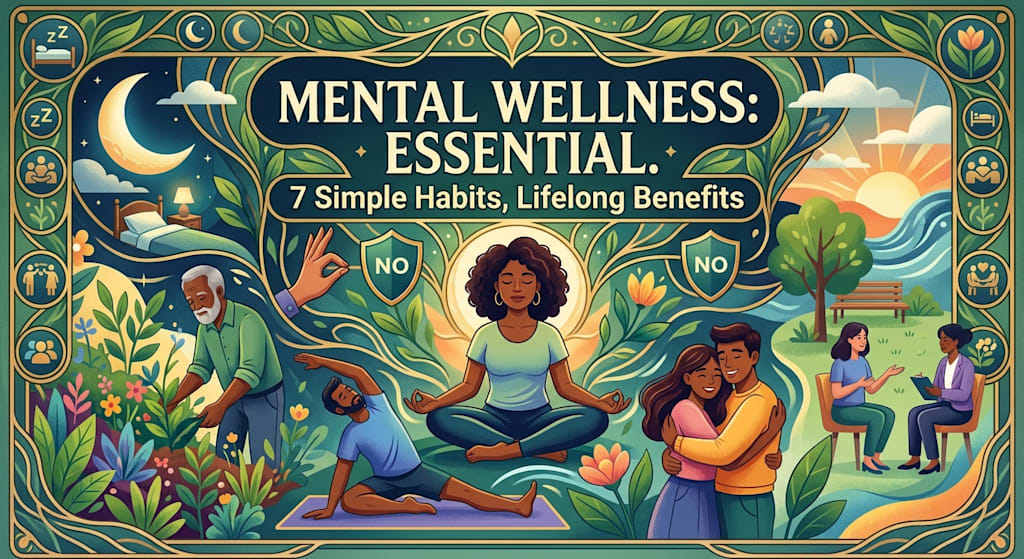
In today’s fast-paced, always-connected world, mental health is no longer optional — it’s essential. Yet, many of us continue to overlook our emotional well-being while chasing productivity, deadlines, and external success.
The truth is simple: your mental wellness directly impacts your quality of life, relationships, and long-term success.
Press enter or click to view image in full size
mental wellbeing
What Is Mental Health Wellness?
Mental health wellness is more than just the absence of stress or illness. It’s the ability to:
Cope with everyday challenges
Stay emotionally balanced
Maintain meaningful relationships
Function productively in daily life
Rather than aiming for constant happiness, mental wellness is about resilience, awareness, and self-care.
Why Mental Health Is a Growing Concern
Modern lifestyles have introduced new challenges:
Digital overload and social media comparison
Workplace stress and burnout
Lack of work-life balance
Increasing social isolation
These factors contribute to rising levels of anxiety, fatigue, and emotional exhaustion — making mental health awareness more important than ever.
7 Simple Habits to Improve Your Mental Wellness
Improving mental health doesn’t require drastic changes. Small, consistent actions can create lasting impact.
1. Prioritize Quality Sleep
Sleep is foundational to mental clarity and emotional stability. Aim for 7–8 hours of restful sleep daily.
2. Practice Mindfulness Daily
Even 5–10 minutes of mindful breathing or meditation can reduce stress and improve focus.
3. Set Clear Boundaries
Learn to say “no” without guilt. Protect your time, energy, and mental space.
4. Stay Physically Active
Exercise isn’t just for the body — it significantly boosts mood and reduces anxiety.
5. Limit Digital Consumption
Reduce screen time and avoid unnecessary social media comparison.
6. Nurture Meaningful Connections
Strong relationships provide emotional support and reduce feelings of isolation.
7. Seek Professional Support When Needed
Therapy or counseling can provide guidance, clarity, and coping strategies.
I have Very Good News Just For You
>>Very Important Note<< If you want a natural support supplement that has helped thousands of people successfully with their brain health issues, helping them restore their memory, focus, and mental Sharpness, do click >>> https://tinyurl.com/3vd7phry
Breaking the Mental Health Stigma
Despite increasing awareness, many people still hesitate to talk about mental health. Fear of judgment often prevents individuals from seeking help.
But change starts with conversation.
The more openly we discuss mental wellness, the more we normalize it — and the easier it becomes for others to seek support.
Mental Wellness Is a Lifelong Journey
There is no perfect state of mental health. Some days will be better than others — and that’s okay.
What matters is consistency, self-awareness, and self-compassion.
Focus on progress, not perfection.
Final Thoughts
Your mental health is your greatest asset. It shapes how you think, feel, and experience life.
Start with small changes today. Over time, they can lead to a healthier, more balanced, and more fulfilling life.
Because at the end of the day, true success is not just about what you achieve — but how you feel while achieving it.
Frequently Asked Questions
Q 1. What is mental health wellness?
Mental health wellness is the capacity to cope with everyday stress, stay emotionally balanced, and maintain strong relationships. It is defined by resilience and self-awareness rather than constant happiness.
Q 2. Why is mental health a growing modern concern?
Digital overload, workplace burnout, lack of work-life balance, and social isolation drive rising levels of chronic anxiety and emotional exhaustion today.
Q 3. How does sleep quality impact emotional stability?
7 to 8 hours of quality sleep daily stabilizes mood and sharpens cognitive clarity, providing the brain with essential restorative rest.
Q 4. What are the benefits of daily mindfulness?
Practicing 5 to 10 minutes of daily mindful breathing calms the nervous system, reducing overall stress and boosting focus.
Q 5. Why is setting personal boundaries important for mental health?
Setting clear boundaries protects your time and emotional energy, allowing you to decline demands without feeling unnecessary guilt.
Q 6. How does physical activity improve mood?
Exercise releases mood-boosting neurotransmitters like endorphins, which naturally relieve anxiety, tension, and fatigue.
Q 7. Why should you limit digital screen time?
Reducing screen time prevents digital overload and social media comparison, protecting your self-esteem and mental space.
Q 8. How do social connections protect mental well-being?
Nurturing deep, meaningful relationships provides crucial emotional support, buffering against loneliness and social isolation.
Q 9. When should you seek professional mental health support?
Seek therapy or counseling whenever emotional distress hinders daily functioning, offering clear guidance and practical coping mechanisms.
Q 10. How does open conversation break mental health stigma?
Discussing mental health openly normalizes emotional struggles, making it safer and easier for others to reach out for help.
Q 11. Why is mental wellness considered a lifelong journey?
Mental wellness naturally fluctuates day to day, requiring long-term consistency, self-compassion, and progress rather than perfection.
Q 12. Can chasing productivity ruin emotional health?
Yes, prioritizing external deadlines over emotional well-being leads to severe burnout, fatigue, and lower overall quality of life.
Q 13. What is the true measure of success regarding mental health?
True success is measured by how fulfilled and emotionally balanced you feel, not just by your external achievements.
Q 14. How does social media comparison harm mental balance?
Constantly comparing your life to curated online profiles breeds inadequacy, anxiety, and distorted self-worth.
Q 15. What is the difference between mental health wellness and the absence of illness?
Wellness is active resilience, functional coping, and self-care, whereas simply lacking a clinical diagnosis does not guarantee emotional health.
Q 16. How do small daily habits create lasting mental change?
Micro-habits like brief exercise or quick breaks build long-term stress resilience without overwhelming your daily routine.
Q 17. Why do people hesitate to seek mental health help?
Fear of social judgment, public stigma, and perceived weakness frequently stop individuals from accessing professional care.
Q 18. How does workplace burnout affect daily life?
Burnout drains physical energy, lowers focus, and impairs personal relationships, making daily tasks feel overwhelming.
Q 19. What role does self-compassion play on bad mental health days?
Self-compassion allows you to accept tough days without self-criticism, preventing temporary low moods from spiraling into self-stigma.
Q 20. Why is mental health considered your greatest asset?
Your mental health shapes how you think, process emotions, and experience life, directly dictating your overall quality of living.
About the Creator
Edward Smith
I write on ANYTHING & EVERYTHING from fictional stories,Health,Relationship etc.Need Me or my service?Email [email protected].Please Buy me a coffee here Ko-fi.com/dralex & Get ONLY The Best Health Supplement here https://lnk.bio/dralexx
Enjoyed the story? Support the Creator.
Subscribe for free to receive all their stories in your feed.
Comments
There are no comments for this story
Be the first to respond and start the conversation.