list
Lists of tips and tricks that will help you become a better you; hack your way to an ultimate work, home and social life.
Women Now in U.S lives 6 years longer than men . Content Warning.
The divergence in life expectancy between women and men in the United States surged to nearly six years in 2021, marking a near two-decade pinnacle. This revelation stems from a research letter published in the esteemed JAMA Internal Medicine, authored by medical professionals from prestigious institutions such as Harvard University, Boston University, the University of California, and the U.S. Center for Disease Control and Prevention.
By Jacob Mhango3 years ago in Lifehack
7 Non-Regrets
American life is, "Go go go!" We don't give ourselves time to slow down and "smell the roses." Believe me, when I tell you, those pauses are needed. They may seem pressing at the time. You may feel that those extra minutes or seconds are precious to your current task and you can't spare them for anything else. But ... you do, and you can.
By Jennifer R3 years ago in Lifehack
3 DIY Bentonite Clay Toothpaste Recipes
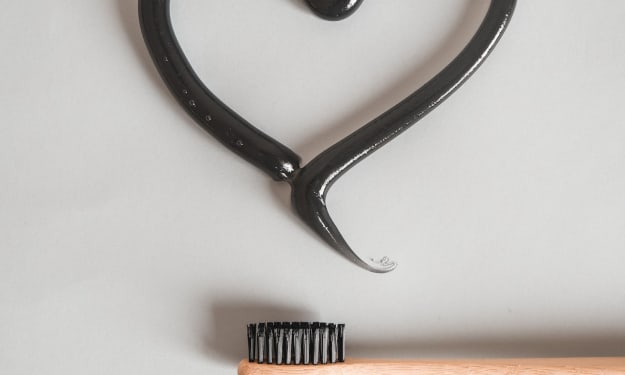
Our oral hygiene is very important for our overall health. Since some illnesses can stem from bad oral care. It's also unpleasant during social encounters for both parties when one person has bad breath. Bentonite clay is a very effective deep cleanser for the mouth. Making it a very good base for your own homemade toothpastes! Here are 3 of my diy bentonite clay recipes along with some information about the ingredients used in each toothpaste recipe.
By Scarwled Writing3 years ago in Lifehack
Kinds Of Fruits You Should Eat Regularly And Those You Shouldn't
Only one in ten Americans consumes the recommended daily intake of fruit, did you know that it equates to at least 1.5 to 2 cups daily? In general, fruits are beneficial to your health. Studies have indicated that eating at least four to five servings daily can improve your mood and lower your chance of developing heart disease, diabetes type 2 with obesity.
By Omolara Buhari3 years ago in Lifehack
A few flights of stairs a day could be your secret weapon for heart health and a longer life. This is how. Content Warning.
It has long been believed that using the stairs rather than the elevator is a wise fitness recommendation, but a recent study that was published in the journal Atherosclerosis supports this notion by examining the precise number of stairs you must walk each day in order to improve your heart health. The quick response? Your risk of cardiovascular disease could be reduced by 20% by climbing just five flights of stairs each day.
By Hashan chamara3 years ago in Lifehack
20 Facts you dint know 5 Minutes ago!
A Cucumber Cure: Imagine you have a first date at a fancy restaurant, but as you take your seat, you realize you forgot to bring any breath mints. To make matters worse, you've just ordered garlic bread as a side. Don't worry, there's a simple solution – order a side salad with cucumber! You see, fibrous vegetables like cucumbers boost saliva production in your mouth, which washes away odor-causing bacteria and cures bad breath. In a pinch, holding a slice of cucumber between your tongue and the roof of your mouth for about 90 seconds can work wonders in eliminating nasty odors. If cucumbers aren't on the menu, parsley offers the same odor-neutralizing effect. So go ahead, discreetly chew on that garnish, and you'll be good to go!
By Sophia Hayes3 years ago in Lifehack
Small Kitchen Space Saving Hacks
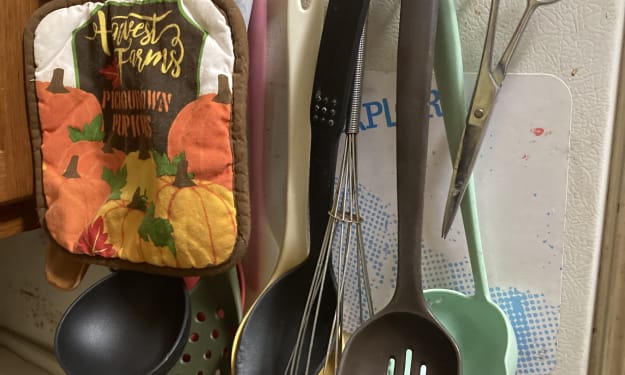
I have a rather large family. With 7 people living together, you'd think we'd need a rather large space to cohabit happily. But that's not true. We're a close family and while our house is very small, we feel like it's rather blessed.
By Hope Martin3 years ago in Lifehack
The Emotional Impact of Daylight Saving Time:
Daylight Saving Time (DST) is a practice that many of us are familiar with. Twice a year, we adjust our clocks forward in the spring and backward in the fall, losing or gaining an hour of sleep in the process. While it may seem like a minor disruption, the emotional impact of Daylight Saving Time can be significant, affecting our lives and well-being in various ways. Losing an hour of sleep when we "spring forward" in the spring can have immediate and lasting effects on our emotional well-being. The abrupt shift in our sleep schedule can lead to sleep deprivation, which is known to impact our mood. Sleep is crucial for regulating emotions, and when we don't get enough of it, we may experience increased irritability, anxiety, and even depression. This change in sleep patterns can disrupt our circadian rhythms, leaving us feeling groggy and disoriented. It takes time for our bodies to adjust to this new schedule, and during that period, our emotional state can be significantly affected. Additionally, losing an hour of daylight in the evening can have a negative impact on our overall well-being. Sunlight has been shown to boost mood and reduce symptoms of depression. When we "spring forward" and shift an hour of daylight to the morning, we may find ourselves spending more time in the dark during our waking hours. This reduction in daylight exposure can contribute to feelings of lethargy and even Seasonal Affective Disorder (SAD) for some individuals. Conversely, gaining an hour of sleep when we "fall back" in the fall can initially be seen as a positive change. However, this extra hour of sleep can disrupt our sleep patterns, just like the spring transition. While it may seem like a bonus, it can lead to overindulgence in sleep, which can leave us feeling sluggish and unmotivated. The added hour of darkness in the evening may also result in less outdoor activity and reduced exposure to natural light, further impacting our emotional well-being. The emotional impact of Daylight Saving Time isn't limited to the immediate changes in sleep patterns and daylight exposure. It also affects our daily routines, which can be a significant source of stress and anxiety. When we change our clocks, we must adapt our schedules to accommodate the shift in time. This adjustment can be particularly challenging for individuals with strict work or school schedules, as well as parents of young children. The disruption to routines can lead to feelings of chaos and disorganization, which can increase stress levels and emotional strain. Another emotional aspect to consider is the anticipation of Daylight Saving Time changes. As the transition date approaches, many people experience anxiety about the impending shift. They worry about how it will affect their sleep, daily routines, and overall well-being. This anticipatory anxiety can be emotionally draining and disrupt our peace of mind in the days leading up to the change. The emotional impact of Daylight Saving Time extends beyond the individual level. It can affect our relationships and social interactions as well. When we're sleep-deprived or adjusting to new schedules, we may be more irritable and less patient with others. This can strain personal and professional relationships, leading to conflicts and misunderstandings. In extreme cases, the emotional toll of Daylight Saving Time can even lead to workplace accidents and decreased productivity. In conclusion, Daylight Saving Time may seem like a small adjustment, but its emotional impact is significant. Whether we're losing or gaining an hour of sleep, our emotional well-being is at stake. The disruption in sleep patterns, changes in daylight exposure, and the stress of adapting to a new schedule can lead to irritability, anxiety, and even depression. It's essential to be mindful of these emotional effects and take steps to mitigate their impact. This might include gradually adjusting your schedule in the days leading up to the time change, seeking exposure to natural light, and practicing good sleep hygiene. By understanding the emotional impact of Daylight Saving Time and taking proactive measures, we can better manage its effects on our lives and well-being.
By Isaac Inspirational3 years ago in Lifehack
I Can Survive There!
Shelter is one of the most important aspects of your survival. It is part of the “3 Rule”, meaning you can’t survive more than three days without it. A shelter is a place that gives you protection from bad weather, danger, or something else that is harmful. It can be any architectural structure like a house, or a natural formation like a cave. Every year fifteen million homes are destroyed by disaster, costing people 3.3 million dollars. Here are a few places that can provide you shelter in case of a doomsday scenario.
By M.L. Lewis3 years ago in Lifehack
How to Deal with a Noisy Vape
In today's fast-paced environment, vaping has increased in popularity as a trendy and less risky alternative to traditional smoking. Vaping offers a wide variety of flavours and a personalised experience, but it is not without cons. A noisy vape is a typical issue among vapers. This perplexing issue can be caused by a number of factors, including the type of vape kit you're using and how you care for it. In this lengthy post, we'll look at the various causes of a noisy vape and provide solutions to help you enjoy a smoother, quieter vaping experience.
By David miller3 years ago in Lifehack