history
Key historic events throughout the ages in relation to business, work, corporate figures and moguls.
Ghana's Rich Culture
Introduction: Ghana, a West African nation known as the "Gateway to Africa," is renowned for its extraordinary cultural heritage. Steeped in history, Ghana's rich culture is a tapestry woven with tradition, diversity, and vibrancy. From its ancient empires to the present-day, Ghana has nurtured a thriving cultural landscape that captivates the world. In this essay, we will explore the various facets of Ghana's culture, including its traditions, arts, music, festivals, cuisine, and values, shedding light on what makes Ghana's cultural heritage truly remarkable. Historical Background: To appreciate Ghana's culture, it is essential to delve into its historical roots. Ghana's cultural heritage is shaped by its past empires, such as the Ashanti, Fante, and Ga-Dangme, which played vital roles in the region's development. These empires, known for their advanced political and social systems, left indelible imprints on Ghanaian culture. The Ashanti Empire, for instance, renowned for its gold craftsmanship and intricate weaving, still influences Ghana's arts and crafts today. Traditions and Customs: Ghanaian society is deeply rooted in traditions and customs that have been passed down through generations. Family, respect for elders, and communal living are core values that shape the fabric of Ghanaian culture. Rituals and ceremonies mark significant life events, including birth, initiation, marriage, and death. Traditional naming ceremonies, where names are given based on the day of the week a child is born, exemplify the importance of ancestry and the spiritual connection Ghanaians hold dear. Arts and Crafts: Ghanaian art is diverse, vibrant, and reflective of the country's cultural heritage. Traditional arts and crafts, such as woodcarving, pottery, basketry, and textile weaving, are integral to Ghanaian culture. The country's artisans are skilled in creating intricate masks, statues, and other sculptures that often embody spiritual and ancestral themes. The Kente cloth, a colorful and handwoven fabric, is Ghana's most iconic textile, symbolizing wealth, power, and cultural identity. Music and Dance: Ghana's music and dance are renowned worldwide for their infectious rhythms and energetic performances. Traditional music is deeply rooted in the country's ethnic diversity, with each region having its distinctive styles and instruments. The highlife genre, a fusion of traditional and Western musical elements, emerged in Ghana during the early 20th century and has since become a symbol of national identity. Traditional dances, such as the Adowa and Kpanlogo, showcase the artistry, grace, and storytelling prowess of the Ghanaian people. Festivals and Celebrations: Ghana is known for its vibrant festivals, which celebrate various aspects of the country's culture, history, and spirituality. The Homowo festival of the Ga people, for example, commemorates the end of a famine and involves elaborate processions, music, dancing, and feasting. The Aboakyer festival of the Efutu people sees young men capture live antelopes as a symbol of bravery and abundance. These festivals not only provide entertainment but also serve as platforms for community bonding and the preservation of cultural heritage. Culinary Delights: Ghanaian cuisine is a delectable fusion of flavors and influences, reflecting the country's historical connections with diverse cultures. Staples such as fufu (pounded cassava or plantain), banku (fermented corn and cassava dough), and jollof rice (a savory rice dish cooked with spices and tomatoes) are widely enjoyed. The use of local ingredients, such as palm oil, fish, yams,
By emmanuel emmanuel3 years ago in Journal
Echoes of Heritage
Part I: The Land of the Igbo In the southeastern region of Nigeria, nestled amidst lush green landscapes and flowing rivers, lies the vibrant and culturally rich land of the Igbo people. With a history dating back centuries, the Igbo culture is a tapestry woven with tradition, resilience, and a deep sense of community. The Igbo people are known for their industrious nature and entrepreneurial spirit. From small villages to bustling cities, their creativity and determination can be seen in every aspect of life. Agriculture forms the backbone of the Igbo economy, with yam, cassava, and palm oil being staple crops. Women, adorned in colorful wrappers and adorned with intricately woven headgear, take pride in tending to their farms while men engage in trading activities, showcasing their business acumen. Part II: The Rhythm of Life Music and dance are integral components of Igbo culture, serving as a means of storytelling and preserving history. The beat of the drums resounds through the air, invoking a sense of unity among the people. Dressed in vibrant attire, both young and old sway to the rhythm, their bodies moving gracefully as they perform traditional dances like the "Ekpe" and "Atilogwu." These dances not only entertain but also transmit knowledge and values, ensuring the preservation of ancestral wisdom. Language is another pillar of Igbo culture, with the Igbo language serving as a vessel for their thoughts, emotions, and aspirations. The rich linguistic heritage of the Igbo people is celebrated through proverbs, folktales, and oral history. Elders pass down these stories to the younger generation, fostering a sense of identity and reinforcing the values of hard work, respect, and community. Part III: The Power of Masquerades No discussion of Igbo culture would be complete without mentioning the captivating world of masquerades. These masked figures, draped in colorful costumes and intricately carved wooden masks, represent spirits of the ancestors. Each masquerade embodies a specific deity, acting as a link between the living and the supernatural realm. During festivals and ceremonies, the masquerades take center stage, captivating onlookers with their synchronized movements and mesmerizing dances. People gather in anticipation, eager to witness the spectacle and receive blessings from the ancestral spirits. The Igbo believe that these masquerades bring good fortune, protection, and fertility to the community, reaffirming their deep-rooted spiritual beliefs. Part IV: The Resilience of the Igbo The Igbo people have faced numerous challenges throughout history, including colonization, civil war, and economic struggles. Despite these adversities, they have demonstrated remarkable resilience and an unwavering commitment to preserving their culture. One of the notable examples of Igbo resilience is the Nri Kingdom, often referred to as the cradle of Igbo civilization. With its egalitarian structure and democratic principles, the Nri Kingdom served as a beacon of Igbo culture, resisting external influences while nurturing indigenous traditions. Today, the remnants of the Nri Kingdom can still be found, reminding the Igbo people of their proud heritage. Part V: A Modern Outlook As Nigeria moves forward in the 21st century, the Igbo culture continues to evolve and adapt while holding onto its core values. Education plays a vital role in empowering the younger generation to embrace their roots and contribute to the development of their communities. Igbo intellectuals, writers, and artists have made significant contributions to Nigerian literature, music, and cinema, weaving traditional themes into contemporary works. This blending of old and new helps to bridge the gap between generations and ensures that Igbo culture remains vibrant and relevant.
By emmanuel emmanuel3 years ago in Journal
What is an LLC?
A Limited Liability Company (LLC) is a sort of business substance that joins the flexibility and tax reductions of an affiliation or sole proprietorship with the confined liability protection of an association. LLCs are formed under state guideline and give their owners (called people) limited liability protection, meaning their own assets are all around safeguarded from the business' commitments and legal liabilities.
By Mahnoor Malik3 years ago in Journal
Empowerment in Business Management
Business the board is an intricate and multi-layered field that requires a scope of abilities and capabilities. Powerful business the executives includes creating and carrying out methodologies to accomplish hierarchical objectives, planning and coordinating assets, overseeing chance and vulnerability, and building a culture of development and ceaseless improvement. At the core of compelling business the executives is the idea of strengthening.
By Mahnoor Malik3 years ago in Journal
"Naira Devaluation" Citizen Involvement
Introduction: Naira devaluation refers to the deliberate reduction in the value of a country's currency in relation to other currencies. It is a measure taken by governments to manage economic challenges such as inflation, trade imbalances, or debt burdens. The devaluation of the Nigerian currency, the Naira, has been a recurring issue in the country due to various economic factors. In this essay, we will explore the importance of citizen involvement in understanding and addressing the effects of Naira devaluation on the Nigerian economy. Understanding Naira Devaluation: Nigeria, as an import-dependent country, heavily relies on foreign goods and services. When the value of the Naira decreases, the cost of imported goods rises, leading to inflation and reduced purchasing power for citizens. Additionally, devaluation can discourage foreign investments and cause capital flight as investors lose confidence in the economy. Understanding these impacts is crucial for citizens to actively participate in discussions and decision-making processes concerning Naira devaluation. Awareness and Education: To foster citizen involvement, the government and relevant institutions should prioritize creating awareness and educating the public about Naira devaluation. This can be done through public campaigns, educational programs, and accessible information channels. Citizens should be provided with comprehensive and unbiased information about the causes, consequences, and potential solutions to Naira devaluation. By improving financial literacy and understanding, citizens can make informed decisions and actively contribute to discussions on economic policies. Engagement in Policy Development: Citizen involvement in policy development is crucial for effective governance. Governments should create avenues for citizens to engage in dialogue and provide input on economic policies, including Naira devaluation. This can be achieved through town hall meetings, public forums, and online platforms that facilitate discussions between policymakers and the public. By actively seeking citizens' perspectives and incorporating them into policy decisions, governments can ensure that the interests and concerns of the people are adequately represented. Monitoring and Accountability: Citizen involvement should extend beyond policy development and encompass monitoring and accountability. Regular monitoring of the effects of Naira devaluation is essential to identify its impact on various sectors of society. This can be facilitated through the establishment of independent bodies or citizen-led initiatives that track key economic indicators, conduct research, and provide reports on the consequences of devaluation. By holding policymakers accountable for their decisions and advocating for necessary changes, citizens can contribute to mitigating the negative effects of devaluation. Promoting Entrepreneurship and Local Industries: One way citizens can actively participate in addressing the challenges associated with Naira devaluation is by promoting entrepreneurship and supporting local industries. Devaluation can provide opportunities for the growth of domestic industries and export-oriented businesses. Citizens can take the initiative to start small-scale businesses, invest in local products, and explore export markets. By supporting local industries, citizens can contribute to economic diversification, job creation, and reduced dependence on imports, thereby reducing the impact of Naira devaluation. Financial Planning and Investment: Individuals can also play a vital role in mitigating the effects of Naira devaluation by practicing sound financial planning and investment strategies. In times of devaluation, it becomes crucial to diversify financial portfolios and explore investment options that can provide a hedge against currency fluctuations. Citizens should educate themselves about investment opportunities, seek professional advice, and make informed decisions to protect their savings and assets. By taking control of their financial well-being, citizens can minimize the adverse effects of Naira devaluation on their personal finances. Conclusion: Naira devaluation is a complex economic issue that requires the active involvement of citizens for effective solutions. By understanding the causes and consequences of devaluation, citizens can contribute to informed discussions, policy development, monitoring, and accountability processes. Additionally, citizens can support local industries, engage in sound financial planning, and invest wisely too
By Fortune Chinax3 years ago in Journal
LOST FOR WORDS
https://youtu.be/MGubaE5NZMM MY HEART HURTS FROM THE LOST OF A SPECIAL LOVE ONE. I ALWAYS SAY I WISH NO ONE HAD TO LEAVE THE EARTH. I WANT EVERYONE TO LIVE FOREVER AND NOT HAVE TO TAKE THAT FINAL ROLE IN A CASKET. IT IS A LOST THAT RUNS SO DEEP. I WISH NO ONE HAD TO PASS AWAY.
By MARIE ODEMS 3 years ago in Journal
Unveiling the Tapestry of Time:
Unveiling the Tapestry of Time: The Importance of History History, like an intricate tapestry, weaves together the stories, struggles, triumphs, and lessons of humanity. It is a treasure trove of knowledge, a guidepost for the present, and a compass for the future. In this article, we will explore the significance of history, its role in shaping our identity, its impact on society, and the lessons it teaches us.
By News Bucks3 years ago in Journal
Ted Lasso Season 4 . Content Warning.
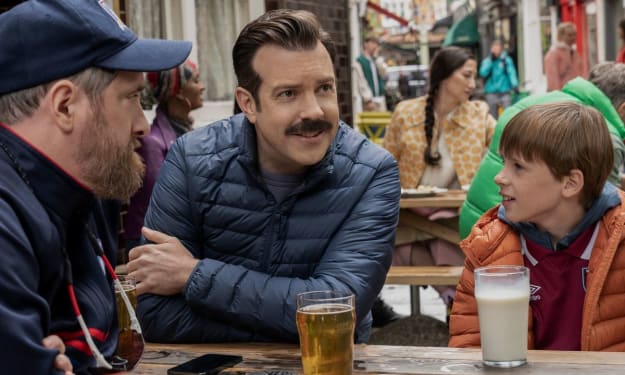
Ted Lasso Seems to Be Done After Season 3, But Could Ted Lasso Return for Season 4? The wildly popular Apple TV+ show, Ted Lasso, has captured the hearts of audiences worldwide. With its perfect blend of humor, heart, and soccer, the series has received numerous accolades and awards. As fans eagerly await the third season, many are left wondering if there's a possibility for a fourth season. In this comprehensive article, we'll explore the likelihood of Ted Lasso returning for Season 4, including insights from the show's creators, cast, and crew.
By Article Creator3 years ago in Journal
DINOSAURS
Dinosaurs were a diverse group of reptiles that first appeared during the Mesozoic Era, which is often referred to as the "Age of Reptiles." They lived on Earth for about 165 million years, from approximately 230 million years ago to 65 million years ago. During this time, dinosaurs evolved into a wide variety of species, ranging from small, bird-like dinosaurs to enormous, long-necked sauropods and fearsome carnivorous predators.
By CHIMA DANIEL3 years ago in Journal
How to Handle a Guilty Verdict: Lessons from the Danny Masterson Trial. Content Warning.
Actor Danny Masterson has been found guilty of two out of three counts of rape. This verdict has major implications for the legal system and Hollywood, as it highlights the need for justice and accountability in cases of sexual assault. In this blog post, we'll take a closer look at what the Danny Masterson verdict means for individuals, the legal system, and the entertainment industry, and offer some insight into what can be done to prevent sexual assault and promote a culture of respect and safety.
By Article Creator3 years ago in Journal
The Andromeda Galaxy: A Cosmic Marvel of Epic Proportions
Nestled in the depths of the cosmos lies a celestial masterpiece that has captivated astronomers and stargazers alike for centuries—the Andromeda Galaxy. As our nearest galactic neighbor, this colossal spiral galaxy has long been a source of fascination and intrigue. In this article, we embark on a journey to unravel the mysteries and explore the awe-inspiring beauty of the Andromeda Galaxy, revealing why it continues to hold a prominent place in our understanding of the universe.
By Robin Raikwar3 years ago in Journal
Understanding the Complex Motivations Behind Hitler and the Rise of Nazism
The rise of Nazism and the atrocities committed during World War II under the leadership of Adolf Hitler continue to be a dark chapter in human history. The question of how such evil could gain a foothold in a modern, civilized society remains a topic of much debate and study. In this article, we will delve into the complex motivations behind Hitler and the rise of Nazism. We will explore the historical, political, economic, and social factors that led to the Nazi party's ascension to power, as well as the ideology and leadership style of Adolf Hitler. Additionally, we will examine the devastating impact that Nazism had on millions of people, including the Holocaust, and the legacy that it has left behind.
By Krishna raj3 years ago in Journal