
Why the allergy season never seems to end: what goes on.
How climate change, growing CO₂, and urban life change twist.

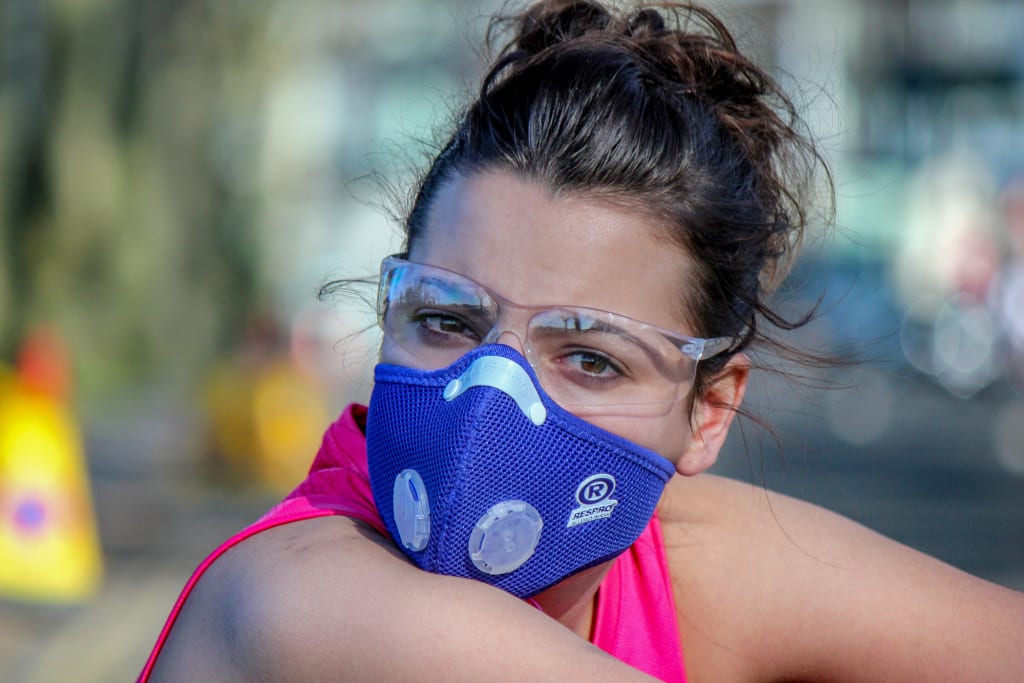
Why does the allergy season feel getting longer and more serious?
If you feel like you sneeze and sneeze compared to that year, you don't imagine it. In most parts of the world, allergies become long and more intense, and for millions of people, this means that several days are spent on handling itchy eyes, a runny nose, and other symptoms.
But why is this happening? Breaks down the causes behind the deteriorating allergy season and what you can do about it.
1. Climate change is a great criminal.
The biggest driver behind the long and more serious allergic season is climate change. As the global temperature rises, the growing season has expanded for many plants. This means that trees, grass, and weeds produce pollen in the long term.
Research suggests that spring comes first, and the decline has long been going on in many areas. Plants respond soon to bloom and continue to release pollen late during the season. For allergic victims, who are exposed for several weeks or months - exposure.
2. Increased coin increases pollen production.
The level of carbon dioxide (CO₂) in the atmosphere warms not only the planet - they also act as a fertilizer for plants. High CO and concentrations stimulate plants to grow faster and larger, which often causes them to produce more pollen.
For example, studies have found that one of the most notorious allergic plants, ragweed, high CO runner produces much more pollen in high CO environments. This means that not only the long-term weather, but also the more powerful pollutants in the air.
3. Urbanization and air pollution aggravate symptoms.
In urban areas, air pollution interacts with pollen and can make allergic symptoms worse. Diesel can bind pollinations with small pollution particles such as exhaust, making them more harmful when breathed in.
In addition, the "Urban Heat Island" effect, where the city is warm, can be compared to the surrounding rural areas, which can increase local pollen production. So if you live in a city, you may experience even more serious allergies than anyone in a rural setting.
4. Change the distribution of the facility.
As the temperature rises, some plant species migrates to new areas where they did not grow earlier. This means that the population who historically does not experience any seasonal allergies is now in exposure to new pollen sources. For example, plants such as ragweed move north in Canada and parts of Northern Europe, expanding the map of allergies.
What can you do to meet?
Although we cannot change the climate overnight, there are steps you can take to reduce the season's allergies
- Monitor pollen forecasts: to know when to stay indoors or count local pollen to take care.
- Keep the windows closed: use air conditioning instead of open windows during the time of the top pollen.
- Bath after outdoor activities: it helps to remove the pollen from your hair and skin.
- Doctor Advice: Talking to drugs, medicines, nasal spray, and allergic immunotherapy can help reduce the symptoms.
- Think of an air purifier: an HEPA filter can help trap the pollen inside your house.
About the Creator
Enjoyed the story? Support the Creator.
Subscribe for free to receive all their stories in your feed.
Comments
There are no comments for this story
Be the first to respond and start the conversation.