
Why Do Most People Follow Dangerous Social Media Trends?
The Influence of Social Media Trends: Understanding the Risks and Empowering Individuals

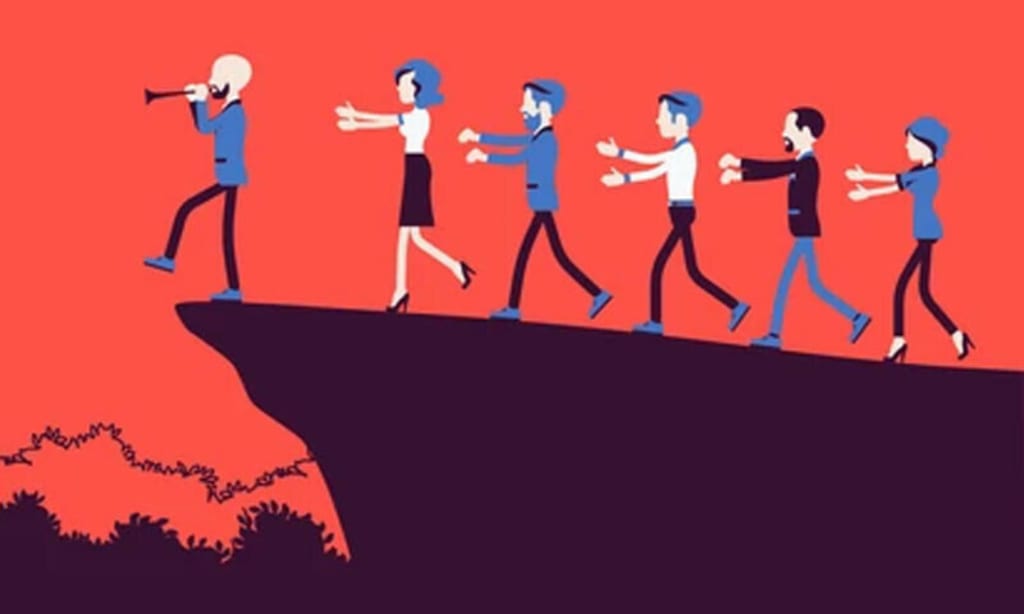
Social media has become an integral part of our daily lives, with over 4.9 billion people actively using social platforms. On average, individuals spend about two and a half hours per day on social media, engaging in various activities such as work, connecting with friends, and, most commonly, scrolling mindlessly. While social media has its positive aspects, it also has detrimental effects, particularly on the minds of teenagers and young adults. One alarming trend is the blind following of dangerous social media trends, even when there is no scientific or medical evidence supporting their efficacy or safety. In this article, we will explore the reasons behind this phenomenon and delve into powerful arguments that shed light on the issue.
The influence of social media trends cannot be underestimated. They spread rapidly through the digital realm, captivating millions of individuals who are compelled to experiment with them. Dr. Paul E. Krovarkin, a renowned expert from the Mayo Clinic, highlights that the believability of the messages conveyed in trending videos is a significant factor in their widespread acceptance. Social media has evolved into a vital source of information and communication, leading people to trust the content they encounter without verifying its accuracy or credibility.
Numerous dangerous trends have gone viral on social media, posing serious risks to those who participate. Examples include the Fire Challenge, where participants set fire to symbols made on a mirror using flammable substances, and the Blackout Challenge, which encourages individuals to hold their breath until they pass out. The Cinnamon Eating Challenge involves consuming cinnamon without drinking water within 60 seconds, while the Salt and Ice Challenge leads to chemical burns by applying salt and ice to the skin. These trends, lacking scientific basis, continue to entice people despite the evident dangers they entail.
Clinical psychologists, such as Dr. Arfa Bano and Dr. Saleha Afridi, provide valuable insights into the reasons behind the following of social media trends. Dr. Bano suggests that people may engage in these trends to connect with others or gain a sense of social relevance. The pervasive nature of social media, where trends and advertisements can become viral within hours, contributes to individuals' desire to stay active and engaged. Moreover, Dr. Afridi emphasizes that people seek quick and easy solutions to complex problems, making non-scientific trends more appealing. This trend-following behavior is not limited to the young generation alone; individuals of all ages are susceptible to the allure of these social media trends.
Dr. Paul from the Mayo Clinic further explains that teenagers and young adults are particularly vulnerable due to their increased exposure to social media and digital technologies. Extended periods of time spent on these platforms can lead to negative changes in the brain and personality, as the prefrontal cortex responsible for rational thinking competes with the emotionally driven amygdala and hippocampus. Additionally, individuals who are unsure about their life goals or easily bored tend to gravitate toward social media trends as a source of excitement and novelty. Influential celebrities also play a significant role in swaying the preferences of impressionable individuals.
So, how can we help children and young adults make better decisions regarding social media trends? Experts unanimously agree that quality family time is crucial in curbing this trend. Parents should actively engage with their children, spend time with them, and foster open lines of communication. Equally important is teaching children critical thinking skills to evaluate the content they encounter on social media. Encouraging them to verify viral videos from scientific and medical perspectives and consult professionals before attempting any trend can significantly reduce the potential harm.
In conclusion, the blind following of dangerous social media trends is a prevalent issue affecting millions of individuals. The allure of viral trends, combined with the rapid and far-reaching nature of social media, makes it easy for people to be swayed by trends lacking scientific andmedical backing. Factors such as the desire to connect with others, the need for quick solutions to complex problems, and the influence of favorite celebrities contribute to this phenomenon. It is crucial for parents to monitor their children's social media usage and engage in quality family time. Teaching critical thinking skills and encouraging verification of content before attempting any trend can also help individuals make better decisions. By addressing these issues, we can promote safer and more informed social media practices, protecting the well-being of individuals in the digital age.
About the Creator
Naveedkk
Every written or spoken word is not necessarily according to the standards of the reader and listener. The speaker is in his own state while the listener is in his own state.
Enjoyed the story? Support the Creator.
Subscribe for free to receive all their stories in your feed.
Comments
There are no comments for this story
Be the first to respond and start the conversation.