
Unraveling the Influence of Social Pressure:
Navigating the Tides of Conformity
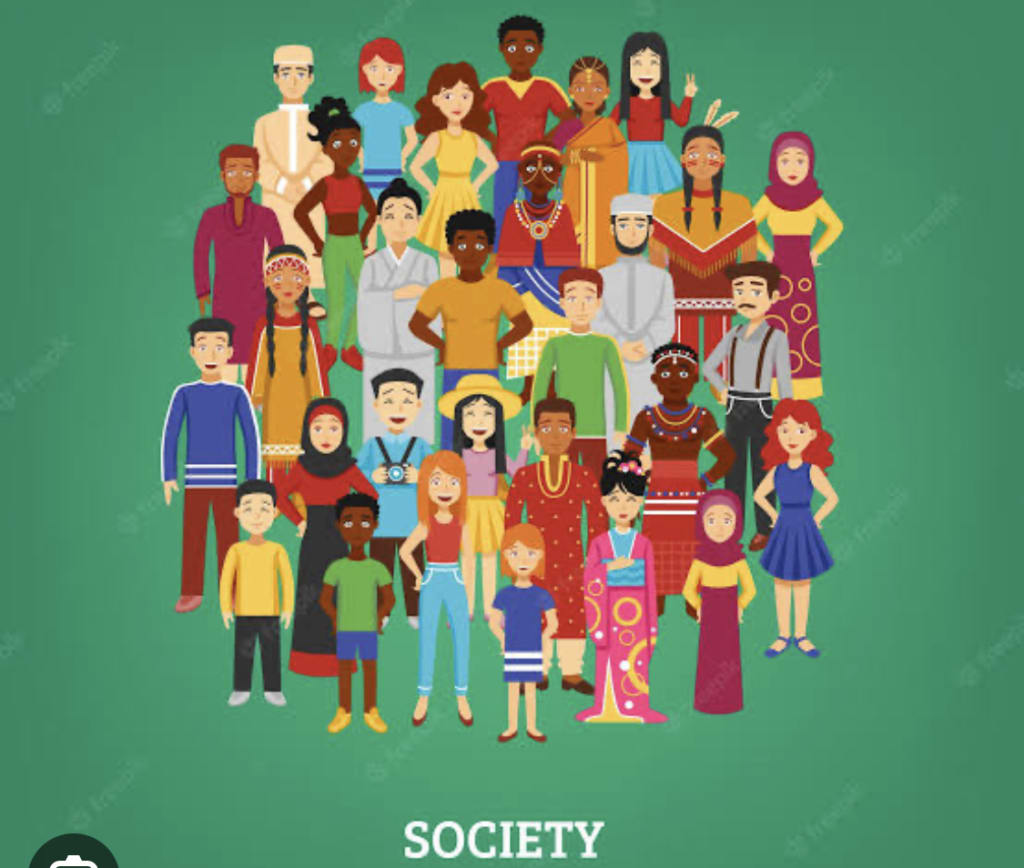
In today's interconnected world, social pressure is an undeniable force that shapes our thoughts, actions, and behaviors. Whether we acknowledge it or not, the desire to conform to societal norms and expectations can have a profound impact on individuals and communities. Social pressure can arise from various sources, including family, peers, media, and cultural values, often leading us to question our own beliefs and choices. This article delves into the complexities of social pressure, exploring its mechanisms, effects, and ways to navigate its influence in order to foster authentic self-expression.
Social pressure operates through multiple mechanisms, each playing a role in shaping our behavior
Humans have an inherent need for acceptance and belonging. Normative social influence occurs when individuals conform to societal expectations to fit in and avoid rejection. This can manifest in conformity to dress codes, lifestyle choices, or adherence to traditional gender roles.
When faced with ambiguous situations, individuals often look to others for guidance. Informational social influence refers to the tendency to adopt the opinions or behaviors of others when we perceive them as knowledgeable or experienced. This can be seen in situations where people conform to a consensus, even if it contradicts their personal beliefs.
Authority figures hold significant sway over our decisions and actions. Milgram's famous obedience experiments demonstrated how people can be influenced to perform unethical acts under the command of an authority figure, highlighting the power of social pressure in defying one's moral compass.
Social pressure can have both positive and negative effects on individuals and society. It can foster prosocial behavior, encouraging individuals to adhere to societal norms that promote cooperation, empathy, and ethical conduct. It can motivate individuals to engage in philanthropy, environmental conservation, and other socially responsible actions.On the other hand, social pressure can lead to conformity that stifles individuality and hinders personal growth. The fear of judgment and rejection can prevent people from expressing their true selves, resulting in suppressed creativity, unfulfilled aspirations, and a lack of diversity in thought and action.
Developing self-awareness is crucial in navigating social pressure. By understanding our values, beliefs, and desires, we can better identify when social pressure is influencing our decisions and distinguish them from our authentic preferences.
Engaging in critical thinking allows us to evaluate the validity of societal norms and expectations. Questioning why certain beliefs or behaviors are considered "normal" can help us challenge outdated or harmful social pressures and foster positive change.
Setting personal boundaries and asserting oneself can mitigate the negative impact of social pressure. By expressing our opinions, needs, and desires respectfully, we create a space for authentic self-expression and reduce the pressure to conform.
Surrounding oneself with supportive and like-minded individuals can help counteract the weight of social pressure. Connecting with people who appreciate and encourage individuality can foster a sense of belonging without compromising personal authenticity.
By educating ourselves and others about the mechanisms and effects of social pressure, we can collectively work towards creating a more inclusive and accepting society. Promoting open dialogue, empathy, and respect for diversity can challenge oppressive norms and reduce the influence of social pressure.
Social pressure is an omnipresent force that shapes our lives in numerous ways. While it can promote positive social behavior, it also poses challenges to individuality and personal growth. However, by developing self-awareness, embracing authenticity, fostering supportive relationships, honing media literacy skills, and setting boundaries, we can navigate the complexities of social pressure. Embracing our unique identities and challenging societal norms allows us to cultivate personal growth, mental well-being, and a more fulfilling life. It is by breaking free from the shackles of conformity that we can truly thrive and contribute meaningfully to the world around us.
About the Creator
Enjoyed the story? Support the Creator.
Subscribe for free to receive all their stories in your feed.
Comments
There are no comments for this story
Be the first to respond and start the conversation.