
Trump at 80:
Inside the White House Whispers About the President's Age
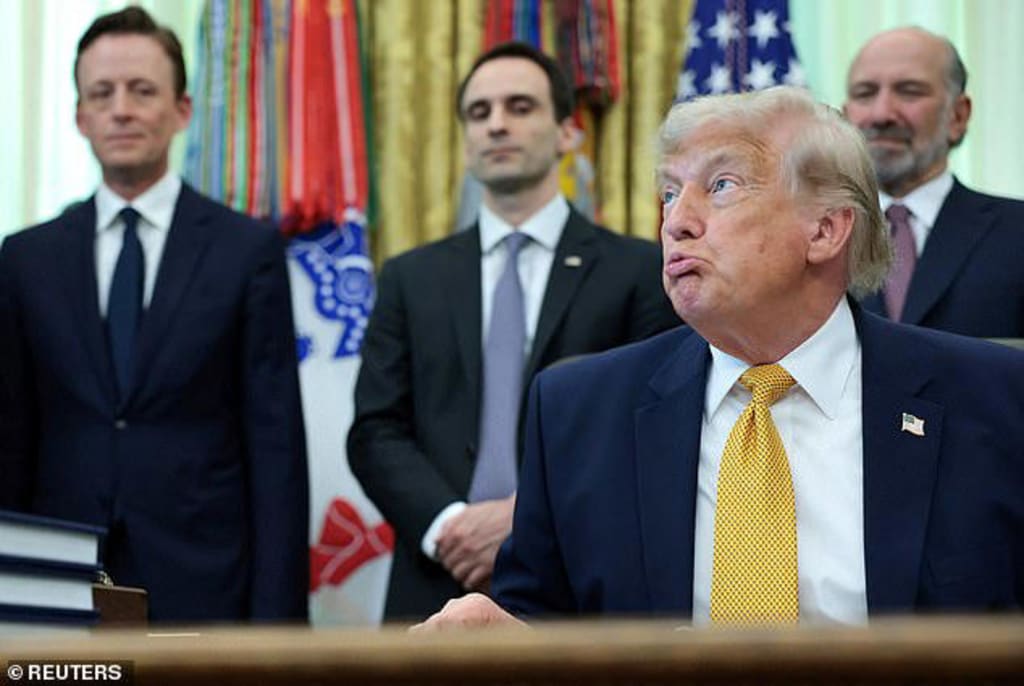
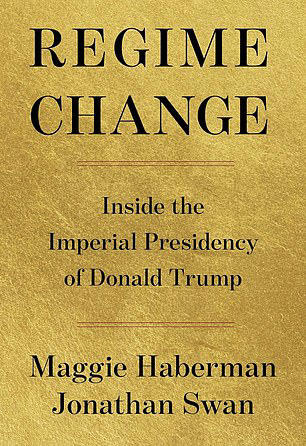
There's a new book making waves in Washington, and it's pulling back the curtain on a side of Donald Trump that his team would rather keep quiet. Regime Change: Inside the Imperial Presidency of Donald Trump, written by New York Times journalists Maggie Haberman and Jonathan Swan, paints a detailed picture of a president showing the unmistakable signs of aging — and fighting hard to control the narrative around it.
If there's one image that has stuck in the public consciousness recently, it's the photos circulating of Trump's noticeably swollen ankles. According to Haberman and Swan, the President was furious about the coverage. He reportedly demanded that White House Press Secretary Karoline Leavitt address the issue directly from the podium — a move that left plenty of West Wing staffers privately baffled. The authors note that while others in the West Wing found formally addressing the "cankles" story a peculiar choice, it reflected just how intensely the President fixates on his appearance and public image.
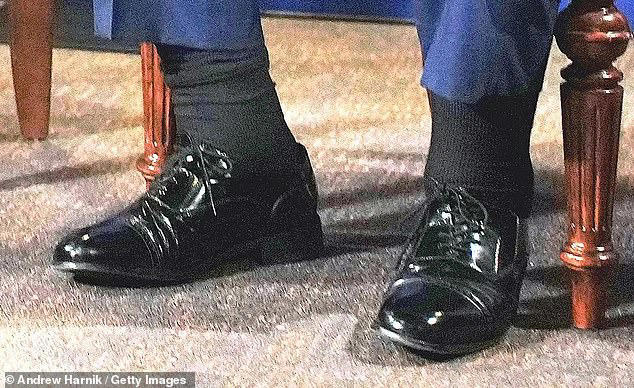
The swelling is reportedly linked to chronic venous insufficiency, a circulatory condition that becomes more common with age. Trump is currently 80 years old and is on track to surpass Joe Biden as the oldest sitting president in American history — Biden left office at 82.
Despite the official line from Trump's doctors that he is in "exceptional" health, some of those closest to him are telling a different story — just not publicly. The book states that some of Trump's aides have begun saying privately that, for the first time, he is starting to seem old to them. The signs they point to include moments of fatigue and a habit of cupping a hand behind his ear — a tell-tale sign of hearing difficulty. According to the authors, Trump's commanding presence in any room often masked what his body could no longer fully hide. Interestingly, Secretary of State Marco Rubio testified earlier this month that he had never seen the President fall asleep during a meeting, so at least officially, the party line holds.
Some adjustments to Trump's schedule and physical setup have been quietly made behind the scenes. Joint press conferences with world leaders have increasingly moved from the East Room to the Oval Office — partly because of better acoustics, and partly because it means Trump doesn't have to stand for extended periods. He has also leaned more into seated roundtables in place of the marathon campaign-style rallies that once defined his political brand. Those rallies, it turns out, are likely gone for good. Trump reportedly told aides after the 2024 campaign that he was finished with them — a decision driven not just by fatigue, but by the lasting psychological weight of surviving two assassination attempts. The authors write that he had always been cautious about his safety outside the White House, but that caution has now deepened considerably.
Where Trump once ran a punishing travel schedule that left younger aides scrambling to keep up, his second term tells a very different story. Haberman and Swan describe him as something close to a homebody, spending most of his time moving between the White House and his private clubs. He has also worked to make the White House itself feel more comfortable and personal. He gave First Lady Melania the master bedroom and set up his own separate room, reportedly furnishing it with décor he repurposed from other parts of the residence. His longtime valet Walt Nauta carries a kit that includes the expected personal items — and a pair of scissors, so Trump can snip away at the back of his hair whenever it starts to creep over his collar.
His sleep patterns have also drawn attention from those around him. Trump has never been known as a heavy sleeper, but aides say his hours have grown increasingly irregular during this term. He often stays up through the night watching television, making phone calls, and posting to Truth Social, only drifting off around four or five in the morning. On more than one occasion, when staff couldn't reach him during the late morning hours, they eventually realized he had simply been up all night. One particularly telling moment came when an aide went to check on the President after no one had heard from him — and found him still asleep in the residence.
The White House, for its part, pushed back firmly on the book's portrayal. Spokesperson Davis Ingle dismissed the characterizations and pointed instead to the Biden years, arguing that Trump's energy and accessibility stand in sharp contrast to what the previous administration allegedly hid from the public. He described Trump as the sharpest and most accessible president in American history.
Whether you read the book as a concerning portrait of a declining leader or simply an honest look at what it costs any human being to hold the most powerful office in the world at 80 years old, Regime Change is already stirring conversation. The question of presidential fitness has returned to the center of American political life — and this time, it isn't a Democrat under the microscope.
Regime Change: Inside the Imperial Presidency of Donald Trump hits bookstores this Tuesday.
About the Creator
Enjoyed the story? Support the Creator.
Subscribe for free to receive all their stories in your feed.
Comments
There are no comments for this story
Be the first to respond and start the conversation.