
The USA Protests: When Black and White People Demanded Change
A powerful movement for equality, justice, and civil rights across America.

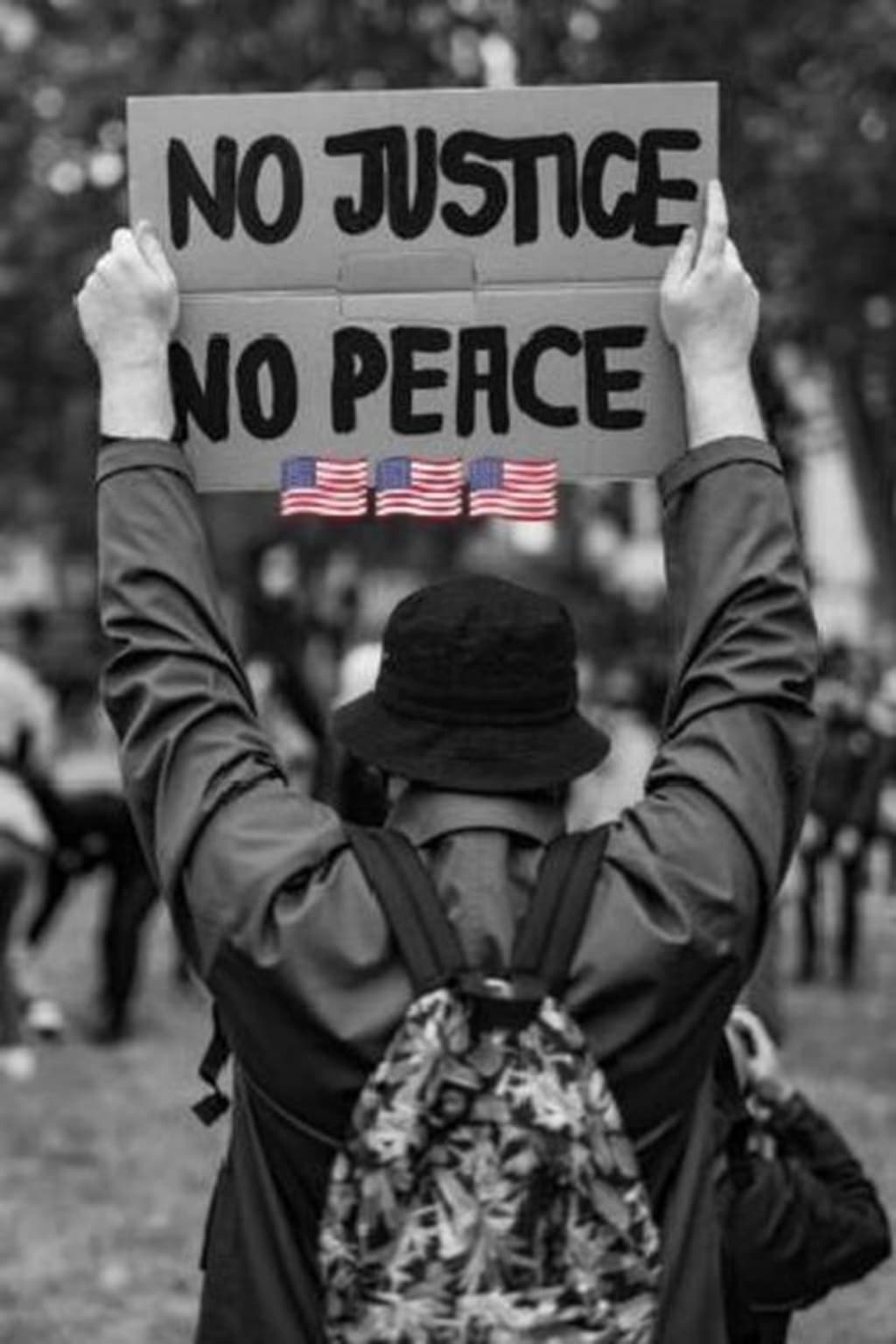
In the year 2020, the United States experienced one of the most significant and emotional moments in its recent history. It began with an incident in Minneapolis, Minnesota, involving a man named and law enforcement officers. George Floyd was a civilian who was arrested by police during an investigation related to a reported incident at a store. During the arrest, a serious and widely witnessed event occurred that led to his death. The moment was recorded by bystanders and quickly spread across social media platforms. Within hours, the video reached millions of people, and soon the entire world was talking about it. The reaction was immediate and powerful. Many people felt deep sadness and shock after watching what had happened. Others felt anger and frustration. For a large number of people, this was not seen as an isolated event, but as part of a much larger issue related to justice, fairness, and treatment of minority communities in society. As the news spread, protests began to form in Minneapolis. At first, small groups of people gathered near the location of the incident. They stood together, holding signs, speaking out, and demanding answers. Their message was simple but strong: they wanted justice and accountability. Within days, the protests grew beyond one city. People in different states across the United States began organizing marches and demonstrations. Major cities like New York, Los Angeles, Chicago, and Washington D.C. saw thousands of people taking to the streets. The movement also spread internationally, reaching countries in Europe, Asia, and Africa. These protests became part of a wider movement known as Black Lives Matter. This movement had already existed before 2020, but the events surrounding George Floyd brought it renewed global attention. Supporters of the movement said they were standing against racial injustice and inequality in law enforcement and society. They called for reforms, transparency, and equal treatment for all people regardless of race or background. During the protests, many participants gathered peacefully. They marched with signs, chanted slogans, and shared messages about equality and human rights. Some common messages included calls for justice, unity, and change in policing systems. Many people also expressed hope that future generations could live in a fairer and safer society. At the same time, some protests in certain areas turned tense, with clashes between police and demonstrators. Authorities used measures to control crowds, while protesters continued to demand that their voices be heard. These moments were widely covered by news media, which further increased global attention on the situation. In response to the growing unrest, government officials and law enforcement leaders made public statements. They acknowledged the seriousness of the incident and promised investigations. Legal proceedings were initiated against the officers involved, and discussions began about possible reforms in policing practices. These steps were seen by some as progress, while others believed more immediate and deeper changes were needed. Beyond the protests, the event also sparked global conversations about race, justice, and equality. Schools, workplaces, and communities began holding discussions about discrimination and how to address it. Many organizations started reviewing their policies to ensure fair treatment and inclusion. Social media also played a major role, as millions of people shared opinions, educational posts, and personal experiences. The impact of the 2020 events went far beyond one moment in time. It became a turning point in public awareness about racial issues in the United States and beyond. People who had never participated in protests before joined the movement. At the same time, others began learning more about history, civil rights, and social justice. The phrase “Black Lives Matter” became widely recognized around the world. For supporters, it represented a demand for equality and respect. For critics, it sparked debate about law enforcement and political responses. Regardless of perspective, the phrase became central to one of the most important social movements of the decade. Over time, the intensity of the protests gradually decreased, but the discussions continued. Communities kept talking about how to improve trust between law enforcement and citizens. Governments and organizations explored reforms aimed at improving training, accountability, and community relations. The death of George Floyd became a symbol of a larger conversation about justice in modern society. It highlighted how quickly a single event can lead to global reaction in the digital age. It also showed the power of social media in spreading awareness and mobilizing people across borders. In the years that followed, the world continued to reflect on the lessons from 2020. Many people believe that the event marked a shift in how societies talk about race and equality. Others see it as an ongoing issue that still requires attention and action. What remains clear is that the 2020 incident involving George Floyd changed public awareness in a lasting way. It led to protests, conversations, reforms, and debates that continue to shape society today. It reminded the world that justice, equality, and human dignity are values that require constant effort to protect and strengthen.
About the Creator
Hafiz afridi
✍️ Writer | Creator | Dreamer Sharing original stories, ideas, and knowledge with the world. Turning thoughts into words and words into impact.
Enjoyed the story? Support the Creator.
Subscribe for free to receive all their stories in your feed.
Comments
There are no comments for this story
Be the first to respond and start the conversation.