
The Gentleman of the Desert
What T. E. Lawrence Can Teach Modern Men About Gentility


Introduction
There is a certain kind of man modern society no longer knows how to produce. Not merely a strong man, nor an educated one, but a man capable of moving between worlds without losing himself. A man who can sit comfortably at a campfire in the desert and later converse in a drawing room. A man who knows when to speak, when to remain silent, when to stand firm, and when to yield gracefully out of respect.
In today’s America (where cultures increasingly overlap and collide) this kind of gentility matters more than ever. Yet, strangely enough, one of the greatest examples of it may be found in the windswept deserts of Arabia during the First World War. His name was T. E. Lawrence; also known as "Lawrence of Arabia".
Unfortunatley, too many people only know him through the romantic haze of David Lean's 1962 film: flowing robes, camel caravans, explosions in the desert, and Peter O’Toole’s piercing blue eyes beneath the Arabian sun. Behind the cinematic myth, however, was a deeply reflective and conflicted man: an Oxford-educated archaeologist, military advisor in British-controlled Egypt, author, and cultural intermediary for the Arab Revolt; a movement which sought to liberate Arab lands from Ottoman rule and establish an independent Arab state stretching from Aleppo to Aden.
Lawrence believed leadership required humility before authority. His philosophy of gentility offers something modern men desperately need: a code for how to navigate cultural difference with dignity. Especially now. As Arab immigration and Arab-American visibility only continue to grow throughout the United States, more Americans will inevitably encounter Arab neighbors, coworkers, students, business owners, and communities. Yet many modern interactions are poisoned by one of two extremes: shallow performative tolerance on one side, or ignorant suspicion on the other.
Lawrence offers another path entirely. Not sentimentalism and not self-erasure, but disciplined respect.
Lesson #1: The Lost Art of Adaptation
One of Lawrence’s greatest strengths was his willingness to adapt himself to the environment around him. He wore Arab clothing. He learned not only to read and speak Arabic, but to recognize and understand differing regional dialects. He rode, ate, traveled, and suffered alongside the men he advised and led in combat. Most importantly, he did not do these things as theatrical imitation. He did them out of practical respect.
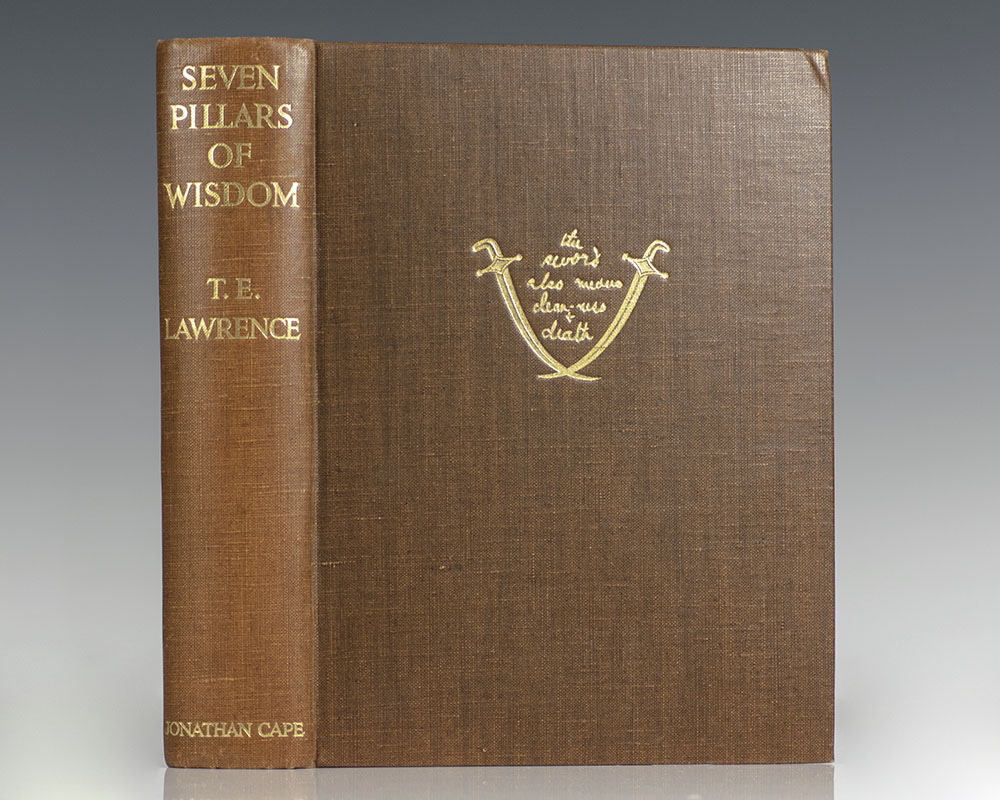
In his 1926 book Seven Pillars of Wisdom, Lawrence wrote:
“They taught me that no man could be their leader except he ate the ranks’ food, wore their clothes, lived level with them, and yet appeared better in himself” (Lawrence 531).
That final phrase matters enormously:
“…and yet appeared better in himself.”
Lawrence did not believe gentility meant abandoning one’s own identity in pursuit of acceptance. Instead, he believed a gentleman should possess enough internal confidence to adapt externally without becoming morally hollow. This is a lesson many modern people struggle to understand.
Some believe cultural respect requires complete surrender of one’s own traditions and values. Others react fearfully, refusing even the smallest gestures of accommodation. Lawrence embraced neither position. He understood that respect is not weakness. A gentleman removes his shoes before entering another man’s home because he is secure enough in himself to show courtesy. He learns the greetings and customs of another culture not because he is ashamed of his own background, but because the effort itself is honorable. Gentility is not submission. Rather, it is disciplined confidence.
Lesson #2: “It Is Their War”
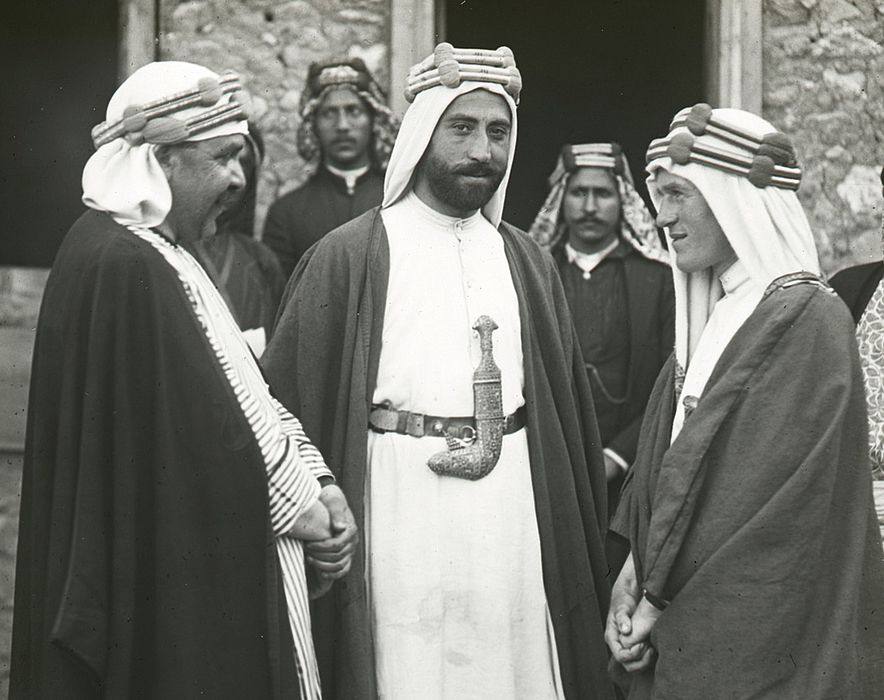
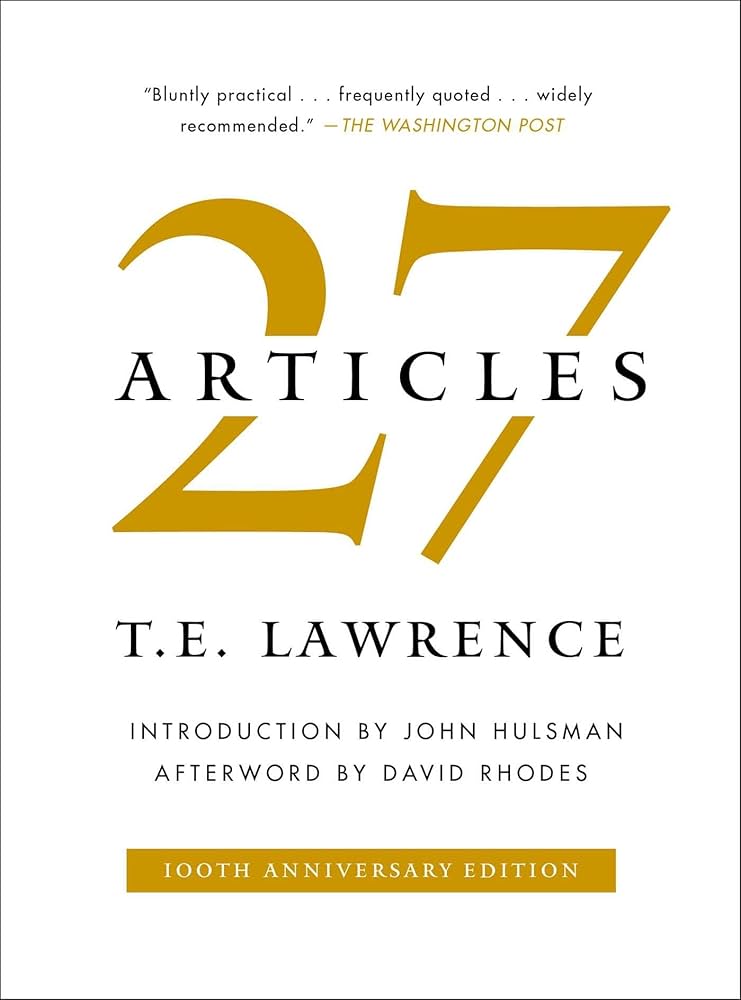
Perhaps Lawrence’s most famous insight appears in The Twenty-Seven Articles, his 1917 guide for British officers operating alongside Arab forces:
“Do not try to do too much with your own hands. Better the Arabs do it tolerably than that you do it perfectly. It is their war, and you are to help them, not to win it for them” (“Twenty-Seven Articles”).
At first glance, this sounds like military strategy. Beneath it, however, lies a profound philosophy of human interaction. Lawrence understood something many modern people do not: Dignity matters more than efficiency. The temptation (especially among educated Westerners) is to assume we know best. We arrive in another community, another culture, another social environment believing we must organize it, improve it, manage it, or save it.
Lawrence rejected this impulse outright. He recognized that even well-intentioned domination is still domination. Helping someone while quietly stripping them of their sense of agency is not gentility. That's paternalism. Ironically, Lawrence witnessed this contradiction firsthand through the disastrous Sykes–Picot Agreement. While Arab revolutionaries fought beside the British for promises of independence, Britain and France secretly negotiated plans to divide and control the region after the war.
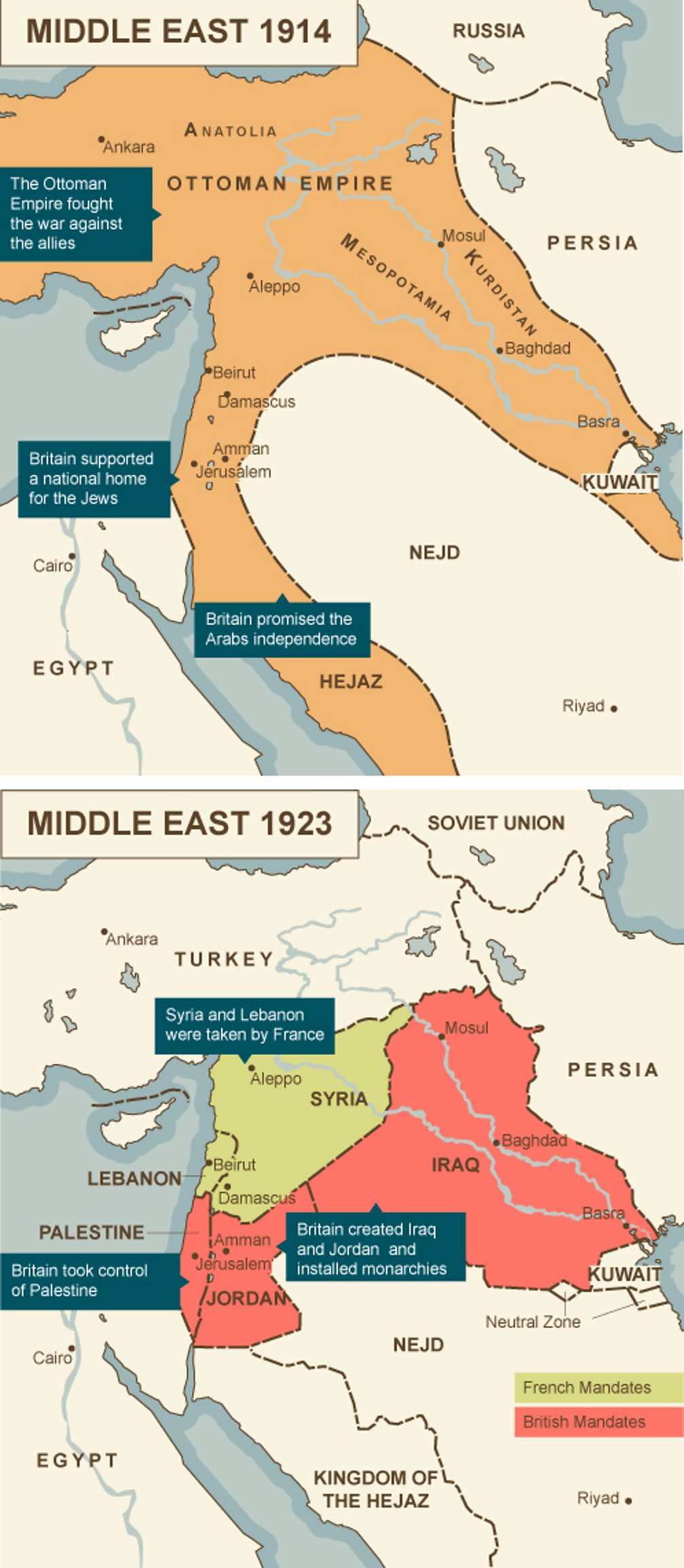
When Lawrence learned of the agreement, he attempted to counteract it, by pushing Arab forces northward toward Damascus before British troops could establish control, supported the formation of the Arab National Council in 1918, and would further advocate Arab independence, following the end of the war, by publicly refusing a knighthood from King George V.
Today, this lesson applies everywhere. If you work alongside Arab immigrants or Arab-Americans, the goal is not to “civilize,” “correct,” or “fix” them. Nor is it to romanticize them as exotic, orientalist symbols of workplace diversity. It is to treat them as equals with their own traditions, values, strengths, contradictions, and dignity. The gentleman collaborates. He does not condescend.
Lesson #3: The Discipline of Listening
Modern society rewards constant speaking. Social media trains people to react instantly, lecture constantly, and broadcast opinions on subjects they scarcely understand. Lawrence possessed the opposite instinct. Returning once more to The Twenty-Seven Articles, he advised:
“Keep always on your guard; never say an unnecessary thing” (“Twenty-Seven Articles”).
He also wrote:
“The beginning and ending of the secret of handling Arabs is unremitting study of them” (“Twenty-Seven Articles”).
That word, study, is critical. Lawrence approached culture not with arrogance, but with genuine curiosity. He listened carefully. He observed gestures, hospitality customs, tribal rivalries, conversational rhythms, and concepts of honor. He understood that culture is not merely politics or cuisine; it is an entire worldview expressed through thousands of small social behaviors.
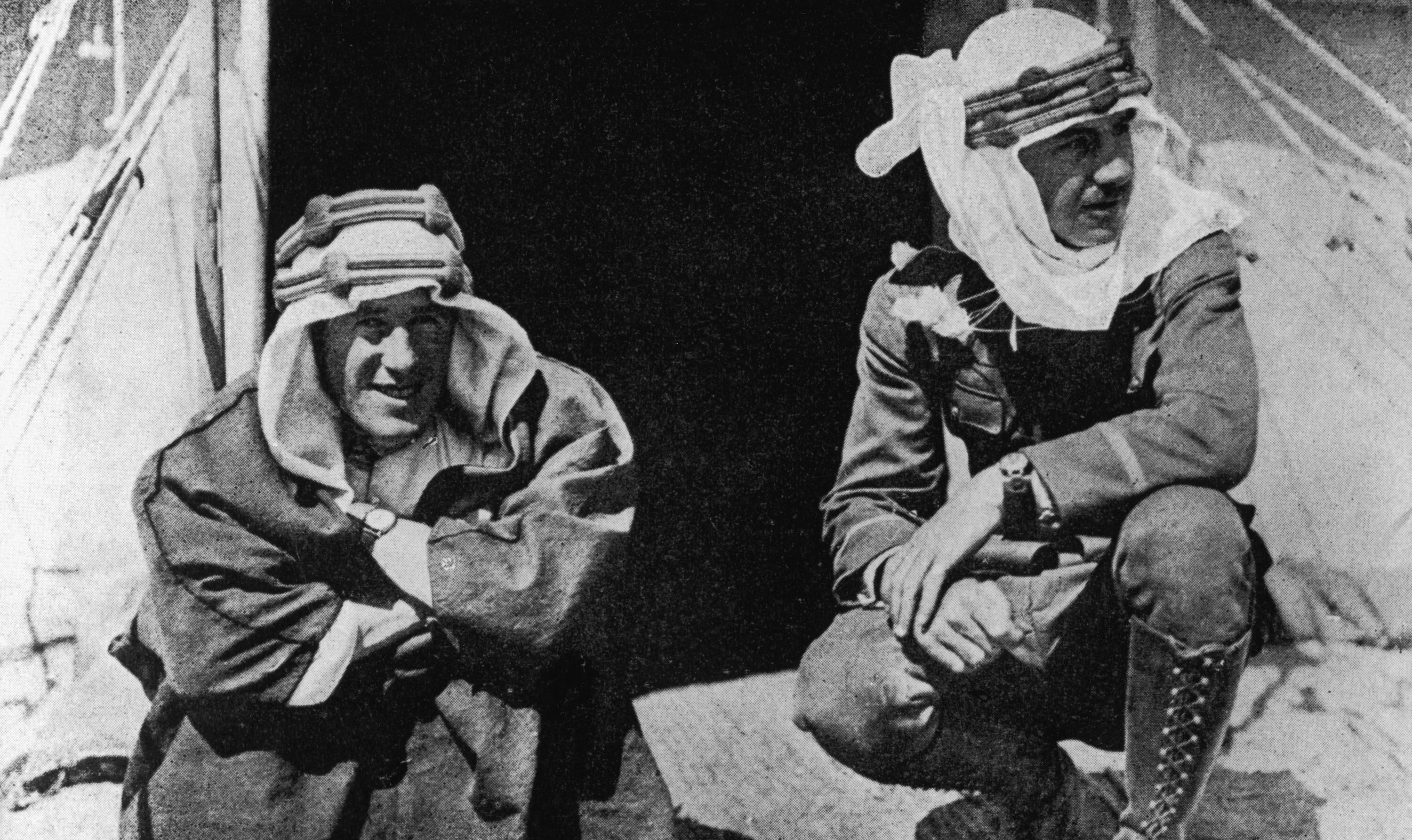
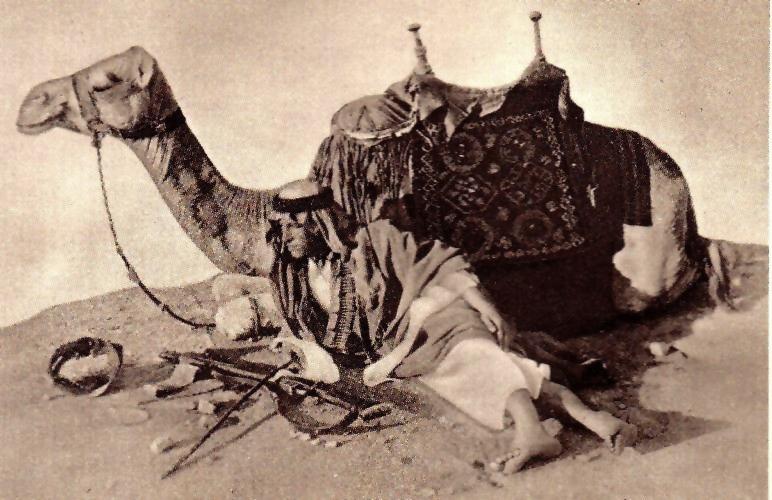
Modern men could benefit enormously from this discipline. When entering any unfamiliar community (Arab or otherwise) the gentleman studies before he judges. He notices. He asks questions respectfully. He refrains from making every interaction about himself. However, this does not mean abandoning discernment or pretending every custom is equally admirable. Lawrence himself was often critical, conflicted, and morally uncertain about the world around him. Yet he believed understanding must precede judgment. Frankly, that principle alone would improve modern public discourse dramatically.
Lesson #4: Hospitality & Honor
One of the most striking elements of Arab culture (especially in traditional societies) is the seriousness with which hospitality is treated. A guest is not merely tolerated. A guest is honored. Beverages are offered. Food is shared. Conversation stretches deep into the evening. The host assumes responsibility for the comfort and dignity of those under their care.
Lawrence admired this deeply. Perhaps modern America (so increasingly fragmented, lonely, and transactional) has something to learn from it. Too many modern men have become consumers instead of hosts. They know how to order food, but not serve it. They know how to network, but not how to welcome. They know how to posture online, but not how to make another human being feel at ease in their presence.
Gentility demands more. A gentleman notices whether everyone at the table has been served. He introduces isolated guests into conversation. He expresses gratitude sincerely when welcomed into another family’s home. Furthermore, he understands that hospitality is not weakness. It is civilization itself.
Lesson#5: Strength Without Crudity
Modern masculinity often swings wildly between extremes. On one side, you have passive softness disguised as virtue, and on the other, you have performative aggression masquerading as strength. Lawrence represented something rarer. He was courageous without becoming crude. Refined without becoming weak. Educated without becoming pretentious. He fought in one of the harshest and less-discussed theaters of the First World War. He endured physical suffering, tribal warfare, political betrayal, and brutal desert campaigns. Yet his writings remain introspective, poetic, and morally searching.
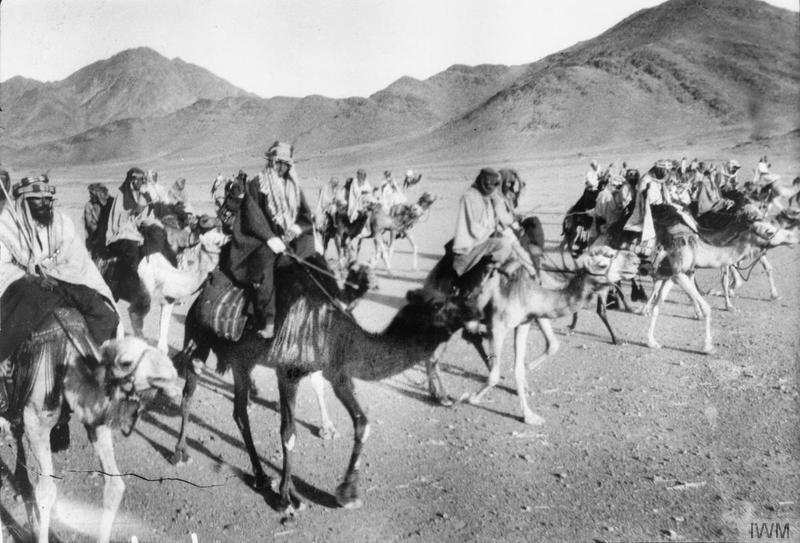
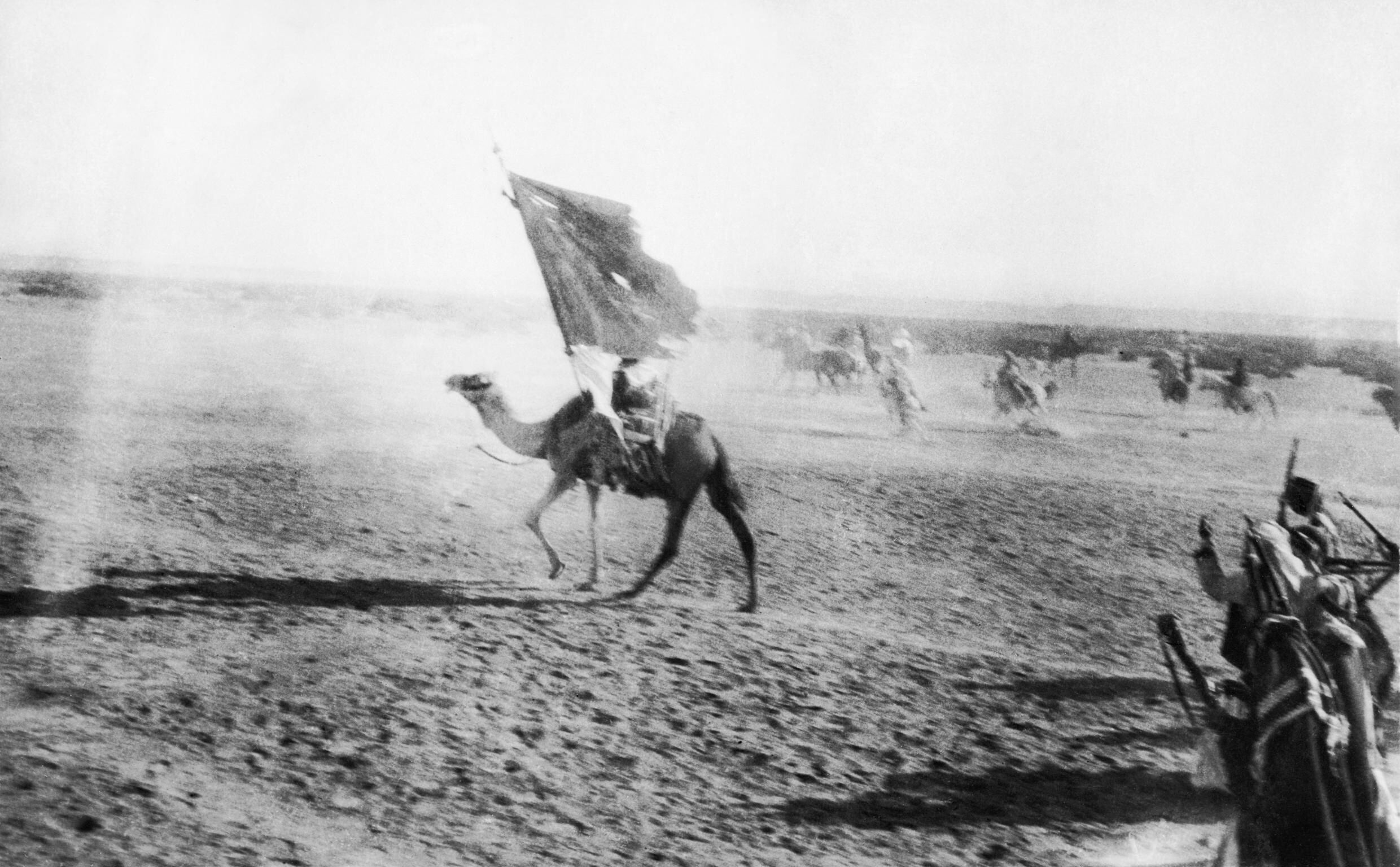
In Seven Pillars of Wisdom, he wrote:
“To me an unnecessary action, or shot, or casualty, was not only waste but sin” (Lawrence 661).
There is enormous moral maturity in that sentence. The modern gentleman does not seek conflict simply to prove his masculinity. He understands that power carries responsibility. That words can wound. That violence (physical or verbal) should never be indulged casually. True strength is disciplined and never theatrical.
Lesson #6: Crossing Worlds Without Losing Yourself
Perhaps Lawrence’s greatest lesson for modern men is this. You can move between cultures without surrendering your identity. Too many people today believe there are only two options: Either aggressively reject foreign cultures and retreat into tribal suspicion, or dissolve entirely into fashionable cosmopolitanism; with no roots, convictions, or center.
Lawrence chose neither. He remained unmistakably English while deeply respecting Arab civilization. He adapted externally while preserving internal coherence. He admired aspects of Arab life without naïvely idealizing it. That balance made him effective as both diplomat and leader.
Perhaps, that balance is also what modern America increasingly needs. A country cannot survive if its people fear all cultural difference. Nor can it survive if its people lose confidence in their own civilization entirely. Gentility offers a middle road: Confidence without arrogance. Curiosity without self-erasure. Respect without submission.
Lesson #7: The Gentleman in the Modern City
Imagine this scene. You are invited to an Iftar dinner during Ramadan by a Muslim coworker. A crude man arrives late, makes jokes about unfamiliar food, dominates the conversation, and leaves without thanking the host. A weak man performs exaggerated self-consciousness, apologizing constantly for being American and trying too hard to appear culturally enlightened.

What does the gentleman do? The gentleman arrives punctually. He dresses respectfully. He greets elders courteously. He asks thoughtful questions and listens carefully to the answers. He brings dates or pastries as a gift. He expresses gratitude sincerely before leaving. Most importantly: He remains entirely himself while doing so. That is Lawrence’s gentility. Not performance. Not politics. Pure character.
Lesson #8: “Nothing Is Written”
Returning once more to Seven Pillars of Wisdom, Lawrence famously declared:
“Nothing is written” (Lawrence 27).
The phrase has often been interpreted romantically as a declaration that fate itself remains unwritten. Perhaps it means something simpler as well: Civilization itself is unwritten. The future of multicultural societies is not predetermined. The tone of our interactions, the quality of our communities, and the dignity with which we treat one another are not accidents of fate. They are conscious choices.
Gentility remains one of the most important choices a man can make. Not because it makes him fashionable, but because it makes him trustworthy. In an age increasingly defined by outrage, suspicion, noise, and social fragmentation, the gentleman still possesses both a quiet and revolutionary power. T. E. Lawrence understood this in the deserts of Arabia over a century ago. Perhaps modern men should rediscover it now.
Works Cited
- Lawrence, T. E. Seven Pillars of Wisdom. Wordsworth Editions, 1997.
- Lawrence, T. E. “Twenty-Seven Articles.” The Arab Bulletin, 20 Aug. 1917, Boston University Archive.
- Lawrence of Arabia. Directed by David Lean, performances by Peter O’Toole, Alec Guinness, and Omar Sharif, Columbia Pictures, 1962.
- Mack, John E. A Prince of Our Disorder: The Life of T. E. Lawrence. Harvard UP, 1996.
- Wilson, Jeremy. Lawrence of Arabia: The Authorized Biography of T. E. Lawrence. Atheneum, 1989.
About the Creator
Jacob Herr
Born & raised in the American heartland, Jacob Herr graduated from Butler University with a dual degree in theatre & history. He is a rough, tumble, and humble artist, known to write about a little bit of everything.
Enjoyed the story? Support the Creator.
Subscribe for free to receive all their stories in your feed.
Comments
There are no comments for this story
Be the first to respond and start the conversation.