advice
Dating, married, single, divorced, and more. Advice on the relationships you have in life. Dear, Humans..
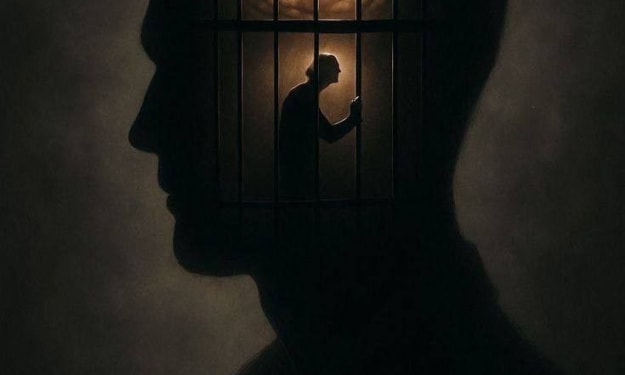
The Geometry of Patience
Human life is a strange and beautiful architecture. It is a structure built not just of our successes and laughter, but of our silences, our shadows, and our struggles. As I reflect on the journey I am currently taking, I am struck by a peculiar habit of the human heart: we spend our days building monuments to our sorrows. We focus so intensely on the darkness of a single moment that we become blind to the vast, luminous light that has guided us for years.
By Shazzed Hossain Shajal9 months ago in Humans
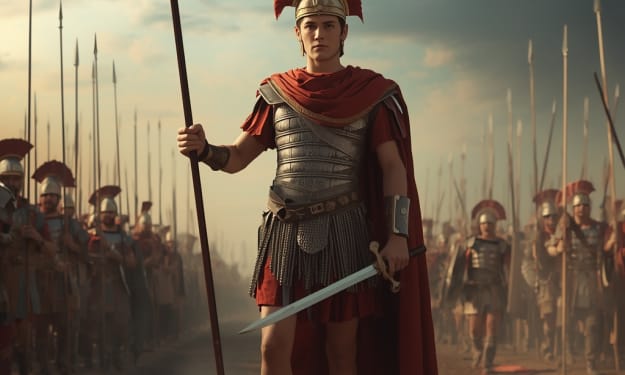
Alexander the Great – Part 2: From Young King to Conqueror of Empires. AI-Generated.
The Assassination of Philip II and a Sudden Rise to Power Alexander’s path to the throne began dramatically. His father, King Philip II, was assassinated during a royal celebration. The circumstances remain mysterious, but the effect was immediate: a young prince suddenly inherited a powerful yet unstable kingdom. Macedonia had grown strong under Philip’s leadership, but many Greek city-states still resented Macedonian dominance. Some leaders believed that with Philip gone, they could break free from Macedonian control. Alexander understood that hesitation would invite rebellion. He acted swiftly to secure his throne. Potential rivals within the royal family and among the nobility were neutralized, and loyal generals supported his claim. Within months, Alexander had established himself firmly as king. His first challenge, however, was not foreign conquest—it was maintaining unity at home. Crushing Rebellion in Greece As news of Philip’s death spread, several Greek cities began to rebel. Athens and Thebes, in particular, saw an opportunity to challenge Macedonian authority. Alexander responded with speed and force. He marched south with his army and demonstrated that he possessed not only courage but also decisive leadership. The most significant rebellion occurred in Thebes. When the city rose against Macedonian rule, Alexander surrounded it and demanded surrender. When resistance continued, he ordered a full assault. Thebes was destroyed, and thousands were killed or enslaved. Although harsh, this action sent a clear message to all of Greece: Macedonia remained dominant under Alexander. After this, most Greek states submitted, and Alexander was recognized as the leader of a united Greek force. This unity was essential. Philip had long planned an invasion of the Persian Empire, and Alexander now intended to fulfill that ambition. Preparing for the Persian Campaign The Persian Empire was the largest and wealthiest empire in the world at the time. It controlled vast territories across Asia and had enormous resources. For a young king to challenge such power seemed almost impossible. Yet Alexander possessed several advantages. He inherited a highly trained army, experienced generals, and a clear military strategy from his father. Before leaving Greece, Alexander secured his northern borders by defeating rebellious tribes in the Balkans. This ensured that Macedonia would remain stable during his absence. He then assembled a force of about 30,000 infantry and 5,000 cavalry—a relatively small army compared to the massive forces of Persia. However, this army was disciplined, well-trained, and loyal. In 334 BCE, Alexander crossed the Hellespont (modern-day Dardanelles), symbolically entering Asia. According to legend, he threw a spear into the ground and declared it conquered land. This dramatic act marked the beginning of his campaign against Persia.
By Say the truth 9 months ago in Humans
AI Has a Mind — But No Soul
Artificial intelligence is everywhere now. It writes, analyzes, predicts, recommends, and responds with an ease that feels almost natural. In many ways, AI appears to possess a “mind” — it can process information, learn from experience, and solve complex problems faster than any human ever could.
By Mind Meets Machine9 months ago in Humans
Why Overthinking Is a Sign of Intelligence—and How to Control It. AI-Generated.
Overthinking gets a bad reputation. It’s blamed for anxiety, sleepless nights, and the endless replaying of conversations that already happened. We’re told to “just stop thinking so much” as if the mind has an off switch.
By Manikesh Tripathi9 months ago in Humans
Understanding Gold Rates: How They Change and What It Means for You
Gold has always been a symbol of wealth, power, and security. From ancient civilizations to modern-day investors, people have trusted gold as a store of value. But if you’ve ever checked the gold rates lately, you might have noticed how unpredictable they can feel. One day the price rises, the next it falls. So why does this happen, and how can you, as a buyer or investor, make sense of it? Let’s dive in.
By Ashen Asmadala9 months ago in Humans
How Are Himalayan Salt Blocks Used in Cooking and Grilling?
Essential to this, the natural cooking method is a trend that is gaining popularity since the population has been seeking healthier and tastier ways of cooking food. The use of a Himalayan salt block is one of the best organic techniques that can be identified in cooking.
By Pink salt wall9 months ago in Humans
The Day I Stopped Romanticizing My Pain
For years, I thought my pain made me real. I thought it made me deep, interesting, worthy of being understood. I carried it like a secret language, something only certain people could recognize. I didn’t just experience heartbreak or loneliness—I turned it into poetry. I wrapped it in beautiful words, soft metaphors, and late-night reflections.
By Imran Ali Shah9 months ago in Humans