
Secret Service kills suspect near White House
The agents returned fire
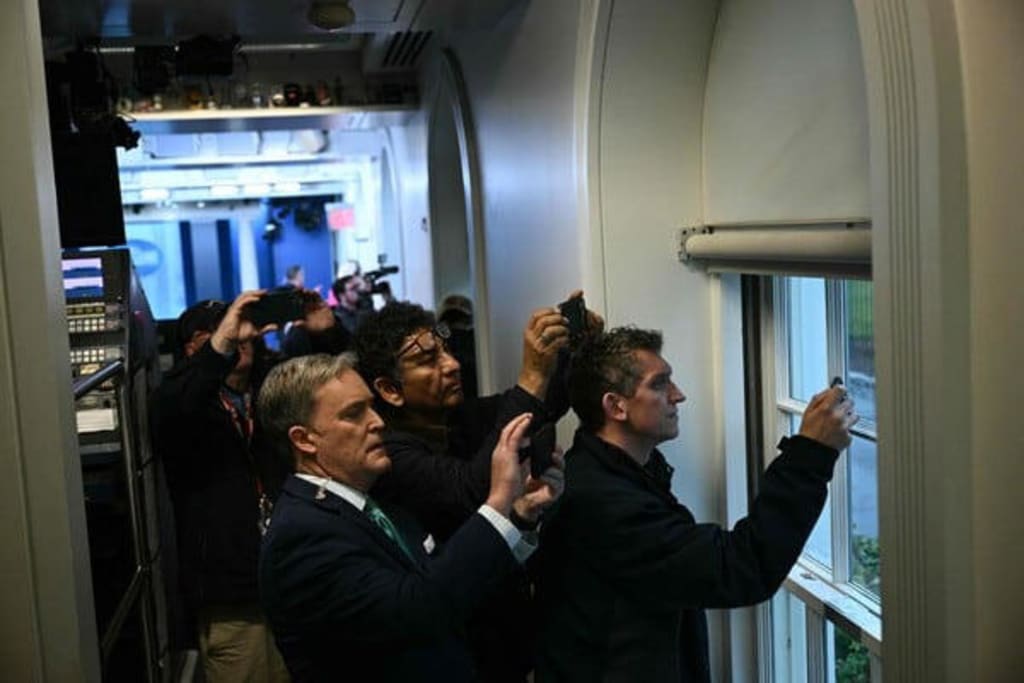
Just after 6 p.m. on May 23rd, the kind of scene that nightmares are made of unfolded just steps away from the most protected address in the world. A man approached a Secret Service checkpoint at an intersection near the White House, reached into a bag, pulled out a weapon, and opened fire on the officers standing guard. The agents returned fire. The suspect was rushed to a nearby hospital — but he didn't make it. He was pronounced dead.
The White House was placed on immediate lockdown. A bystander was wounded in the crossfire. And President Donald Trump, who was inside the White House at the time, was confirmed safe.
U.S. media, including CNN, identified the gunman as Nasir Best, 21 years old, from Maryland. And the more details that emerged about this man, the more unsettling the story became. Best wasn't a stranger to the Secret Service. He had been on their radar before — previously monitored after wandering near the White House and asking questions about how to get inside. Last year, he was forcibly admitted to a psychiatric hospital after blocking vehicle access to the White House. At the time, he reportedly told authorities he was "Jesus Christ" and said, quote, "I want to be arrested."
The system had him. And then it lost him.
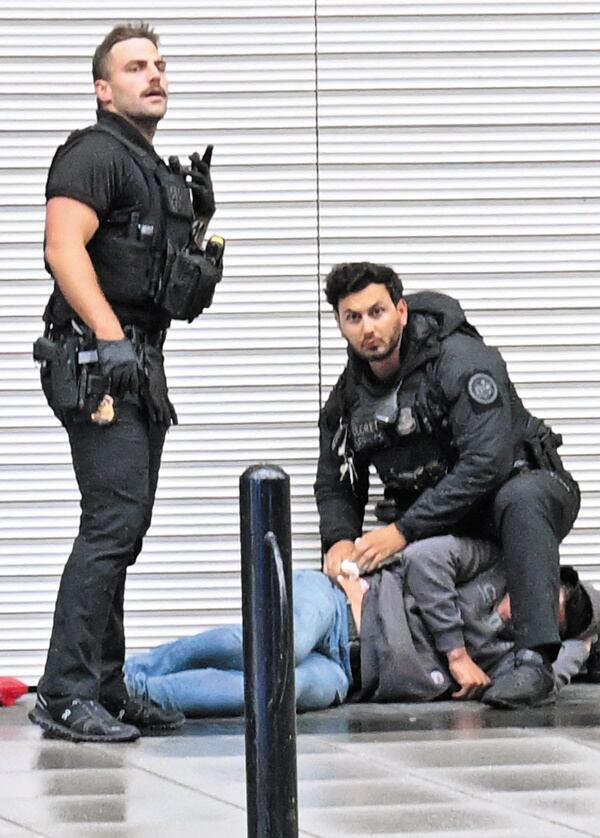
The intersection where the shooting took place sits approximately 200 meters from the main White House building. That's not far. That's close enough to hear the footsteps of the guards. Close enough that dozens of gunshots rang out loud enough for journalists on the North Lawn to dive for cover. ABC News correspondent Selina Wang described hearing what sounded like dozens of rapid gunshots before ducking for her life.
Following the incident, President Trump took to social media with a statement that pulled no punches. He said the shooter had a history of assault and was likely obsessed with the White House, calling it "the most precious architectural structure in our country." He went further, saying the attack was proof of how critical it is to maintain the safest facility in history in Washington D.C. — for every future president who will call it home.
But here is the part of this story that should stop you cold. This was not an isolated incident. Not even close.
Since the start of Trump's second administration, shootings near the White House have occurred repeatedly. Just earlier this month, a suspect armed with a firearm engaged federal agents in a gun battle in downtown Washington D.C. Last year, an Afghan immigrant opened fire on two National Guard soldiers at a nearby intersection — killing one and leaving another critically injured. And just last month, an armed suspect attempted to breach a security checkpoint at the White House Correspondents' Dinner — an event Trump was attending — before being taken down by authorities.
Three major incidents. One month. One president. One city on edge.
So what is going on? How does the most heavily guarded address on the planet keep finding itself at the center of violent confrontations? Are the cracks in America's security infrastructure beginning to show — or is the Secret Service doing exactly what it was built to do, stopping threats before they become tragedies?
The answers are complicated. But analysts are increasingly pointing to something beyond just security failures. America is living through one of the most intense periods of political polarization in its modern history. And in that environment, Donald Trump — with his blunt, fiery, and deeply controversial rhetoric — has become a lightning rod unlike any president before him. Experts suggest that his style of public communication, combined with his love of large public appearances and high-profile events, is creating a cocktail of conditions that emboldens a dangerous fringe — the so-called lone wolves. Radicalized individuals who act alone, with no formal network, no warning signs that traditional intelligence can easily detect, and nothing left to lose.
Nasir Best was 21 years old. He had been flagged. He had been hospitalized. And still, on a Saturday evening in May, he walked up to a checkpoint outside the White House and started shooting.
The Secret Service held the line. The officers survived. Trump was safe. But the bystander caught in that crossfire didn't ask to be part of any of this. And the questions that linger are the ones that no official statement has fully answered yet.
How many more times will this happen? How many more Nasir Bests are out there, watching, waiting, convinced they have a mission? And at what point does America have an honest conversation about what is fueling this wave of violence — not just the weapons, but the rage behind them?
About the Creator
Enjoyed the story? Support the Creator.
Subscribe for free to receive all their stories in your feed.
Comments
There are no comments for this story
Be the first to respond and start the conversation.