
Iran–US Talks Continue in Pakistan Amid Hopes for Historic Breakthrough
Pakistan Hosts Ongoing Iran–US Negotiations as Tensions Remain High

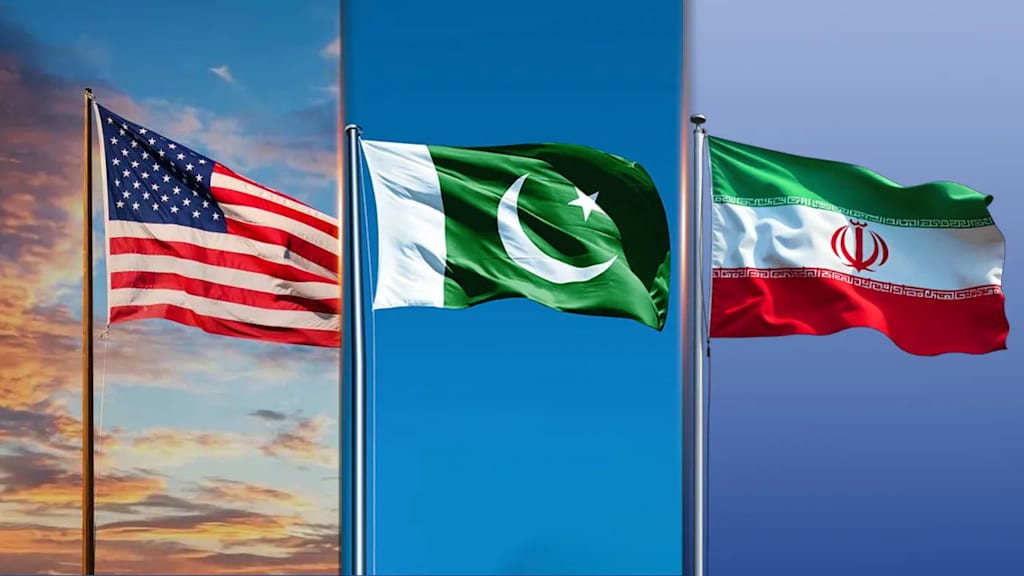
In a significant and closely watched diplomatic development, Pakistan has emerged as the central venue for high-level negotiations
between the United States and Iran. The talks, taking place in Islamabad, mark a rare moment of direct engagement between two
long-standing adversaries whose relations have been strained for decades. As global attention focuses on these discussions, hopes for
de-escalation are tempered by deep-rooted mistrust, competing demands, and an increasingly volatile regional environment.
The negotiations began on April 11, 2026, and are widely described as the most important direct talks between Washington and Tehran in
years. Senior officials from both sides are participating, including U.S. Vice President JD Vance and Iran’s Foreign Minister Abbas Araghchi.
� Their presence underscores the seriousness of the dialogue and
signals a willingness—at least temporarily—to explore diplomatic solutions to a conflict that has escalated dangerously in recent weeks.
The Guardian
Pakistan’s role as host and mediator reflects its growing diplomatic ambitions and strategic positioning in regional affairs. Islamabad has
actively promoted dialogue as a pathway to peace, engaging with multiple stakeholders in the Middle East and beyond. Analysts note
that Pakistan’s efforts are aimed not only at resolving the immediate crisis but also at establishing itself as a credible intermediary in
global diplomacy. �
Arab News
The talks are taking place under tight security in Islamabad, particularly around the Serena Hotel, where delegations are meeting.
The city has effectively been placed on high alert, with roads blocked, businesses closed, and thousands of security personnel
deployed to ensure the safety of participants. � These measures
reflect both the importance of the talks and the risks associated with hosting such high-profile negotiations amid ongoing regional
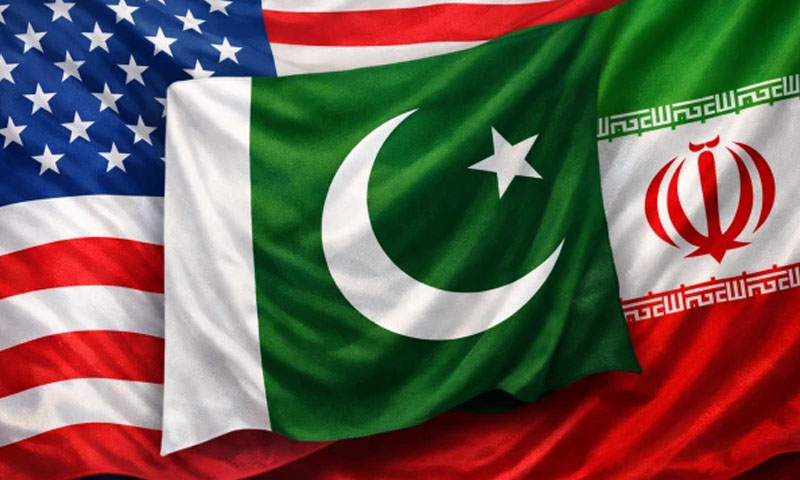
tensions.
Reuters
At the heart of the discussions are several contentious issues, including a potential ceasefire, financial disputes, and broader
security concerns in the Middle East. Iran has reportedly called for a ceasefire in Lebanon, the unfreezing of billions of dollars in assets,
and compensation for damages, while the United States has approached these demands cautiously. � The gap between the two
sides remains significant, raising questions about whether meaningful progress can be achieved in the short term.
The Guardian
Complicating matters further is the broader geopolitical context. The region continues to experience instability, particularly due to ongoing
clashes involving Iran-backed groups and other regional actors. A fragile ceasefire remains in place, but it is under constant threat of
collapse. � This uncertainty adds urgency to the negotiations, as failure could lead to renewed conflict with potentially far-reaching
consequences for global security and energy markets.
euronews
Despite these challenges, there are cautious signs of optimism. The very fact that direct talks are taking place is seen as a breakthrough,
given the history of indirect communication and diplomatic
stalemates between the two countries. Pakistan’s mediation has helped bring both parties to the table, even if only to explore the
possibility of continued dialogue. �
Al Jazeera
However, expectations remain modest. Officials and analysts alike suggest that the primary goal of the current round of talks is not
necessarily to reach a comprehensive agreement, but rather to establish a framework for ongoing negotiations. Maintaining open
lines of communication may be the most realistic and immediate outcome, especially given the complexity of the issues at hand.
The stakes could not be higher. The conflict between the United States and Iran has already had significant economic and political
repercussions, disrupting global markets and heightening tensions across the Middle East. Analysts warn that prolonged instability could
further impact oil supplies and international trade, making a diplomatic resolution all the more urgent. �
Arab News
In this context, Pakistan’s diplomatic initiative represents both an opportunity and a risk. Success could elevate its status on the global
stage and contribute to regional stability. Failure, on the other hand, could reinforce skepticism about the viability of diplomacy in
resolving deeply entrenched conflicts.
As the talks continue, the world watches closely. Whether these negotiations will lead to a lasting peace or merely serve as a
temporary pause in hostilities remains uncertain. What is clear, however, is that dialogue—however difficult—remains the only
viable path forward in a region where the cost of conflict is simply too high.
In the coming days, further developments are expected as both sides assess their positions and consider the next steps. For now, Islamabad
stands at the center of a delicate and high-stakes effort to bridge one of the most enduring divides in international relations.
About the Creator
Niaz Muhammad
Insha Allah, I will write in such a good way that people with weak eyesight or the elderly can easily read it.
Enjoyed the story? Support the Creator.
Subscribe for free to receive all their stories in your feed.
Comments
There are no comments for this story
Be the first to respond and start the conversation.