
Voice Of A Mill Girl
The Bread and Roses Strike of 1912


Lawrence, Massachusetts, January 12th, 1912
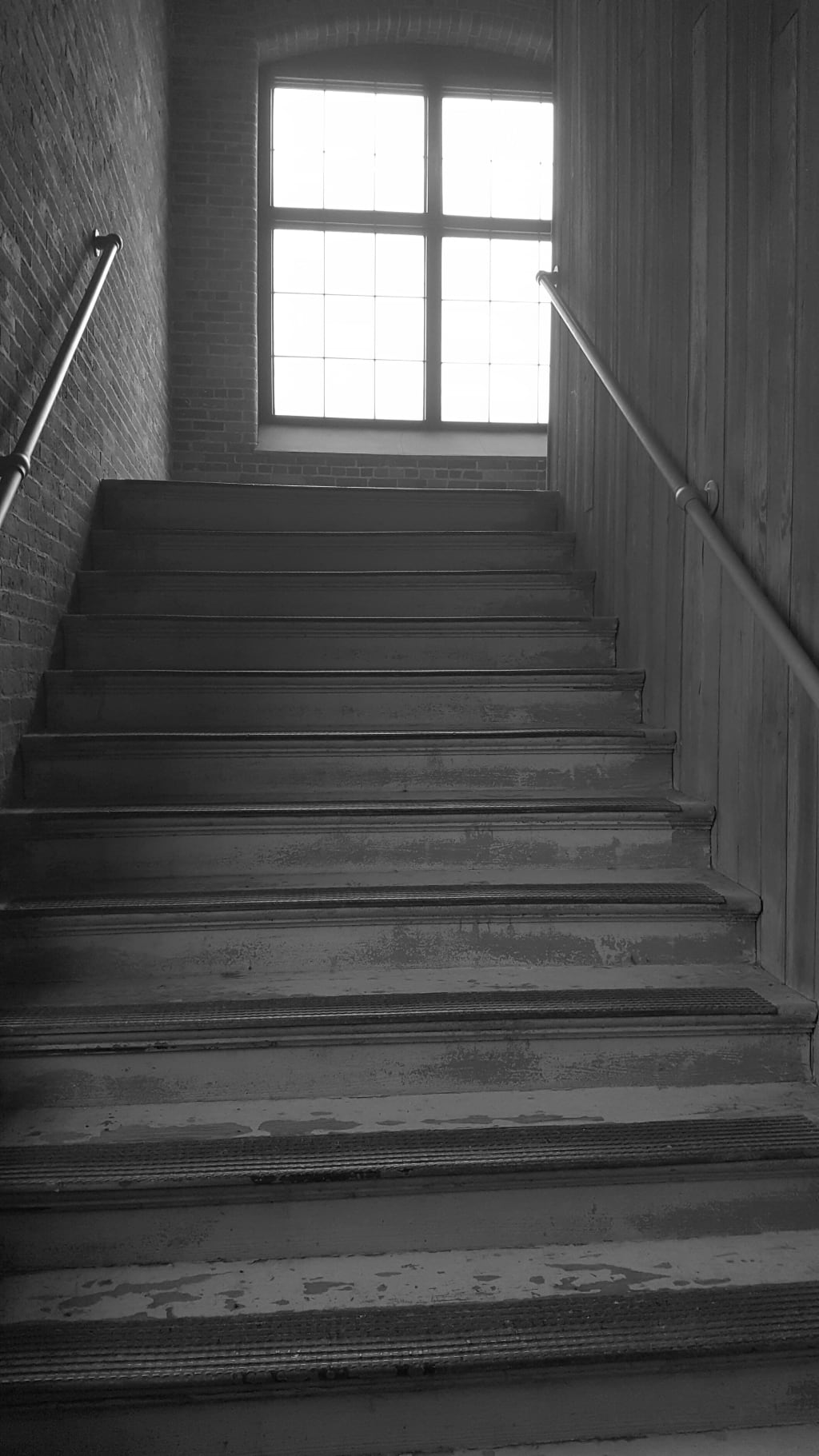
I tried to quicken my pace up the wooden stairs of the Washington Mill that morning. My boots hit each step with vigor. The temperature was below freezing and the holes in my gloves let in raw cold causing my fingers to turn blue. I could hear several women in front of me racing before the toll clock struck seven. I kept my head low when passing the foreman who was looking for any sign among us as to who was an instigator of possible things to come. I walked swiftly past my station where I created wool for men’s high-end suits and women’s coats sold at places that I could not afford. I tucked my own coat filled with patches in the closet labeled for workers and headed back to my spot.
I could feel the eyes of the foreman, Mr Tenney, on me. I think he may have seen me passing out flyers on Essex Street. The flyers contained instructions if we received the word today. I started up my loom and started to unravel the threads as I pressed the floor pedal to pull the harp shaped metal piece towards me in the rhythm, I had done this routine every day except Sundays for the last five years. Since the week after my fifteenth birthday, I have worked here. Ten hours a day with fifteen minutes for my lunch, six days a week until all my bones hurt. Twenty years old and I had the pain of a woman twice my age. Today though things may change.
I looked up to see my friend Lucilia who was working on a loom closer to the window. She was able to position herself every other pull to check the happenings outside. We waited for the Polish women who had left their positions yesterday when their pay was reduced. They would signal when our time was to move forward. Mr Tenney was standing next to me. I tried to ignore him and unraveled more thread as I felt his hand grab my shoulder.
“Francesca, I hope you aren’t planning to participate in anything as was done at Everett Mill yesterday!” His large hands pulled me around to face his Winsor glasses and the largest belly I have ever seen a man carry. He moved his glasses back up on his nose while looking down at me.
“Let me tell you something young lady, we will run these looms with or without the likes of a troublemaker!”
I bowed my head and nodded. I turned back to my loom and my hands once frozen moments ago were now sweating. I was about to risk everything. Everything as in my job at the mills and I was not sure there was any other type of work for me. Before working here, I did attend school. I even thought I may be able to attend the teacher’s college. My parents both worked here. Both have passed now. I have a younger brother whom I care for. When my parents died within months of each other, I had no choice but to work so Samuele and I could eat.
At first, I thought I could handle the conditions which were unsafe and unbearable at times. We work so hard and we are not allowed even a break to catch some air. I have seen so many people get sick or hurt in the overcrowded mill. The looms will take your scalp if you get too close and yet we are forced to be close. When I heard that our pay would be reduced from already meager wages we receive, I volunteered to be a lead girl for the workers. The Polish women from the Everett Mill started to organize a strike. They came to the local market and to our tenements on Sundays. Groups of us started to join. There would be a plan for everything should we decide to walk down those steps. A way we would support each other to have food and keep warm.
There were even leaders of labor coming to Lawrence who would help send children to families out of state if needed. The strange thing was that we all spoke different languages. Polish, Spanish, Armenian, Greek, Italian, Gaelic, etc..,I’m not sure anyone was from Lawrence. We were all from different parts of the country and the world, yet we understood each other through symbols and nods. We all wanted something better and deserved something better. My eyes moved from the loom as I heard Lucilia call out.
“It’s time, they are here!”
I ran over to her and watched out the large picture window as the Polish women who walked out of the Everett Mill yesterday were joined by workers, mostly women, from the Ayer and Pacific Mills. I took a deep breath. We stopped our looms and tossed the pencil I had carried to girls in the next room as each then stopped their loom and gathered their things.
“It’s time!” Repeated over and over in all different languages. I put my coat on and then cast a smile at Mr Tenney as he watched his entire floor leave and march down the stairs, they had just rushed up an hour earlier.
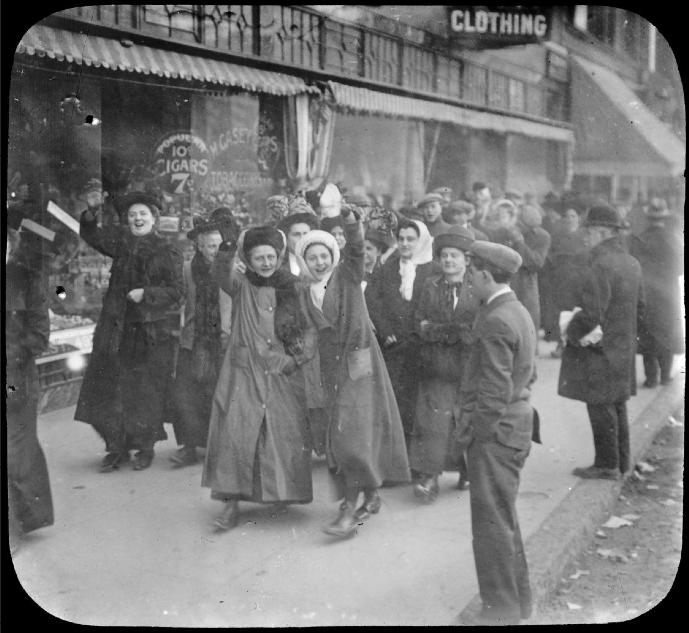
This is a story of historical fiction based on the Lawrence Textile Mill Strike of 1912 which I have always been fascinated with. The strike also known as the Bread and Roses Strike involved mostly women and some men who worked in the mills. According to the New England Historical Society, these women many of whom had been in the country less than five years faced harsh working conditions and low pay. When their pay was reduced due to a new law it was a tipping point to strike. The strike itself lasted two months but the planning and the organization of the women involved was extensive. They had organized and supported each other to supplement food and other costs. They wanted their pay reinstated and safer worker conditions. Children were even sent to live with families outside the community in states such as New York and Vermont. The mill owners had law enforcement on their side to break up the marches of protesters when they came to the street. Violence did break out. One woman was killed by a stray bullet. Two outside leaders of a union supporting the strike, Joseph Ettor and Arturo Giovannetti were charged and later exonerated.
Another horrific moment of violence came when about 100 women and children were attacked and beaten by police when the women were trying to send their children off to outside families. This incident caught the attention of the outside world by the press and led to the mills conceding to some of the strikers demands. Though the concessions did not last, they did show that even through impossible odds these women could stand up to the powers of the mill owners.
I have worked in these very mill buildings for many years which now have been converted into offices and loft apartments. Every time I take the stairs, I can feel a sense of the mill girls and what their lives were like. They worked hard, they suffered yet there was sense of community. This time during the Bread and Roses Strike gave them a sense of hope. This sense of common ground makes me think that if I could live in a different time, I would like to see their world.
About the Creator
C. H. Richard
My passion is and has always been writing. I am particularly drawn to writing fiction that has relatable storylines which hopefully keep readers engaged
Enjoyed the story? Support the Creator.
Subscribe for free to receive all their stories in your feed. You could also become a paid subscriber, letting them know you appreciate their work.
Comments
There are no comments for this story
Be the first to respond and start the conversation.