
The surprising discoveries made about Neanderthal babies
A vanished lineage
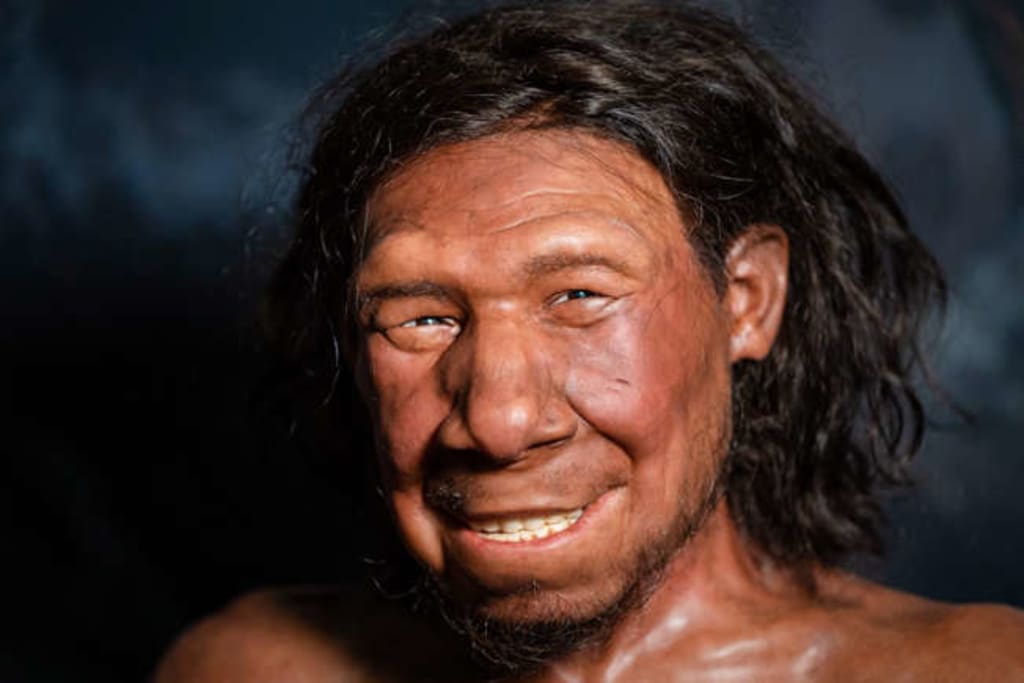
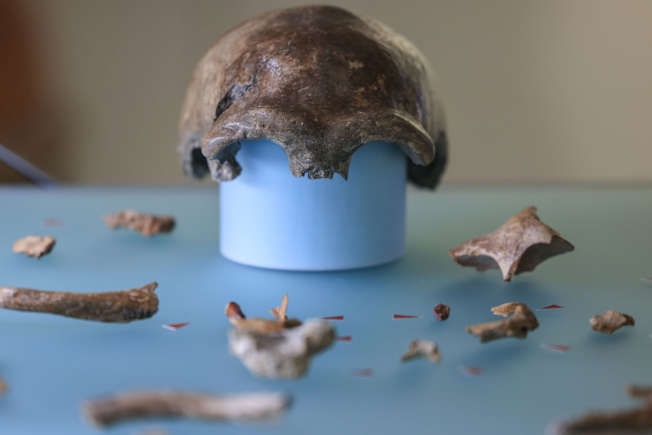
Fifty thousand years ago, deep in a cave near the Sea of Galilee, a Neanderthal baby died. It was only six months old. Scientists found its bones in 1992 — and for decades, those bones sat largely undescribed, waiting. Now, in 2026, researchers have finally done a full analysis of that tiny skeleton — and what they found has completely changed what we thought we knew about our closest extinct relatives.
The baby, known as Amud 7, was only about six months old when it died. Yet its body and brain were already the size of a one-year-old by modern human standards. Let that land for a second. Six months old. Body of a one-year-old. That kind of accelerated growth doesn't happen by accident — and scientists are now saying it tells us something profound about how Neanderthals lived, survived, and ultimately disappeared.
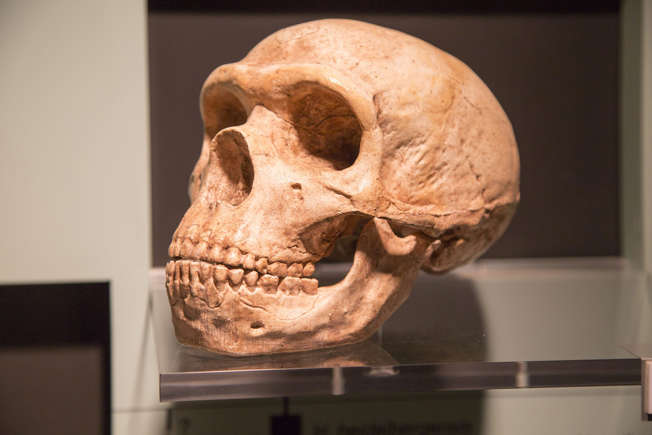
In total, the team analysed 111 skeletal pieces and used 3D modelling to build a digital version of the child to help them estimate its height, weight, and brain size. The result was the most detailed picture of a Neanderthal infant ever constructed. And right away, the numbers didn't add up — at least not by modern human standards.
When researchers analyzed Amud 7's age based on its arm and leg bones, the infant appeared to be around 13.7 months old. But when analysing its age using tooth histology — the microscopic study of enamel formation in the teeth — Amud 7 appeared much younger, closer to six months old. Meaning this baby's body had grown to a size typically seen in a child roughly twice its actual age. Scientists are calling this the "age paradox" — and it is one of the most fascinating things to come out of paleoanthropology in years.
But here's what makes this truly significant — it wasn't just Amud 7.
Researchers saw a similar trend — a relatively young dental age paired with an apparently older skeletal and brain age — when they looked at two other Neanderthal infants, a two-year-old found in Syria and a three-year-old found in France. Three different babies, three different locations, three different time periods — and the same pattern across all of them. As researcher Ella Been put it, seeing the same result across three Neanderthal infants shows this is not accidental. This was biology. This was by design.
So why were Neanderthal babies growing so fast?
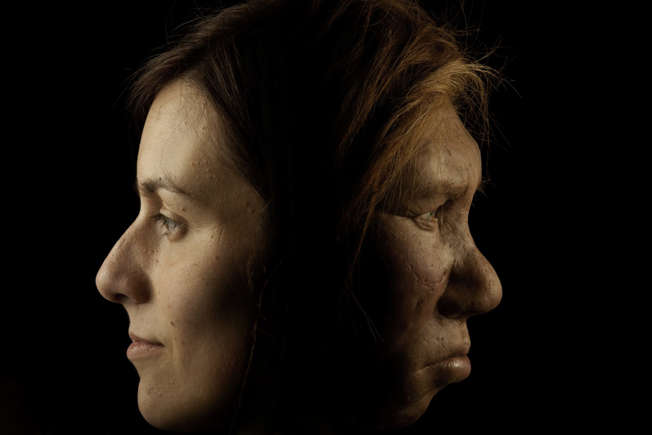
The leading theory comes down to survival. Growth rates influence energy needs, parental care, and adaptation to climate. Neanderthals lived in Ice Age Europe — harsh, brutal, unforgiving terrain. They hunted large animals, endured extreme cold, and competed for resources in a world that had no margin for error. Scientists believe that rapid early growth gave Neanderthal infants a physical advantage faster — bigger bones, larger brains, greater strength — all sooner than their Homo sapiens counterparts would develop those same traits.
But faster growth came at a cost. The infant exhibits signs of unusually rapid somatic growth, suggesting much higher early energy requirements in young Neanderthal children. That means Neanderthal mothers would have needed to consume significantly more calories to sustain that accelerated development — placing enormous pressure on the group as a whole.
Now here's what we still don't know — and what makes this mystery even deeper.
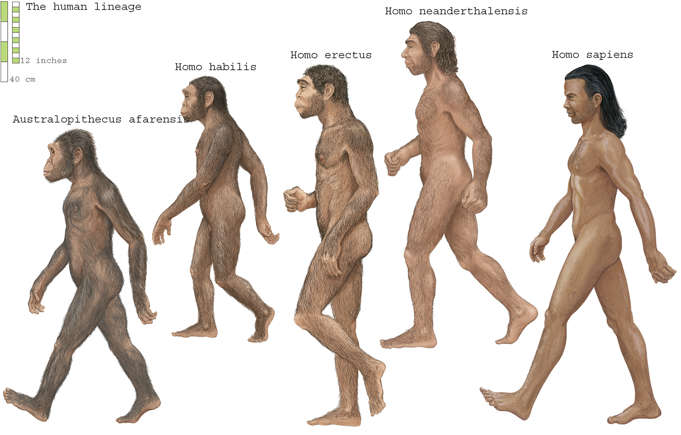
We don't know if Neanderthal babies walked earlier. We don't know if they spoke earlier or behaved differently from modern infants at the same age. Researchers cautioned that more data is needed from other non-adult Neanderthal skeletons, noting that a larger sample size may shed light on whether this pattern was widespread or a specific ecological adaptation.
What we do know is this — during their first few years of life, Neanderthal children grew faster than Homo sapiens, likely to improve their chances of survival in the harsh environments the species inhabited. And yet — despite all that biological resilience, all that accelerated strength and development — they still disappeared around 40,000 years ago. We survived. They didn't.
One tiny skeleton, buried in a cave for over fifty thousand years, is slowly helping us understand why.
Drop your thoughts in the comments. Like this video if prehistory blows your mind as much as it does ours. And subscribe — because the past always has more secrets to give up.
About the Creator
Enjoyed the story? Support the Creator.
Subscribe for free to receive all their stories in your feed.
Comments
There are no comments for this story
Be the first to respond and start the conversation.