
The Antonine Plague That Destroyed Rome — And We Have Been Calling It the Wrong Thing
The Antonine Plague of 165 A.D. killed up to ten million people and broke the Roman Empire from within. Historians blamed the barbarians. The real killer had no army, no name, and no mercy.
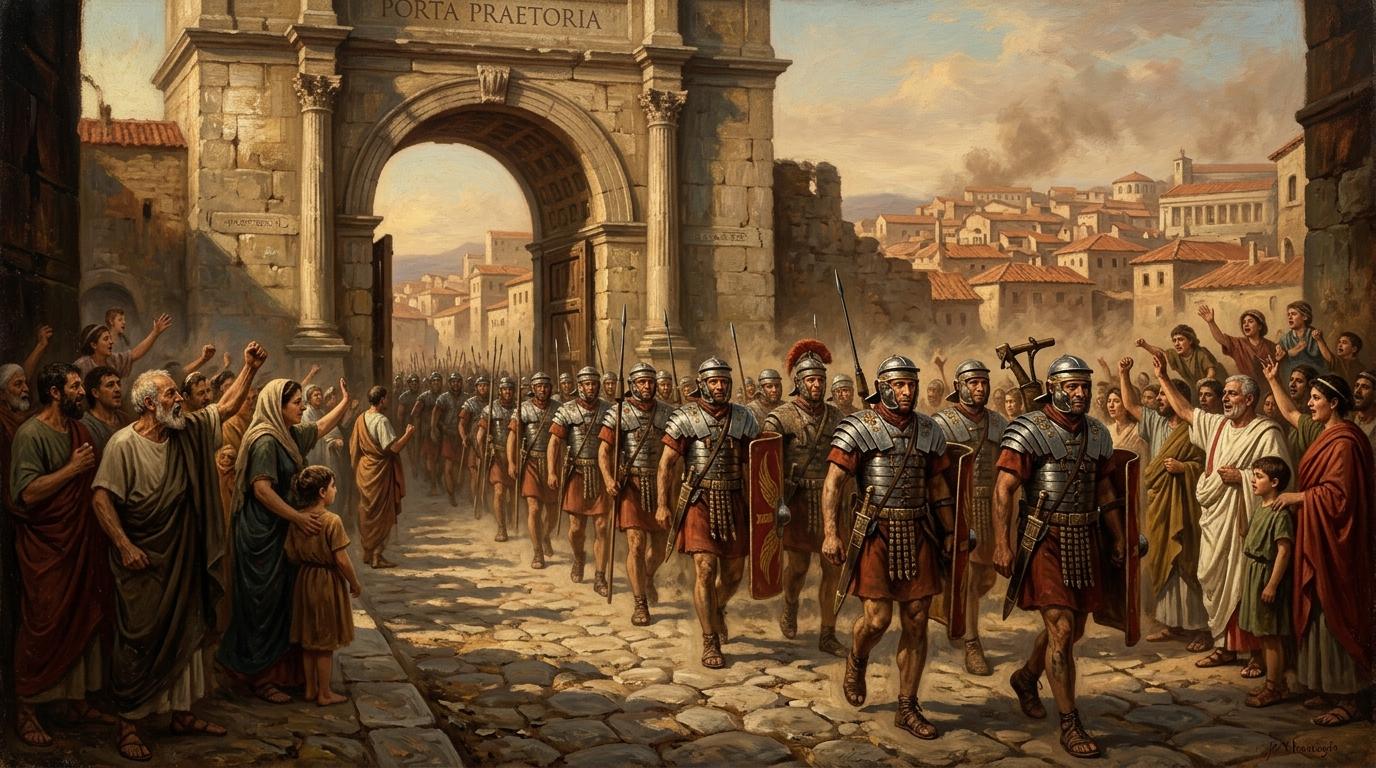
In 165 CE, the Roman army returned from a victorious campaign in Parthia.
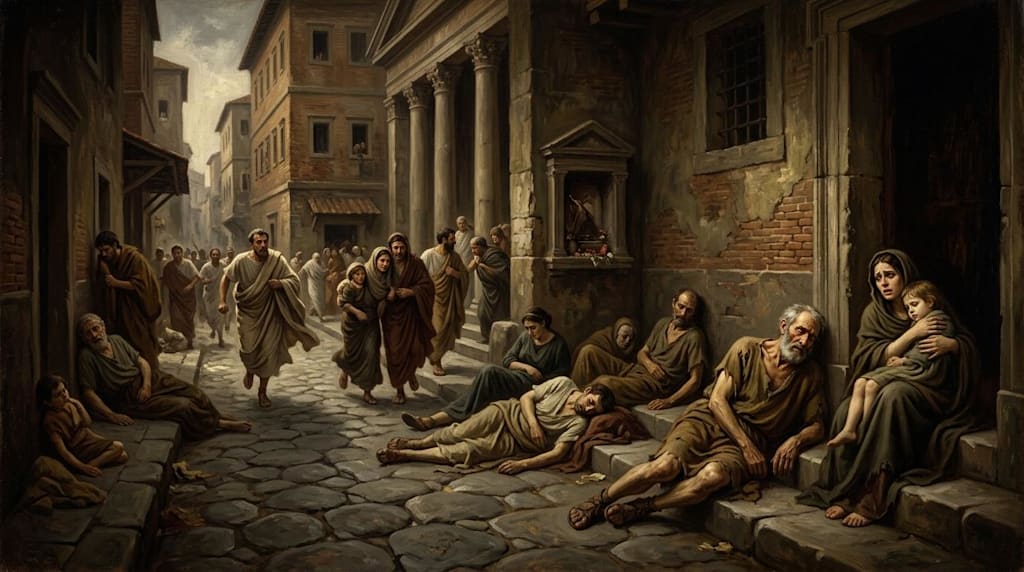
They brought back gold, prisoners, and something else: something invisible. Within months, soldiers across the empire were dying of a disease Roman physicians had never seen before. The symptoms were unlike anything in their medical texts: fever, diarrhea, and skin eruptions that blackened and fell away. Death came quickly in some cases. In others, death came slowly, over weeks.
The army spread the disease everywhere they marched.
The Disease That Killed Ten Million Romans and Has No Official Name
The Antonine Plague, named after the ruling Antonine dynasty rather than the disease itself, swept through the Roman Empire between 165 and 180 CE. Modern estimates suggest that it killed between five and ten million people. Some historians estimate the death toll was even higher.
For context, the total population of the Roman Empire at its peak was approximately sixty to seventy million. Thus, the Antonine Plague may have killed one in seven Romans.
It remains one of the most devastating pandemics in ancient history yet receives a fraction of the historical attention given to the Black Death or Spanish flu.
The official account of Rome's decline cites military pressure, economic strain, and political instability as contributing factors. These factors are real. However, they emerged after the plague had already taken its toll.
What the History Books Say — And What They Leave Out
The standard historical narrative offers the following: Rome gradually declined over several centuries due to military overextension, economic troubles, and pressure from Germanic tribes. The plague was an unfortunate complication.
However, this narrative cannot explain everything.
Before 165 CE, Rome was at the height of its military power. The legions were undefeated against any organized enemy in the field. The economy was functioning. The borders were secure.
After 165 CE, however, the picture changed entirely. Legion strength dropped dramatically as soldiers died faster than replacements could be recruited. Tax revenues collapsed as the productive population shrank. Agricultural output decreased as farmers died and fields went unworked. Marcus Aurelius, one of Rome's most capable rulers, spent the last decade of his reign fighting wars on multiple fronts with armies depleted by disease.
The barbarians did not break Rome. They walked through a door that the plague had already opened.
The Physician Who Watched It Happen
We know what the Antonine Plague looked like because one man wrote it down.
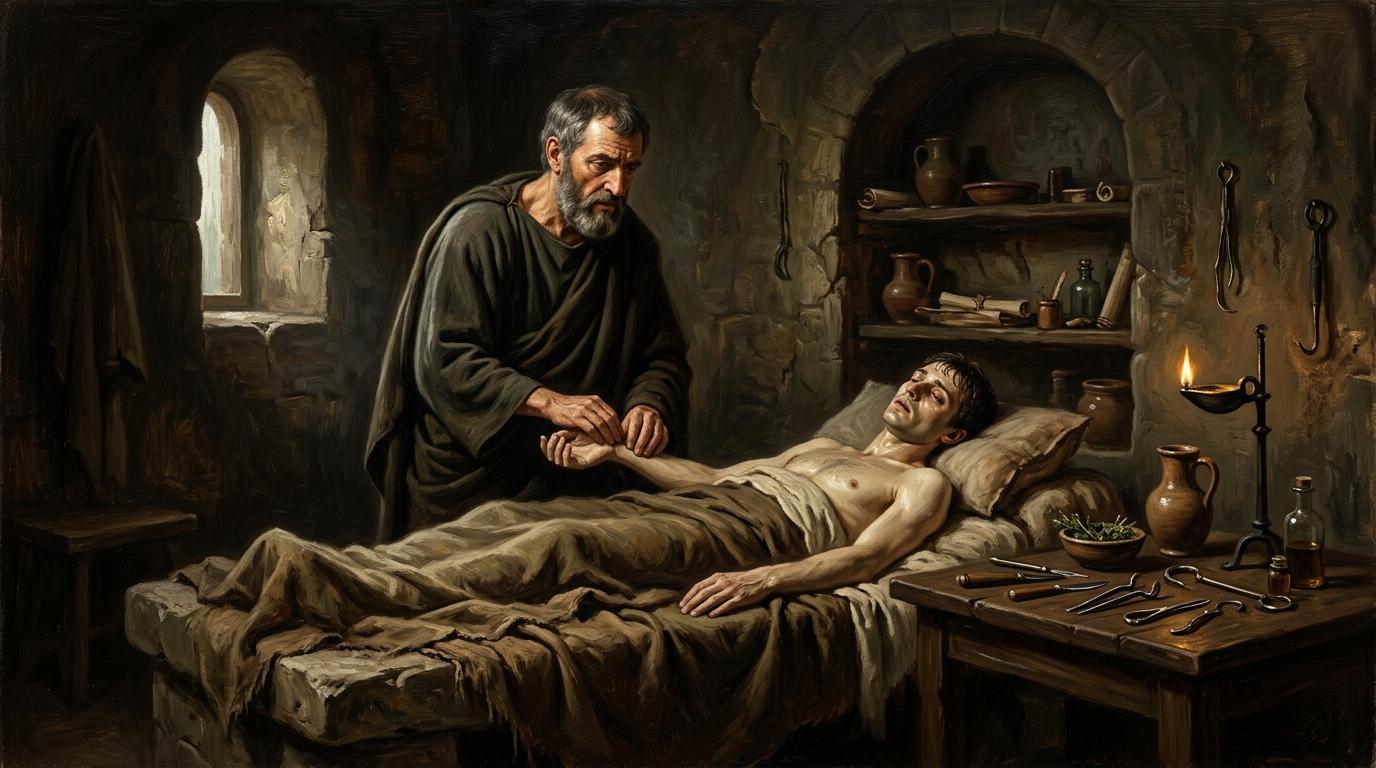
Galen of Pergamon was the most renowned physician in the Roman world. He was in Rome when the plague arrived and treated patients throughout the outbreak. His detailed descriptions — fever on day one, inflammation of the throat on day two, and skin eruptions by day nine — have helped modern epidemiologists identify the likely pathogen.
The leading candidate is smallpox.
If this is correct, it means that the Roman Empire, which had no immunity to the disease and no understanding of how it spread, encountered one of the most contagious and lethal viruses in human history at the peak of its military expansion. The Empire carried the virus home across every trade route and military road in the ancient world and had no defense whatsoever.
Galen left Rome during the worst of the outbreak. He returned when the emperor summoned him. His accounts are clinical and precise but occasionally reveal a sense of terror beneath the professional surface.
He had never seen anything like it before.
Neither had anyone else.
The Second Wave Nobody Talks About
The Antonine Plague did not end with Marcus Aurelius's death in 180 CE.
It returned.
The Plague of Cyprian, named after the bishop Cyprian who described it in vivid detail, struck the empire beginning in 249 CE. Modern genetic analysis of remains from mass graves in Egypt suggests that it may have been an entirely different disease: possibly an early hemorrhagic fever related to the Ebola family.
For twenty years, the Plague of Cyprian killed an estimated five thousand people per day in Rome alone.
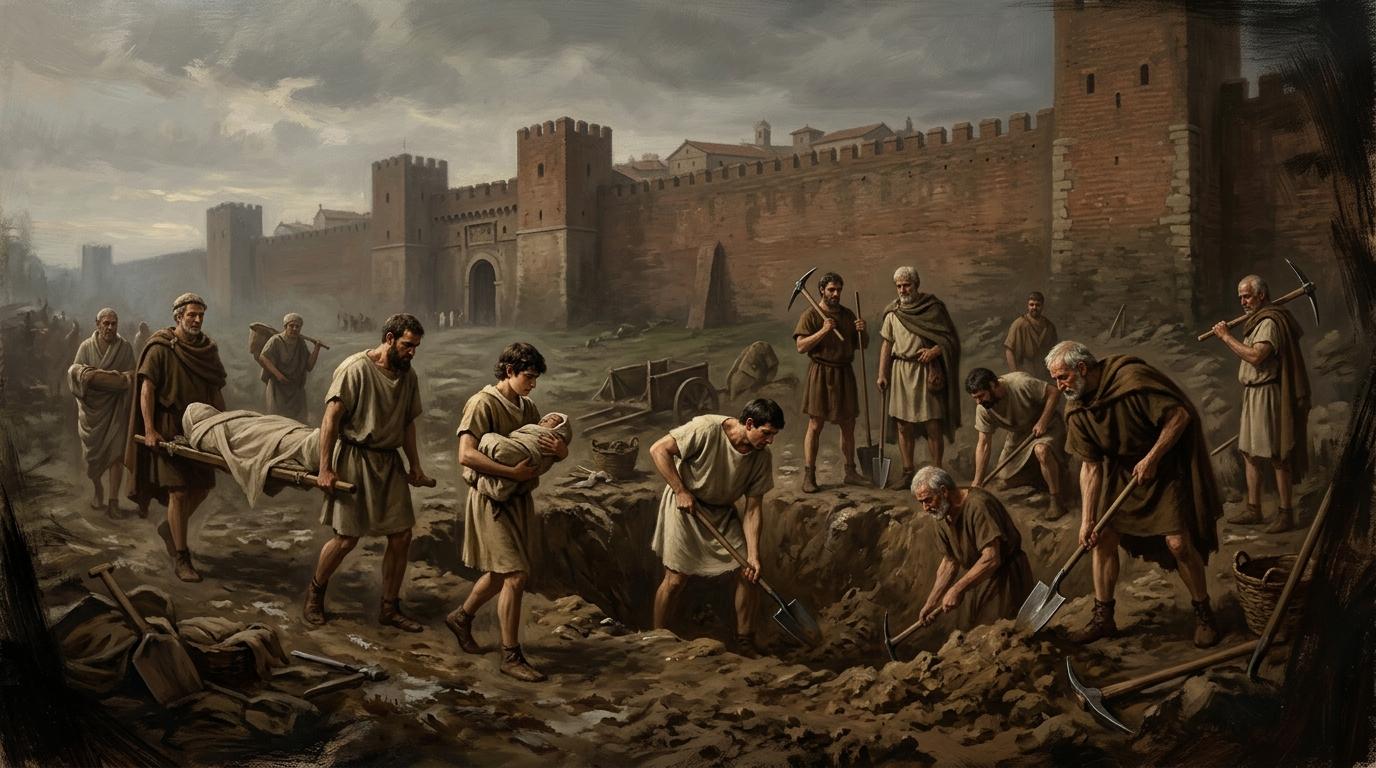
The Roman Empire that emerged from these two pandemics was not the same institution that entered them. The population had shrunk. The army was weakened. The tax base had collapsed. The psychological confidence of a civilization that had considered itself eternal was permanently damaged.
The barbarian invasions that are remembered as the cause of Rome's fall were, in many ways, the final act of a collapse that disease had set in motion decades earlier.
This pattern — pandemic weakening a civilization before external forces deliver the final blow — appears consistently across historical records. It is visible in the fall of the Aztec Empire, the collapse of the Byzantine frontier, and the demographic catastrophe that preceded the Black Death's transformation of medieval Europe. For a deeper examination of how Rome's internal systems failed and the economic dimensions of this collapse, see Rome Had Markets, Banks, and Trade Routes — and Still Never Built Capitalism.
The Name We Got Wrong
The Antonine Plague is named after a dynasty. The Plague of Cyprian is named after a bishop. Neither name provides information about what the disease was, where it came from, or why it was significant.
This is no accident. Naming a catastrophe after the people who survived it rather than the pathogen that caused it keeps the focus on human agency — emperors, generals, and political decisions — rather than on the uncomfortable reality that the most powerful empire in the ancient world was brought to its knees by an invisible pathogen.
Rome did not fall to the barbarians.
It fell to a fever that arrived on a transport ship from the eastern frontier in 165 CE, spread through every city, legion, and trade route in the empire, and spent the next century quietly dismantling everything that made Rome, well, Rome.
The barbarians simply arrived at the end.
We named the disaster after the dynasty that presided over it.
We should have named it after what it actually was.
What does it tell you about how we record history that we still haven't corrected that mistake?
If this investigation interested you, you might also explore:
— Rome Had Markets, Banks, and Trade Routes — and Still Never Built Capitalism
— What Really Happened to the Library of Alexandria: The Answer Nobody Wants
Follow the channel for more: Chronicle and Void
About the Creator
Chronicle and Void
Every collapse has a cover story. Every war has a cause that didn't make it into the history books. History is not an accurate record of what happened. It's a record of what they allowed to survive.
Enjoyed the story? Support the Creator.
Subscribe for free to receive all their stories in your feed.
Comments
There are no comments for this story
Be the first to respond and start the conversation.