World History
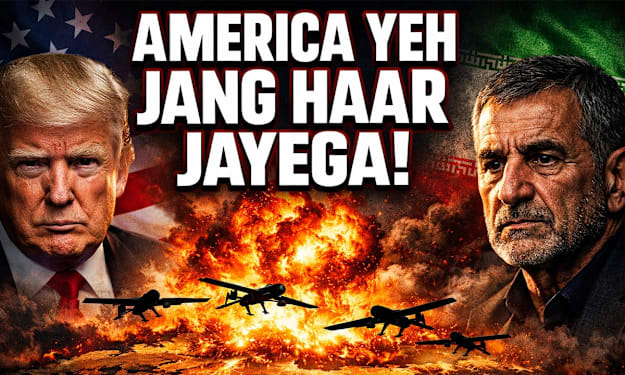
America vs Iran: The Conflict That Changed the Middle East
The conflict between the United States and Iran is one of the most important political rivalries in modern history. For decades, tensions between these two nations have shaped the future of the Middle East, influenced global oil markets, affected international security, and created fear of a larger regional war. Although the United States and Iran have never fought a full-scale traditional war directly against each other, their political, military, and ideological confrontation has continued for more than forty years. The roots of the conflict go back to the early twentieth century, but the relationship dramatically changed in 1953. At that time, Iran’s Prime Minister Mohammad Mossadegh nationalized the Iranian oil industry, which had previously been controlled by British interests. The United States and the United Kingdom feared losing influence in the region and were concerned that Iran could move closer to the Soviet Union during the Cold War. As a result, a coup supported by the American CIA and British intelligence removed Mossadegh from power and strengthened Shah Mohammad Reza Pahlavi, who became a close ally of the United States. For many Iranians, this event became a symbol of foreign interference in their country’s affairs. Although the Shah modernized Iran and developed strong ties with Western nations, many people inside Iran believed his government was authoritarian and too dependent on America. Anger against the Shah slowly grew among religious groups, students, intellectuals, and ordinary citizens. In 1979, the situation completely changed with the Iranian Revolution. Led by Ayatollah Ruhollah Khomeini, millions of Iranians protested against the Shah, forcing him to leave the country. Iran became an Islamic Republic based on religious leadership and anti-Western ideology. The new Iranian government strongly opposed American influence in the Middle East and called the United States the “Great Satan.” Later that same year, a major crisis shocked the world. Iranian students stormed the American Embassy in Tehran and took 52 American diplomats hostage for 444 days. This event destroyed diplomatic relations between the two countries and created deep hostility that continues today. The hostage crisis humiliated the United States and transformed Iran into one of America’s biggest enemies in the region. During the 1980s, tensions increased further during the Iran-Iraq War. Iraq, led by Saddam Hussein, invaded Iran in 1980. Although the United States officially remained neutral, it largely supported Iraq because Washington feared the spread of Iran’s Islamic Revolution across the Middle East. The war lasted eight years and killed hundreds of thousands of people. It also deepened Iran’s distrust toward the United States and its allies. Over time, the conflict between America and Iran expanded beyond politics into military influence and regional power struggles. Iran began supporting groups such as Hezbollah in Lebanon and other armed organizations across the Middle East. The United States considered many of these groups threats to regional stability and accused Iran of sponsoring terrorism. Iran, however, argued that it was supporting resistance movements against foreign occupation and Western interference. One of the biggest modern issues between the two countries has been Iran’s nuclear program. Iran insists that its nuclear activities are for peaceful purposes such as energy and scientific research. However, the United States and several Western countries feared Iran could eventually develop nuclear weapons. This fear led to harsh economic sanctions against Iran, damaging its economy and increasing tensions. In 2015, there was a major breakthrough when Iran and world powers signed the Joint Comprehensive Plan of Action (JCPOA), commonly known as the Iran nuclear deal. Under this agreement, Iran agreed to limit its nuclear activities in exchange for reduced sanctions. Many people around the world hoped this deal would reduce tensions and create stability in the Middle East. However, in 2018, the United States under President Donald Trump withdrew from the agreement, arguing that the deal was weak and failed to stop Iran’s regional activities. After the withdrawal, America imposed severe sanctions on Iran again. In response, Iran gradually reduced its commitments to the agreement, leading to renewed international concern. The rivalry became even more dangerous in January 2020 when the United States carried out a drone strike in Baghdad that killed Iranian General Qasem Soleimani, one of the most powerful military figures in Iran. America accused Soleimani of planning attacks against U.S. forces, while Iran considered him a national hero. Millions attended his funeral, and Iran promised revenge. Days later, Iran launched missiles at American military bases in Iraq, bringing the two countries close to direct war. The conflict has also affected many other countries in the Middle East. Nations such as Saudi Arabia, Israel, Iraq, Syria, Lebanon, and Yemen have all been influenced by the power struggle between Washington and Tehran. In Syria, Iran supported President Bashar al-Assad during the civil war, while the United States backed some opposition groups. In Yemen, America supported Saudi Arabia while Iran was accused of supporting Houthi rebels. These proxy conflicts have increased instability across the region. Oil has also played a major role in the rivalry. The Middle East contains some of the world’s largest oil reserves, and any conflict involving Iran can affect global energy prices. The Strait of Hormuz, a narrow waterway controlled partly by Iran, is one of the world’s most important oil shipping routes. Whenever tensions rise, global markets fear possible disruptions to oil supplies. Despite decades of hostility, there have been moments where diplomacy seemed possible. Several American presidents attempted negotiations with Iran, while some Iranian leaders showed willingness to improve relations. However, mistrust, political pressure, regional conflicts, and ideological differences repeatedly blocked long-term peace. Today, the relationship between the United States and Iran remains tense and uncertain. Cyberattacks, military threats, sanctions, regional proxy wars, and nuclear concerns continue to create fear of escalation. At the same time, many ordinary people in both countries hope for peace, stability, and better relations in the future. The story of America versus Iran is not simply about two governments fighting each other. It is a story about power, revolution, religion, foreign intervention, oil, military influence, and competing visions for the future of the Middle East. This conflict has changed global politics for generations and continues to shape world events today. Whether future leaders choose diplomacy or confrontation will determine not only the future of U.S.–Iran relations but also the future stability of the entire Middle East.
By Irfan Ullah4 months ago in History
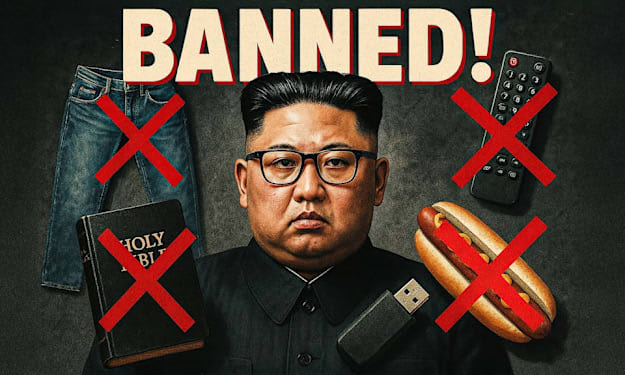
How Kim Jon Un Travels (Secret Train)
North Korean leader Kim Jong Un prefers to travel in his secret train whenever he goes anywhere. This is no ordinary train — it is more like a moving fortress or even a five-star hotel on wheels. Although he rarely travels abroad, whenever he does, he makes sure there is no compromise in luxury or security.
By Imran Ali Shah4 months ago in History
How This ship is Secretly Smuggling Luxury Cars in North Korea
How This ship is Secretly Smuggling Luxury Cars in During the investigation of a high-profile case, it was noticed that a container ship departed from a South Korean port heading toward a Russian port. However, midway through its journey, the ship suddenly disappeared from radar.
By Imran Ali Shah4 months ago in History
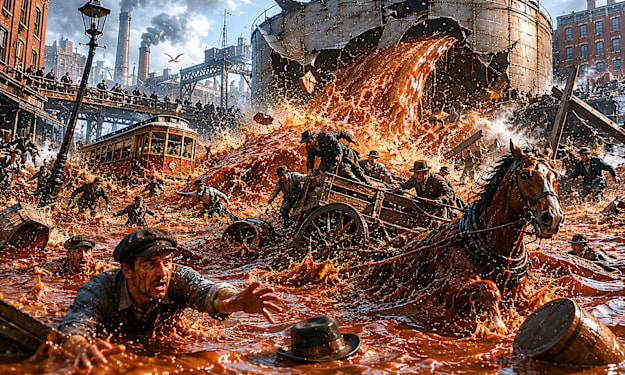
The Day Boston Drowned in Molasses
There are disasters that become etched into history through fire, smoke, and spectacle. Earthquakes split cities apart. Floods swallow entire towns. Explosions leave craters where buildings once stood. And then there are disasters so bizarre that they almost resist belief entirely.
By The Iron Lighthouse4 months ago in History
The New World Order
The New World Order The term “New World Order” (NWO) has become one of the most controversial and widely discussed ideas in modern politics and conspiracy theories. Some people believe it simply refers to changes in global politics and international cooperation, while others claim it represents a secret plan by powerful elites to establish a one-world government. Over the decades, the phrase has appeared in political speeches, historical documents, conspiracy books, and popular culture, creating fear, debate, and fascination around the world.
By Wings of Time 4 months ago in History