Places
From Vision to Collapse: The Story of America’s First Department of Education
The advanced U.S. Office of Instruction was built up by President Jimmy Carter, who marked it into law in October 1979. Be that as it may, the country’s to begin with government instruction office, in spite of the fact that short-lived, was made over a century prior, in 1867, amid the administration of Andrew Johnson.
By Shams Says2 years ago in History
The 10 Scariest Places Around the World: A Thrill Seeker’s Ultimate Guide
For adventurers with a fascination for haunted sites, eerie legends, and spine-chilling encounters, the world is full of terrifying places. These locations, steeped in mystery and ghostly tales, promise an unforgettable experience for those brave enough to explore. Let’s dive into the ten scariest places around the globe that will make your heart race.
By mariam elghazaly2 years ago in History
South Korea: The Land of Contrasts and Innovation
South Korea, officially known as the Republic of Korea, is a nation that seamlessly blends ancient traditions with cutting-edge technology. Nestled on the southern part of the Korean Peninsula, it shares a border with North Korea, creating a stark contrast in governance and culture. South Korea has emerged as a global leader in technology, entertainment, and culture while maintaining its deep-rooted historical heritage. This article explores the multifaceted identity of South Korea, covering its history, culture, economy, technological advancements, and global influence.
By Sanjay Sanjay2 years ago in History
The Horror Corridor: Exploring the Way of Whale Bones in Serbia
In the heart of Europe, nestled in Serbia's rugged landscape, lies a hauntingly beautiful location known as the Way of Whale Bones. This eerie corridor, shrouded in legends and mystery, has captivated adventurers and thrill-seekers for decades. With its surreal atmosphere and macabre history, it has become a must-visit destination for horror enthusiasts and lovers of the unusual.
By mariam elghazaly2 years ago in History
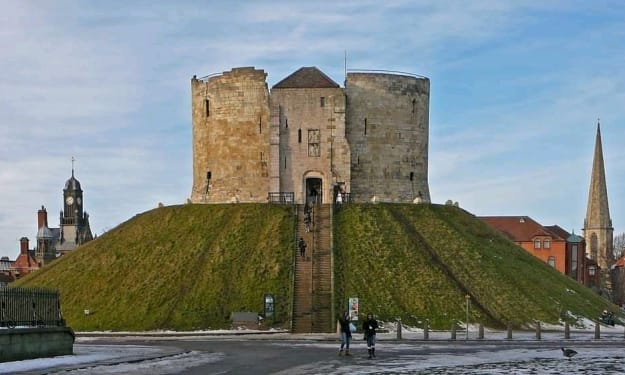
York Castle: The Story Behind Clifford's Tower
Nestled in the heart of York, England, stands the iconic Clifford’s Tower, a symbol of the city’s turbulent history. This imposing structure, now a ruin, was once the heart of York Castle, a site that has witnessed centuries of conflict, power struggles, and cultural shifts. Today, Clifford’s Tower stands as a testament to both the Norman conquest and the complex history of York, a city that once lay at the crossroads of Viking and Norman influences. The Birth of York Castle The story of York Castle begins in the aftermath of the Norman conquest of England in 1066. Following his victory at the Battle of Hastings, William the Conqueror moved swiftly to solidify his control over the kingdom. York, with its strategic location and historical significance as the capital of Viking Northumbria, was a key city for the Normans to conquer. In 1068, just two years after his victory, William I ordered the construction of a motte and bailey castle on the site where Clifford’s Tower now stands. The first structure on the site was a typical motte and bailey design, consisting of a wooden fortification atop a large earthen mound, or motte, surrounded by a walled enclosure, or bailey. This type of castle was relatively simple to build and was designed to quickly establish Norman dominance over newly conquered lands. The motte and bailey design was common in the early years of Norman rule, as it allowed the conquerors to control strategic areas with minimal resources. However, the construction of the castle did not go unchallenged. The city of York, known as Jórvík when it was under Viking rule, was a vibrant urban center, and its inhabitants were fiercely resistant to the Norman invasion. In 1069, just a year after the castle was built, the city was the site of a major rebellion. A Viking army, led by a claimant to the English throne, joined forces with disgruntled Saxons to rise up against Norman rule. The rebels successfully destroyed the castle, burning it to the ground. The Rebuilding of York Castle Despite the setback in 1069, the Normans remained determined to retain control over York. William I ordered the castle to be rebuilt, this time with more permanent materials. By the early 12th century, the motte and bailey castle was replaced by a larger, more fortified stone keep, which would become the heart of York Castle. This was the beginning of the structure that would later be known as Clifford’s Tower. The new stone keep was a formidable structure, designed to provide a stronghold for the Norman rulers in the region. The keep was built on the high motte, offering a commanding view of the surrounding landscape and the city of York. The castle became an important administrative and military center, overseeing the surrounding area and serving as a symbol of Norman authority in the north. Clifford's Tower: A Symbol of Power and Tragedy The tower that stands today is all that remains of the once-grand keep. The structure was renamed Clifford’s Tower in the 16th century, after the Clifford family, who were prominent figures in the region and held the castle for several centuries. The tower, which was originally a multi-story building, was used for various purposes over the years, including as a royal residence, a prison, and a stronghold during times of unrest. However, Clifford’s Tower is also known for a tragic event in English history. In 1190, during a period of growing tensions between Jews and Christians in England, a terrible massacre occurred at the tower. A group of York’s Jewish population, fearing for their lives after an anti-Semitic mob threatened them, took refuge inside the tower. Tragically, the situation escalated, and the Jewish men, women, and children trapped inside were either killed by the mob or chose to take their own lives. This massacre is one of the darkest chapters in the history of York and remains a somber reminder of the dangers of religious intolerance. The Decline of York Castle Over the centuries, York Castle continued to serve various roles, but its significance began to wane. In the 14th and 15th centuries, the castle’s importance as a military stronghold diminished, and the site fell into disrepair. The tower itself was partially destroyed in the English Civil War (1642-1651), when Parliamentarian forces sought to weaken royal power in the region. After the war, the castle was abandoned and left in ruins. Despite its decline, York Castle and Clifford’s Tower remained an important historical site. In the 18th and 19th centuries, the tower became a popular landmark, drawing visitors interested in its history and its role in shaping the city of York. The site was eventually preserved, and in 1988, it was opened to the public as a tourist attraction, managed by English Heritage. Clifford's Tower Today Today, Clifford’s Tower stands as one of York’s most iconic landmarks. Visitors can climb to the top of the tower and enjoy panoramic views of the city, including the nearby York Minster and the winding streets of the medieval city center. The tower is a popular tourist destination, offering a glimpse into the past and the chance to reflect on the turbulent history of the region. While the structure itself is a ruin, its historical significance remains undeniable. Clifford’s Tower is a symbol of the Norman conquest, the power struggles between different cultures, and the enduring legacy of York’s complex past. The tower, with its layers of history, serves as a powerful reminder of the city’s role in shaping English history and culture. York Castle, with Clifford’s Tower at its heart, is a site that has witnessed the rise and fall of empires, the ebb and flow of cultures, and the ever-changing nature of power. Today, it remains a key part of York’s historical identity, offering visitors a chance to step back in time and explore the fascinating story of one of England’s most enduring landmarks.
By Deji Akomolafe2 years ago in History
P. Diddy Faces Justice: The Fallen King of Rap Confronts Serious Allegations . AI-Generated.
Sean Combs, better known as P. Diddy, once stood as an icon of success and ambition in the music industry. Revered as a trailblazer in hip-hop, the entrepreneur and rapper built a legacy defined by wealth, fame, and influence. However, his empire now teeters on the edge of collapse as he faces grave allegations of sexual assault, trafficking, and exploitation. Currently incarcerated in Brooklyn, Diddy’s legal battles may forever redefine his legacy.
By GoldenSpeech2 years ago in History
The Rake
The Grand Canyon, renowned for its stunning vistas and deep historical significance, draws millions of tourists annually. Yet, concealed within its expansive and rugged terrain is a haunting legend that has intrigued both residents and explorers—the story of The Rake. This unsettling, humanoid figure is rumored to lurk in the canyon's shadows, targeting the unsuspecting and instilling fear in those who encounter it. What exactly is The Rake, and what has made it a source of fascination for so many?
By A História2 years ago in History
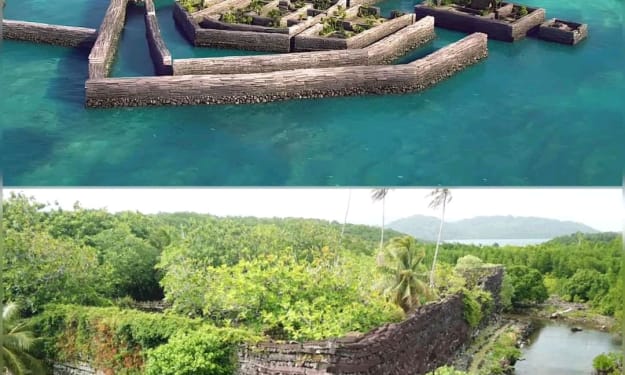
The Mystery of Nan Madol: How Did Ancient Builders Transport 50-Ton Basalt Stones?
The Mystery of Nan Madol: How Did Ancient Builders Transport 50-Ton Basalt Stones? Located off the coast of Pohnpei in Micronesia, Nan Madol is a 900-year-old city built on artificial islets, constructed with massive basalt stones that weigh up to 50 tons. Once a ceremonial and political center for the Saudeleur Dynasty, this ancient city remains a mystery, not just because of its size and beauty, but also due to the unclear methods used to transport these enormous stones across open water. To this day, locals tell tales of magic, claiming that the stones were transported through sorcery. But what did the ancient builders really do to transport such colossal weights? The Enigma of Nan Madol’s Construction Nan Madol is often referred to as the “Venice of the Pacific” due to its unique layout of artificial islets, which are connected by a network of narrow canals. The city, which consists of over 100 small islands, was constructed using massive basalt columns, some weighing as much as 50 tons. These stones were quarried from a site several miles away from Nan Madol, making their transportation a monumental challenge. The construction of Nan Madol is believed to have taken place between the 12th and 13th centuries, under the reign of the Saudeleur Dynasty. This city was a center of both politics and ritual, home to temples, ceremonial platforms, and other structures that held immense cultural significance. While the sheer scale of the construction is awe-inspiring, the method by which the builders managed to move these massive stones across open water is one of the greatest mysteries surrounding the site. The Magic of Local Beliefs Locals have long held a belief that the construction of Nan Madol was not merely an engineering feat but also a work of magic. According to tradition, the basalt stones were flown across the ocean to the city site through the power of sorcery. These tales are deeply woven into the cultural fabric of Pohnpei, where Nan Madol is considered a sacred and mystical place. While this belief remains powerful within the local community, scholars and archaeologists tend to favor more practical theories, given the lack of empirical evidence for the use of magic in ancient construction. However, it is important to acknowledge that many ancient cultures, including those in the Pacific, imbued their engineering feats with spiritual and magical significance, which may have been reflected in the stories surrounding Nan Madol’s creation. Practical Methods of Transporting the Stones Despite the supernatural claims, several plausible explanations exist for how the ancient builders of Nan Madol may have transported such massive stones. One of the most widely considered theories is that the builders used large rafts or canoes to carry the stones across the water. The people of Micronesia were skilled seafarers, known for their exceptional navigation techniques, and they constructed impressive outrigger canoes that could travel vast distances over open water. Large Rafts or Canoes Using large rafts or wooden platforms to transport heavy basalt stones across open water would have been a practical solution. These rafts could have been constructed using materials like wood, rope, and vines, which were readily available on the island. The stones would have been loaded onto the raft, and teams of men would have paddled or sailed the rafts across the water to the construction site. To move stones as large as 50 tons, the raft would have needed to be both large and sturdy, capable of bearing the immense weight without sinking or breaking apart. There is historical evidence of similar methods being used in other parts of the world. For instance, the ancient Egyptians transported massive stones across the Nile River using rafts made of papyrus. It’s plausible that the people of Nan Madol used a similar technique, adapted to the materials and conditions available to them in the Pacific Ocean. A Combination of Land and Water Transport Another possible method for transporting the stones is the use of a combination of land and water transport. The basalt stones could have been moved overland from the quarry using sledges or rollers, which would have been pulled by workers or dragged by animals. Once the stones were brought to the shore, they could then be loaded onto rafts for the final leg of their journey across the open water. This hybrid approach would have allowed the builders to navigate the challenges of both land and sea, taking advantage of the natural resources available to them. Additionally, the dense forests of Pohnpei could have provided ample timber to construct the sledges and other tools needed for the overland portion of the transport process. Floating or Submerging the Stones Another theory that has been proposed is the idea of "floating" the stones. The process would involve partially submerging the stones in water to reduce their weight, thus making them easier to move. While this technique is commonly used in the transportation of large objects (such as ships or monuments), it’s unlikely that it would have been practical for stones weighing up to 50 tons. However, if the builders were able to partially float the stones and then use buoyancy to assist in their transport, it could explain how they managed to move the stones over long distances. This idea, while speculative, suggests that the builders may have had a sophisticated understanding of buoyancy and water transport. The Ingenuity of the Saudeleur Dynasty Regardless of the method used, one thing is certain: the construction of Nan Madol required extraordinary ingenuity, planning, and coordination. Moving stones of such immense size and weight across miles of open water would have been no small feat. The builders of Nan Madol were highly skilled engineers, and the fact that they were able to achieve this feat without the use of advanced technology is a testament to their resourcefulness. Moreover, the location of the city—built on artificial islets in the middle of the ocean—suggests that the builders had a deep understanding of the island’s geography, tides, and currents. The construction of Nan Madol may have involved not just physical strength but also an intimate knowledge of the natural world and how to use it to their advantage. Conclusion The mystery of how the ancient builders of Nan Madol transported the massive basalt stones across open water may never be fully solved. While local legends speak of magic and sorcery, scholars have proposed various practical methods, including the use of rafts, canoes, and even floating techniques. What remains clear is that the construction of Nan Madol represents an extraordinary achievement in ancient engineering, and the city continues to inspire awe and wonder today. Whether through supernatural means or sheer human ingenuity, the people of Nan Madol created a lasting monument that still captivates us 900 years later.Start writing...
By Deji Akomolafe2 years ago in History
Most Beautiful Christmas Country
There is joy, togetherness, and wonder during the holiday season. While many people across the globe celebrate Christmas with traditions, food, and decorations, some countries truly stand out for their breathtaking holiday displays. From snowy landscapes to vibrant Christmas markets, the most beautiful Christmas countries offer a magical experience that embodies the spirit of Christmas like no other. If you’re dreaming of a winter wonderland, here are the top destinations that will make your Christmas unforgettable.
By Zinnat ara Begum2 years ago in History
Taj Mahal: A Timeless Testament to Love and Beauty
Few places in the world possess the power to leave you speechless, and the Taj Mahal is undeniably one of them. Nestled along the banks of the Yamuna River in Agra, India, this iconic white marble mausoleum stands as a symbol of eternal love and unmatched craftsmanship. Having visited the Taj Mahal myself, I can confidently say it’s not just a monument—it’s an experience that stays with you forever.
By Nataliie Wilson2 years ago in History
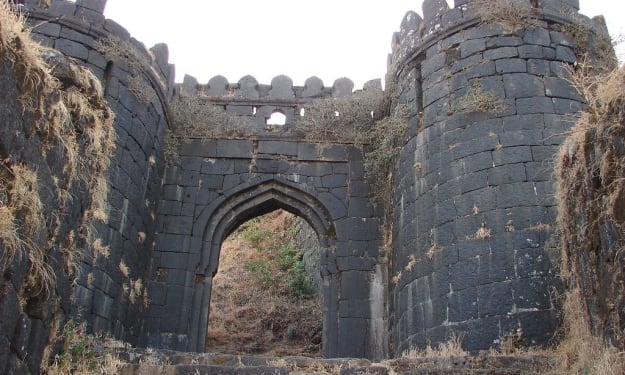
Rajgad Fort: A Majestic Legacy of the Maratha Empire
Nestled high in the Sahyadri mountain range in the western state of Maharashtra, Rajgad Fort stands as a silent sentinel to a glorious chapter in India’s history. With its strategic location and awe-inspiring architecture, this fort was once the capital of the Maratha Empire, serving as the nerve center of a vast kingdom during one of the most significant periods of Indian history. Today, Rajgad’s ruins tell the story of valor, resilience, and the strategic genius of the Marathas.
By Deji Akomolafe2 years ago in History
The Most Dangerous Islands in the World
Islands often evoke images of pristine beaches, turquoise waters, and tranquil getaways. However, not all islands fit this idyllic description. Some are fraught with danger, whether due to natural hazards, deadly inhabitants, or extreme isolation. This article explores the most dangerous islands in the world, highlighting the unique risks that make them perilous destinations.
By mariam elghazaly2 years ago in History