Places
10 Fascinating Facts About China
China, one of the oldest and most fascinating civilizations in the world, is a country with a rich history, diverse culture, and rapid modernization. From its ancient heritage to its modern-day achievements, China continues to intrigue people worldwide. Here are 10 fascinating facts about China:
By Plamena Peneva2 years ago in History
Wings Place: Anne of Cleves’ Tudor Treasure
Nestled in the picturesque town of Ditchling, East Sussex, Wings Place stands as one of the finest Tudor houses in Britain. Steeped in history, this stunning timber-framed house was gifted to Anne of Cleves in 1538 as part of the settlement when she consented to annul her marriage to Henry VIII. Today, Wings Place is celebrated not only for its architectural beauty but also for the fascinating story it tells about one of England’s most tumultuous periods. This blog explores the history, architecture, and cultural significance of Wings Place, showcasing why it remains a treasured piece of Tudor heritage. --- A Royal Gift to a Gracious Queen Anne of Cleves, the fourth wife of Henry VIII, holds a unique place in English history. Married to the king in January 1540, their union was short-lived. Within six months, the marriage was annulled due to Henry’s dissatisfaction and Anne’s own pragmatic consent to the separation. Unlike some of Henry’s other wives, Anne managed to escape the marital arrangement with her life and a generous settlement, earning her the title of the “King’s Beloved Sister.” As part of her settlement, Anne was granted a series of properties, including Hever Castle and Wings Place. The latter became a symbol of her ability to navigate the dangerous waters of Tudor politics with grace and intelligence. While it is uncertain how much time Anne actually spent at Wings Place, the house’s connection to her story ensures its place in history as more than just a fine Tudor building. --- Architectural Grandeur Wings Place, also known as Anne of Cleves House, is a stunning example of Tudor domestic architecture. Its timber-framed façade, steep gables, and intricate woodwork reflect the craftsmanship of the period. Built in the late 15th or early 16th century, the house exemplifies the characteristics of Tudor design, including decorative beams, mullioned windows, and an overall sense of harmony and proportion. Inside, the house retains much of its historical charm. Visitors can marvel at original fireplaces, exposed wooden beams, and beautifully preserved plasterwork. The great hall, with its high ceiling and atmospheric lighting, is a standout feature that transports visitors back to the Tudor era. The house’s gardens add another layer of beauty, offering a tranquil space to reflect on its rich history. --- A Glimpse Into Tudor Life Wings Place provides a window into life during the Tudor period, a time of significant social, political, and cultural change. The house’s design and layout reveal much about how people lived during this era, from the separation of spaces for work and leisure to the importance of warmth and light in daily life. The house’s association with Anne of Cleves also highlights the complexities of Tudor court life. Anne’s ability to maintain her status and wealth after her annulment is a testament to her diplomacy and intelligence, qualities that helped her thrive in an environment where so many others fell from grace. --- Preservation and Legacy Over the centuries, Wings Place has undergone restoration to ensure its survival as a historical landmark. Its status as one of Britain’s finest Tudor houses has drawn historians, architects, and tourists eager to experience its unique charm. The house’s preservation also speaks to a broader commitment to maintaining Britain’s architectural heritage. Wings Place is a tangible connection to the past, offering insights into a time that continues to captivate our imagination. --- Why Visit Wings Place? For those with a love of history, architecture, or simply beautiful surroundings, Wings Place is a must-visit destination. Its association with Anne of Cleves adds an element of intrigue, allowing visitors to connect with a woman who navigated one of history’s most perilous royal courts with grace and resilience. Ditchling itself is a charming village, making it an ideal location for a day trip or a weekend getaway. After exploring Wings Place, visitors can enjoy the local pubs, independent shops, and scenic walks that the area has to offer. --- Anne of Cleves: A Legacy Beyond Wings Place While Wings Place is a significant part of Anne of Cleves’ story, it is just one chapter in the life of a remarkable woman. Anne’s ability to secure a peaceful and prosperous life after her annulment set her apart from many of Henry VIII’s other wives. She remained a respected figure at court and lived comfortably until her death in 1557. Anne’s story, and her connection to Wings Place, serves as a reminder of the resilience and adaptability required to survive in a world dominated by power struggles and political intrigue. --- Conclusion: A Tudor Gem in the Heart of Sussex Wings Place is more than just a house—it is a piece of living history that continues to captivate all who visit. Its exquisite Tudor architecture, combined with its association with one of history’s most intriguing queens, makes it a unique and unforgettable destination. Whether you are a history enthusiast, an architecture lover, or simply curious about the lives of those who shaped our world, Wings Place offers a journey into the past that is as enriching as it is inspiring. So, the next time you find yourself in East Sussex, be sure to step through the doors of Wings Place and discover the timeless beauty and history within.
By Deji Akomolafe2 years ago in History
Sermoneta: A Journey Back to the 12th Century
Nestled 56 kilometers south of Rome, the enchanting village of Sermoneta feels like a step back in time. With its cobblestone streets, medieval architecture, and the aura of mystery surrounding the Knights Templar, this village has become a captivating destination for history enthusiasts and travelers alike. Perched on a hill overlooking the Pontine Plain, Sermoneta seems frozen in the 12th century, offering visitors an immersive experience into the past. This blog takes you through the streets, history, and cultural significance of Sermoneta, highlighting why it’s one of Italy’s most charming and well-preserved medieval villages. --- A Village Steeped in History Sermoneta’s history dates back over a thousand years, but it flourished during the 12th century when the Knights Templar sought refuge there. The village was strategically important due to its elevated location, offering a vantage point to monitor the surrounding plains. Its medieval castle, built by the powerful Caetani family, became a stronghold for the Knights and a symbol of Sermoneta’s enduring legacy. The village’s medieval charm is remarkably intact. Walking through its narrow streets, you’ll encounter ancient walls, arched doorways, and quaint stone houses that transport you to a time when knights roamed the land and monasteries served as centers of learning and refuge. --- The Castle of Sermoneta The heart of Sermoneta is its magnificent castle, known as Castello Caetani. Built in the 13th century and later expanded, the castle dominates the village skyline. It was once home to the Caetani family, one of the most influential families in medieval Italy, who played a pivotal role in the region's politics and religion. The castle’s thick stone walls, watchtowers, and crenellated battlements reflect its role as both a defensive fortress and a luxurious residence. Within its walls, visitors can explore grand halls, secret passageways, and the remnants of frescoes that hint at the castle’s opulent past. The Knights Templar are believed to have found refuge within the castle during times of turmoil, adding an element of mystery and legend to its history. For many visitors, the connection to the Templars adds an intriguing layer to the already fascinating story of Sermoneta. --- Medieval Streets and Timeless Atmosphere One of the most captivating aspects of Sermoneta is its streets. Narrow and winding, these cobblestone paths are flanked by stone houses adorned with flower-filled balconies. Every corner reveals a new detail: a carved doorway, a weathered statue, or a hidden courtyard. The village square, Piazza del Popolo, serves as a gathering place and a hub of activity. Here, you can find local artisans selling handmade crafts, traditional Italian cafes serving espresso and gelato, and visitors soaking in the serene atmosphere. The timeless charm of Sermoneta makes it a popular location for filmmakers and photographers seeking to capture the essence of medieval Italy. --- The Knights Templar and Their Legacy The Knights Templar, the legendary Christian military order, played a significant role in Sermoneta’s history. Known for their role in the Crusades and their mysterious rituals, the Templars found refuge in Sermoneta after facing persecution in other parts of Europe. The village’s castle and monastery became safe havens for the Knights, where they could regroup and plan their next moves. This connection to the Templars has given Sermoneta an air of mystique, attracting historians and conspiracy theorists who are eager to uncover the secrets of this enigmatic order. Although the Templars’ presence in Sermoneta was relatively short-lived, their influence is still felt in the village’s architecture and cultural heritage. --- The Monastery of San Michele Arcangelo Another highlight of Sermoneta is the Monastery of San Michele Arcangelo, a spiritual retreat that has stood for centuries. The monastery’s serene setting and simple architecture reflect its original purpose as a place of worship and contemplation. Visitors can explore the monastery’s frescoed chapels, cloisters, and ancient crypts, gaining insight into the religious practices of the time. The monastery’s connection to the Knights Templar adds another layer of intrigue, as it is believed to have been a key site for the order during their time in Sermoneta. --- A Haven for Modern Travelers Today, Sermoneta remains a small, peaceful village that feels untouched by the passage of time. Its proximity to Rome makes it an ideal day trip for those seeking a break from the hustle and bustle of the Eternal City. Visitors can enjoy guided tours of the castle and monastery, as well as leisurely strolls through the village’s streets. Local restaurants serve traditional Italian cuisine, including dishes that showcase the flavors of the Lazio region. Sermoneta is also known for its olive oil, wine, and handmade pasta, making it a haven for food lovers. For those who wish to stay longer, charming bed-and-breakfasts and guesthouses offer a cozy base for exploring the village and its surroundings. --- Why Visit Sermoneta? Sermoneta is more than just a village—it’s a living museum where history and legend converge. Whether you’re drawn by the allure of the Knights Templar, the beauty of medieval architecture, or the tranquility of the Italian countryside, Sermoneta offers an unforgettable experience. As you wander through its streets and gaze out over the Pontine Plain, it’s easy to imagine life in the 12th century, when the village served as a sanctuary for knights and a beacon of resilience. Sermoneta’s enduring charm and historical significance make it a destination that lingers in the heart and mind long after you leave. So, if you’re planning a trip to Italy, be sure to include Sermoneta on your itinerary. It’s a journey back in time that promises to enchant, inspire, and leave you with a newfound appreciation for the timeless beauty of medieval Europe.
By Deji Akomolafe2 years ago in History
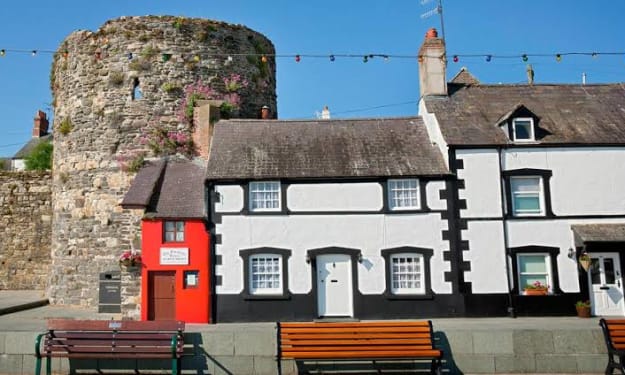
The Smallest House in Great Britain: A Charming Slice of History
Nestled along the quay in the picturesque town of Conwy, Wales, lies an architectural curiosity that has captured the imagination of visitors for centuries. Known as the Smallest House in Great Britain, or Quay House, this tiny structure stands as a testament to the ingenuity of historical living spaces and the charm of Welsh heritage. With a floor area of just 3.05 by 1.8 meters (10.0 by 5.9 feet) and a height of 3.1 meters (10 feet 2 inches) to the eaves, the Smallest House is as diminutive as it is fascinating. Built into the medieval walls of Conwy Castle, it served as a residence from the 1500s until 1900, providing a home to a series of occupants despite its modest dimensions. Today, it stands as a beloved tourist attraction, drawing visitors from around the world who are eager to step inside and experience its unique history. --- A Peek Into Its Dimensions The Smallest House is exactly as its name suggests—a minuscule dwelling that is smaller than most modern bathrooms. Its dimensions were dictated by its unique location along the medieval Conwy Castle walls, making use of the available space in a highly resourceful manner. The interior of the house is divided into two levels. The ground floor features a simple living area with just enough space for a fireplace, a single chair, and a small table. A steep ladder leads to the upper floor, where the bedroom contains little more than a single bed and a tiny nightstand. There is no bathroom, as outdoor facilities were used during its time of occupancy. While the house's small size may seem impractical by today’s standards, it speaks to the resilience and adaptability of its former inhabitants, who managed to make the space their home. --- A History of Remarkable Occupants The Smallest House’s history stretches back to the 16th century. Over the years, it provided shelter for a variety of residents, including fishermen, laborers, and tradespeople. The house’s most famous resident, however, was Robert Jones, a fisherman and coal merchant who lived there until 1900. What makes Jones’s story particularly astonishing is that he stood at a towering 6 feet 3 inches (1.91 meters). How a man of such stature managed to live comfortably in such a confined space remains a mystery, but it is a testament to his resourcefulness and perhaps a bit of humor about his living situation. In 1900, local authorities declared the house unfit for habitation, largely due to its lack of modern amenities. However, instead of being demolished, the house was preserved as a historical curiosity and opened to the public as a tourist attraction. --- Built Into History: The Connection to Conwy Castle The Smallest House is uniquely tied to the medieval walls of Conwy Castle, which date back to the late 13th century. Constructed under the reign of King Edward I, the castle and its surrounding walls are among the finest examples of medieval fortifications in Europe. By integrating the Smallest House into the castle walls, its builders demonstrated how medieval townspeople maximized available space in densely populated areas. The house’s location also provides stunning views of the Conwy estuary, making it not only a historical gem but also a scenic one. --- A Tourist Attraction Like No Other Today, the Smallest House is one of Conwy’s most popular tourist attractions. Visitors are welcomed by guides dressed in traditional Welsh costume, who share the history of the house and its former occupants. Despite its small size, the house has an outsized ability to charm and captivate. The experience of stepping inside the Smallest House is like taking a step back in time. The simple furnishings and modest layout offer a glimpse into the lives of its past residents, showcasing how people once lived with far fewer material possessions than we have today. --- Symbolism and Legacy The Smallest House is more than just a quirky tourist attraction—it is a symbol of the resilience and adaptability of past generations. Its very existence challenges our modern notions of space and comfort, reminding us of a time when practicality often trumped luxury. It also serves as a poignant reminder of the importance of preservation. Instead of being lost to time, the Smallest House has been lovingly maintained, allowing visitors to connect with a tangible piece of history and better understand the lives of those who came before. --- Planning Your Visit If you’re planning a trip to Conwy, a visit to the Smallest House is a must. The house is conveniently located on the quay, just a short walk from other attractions such as Conwy Castle and the town’s charming high street. The house is open to visitors during the warmer months, and the modest entrance fee helps support its upkeep. While it only takes a few minutes to tour the house, its story and charm will stay with you long after you leave. --- Conclusion: A Tiny House With a Big Story The Smallest House in Great Britain may be small in size, but it holds a giant place in the hearts of those who visit. Its unique history, connection to Conwy’s medieval heritage, and enduring charm make it a must-see attraction for anyone exploring Wales. As you step into this tiny abode, you’ll find yourself transported to a simpler time, marveling at how such a small space could contain so much history and character. Whether you’re a history enthusiast, a lover of unique architecture, or simply curious, the Smallest House is sure to leave a big impression.
By Deji Akomolafe2 years ago in History
Franklin's Paris Mission
The Establishing Fathers may have been optimistic approximately Edification standards like “Life, Freedom and the interest of Happiness,” but they were profoundly reasonable around the chances of a crude, underfunded colonial armed force to overcome the affluent and effective British Empire.
By Shams Says2 years ago in History
The 2004 Indian Ocean Tsunami: A Tale of Survival
1. The Day the Sea Turned Against Them December 26, 2004, began as an ordinary day for Aneesha and her family in their small fishing village along Tamil Nadu's serene coastline. The village, nestled between palm trees and golden sands, was alive with its usual rhythm. Aneesha’s husband, Arvind, had left early that morning with his fishing crew. Aneesha, a devoted mother of two, spent her morning preparing breakfast and chatting with neighbors, unaware of the catastrophe brewing deep beneath the ocean.
By Willow Writer2 years ago in History
Top 10 Mysterious Facts About Oceans: That Will Scars You
The ocean has long been a source of fascination and fear for humanity. It covers over 70% of the Earth's surface, carrying with it thousands of mysteries beneath its waves. From the shore, the ocean looks quite peaceful and inviting, but its depths are an entirely different world-a place that is filled with terrifying creatures, unexplained disappearances, and eerie phenomena. Indeed, some of the mysteries deep within the ocean are enough to make one blink twice before making a toe-wade into its waters.
By soman Goswami2 years ago in History
The Japanese Ghost Island
A small rocky island, miles off the coast of Japan, might not seem like the ideal location for a thriving city. However, when coal was discovered beneath the sea, it sparked the growth of a bustling community, with ultra-modern buildings and vast profits for Mitsubishi. Today, the island stands deserted, its decaying structures the only remnants of a once-vibrant city. But what led to this abandonment, and could there be a darker story behind the rise and fall of this industrial boom? Let’s explore.
By ADIR SEGAL2 years ago in History
The Baron’s Palace in Egypt: A Tale of Mystery, Terror, and Timeless Intrigue
Nestled in the heart of Heliopolis, Cairo’s upscale district, the Baron Empain Palace, or simply "The Baron's Palace," stands as an architectural masterpiece shrouded in myth and mystery. Built in the early 20th century, this iconic mansion is as famous for its grandeur as it is for the spine-chilling tales that surround it. What began as the dream home of a Belgian aristocrat has transformed over the decades into a hotspot for ghost stories, urban legends, and paranormal enthusiasts.
By mariam elghazaly2 years ago in History