Discoveries
Seven-Layer Tea of Bangladesh: A Taste and Visual Journey in Every Sip
The seven-layer tea, also known as "Seven Colors Tea," is a fascinating drink from Bangladesh that draws both tourists and tea lovers to the Sylhet region where it was created. This colorful tea has gained popularity worldwide because of its eye-catching look and unique taste. In this article, we will discuss the history, the making process, cultural importance, and the ongoing popularity of this seven-layer tea, especially in the small village of Srimangal, which is known as Bangladesh's tea capital.
By Md Mostafizur Rahman2 years ago in History
The Real-Life "Jaws" That TERRIFIED America: The 1916 Jersey Shore Shark Attacks
In the summer of 1916, the Jersey Shore was a popular vacation destination, where people flocked to the beach for sun, surf, and relaxation. But that summer, the ocean had other plans. A series of brutal shark attacks shattered the calm, transforming the peaceful shores into a scene of fear and chaos. It wasn’t a horror movie or urban legend—it was a terrifying reality. These attacks not only left a trail of destruction but also forever changed the way we view the waters that once seemed so inviting. What happened during that fateful summer of 1916 is a story so chilling that it’s hard to believe it wasn’t dreamed up by the minds behind Jaws. But trust me, it wasn’t. It was all too real.
By Marveline Merab2 years ago in History
The Rise and Fall of Route 66
Route 66, often called the “Main Street of America” or the “Mother Road,” once served as a vital artery of American culture and travel. Established in 1926, this iconic highway stretched over 2,400 miles from Chicago, Illinois, to Santa Monica, California. Route 66 symbolized freedom, mobility, and the spirit of exploration for nearly half a century. Yet, in the 1980s, this beloved route was largely decommissioned and replaced by a more modern interstate system, marking the end of an era and leaving many of its towns and businesses abandoned. Understanding why Route 66 was abandoned involves exploring how it rose to prominence, the challenges it faced, and how changing times led to its gradual demise.
By In Conspiracy We Trust2 years ago in History
Trump Tower: An Architectural Icon
Trump Tower: An Architectural Icon Trump Tower is one of the most recognizable skyscrapers in New York City, located on Fifth Avenue in Manhattan. Built in the 1980s, this mixed-use building combines luxury residential apartments, retail spaces, and office units, all in one structure. The tower has been associated with both glamour and controversy over the years and has become a symbol of Donald Trump’s real estate empire. Here’s a detailed look at its architecture, history, controversies, and cultural impact.
By Mahalakshmi2 years ago in History
Tesla’s Hidden Science, Mysterious Red Boxes, and His Disappearance Before Death: The Untold Story
Nikola Tesla, the man who electrified the world with groundbreaking inventions like alternating current (AC) and wireless energy, remains one of the most enigmatic figures in scientific history. His genius was undeniable, yet his final years are shrouded in mystery and intrigue. Among the most captivating aspects of Tesla's life are the claims surrounding his hidden scientific work, the so-called “red boxes,” and the strange circumstances leading up to his death. This article delves into the lesser-known and potentially world-changing elements of Tesla’s life, exploring what truths might lie beneath the surface.
By mariam elghazaly2 years ago in History
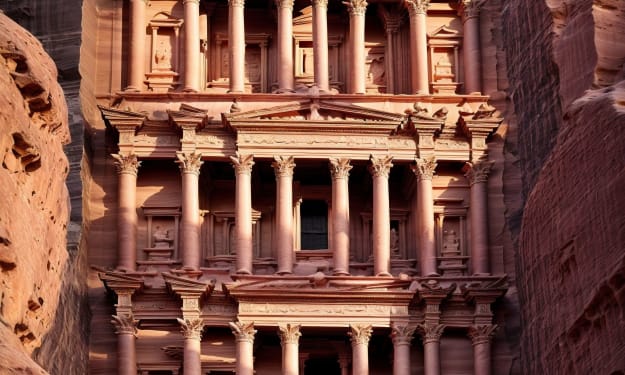
"Petra: The Timeless Wonder Carved in Stone"
Petra: The Timeless Burghal Carved in Stone Petra, generally referred to as the “Rose City” due to the blush hue of its bedrock structures, stands as one of the best alarming archaeological sites in the world. Located in the southwestern barren of Jordan, this age-old burghal has captivated explorers, historians, and tourists akin with its alloy of accustomed adorableness and animal ingenuity. Petra’s origins, different architecture, and actual acceptation acquaint a acute adventure of animation and adroitness that continues to answer through the ages. The Origins of Petra
By Say the truth 2 years ago in History
Bougainville:Unique Culture, Traditions, and Stunning Islands
Nestled within the South Pacific Ocean, Bougainville is an autonomous region of Papua New Guinea (PNG), with a history, culture, and identity distinctly its own. Spread across two main islands—Bougainville and Buka—along with a myriad of smaller islands, Bougainville’s breathtaking landscapes are matched by its rich cultural tapestry and resilient communities. While Bougainville is often remembered for its recent history of conflict and its independence referendum, the islands also shine as a living repository of Melanesian culture, traditional practices, and dances that have been passed down through generations. The People and Culture of Bougainville Bougainville's population, primarily Melanesian, has cultural roots dating back thousands of years, with influences from other Pacific Islands, Asia, and beyond due to historical trade routes and colonial encounters. Bougainvilleans often view their identity as distinct from the rest of Papua New Guinea, with their customs and ways of life reflecting that uniqueness. One of the defining features of Bougainvillean society is its clan-based organization, which plays an important role in social structure and governance. Many Bougainvilleans follow a matrilineal system, where inheritance, property rights, and lineage are traced through the mother’s side. This matrilineal heritage shapes community dynamics, as women often hold a respected position within families and clans. Traditional Beliefs and Practices Although Christian influence is prevalent across the islands due to mission work in the 20th century, many Bougainvilleans maintain a connection to their ancestral spiritual beliefs. Traditional practices honor the spirits of ancestors, who are believed to guide and protect the living. Rituals for significant events, like births, weddings, and deaths, often include ceremonies meant to appease these spirits and ask for their blessings. The people of Bougainville also have a deep relationship with the land. Many believe that their ancestors’ spirits reside within the natural environment, such as mountains, rivers, and forests. This belief fosters an ethos of respect for nature, which is evident in their sustainable fishing, hunting, and farming practices. The Art of Bougainvillean Dance Dance is a central part of Bougainvillean culture, deeply embedded in both ceremonial and social life. Each clan often has unique dances that narrate stories, celebrate significant events, and honor ancestors. These dances are usually accompanied by traditional music, featuring drums (known as garamut), bamboo pipes, and chanting. One of the most well-known dance forms in Bougainville is the Pok-Pok dance, which originated on Pokpok Island. Dancers, dressed in elaborate costumes adorned with shells, feathers, and leaves, move rhythmically to the beat of the garamut, reenacting tales of their ancestors, the island’s origins, or historical battles. The Pok-Pok dance has gained recognition throughout the region for its expressive storytelling and intricate movements. Another dance often performed at festivals is the Tumbuan dance, where dancers don traditional masks and costumes, symbolizing spirits of the ancestors. The Tumbuan dance is a ritualistic performance, aimed at connecting with the spiritual realm and paying homage to those who came before. Through these dances, Bougainvilleans preserve their history, honoring their heritage while sharing it with younger generations and visitors alike. Language and Oral Traditions With over a dozen languages spoken, Bougainville is a linguistically diverse region. The primary languages include Tok Pisin, Halia, and Nasioi, but each clan or village may have its dialect. Oral storytelling is a treasured tradition, passed down from generation to generation. Elders share tales of creation myths, ancient migrations, and moral lessons, ensuring that the knowledge and values of the ancestors continue to shape future generations. The Islands: Bougainville and Beyond Bougainville and Buka are the largest islands, surrounded by a stunning array of smaller, uninhabited islands, lagoons, and coral reefs. Bougainville Island, the largest of the two, is home to lush rainforests, active volcanoes, and mountains, including Mount Balbi, the highest peak in the region. The island’s natural beauty is as awe-inspiring as it is ecologically rich, with many endemic plant and animal species. Buka Island, separated from Bougainville by the narrow Buka Passage, boasts pristine beaches, turquoise waters, and rich marine biodiversity. The smaller islands, like the Carteret Islands, are known for their unique ecosystems and are vital to the culture and sustenance of Bougainville’s people. The Carteret Islands, however, face challenges from rising sea levels, threatening their inhabitants with displacement, which brings attention to environmental issues affecting the region. Bougainville’s Path Forward In recent years, Bougainville has embarked on a journey toward self-determination, holding a referendum in 2019 where an overwhelming majority voted for independence from Papua New Guinea. While the outcome has yet to be fully implemented, Bougainvilleans continue to express their identity through culture, language, and tradition. Preserving a Unique Heritage Bougainville is a land of resilience, where the past and present come together through traditions, dance, and an enduring sense of community. For the people of Bougainville, maintaining cultural practices is not only a form of honoring their ancestors but also a way of fortifying their unique identity in the face of modern challenges. Through their music, dances, and connection to the land, Bougainvilleans ensure that their rich heritage remains vibrant and alive for generations to come.
By Grace Guise2 years ago in History
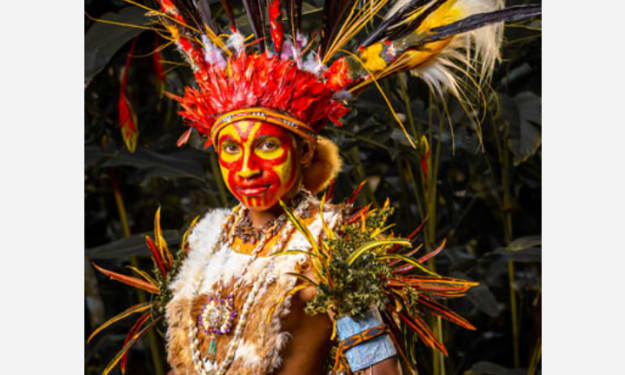
Southern Highlanders of Papua New Guinea
The Southern Highlands region of Papua New Guinea is home to diverse groups of indigenous people, each with a distinct cultural identity, language, and rich traditions. The Southern Highlanders, one of the most prominent groups within this area, are known for their vibrant customs, intricate dances, and the strong sense of community that binds them. Through their traditions, art, and practices, the Southern Highlanders exemplify a deep-rooted connection to the land, ancestors, and spirits, which plays a pivotal role in daily life. Community and Clan Structure In the Southern Highlands, community is organized around clans and sub-clans, each with its own ancestral lineage. These clans often operate under a strong, respected leader who is tasked with maintaining peace, settling disputes, and guiding the group’s social and ceremonial activities. Clan loyalty is deeply significant, and most cultural practices, including marriages, festivals, and conflicts, are handled with respect to clan lines. Highlanders generally place significant emphasis on reciprocal relationships, kinship ties, and community values. The “wantok” system, which loosely translates to “one talk,” signifies a sense of loyalty and support among people who share the same language or cultural background. This system strengthens social bonds and ensures that each member of the community is taken care of, especially during challenging times. The Importance of Traditions and Ceremonies Traditions within the Southern Highlands reflect their deeply spiritual worldview. Beliefs in ancestral spirits, nature spirits, and the presence of supernatural forces are central to their practices. Many ceremonies focus on pleasing and honoring these spirits to ensure protection, good harvests, and the well-being of the community. These ceremonies often revolve around important life events such as births, marriages, and deaths, as well as seasonal cycles. A significant tradition is the “moka” ceremony, a reciprocal gift-giving event where clans exchange pigs, crops, and other goods. The purpose of moka is to build alliances, foster goodwill, and reinforce the clan’s social standing. Highlanders who participate in moka are often celebrated for their generosity and wealth, as these gifts signify strength and honor in the eyes of the community. Traditional Dances and Costumes Dance is one of the most dynamic and expressive forms of cultural practice among the Southern Highlanders. Traditional dances, often performed in large gatherings or festivals, carry deep cultural meaning and are integral to ceremonies that celebrate ancestral heritage, honor spirits, or mark significant life events. Dancers wear elaborate costumes adorned with feathers, shells, paint, and other natural materials. These costumes, often handmade, symbolize elements of the natural world and honor the spirits. For example, the bird of paradise, a symbol often used in their adornments, represents beauty, freedom, and strength. Face and body paint, using ochre and clay, is also common and may signify clan identity or spiritual protection. The dancers’ movements are intricate and vary according to the purpose of the dance—whether it is celebratory, ritualistic, or a form of storytelling. The beat of kundu drums and rhythmic chants accompanies these dances, adding to their mesmerizing effect. One prominent dance, the “sing-sing,” brings together clans from various parts of the region to perform and celebrate their unique identities. Sing-sings serve as a platform for clans to showcase their dances, costumes, and traditions, fostering unity and peace among different groups. These gatherings are vibrant, with dancers moving in unison and creating intricate formations that convey both the stories of their ancestors and the collective pride of their people. Sacred Sites and Land Connection For the Southern Highlanders, land is not just a resource but a sacred entity infused with the spirits of ancestors. Many customs and traditions are centered around the idea that their ancestors live on through the land, and they view it with reverence. Sacred sites, including mountains, rivers, and caves, are considered to be dwellings of ancestral spirits. Access to these places is often restricted, and ceremonies performed at these sites must adhere to strict rituals to respect the spirits. This spiritual connection to the land also influences daily practices such as gardening and hunting, which are conducted with a sense of respect and restraint. Highlanders believe that any disrespect or excessive exploitation of resources could provoke the wrath of the spirits, leading to misfortune or disaster. Modern Influence and Preservation Despite the pressures of modernization and globalization, the Southern Highlanders have shown resilience in preserving their cultural identity. While some younger generations may embrace aspects of Western culture, efforts to preserve traditional customs, dances, and languages remain strong. Many Highlanders see the value in balancing traditional practices with modern influences, ensuring their culture’s survival for generations to come. Organizations and cultural groups in Papua New Guinea are working to document and revitalize these traditions, recognizing the rich heritage of the Southern Highlanders as a source of national pride. Their dances, customs, and clan traditions serve as a reminder of the deep spiritual connection that the Southern Highlanders maintain with their heritage, illustrating their unwavering respect for the land, ancestors, and community values.
By Grace Guise2 years ago in History
"Leonardo da Vinci: The Genius Behind the Masterpieces"
Leonardo da Vinci: The Polymath Who Redefined the Renaissance Leonardo da Vinci, built-in on April 15, 1452, in the baby boondocks of Vinci, Italy, is acclaimed as the quintessential Renaissance man. His access transcends art, science, and engineering, authoritative him one of history’s best admired figures. Accepted for his great concern and adroit mind, Leonardo's bequest continues to affect bodies above disciplines, from artists and architects to scientists and inventors. This commodity delves into the life, works, and constant appulse of this arresting genius.
By Say the truth 2 years ago in History
Who Were the Aryans?
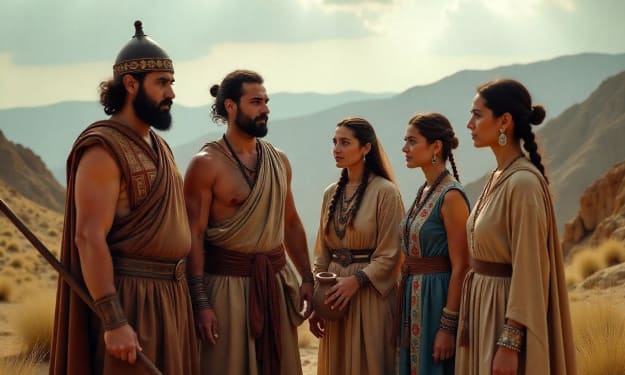
Embark on an exploration of the historical narrative surrounding the Aryans, an ancient linguistic community that has significantly influenced civilization, spanning from the Central Asian steppes to contemporary regions. This article aims to investigate the origins, migrations, and cultural contributions of the Aryans, while also addressing the ancient history and the misconceptions that have obscured their legacy throughout the ages.
By A História2 years ago in History
"Engineering Marvels of the Past: The Construction of Angkor Wat"
The Magnificent Architectonics of Angkor Temple: An Architectural Wonder of the Age-old World The Angkor temple complex, amid in abreast Cambodia, stands as one of the best amazing examples of architectural accomplishment and adherence in animal history. The architectonics of Angkor Wat, the best acclaimed of the temples aural the complex, reflects the adeptness and assurance of the Khmer Authority at its zenith. This commodity delves into the techniques, resources, cultural significance, and actual ambience abaft the architectonics of these temples.
By Say the truth 2 years ago in History
She Was This World
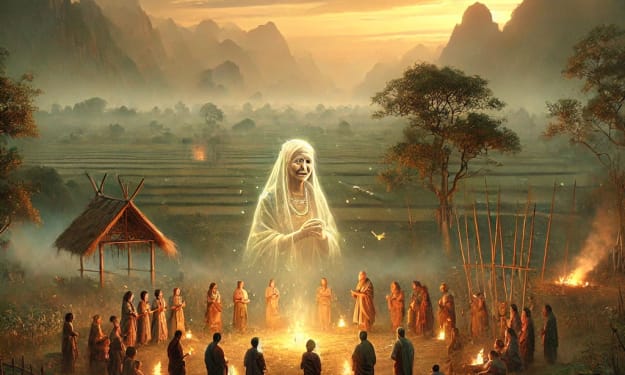
In a small village nestled between vast fields and towering mountains, lived an old woman named Meera. The villagers lovingly called her “Mother Meera.” Her eyes sparkled with wisdom, her face lined with years of laughter and sorrow. Despite her age, Meera held an unbreakable bond with nature. She knew every tree, every river, and every bird that nested in the area. For the villagers, she was as much a part of their world as the land itself. Youngsters would visit her often, curious about the stories she told. They’d sit by the river as she spoke of how everything was interconnected. “The world,” she would say, “breathes and lives just as we do. She feels, she hurts, and she loves.” One summer, as the land faced an unbearable drought, the rivers dried up, and the fields turned barren. The villagers struggled, crops withered, and even the birds stopped singing. Fear spread throughout the village. People began to despair, and their usual bright spirits dimmed. They approached Meera, hoping she could bring them some solace or guidance. Meera observed the worried faces around her. “There is a way to save this land, but you must trust me,” she said softly. The villagers listened intently as she explained, “The world, this land, has always protected and nurtured us. Now, it is time for us to give back.” Meera then shared a ritual—an ancient one she had learned from her ancestors. Each family was to offer a small sacrifice, a token of gratitude, back to the land. It didn’t have to be much; a handful of seeds, a flower, a cup of water—something simple, yet sincere. While some villagers were skeptical, others were desperate enough to try. So, each night, they gathered at the heart of the village, where Meera led them in the ritual. Families would offer their little gifts, burying them in the ground with a silent prayer. Over time, the villagers began to see changes—not in the land, but in themselves. The despair started to lift, replaced by a sense of unity, hope, and gratitude. One night, during one of these gatherings, a young girl named Asha approached Meera with tears in her eyes. “Mother Meera, will this really work? Can we save our world?” Meera knelt beside her and placed a gentle hand on Asha’s shoulder. “My dear,” she whispered, “She was this world. She lives within each of us, in every breath and every heartbeat. The love we give will eventually be returned.” The ritual continued, and over the weeks, the land itself seemed to respond. Small patches of green began appearing around the village, little springs of water bubbled from hidden sources, and birds returned to the trees. The villagers’ spirits soared, feeling as if the land was coming back to life. One evening, as the villagers prepared for their nightly ritual, they noticed Meera wasn’t there. Concerned, a few villagers went to her small hut and found her lying peacefully on her bed, a gentle smile on her face. Meera had passed away that evening, her last breath leaving just as the sun set. The villagers mourned, yet they knew she had given them something eternal. As they buried her near the heart of the village, they felt her presence lingering around them. They realized that she was no longer just a part of their memories but a part of their world, living on in every blade of grass, every drop of water, every breath of air. From that day on, the villagers continued the ritual, not out of desperation, but out of love. They understood now that the world was not just something outside them but something within them. Meera had become the world she always loved, the spirit of the land that would forever guide and protect them. And whenever the wind whispered through the village or the river flowed gently by, the villagers felt Meera’s spirit—always there, always watching, as the eternal mother of their world.
By Hridoy Hasan2 years ago in History