Ancient
Libya’s Underground Baptize Resources: A Hidden Treasure Below the Desert
Libya, a country accepted for its all-inclusive stretches of barren deserts, has continued faced challenges accompanying to baptize scarcity. With below than 2% of its acreage actuality abundant and an anniversary condensate of alone 20 to 50 millimeters in best areas, Libya’s annex on underground baptize assets is analytical for its survival.
By Say the truth 2 years ago in History
The First Automotive Accident in the World: Historical Incident in Transport Modes
The first known car accident occurred in 1771. Modern road safety and automobile engineering as we know it today has only one particular day to its past. And that was the steam-powered tractor designed by Nicolas-Joseph Cugnot, the first automobile, crashing on the streets of Paris. It is rather difficult to imagine an automobile accident in a time when cars such as we understand them did not exist. Actually, the steam contraption, invented by Cugnot was one of the crucial moments in modern history. And the accident, though minor, became an historical event.
By Abhay kumar chauhan2 years ago in History
Julius Caesar Uncovered: The Rise, Reforms, and Tragic Fall of Rome's Greatest Leader. AI-Generated.
Julius Caesar – a name that echoes through the annals of history, conjuring images of unmatched power, unbridled ambition, and a dramatic demise. But who was the man behind the myth? This article delves into the untold story of one of Rome’s greatest leaders, a figure whose life reshaped the ancient world and whose legacy endures to this day.
By menaland yakon2 years ago in History
The After life Preparation of Egyptian King
Preparation for the Afterlife The adventure to the afterlife was apparent as abounding with challenges and tests, and alone those who were abundantly able would succeed. For Pharaohs, this alertness was decidedly elaborate, involving both concrete and airy elements. The concrete anatomy had to be preserved, arch to the convenance of mummification. The age-old Egyptians believed that the canning of the anatomy was capital for the soul's adaptation in the afterlife. Without an complete body, the king's ka (vital essence) would be clumsy to acknowledgment to it, authoritative abiding activity impossible.
By Say the truth 2 years ago in History
"The Intellectual Legacy of Ancient Greece: Philosophy and Science"
The Aesthetics and Science of Age-old Greece Ancient Greece is generally admired as the cradle of Western civilization, and for acceptable reason. This era, spanning from the 8th aeon BCE to the end of antiquity, witnessed the acceleration of account that would appearance the approaching of philosophy, science, mathematics, and political anticipation for centuries. The Greeks' following of wisdom, or philosophia as they alleged it, apparent a cogent abandonment from the fabulous worldview of their predecessors. Coupled with their groundbreaking accurate observations and methodologies, the Greeks laid the foundation for what we now accede rational and empiric thought. The Birth of Greek Philosophy Greek aesthetics began with what historians now appellation the Pre-Socratic philosophers. These aboriginal thinkers approved to accept the universe's agreement and basal attempt after invoking abnormal explanations. Thales of Miletus, for example, proposed that baptize was the capital actuality from which aggregate originated. Anaximenes appropriate air as the primary element, while Heraclitus alien the abstraction of connected change, encapsulated in his acclaimed saying, “You cannot footfall into the aforementioned river twice.” As the movement matured, added circuitous and abstruse account developed. Pythagoras, accepted for the Pythagorean theorem, believed that numbers were the aspect of all things. His assignment connected above mathematics into a mystical worldview area after relationships absolute the accord of the universe. Socrates and the Art of Inquiry The aboriginal above about-face in Greek anticipation came with Socrates (469–399 BCE), who confused the focus from the accustomed apple to animal behavior, ethics, and society. Unlike the Pre-Socratics, Socrates did not address bottomward his teachings; instead, we apperceive about him through the works of his apprentice Plato. Socratic dialogue, characterized by allurement acid questions to activate analytical cerebration and brighten ideas, became a authentication of his teaching. His adjustment laid the background for the acreage of ethics, emphasizing the accent of analytical one's life, abundantly quoted as, “The unexamined activity is not account living.” Socrates’ charge to arduous accepted acumen ultimately led to his balloon and beheading for allegedly allurement the adolescence and impiety. Yet, his account connected to advance through Plato’s dialogues. Plato’s Apple of Forms
By Say the truth 2 years ago in History
The Bowder Stone: A Monument of Nature in the Lake District
Nestled in the picturesque Borrowdale Valley of the Lake District, the Bowder Stone stands as one of England's most extraordinary natural wonders. Weighing an astounding 2,000 tons, this colossal rock formation has captivated visitors for centuries, offering a glimpse into the dynamic forces of nature that shaped the landscape we see today. The Bowder Stone's origins date back around 10,000 years, to the end of the last Ice Age, when the retreating glaciers caused massive rockfalls and shifted the geological landscape of the region. Over time, this massive boulder became a symbol of both natural beauty and human ingenuity, attracting tourists and adventurers alike. --- The Story of the Bowder Stone The Bowder Stone is not just an impressive geological formation—it is a reminder of the power of nature’s forces. Formed from a rockfall that occurred roughly 10,000 years ago, the stone is an example of how the glaciers that once dominated the Lake District shaped the land. As the ice sheets retreated, they caused massive movements of rocks and debris. The Bowder Stone is one such rock that was dislodged from its original position, eventually coming to rest in its current location. The stone, a giant sandstone boulder, sits precariously atop a bed of smaller stones, as though it could topple at any moment. However, its stability is a testament to the natural forces that continue to shape the landscape of the Lake District. --- The Ladder and the Beginnings of Tourism In the 18th century, the Bowder Stone became a popular tourist attraction, drawing the attention of visitors to the Lake District. The advent of tourism in the region saw the introduction of various mechanisms to allow people to experience the area’s natural wonders up close, and the Bowder Stone was no exception. A wooden ladder was constructed to enable visitors to climb to the top of the stone and take in the stunning views of the Borrowdale Valley. The ladder, though originally made of wood, was later replaced with a more durable version to withstand the test of time. Today, this same ladder still stands, allowing adventurous visitors to scale the mighty stone and stand atop its massive surface. Climbing the Bowder Stone is no small feat—at 2,000 tons, it is a daunting yet exhilarating challenge. Once at the top, visitors are rewarded with a breathtaking view of the surrounding valley, the lake, and the towering peaks that make the Lake District one of the most beautiful regions in England. --- Geological Wonders of the Lake District The Bowder Stone is just one of many natural marvels that define the Lake District, a UNESCO World Heritage site. The region’s landscape has been shaped over millions of years by volcanic activity, glacial erosion, and other geological forces. The Lake District is home to dramatic peaks, deep valleys, and crystal-clear lakes, all of which owe their existence to the combination of volcanic eruptions and glacial movements during the last Ice Age. The Bowder Stone is an example of how these forces interacted, with rocks falling from the mountains and eventually coming to rest in dramatic formations. The region's geology is a favorite subject of study for geologists and visitors alike, and the Bowder Stone serves as a reminder of the dramatic transformations that have shaped the area. --- A Symbol of Human Connection with Nature The Bowder Stone also represents the connection between humans and the natural world. For centuries, people have been drawn to this monumental rock, marveling at its sheer size and wondering how it came to be. The creation of the ladder to enable visitors to climb the stone marks a pivotal moment in the history of tourism in the Lake District. By scaling the Bowder Stone, visitors not only experience the power of nature firsthand but also gain a deeper understanding of how humans have interacted with the landscape throughout history. The stone stands as a symbol of the human desire to connect with nature, to conquer seemingly insurmountable challenges, and to appreciate the beauty that surrounds us. --- Preserving the Bowder Stone for Future Generations As with many natural wonders, preserving the Bowder Stone for future generations is a matter of concern. Over the centuries, the stone has endured wear and tear from both the elements and human activity. Efforts to maintain the structure, including the periodic replacement and reinforcement of the ladder, help ensure that this remarkable monument remains accessible to those who wish to experience it. In addition to its role as a tourist attraction, the Bowder Stone is an important part of the local ecosystem, offering a unique habitat for various species of plants and animals. Conservationists continue to monitor the area to ensure that the natural environment remains undisturbed while allowing visitors to enjoy the stone’s majesty. --- The Bowder Stone Today Today, the Bowder Stone remains one of the Lake District’s most iconic landmarks. It continues to attract tourists, hikers, and adventurers who come to marvel at its size and beauty, and to experience the thrill of climbing the ladder to its summit. Standing at the top of the Bowder Stone, visitors are not only treated to a spectacular view but are also given the opportunity to reflect on the forces of nature that shaped the landscape, and the human history that has intertwined with it. It serves as a reminder of the awe-inspiring power of the natural world and the timeless appeal of the Lake District. --- Conclusion The Bowder Stone is more than just a massive boulder in the Borrowdale Valley. It is a testament to the geological forces that shaped the Lake District, a symbol of human connection with nature, and a cherished part of the region’s rich heritage. From its origins as a rockfall 10,000 years ago to its place today as a popular tourist attraction, the Bowder Stone continues to inspire awe and wonder in those who visit. Whether you are climbing to the top for a panoramic view or simply marveling at its size from below, the Bowder Stone is a natural wonder that will continue to capture the imagination of visitors for generations to come.
By Deji Akomolafe2 years ago in History
Theodore Laskaris and the Triumph at the Battle of Antioch on the Meander
The fall of Constantinople in 1204 during the Fourth Crusade shattered the Byzantine Empire, plunging it into chaos and fragmentation. Yet, amid this turmoil, the Empire of Nicaea emerged as a beacon of resistance, striving to reclaim Roman heritage and territories. One of the most defining moments of this era was the triumph of Theodore Laskaris over the Seljuk army at the Battle of Antioch on the Meander in 1211, a victory that secured Roman control over Western Anatolia for another century. This battle, a culmination of political ambition, betrayal, and valor, marked the rise of Theodore Laskaris as a formidable leader and solidified the Nicaean Empire’s place in the struggle to restore Byzantine authority. --- The Fall of Constantinople and the Fragmentation of the Empire The sack of Constantinople in 1204 by the Crusaders was a catastrophic event that fractured the Byzantine Empire. The Latin Empire was established in Constantinople, while Greek resistance coalesced in three successor states: the Empire of Nicaea, the Despotate of Epirus, and the Empire of Trebizond. Theodore Laskaris, a nobleman and son-in-law of Emperor Alexios III Angelos, emerged as the ruler of the Empire of Nicaea, determined to reclaim Byzantine lands and legacy. His leadership was soon tested by internal rivals and external threats, particularly from the Seljuk Sultanate of Rum. --- Alexios Angelos and the Seljuk Alliance Among those vying for power was Alexios Angelos, a scion of the deposed Byzantine ruling dynasty. After fleeing Constantinople, Alexios sought refuge in the Sultanate of Rum. There, he allied with Sultan Kaykhusraw I, who sought to expand Seljuk influence into the fractured Byzantine territories. In 1211, Alexios and Kaykhusraw launched a campaign to retake Anatolia, with Alexios hoping to reclaim the title of Basileus (emperor). Their alliance posed a significant threat to Theodore Laskaris and the Empire of Nicaea, as it combined Seljuk military strength with Alexios’ claim to Byzantine legitimacy. --- The Battle of Antioch on the Meander Theodore Laskaris, aware of the stakes, marshaled his forces and met the Seljuk-Byzantine coalition near the town of Antioch on the Meander River in western Anatolia. The battle that ensued was a decisive clash, marked by intense combat and personal bravery. At the height of the battle, Sultan Kaykhusraw engaged Theodore Laskaris in a one-on-one duel. According to contemporary accounts, Laskaris emerged victorious, killing the Seljuk sultan and demoralizing the enemy forces. The Seljuk army, now leaderless, crumbled under the pressure of the Nicaean forces. The death of Kaykhusraw was a devastating blow to the Seljuks and their Byzantine ally. Alexios Angelos’ ambitions to reclaim the Byzantine throne were shattered, and he was captured during the battle. --- The Aftermath and Significance of the Victory Theodore Laskaris’ triumph at Antioch on the Meander was a turning point for the Empire of Nicaea. The victory ensured the continued survival of the Nicaean state and secured its control over western Anatolia, a vital stronghold for the Byzantine resistance. For the Seljuks, the battle marked a significant setback, as the loss of their sultan weakened their influence in the region. It also reinforced the geopolitical divide between the Greek and Seljuk spheres of control in Anatolia. The capture of Alexios Angelos removed a dangerous rival from the political stage. With Alexios imprisoned, Laskaris could focus on consolidating his rule and strengthening the Nicaean Empire without internal distractions. --- Theodore Laskaris: The Defender of Byzantium Theodore Laskaris’ victory cemented his reputation as a capable leader and a defender of the Byzantine legacy. Under his rule, the Empire of Nicaea became the most prominent of the Byzantine successor states, laying the groundwork for the eventual recapture of Constantinople in 1261 by the Palaiologos dynasty. The raising of the Roman banner after the battle symbolized more than just a military triumph; it was a declaration that the spirit of Byzantium endured. Despite the loss of Constantinople, the Nicaean Empire upheld the traditions and aspirations of the Byzantine state, ensuring its cultural and political survival. --- A Century of Stability in Western Anatolia The Battle of Antioch on the Meander secured Roman control over western Anatolia for another century, allowing the region to serve as a bastion of Byzantine culture and administration. This stability was crucial for the eventual Byzantine resurgence. The battle also highlighted the importance of leadership and unity in the face of external threats. Theodore Laskaris’ ability to rally his forces and decisively defeat a formidable coalition underscored the resilience of the Byzantine people during one of their most challenging periods. --- Legacy of the Battle The Battle of Antioch on the Meander is remembered as a shining moment in Byzantine history, a testament to the enduring spirit of the Eastern Roman Empire. It was a victory born of courage and determination, achieved against overwhelming odds. The triumph of Theodore Laskaris not only preserved the Nicaean Empire but also inspired hope for the eventual restoration of Byzantium. It is a reminder that even in the darkest times, the light of resilience and leadership can illuminate the path to survival and resurgence. As the Roman banner was raised in the aftermath of the battle, it proclaimed to the world that Byzantium lived on—not as a memory, but as a force determined to reclaim its place in history.
By Deji Akomolafe2 years ago in History
The Mysterious and Advanced Indus Valley Civilization
The Indus Valley Civilization, often referred to as the Harappan Civilization, stands as one of the most captivating and contentious societies of the Bronze Age. Flourishing in what is now Pakistan approximately 5,000 years ago, this enigmatic culture has bequeathed a wealth of mysteries for contemporary archaeologists to explore. In this article, we shall embark on a journey through the latest findings that illuminate the splendor of this extraordinary civilization.
By A História2 years ago in History
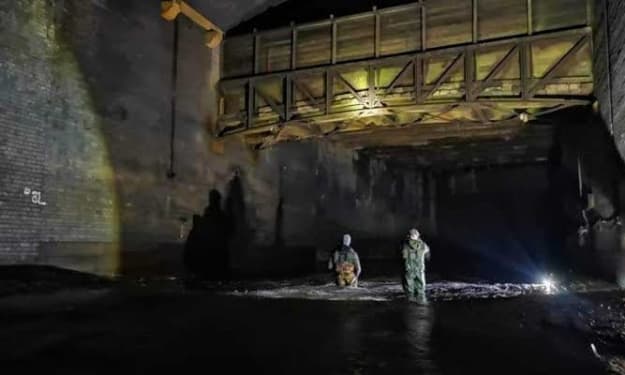
Beneath Manchester: The Hidden History of the 17th-Century Cattle Bridge
Manchester, a city renowned for its industrial heritage and vibrant culture, holds a lesser-known secret beneath its bustling streets: a perfectly preserved cattle bridge dating back to the 1650s. Tucked away from public view, this relic offers a fascinating glimpse into the city’s pre-industrial past. For those fortunate enough to have explored it, the bridge evokes a sense of wonder and reverence. Hidden beneath the modern metropolis, it stands as a tangible connection to a time when Manchester was a burgeoning market town, long before it became the industrial powerhouse of the 19th century. The Cattle Bridge: A Portal to the Past The 17th century was a transformative period in English history, marked by political upheaval, agricultural innovation, and the beginnings of urbanization. Manchester, still a small town at the time, played a modest yet vital role in the local economy, serving as a hub for trade and livestock markets. The cattle bridge, constructed around the 1650s, was a practical structure designed to facilitate the movement of livestock across the region. Its location under present-day Manchester places it near what would have been key trading routes and market spaces. Built with durable local stone, the bridge showcases the craftsmanship of the era. Its arch, though simple, is a testament to the engineering techniques of the time. Despite centuries of urban development above it, the bridge has remained remarkably intact, preserved by the layers of history that now surround it. Exploring the Bridge: A Hidden Treasure For those who have ventured beneath Manchester to see the cattle bridge, the experience is unforgettable. The structure is eerily silent, shielded from the noise and chaos of the modern city above. The air is cool and damp, and the dim lighting casts long shadows, emphasizing the bridge’s timelessness. The stones of the bridge bear the marks of time, their surfaces worn smooth by centuries of use and weathering. Some explorers report feeling a profound connection to the past, imagining the sounds of hooves clattering against the stone and the shouts of herders driving cattle to market. Over the years, the bridge has been revisited by urban explorers and historians, each uncovering new details about its construction and use. Their accounts paint a vivid picture of life in 17th-century Manchester, where livestock markets were the lifeblood of the local economy. Manchester in the 1650s: A City in Transition During the mid-17th century, Manchester was a far cry from the sprawling industrial city it would later become. Its population was modest, and its economy revolved around agriculture, weaving, and small-scale trade. Cattle played a crucial role in the region’s economy, providing meat, milk, leather, and other resources. Markets and fairs were central to community life, serving as places where goods, livestock, and news were exchanged. The cattle bridge would have been a vital part of this network, enabling the efficient movement of livestock and supporting the town’s growth. The bridge also reflects the broader historical context of the time. The English Civil War (1642–1651) had recently concluded, leaving its mark on communities across the country. Manchester, which had sided with the Parliamentarians, was beginning to rebuild and reshape its identity. Preservation and Rediscovery The cattle bridge remained largely forgotten as Manchester expanded and modernized. Over time, layers of construction and urban development obscured it from view, leaving it hidden beneath the city’s streets. Its rediscovery was a moment of triumph for historians and archaeologists, offering a rare glimpse into the city’s pre-industrial past. The bridge’s preservation is largely due to its underground location, which shielded it from the wear and tear of the modern world. Efforts to study and document the bridge have highlighted its historical significance. It serves as a reminder of Manchester’s agricultural roots, a heritage that is often overshadowed by its industrial achievements. The Bridge Today: A Symbol of Endurance While the cattle bridge remains inaccessible to most, its existence is a source of fascination and pride for those who know about it. It stands as a symbol of endurance, surviving centuries of change and development. The bridge’s story also underscores the importance of preserving historical sites, even those hidden beneath our feet. Urban landscapes are layered with history, and every brick and stone has a story to tell. For Manchester, the cattle bridge is a reminder of the city’s journey from a rural market town to a global industrial center. It connects the past to the present, offering a tangible link to the people and communities who shaped the city’s early history. Conclusion: A Hidden Gem Worth Celebrating The 17th-century cattle bridge beneath Manchester is more than just an archaeological curiosity—it is a testament to the city’s resilience and adaptability. From its humble origins as a rural crossing to its preservation as a hidden treasure, the bridge embodies the layers of history that make Manchester unique. For those who have explored its silent arches, the bridge is a source of inspiration and wonder. For the rest of us, it serves as a reminder that history is all around us, often hidden in plain sight. As Manchester continues to grow and evolve, the cattle bridge remains a steadfast witness to the city’s remarkable journey through time.
By Deji Akomolafe2 years ago in History
Unearthing Glory: The Golden Wreath Athlete of Ancient Lato
Unearthing Glory: The Golden Wreath Athlete of Ancient Lato Nestled in the heart of modern-day Agios Nikolaos, Crete, lies the ancient city of Lato, a testament to Greece's rich historical and cultural tapestry. Among its most fascinating archaeological discoveries is the skull of a young athlete, adorned with a golden laurel wreath and dating back to the 1st century AD. Unearthed during an excavation, this remarkable artifact now resides in the Archaeological Museum of Agios Nikolaos, offering a poignant glimpse into the ancient world. This discovery is more than just an archaeological treasure; it is a powerful symbol of athletic achievement, social status, and the enduring legacy of ancient Greek culture. Lato: A Window into the Past Lato was an important city-state in ancient Crete, flourishing during the Classical and Hellenistic periods. Perched on a hillside overlooking the Gulf of Mirabello, its strategic location made it a hub for trade, governance, and cultural exchange. While much of Lato's prominence predates the Roman conquest, the city retained its significance into the 1st century AD, when the golden wreath was created. The city was named after the goddess Leto (Latona in Roman mythology), the mother of Apollo and Artemis, further underscoring its connection to mythology and divine favor. Today, the ruins of Lato, with their well-preserved agora, temples, and fortifications, remain a popular site for visitors seeking to connect with Greece’s ancient past. The Discovery of the Golden Wreath Athlete The skull, crowned with its golden laurel wreath, was unearthed during excavations in the vicinity of ancient Lato. The wreath’s intricate design and fine craftsmanship suggest it was a prestigious item, likely awarded to honor the young individual’s athletic accomplishments. Golden laurel wreaths were not mere ornaments; they symbolized excellence, victory, and divine favor. In ancient Greece, victorious athletes in the Olympic Games and other Panhellenic competitions were often crowned with laurel wreaths made from the sacred bay tree, a plant associated with Apollo, the god of music, prophecy, and athletic prowess. The fact that this wreath was crafted from gold elevates its significance. Such artifacts were reserved for individuals of great importance, such as athletes, military heroes, or prominent citizens. Its presence in a burial context suggests that the individual was highly esteemed, their achievements immortalized through this opulent offering. Athletics and Honor in Ancient Greece Athletics were central to ancient Greek culture, symbolizing physical excellence, discipline, and a connection to the divine. Competitions were held not only to showcase individual prowess but also to honor the gods. Victors were celebrated with processions, songs, and eternal glory. The young athlete buried with the golden wreath likely participated in such competitions, earning their place among the elite of their society. Their burial with this prestigious item reflects the high regard in which they were held, not only for their athletic abilities but also for the virtues of courage, perseverance, and honor that they embodied. The Golden Laurel Wreath: Craftsmanship and Symbolism The golden laurel wreath found in Lato is a masterpiece of ancient craftsmanship. Made from thin sheets of gold, it replicates the delicate leaves and branches of a real laurel tree, capturing both the aesthetic beauty and symbolic significance of the plant. The laurel was sacred to Apollo, whose association with prophecy, music, and athletic achievement made him a central figure in Greek culture. By wearing a laurel wreath, athletes aligned themselves with Apollo’s divine qualities, embodying not just physical strength but also intellectual and spiritual excellence. In funerary contexts, such wreaths were not merely decorative. They signified the deceased’s connection to the gods and their enduring legacy. For the young athlete buried in Lato, the wreath served as a symbol of their earthly achievements and a token of immortality. Preserving History: The Archaeological Museum of Agios Nikolaos Today, the skull and its golden wreath are among the most treasured exhibits at the Archaeological Museum of Agios Nikolaos. The museum, renowned for its extensive collection of Minoan, Classical, and Roman artifacts, provides visitors with a comprehensive look at Crete’s ancient history. The golden wreath stands as a centerpiece, drawing visitors from around the world to marvel at its beauty and historical significance. Accompanied by other artifacts from the same period, it offers invaluable insights into the cultural and social fabric of ancient Crete. Through careful preservation and display, the museum ensures that the story of the young athlete—and the values they represented—continues to inspire future generations. The Legacy of the Golden Wreath Athlete The discovery of the golden wreath and the skull of the young athlete serves as a poignant reminder of the timeless pursuit of excellence. In ancient Greece, athletic competitions were more than games—they were acts of devotion, expressions of identity, and celebrations of human potential. This artifact bridges the gap between the ancient and modern worlds, connecting us to a time when individuals strove for greatness in service of their communities and the divine. The young athlete of Lato, crowned with gold, stands as a symbol of resilience, ambition, and the enduring human spirit. Conclusion The golden wreath athlete of Lato is more than an archaeological marvel; it is a story of triumph, honor, and cultural heritage. From the bustling agora of ancient Lato to the halls of the Archaeological Museum of Agios Nikolaos, this artifact continues to captivate and inspire. As we study and celebrate such discoveries, we are reminded of the universal human desire to leave a mark—to achieve something extraordinary and to be remembered. The young athlete, crowned with gold, achieved just that, their legacy shining brightly through the centuries.
By Deji Akomolafe2 years ago in History
Footprints Through Time: The Story of Humanity’s Oldest Evidence in the Americas
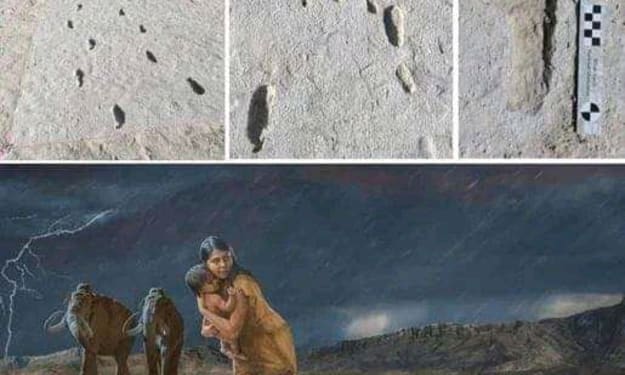
Around 22,000 to 23,000 years ago, during the peak of the Ice Age, a young woman embarked on a perilous journey across the shores of Lake Otero, an expansive ancient lake in what is now White Sands National Park in New Mexico. Accompanied at times by a toddler, she made two journeys separated by several hours, leaving behind a trail of footprints that would endure through millennia. These footprints, spanning 1.5 kilometers and comprising over 400 individual impressions, stand as the oldest known evidence of human presence in the Americas. This extraordinary discovery reshapes our understanding of when and how humans first arrived in the Americas, pushing back the timeline by several thousand years and offering an unprecedented glimpse into the lives of our Ice Age ancestors. --- Lake Otero: A Prehistoric Haven During the Ice Age, Lake Otero was a hub of life, its shores bustling with now-extinct megafauna. Mammoths, ground sloths, camels, dire wolves, and American lions roamed the area, creating a vibrant yet dangerous ecosystem. For the humans who ventured into this landscape, survival required not only physical endurance but also the ability to navigate a world dominated by formidable predators and harsh environmental conditions. The region’s semi-arid climate preserved the footprints remarkably well, embedding them in layers of sediment that hardened over time. These ancient impressions were first uncovered in 2021, revealing a story that had remained hidden for tens of thousands of years. --- The Journey: A Snapshot of Ice Age Life The footprints tell a vivid story. The larger prints, likely belonging to a young woman, reveal a steady gait, suggesting a determined journey. Interspersed among these are the smaller prints of a toddler, indicating that the child was carried at times and walked alongside at others. The journey was no casual stroll; it was a testament to endurance and resilience. The woman appears to have traveled quickly, possibly to evade predators or to reach a destination before nightfall. After some time, she retraced her steps, leaving behind another set of prints on the same path. What makes this journey even more remarkable is the context. This was a world where survival was a daily challenge. The presence of megafauna footprints near the human tracks suggests that the travelers shared the landscape with creatures that could pose both a threat and an opportunity, perhaps as sources of food or materials. --- Rewriting the History of Human Migration For decades, the prevailing theory about the peopling of the Americas suggested that humans first arrived around 13,000 years ago via the Bering Land Bridge, which connected Siberia to Alaska. These early inhabitants, known as the Clovis culture, were thought to represent the earliest wave of migration. However, the discovery at White Sands National Park challenges this narrative. The footprints, dated to over 22,000 years ago, indicate that humans were present in the Americas thousands of years earlier than previously believed. This finding aligns with other archaeological evidence, such as ancient tools and bones, that point to a much earlier human presence on the continent. The implications are profound. If humans were already in New Mexico 22,000 years ago, they must have arrived much earlier, potentially following a coastal migration route along the Pacific. This raises questions about their origins, migration patterns, and how they adapted to Ice Age environments. --- Humanity’s Connection to the Land Beyond its historical significance, the discovery at White Sands offers a poignant glimpse into the lives of Ice Age humans. It’s a reminder that these were not faceless ancestors but real individuals with emotions, challenges, and connections. The woman’s journey suggests a sense of urgency and purpose. Was she seeking food or shelter? Was she fleeing danger or trying to reunite with others? The presence of a toddler adds another layer of complexity, highlighting the universal human experience of caregiving and protecting the next generation. Such discoveries remind us of the continuity of human life. The struggles and triumphs of this ancient traveler resonate across time, connecting us to a shared past that extends far beyond the written record. --- Preserving and Interpreting the Footprints The footprints at White Sands are a fragile link to the past. Researchers are using cutting-edge techniques, such as 3D imaging and sediment analysis, to study and preserve these ancient impressions. These efforts ensure that future generations can learn from and appreciate this remarkable discovery. The site also underscores the importance of protecting archaeological resources. Climate change and human activity pose threats to such treasures, making it crucial to balance preservation with public education and access. --- A Window Into the Distant Past The footprints at White Sands National Park are more than just a scientific marvel—they are a testament to the resilience and adaptability of early humans. They remind us that even in the harshest conditions, humans have always found ways to survive and thrive. This discovery has transformed our understanding of the peopling of the Americas, offering tantalizing hints about migration, adaptation, and the lives of those who walked these lands long before recorded history. As researchers continue to study these footprints, they may uncover even more about the people who left them behind and the world they inhabited. In their silent permanence, these ancient tracks speak volumes, urging us to walk in the footsteps of our ancestors and imagine the challenges, hopes, and dreams that shaped their journey through time.
By Deji Akomolafe2 years ago in History