Ancient
A 1,200-Year-Old Viking Sword Discovered in an English River: Unraveling the Past
In a remarkable twist of fate, Trevor Penny, a magnet fisherman from England, stumbled upon a corroded Viking sword while fishing in the River Cherwell in Oxfordshire. Little did he know, this ancient weapon would take him back over 1,200 years to an era of fierce battles, cultural clashes, and transformative exchanges between the Anglo-Saxons and the Vikings. The sword, estimated to date back to CE 850, is a tangible remnant of a tumultuous period in English history. Its discovery has sparked renewed interest in the Viking Age and its lasting impact on England’s cultural and political landscape. --- The Discovery On what seemed like an ordinary day, Trevor Penny cast his magnet into the River Cherwell, a tributary of the River Thames. Magnet fishing, a hobby that involves retrieving metallic objects from bodies of water using a powerful magnet, has gained popularity in recent years for its ability to uncover hidden treasures. Penny's find, however, was anything but ordinary. When he pulled a heavily corroded, sword-like object from the riverbed, he could barely contain his curiosity. Experts were soon called in to examine the artifact, and their verdict was astonishing: the sword was a genuine Viking weapon, likely forged between CE 850 and 950. Despite its rusty appearance, the weapon's design and craftsmanship offered clues to its origins and purpose, shedding light on a fascinating chapter of English history. --- The Viking Era in England The Viking Age, spanning roughly from the late 8th century to the early 11th century, was a time of upheaval and change across Europe. For England, it marked an era of invasion, settlement, and cultural transformation. Viking warriors from Scandinavia—primarily Denmark, Norway, and Sweden—began raiding coastal settlements in England during the late 8th century. These raids eventually escalated into full-scale invasions. By the 9th century, the Danish Vikings had established the Danelaw, a region of England under Viking control. This area stretched across the north and east of the country, encompassing major cities such as York (then known as Jorvik). The Anglo-Saxons, meanwhile, resisted Viking incursions fiercely, leading to decades of skirmishes and battles. It was during this period of conflict and cultural exchange that the sword from the River Cherwell was likely forged and wielded. The weapon could have belonged to a Viking warrior, a member of the Anglo-Saxon resistance, or even a mercenary hired to fight for one side or the other. --- The Sword: A Glimpse Into the Past The sword itself is a fascinating artifact, even in its corroded state. Viking swords of this era were typically double-edged and designed for close combat. They often featured intricate designs on the hilt and pommel, sometimes adorned with precious metals or inscribed with runes. While the River Cherwell sword has lost much of its original detail, experts believe it was once a highly prized weapon. Such swords were not merely tools of war; they were also symbols of power and status. A sword like this would have been owned by a person of considerable rank, possibly a chieftain, a seasoned warrior, or a noble. For the Vikings, swords carried immense cultural significance, often passed down through generations as heirlooms. The location of the sword’s discovery—the River Cherwell—adds another layer of intrigue. Rivers often served as natural boundaries during the Viking Age, and they were frequently the sites of battles. It’s possible that the sword was lost during a skirmish or intentionally deposited in the river as part of a ritual or burial practice. --- The Significance of the Find Discoveries like this Viking sword are invaluable for understanding the past. They provide a tangible link to a time when England’s landscape, culture, and identity were being reshaped by both conflict and collaboration. The Viking Age left an indelible mark on England, influencing everything from language and law to art and architecture. The sword also serves as a reminder of the interconnectedness of history. During the Viking Age, England was not a unified kingdom but a patchwork of territories ruled by different factions. The interactions—both violent and peaceful—between the Anglo-Saxons and the Vikings played a crucial role in the eventual unification of England under King Athelstan in the 10th century. --- The Role of Magnet Fishing in Archaeology The discovery of the Viking sword underscores the growing importance of amateur archaeologists and hobbyists in unearthing historical artifacts. Magnet fishing, in particular, has become a valuable tool for uncovering submerged objects that might otherwise remain hidden. However, such finds also come with responsibilities. Artifacts like the River Cherwell sword are part of a shared cultural heritage and must be handled with care. Upon discovering the sword, Trevor Penny reported it to the local authorities, ensuring that it could be properly studied and preserved. This responsible approach allows historians and archaeologists to learn as much as possible from such discoveries while protecting them for future generations. --- Preserving the Viking Legacy The River Cherwell sword will likely undergo a lengthy process of conservation and study. Experts will carefully clean and stabilize the artifact, using modern technology to uncover hidden details about its construction and history. Once preserved, it may find a permanent home in a museum, where it can be displayed alongside other Viking artifacts. For those who view the sword, it will serve as a tangible connection to a world long past. It tells a story not only of war and conquest but also of resilience, adaptation, and cultural exchange. --- A Sword That Speaks Across Centuries The discovery of the Viking sword in the River Cherwell is a reminder of the countless stories hidden beneath the surface of our modern landscapes. Each artifact, whether a rusted blade or a weathered coin, holds a piece of history waiting to be uncovered. As we marvel at this 1,200-year-old weapon, we are reminded of the enduring human spirit and the ways in which the past continues to shape our present. The Viking sword is more than just a relic—it is a bridge between eras, a silent witness to the complexities and triumphs of human history. For Trevor Penny, the discovery was the find of a lifetime. For the rest of us, it is an invitation to explore the rich tapestry of history that lies just beneath our feet—and perhaps, in the depths of our rivers.
By Deji Akomolafe2 years ago in History
The Most Overlooked Countries in the World
Regarding travel and tourism, certain countries often receive the spotlight, while others remain hidden gems, overlooked by mainstream travel guides. Sometimes, places that are less frequently visited or publicised get labelled unfairly, despite having unique landscapes, cultures, and experiences. In this article, we explore some of the most underrated countries in the world—places that may not be on the typical tourist route but possess beauty and charm worth discovering.
By Zinnat ara Begum2 years ago in History
The Communal Bread Oven: A Glimpse Into Medieval Life in Urval, France
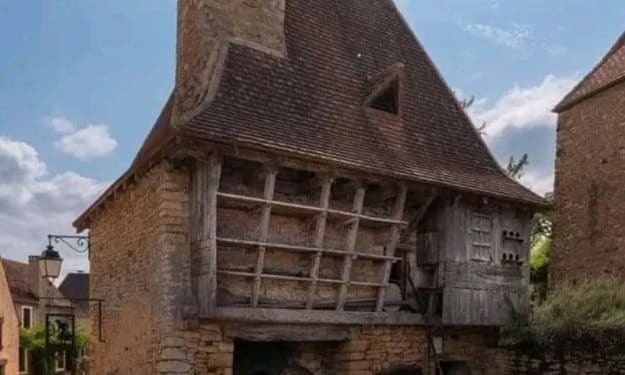
Nestled in the picturesque countryside of southwestern France, the small village of Urval boasts a unique treasure from the Middle Ages: a communal bread oven, or "four banal," built in the 14th century. This structure is more than just an architectural relic; it tells the story of feudal society, daily life, and the relationships between lords and peasants. A Multifunctional Structure The communal bread oven in Urval is a remarkable example of medieval ingenuity. Above the oven is a modest room that once housed the fournier—the fire-tender and baker responsible for managing the oven. The fournier not only oversaw the baking process but also tended to the fire, ensuring it remained at an ideal temperature for breadmaking. The shelves above the oven provided space to place freshly baked loaves, their warm aroma filling the room. To the right of the oven is the pigeonnier or dovecote, where the fournier raised pigeons. In medieval times, pigeons were highly valued for their meat, droppings (used as fertilizer), and even their symbolic association with prosperity and privilege. The integration of the pigeonnier into the bread oven structure highlights the multifunctionality of rural buildings in the Middle Ages. Bread and Feudalism In medieval France, bread was the cornerstone of sustenance, a staple for rich and poor alike. Its production, however, was intricately tied to the feudal system. Lords had the exclusive right to own and operate large ovens within their fiefdoms, along with mills and other essential infrastructure. Peasants were prohibited from building private ovens or mills, ensuring their dependence on the lord’s facilities. To use these communal ovens, they were required to pay a tax, often in the form of grain, flour, or loaves of bread. This tax, known as the banalité, was a significant source of income for the lord, who used it to maintain his estate and fund his military obligations. This system exemplified the economic dynamics of feudalism, where the lord provided essential infrastructure in exchange for payments or labor from the peasants. While it created a sense of communal interdependence, it also reinforced the hierarchy, with the lord at the top of the social pyramid. A Hub of Community Life Beyond its economic implications, the communal bread oven served as a vital social space. Baking bread was a communal activity, bringing villagers together regularly. People would gather to exchange news, share stories, and support one another, fostering a sense of unity. This aspect of the oven's role in village life is often overlooked but is crucial for understanding medieval society. In a time before modern communication and transportation, such communal spaces were essential for maintaining social bonds and cultural continuity. The Role of the Fournier The fournier played a pivotal role in this microcosm of medieval life. Not only did he manage the baking process, but he also acted as a liaison between the lord and the villagers. His position, though relatively modest, came with its own privileges, such as the use of the pigeonnier. Raising pigeons was often a right reserved for lords or their representatives, symbolizing the fournier's unique status within the feudal hierarchy. Economic and Cultural Impact The communal bread oven system underscores the intertwined nature of economics and culture in medieval France. Breadmaking was not just a domestic chore but a regulated economic activity that reinforced the feudal system. The taxes collected by the lord from the oven and mill usage contributed to the wealth and power of the estate. At the same time, the bread oven's role as a communal meeting point highlights the cultural importance of shared spaces. The stories and traditions exchanged around the oven contributed to the oral history of the village, preserving its identity across generations. Modern Reflections Today, the communal bread oven in Urval stands as a testament to medieval life. Its preservation offers valuable insights into the daily lives of ordinary people, their struggles, and their ingenuity in the face of rigid social structures. It also serves as a reminder of the central role that bread—both a basic necessity and a symbol of life—played in shaping history. Visitors to Urval can imagine the bustling activity that once surrounded the oven: villagers arriving with baskets of dough, the fournier stoking the flames, and the aroma of freshly baked bread wafting through the air. This humble structure encapsulates the resilience and resourcefulness of a bygone era, bridging the gap between the past and present. Conclusion The 14th-century communal bread oven of Urval is more than a functional relic; it is a window into the rhythms of medieval life. Its existence reflects the complexities of feudal economics, the centrality of bread in society, and the communal spirit that characterized rural villages. As we admire this piece of history, we are reminded of the importance of preserving such landmarks—not just for their architectural value but for the stories they carry. The communal bread oven stands as a monument to the ingenuity, resilience, and humanity of those who lived centuries before us.
By Deji Akomolafe2 years ago in History
The Rise and Fall of Ancient Egypt: A Journey Through Time. Content Warning. AI-Generated.
It was Egypt, one of the world's oldest and most fabulous civilizations, along the banks of the Nile River that shone for thousands of years through the great pyramids to the very intricate mummification process. Ancient Egypt's history is rich and mysterious as a succession of mighty rulers shaped the culture, religion, and architectural wonders that remain famous even today. But like all great empires, Egypt's glory was eventually brought to an end. Here, we are going to tell you the story of Ancient Egypt, how they made mummies, the building of the pyramids, and the eventual collapse of the mighty kingdom that once was.
By Muhammad Naeem2 years ago in History
Fucine Lake and the Remarkable Roman Drainage Project
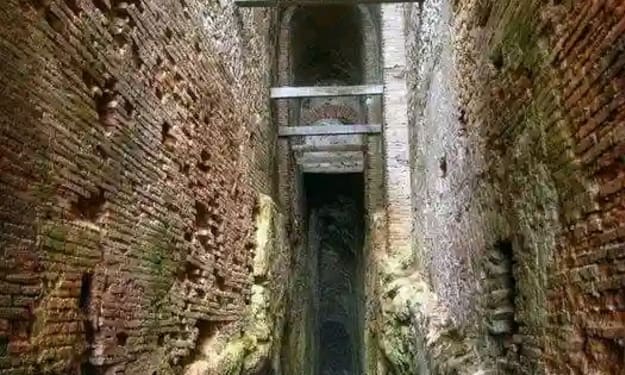
Nestled in the Abruzzo region of central Italy, Fucine Lake was once the third-largest lake in Italy, a vast endorheic basin with no natural outflow. While it provided ample resources such as fish and fertile lands for agriculture, the lake also posed significant challenges. Frequent flooding and the proliferation of malaria made it both a blessing and a curse for those living around its shores. These issues prompted one of the most ambitious engineering projects of the Roman Empire—an endeavor that has left a lasting legacy in both history and archaeology. Fucine Lake’s Challenges Fucine Lake spanned a significant area, but its lack of a natural outflow meant that water levels could rise unpredictably. The fertile plains around the lake were often inundated, causing substantial damage to crops and settlements. Malaria, a scourge in ancient times, thrived in the stagnant waters, making life around the lake perilous. These recurring issues led Roman engineers to devise a plan to control the lake's waters. Emperor Claudius, known for his interest in ambitious infrastructure projects, took up the challenge. His vision was nothing short of extraordinary: to lower the lake's water level by creating an artificial outlet that would drain its excess water into the nearby Liri River. The Engineering Marvel of Emperor Claudius In 41 CE, Claudius commissioned an elaborate drainage system that would involve the construction of canals, wells, and tunnels. Over 30,000 slaves and workmen labored tirelessly for 11 years, completing the project in 52 CE. The centerpiece of this system was an underground canal stretching more than three miles (six kilometers), which was, at the time, the longest tunnel in the world. The tunnel cut through the Monte Salviano range, a feat that required immense precision and manpower given the rudimentary tools available in ancient Rome. Workers dug the canal by hand, using chisels, hammers, and primitive picks. Ventilation shafts and wells were constructed along the tunnel's length to aid in the excavation process. The tunnel’s design was ingenious, allowing water to flow from Fucine Lake into the Liri River on the other side of the mountain. Once operational, the system successfully reduced the lake's water level, providing relief from floods and expanding the usable land for agriculture and settlement. A Partial Success and Subsequent Decline Despite its brilliance, the project was only partially successful. The lake's water level was lowered, but it could not be entirely emptied. Claudius himself recognized the limitations of the system. Historical accounts describe a grand ceremony held to inaugurate the drainage project, during which the system’s efficiency was tested, but the results were underwhelming. After the fall of the Roman Empire, maintenance of the drainage system ceased. The tunnel and canals fell into disrepair, exacerbated by earthquakes that damaged the structures. Without consistent upkeep, the lake gradually returned to its original level, reclaiming the land that had been won through Claudius’s monumental efforts. The Final Draining of Fucine Lake Centuries later, in the 19th century, modern engineers revisited the challenge of Fucine Lake. Between 1854 and 1878, the lake was finally drained entirely under the guidance of Alessandro Torlonia, an Italian nobleman and financier. Using more advanced technology, Torlonia expanded upon the Roman infrastructure and completed the project, transforming the former lakebed into arable land. The successful draining of Fucine Lake marked the end of an era but also underscored the ingenuity of Claudius’s original vision. Although his project was ultimately abandoned, it demonstrated the extraordinary capabilities of Roman engineering and their understanding of hydraulics and infrastructure. The Archaeological Park and Modern Legacy Today, the ancient Roman drainage system has been preserved as an archaeological park. Visitors can explore remnants of the canals, wells, and the tunnel that once represented the pinnacle of Roman engineering. The park not only showcases the scale and ambition of the project but also serves as a testament to the ingenuity and resilience of the Roman Empire. The underground canal, in particular, remains a highlight. Although it no longer serves its original purpose, its preservation allows archaeologists and engineers to study the methods and techniques used by Roman workers. The site is also a reminder of the human cost of such projects, with thousands of laborers toiling under challenging conditions to bring Claudius’s vision to life. Lessons from the Past The story of Fucine Lake and its drainage project offers valuable lessons about human innovation and perseverance. Claudius’s endeavor exemplifies the ability of ancient civilizations to tackle complex environmental challenges with limited resources. It also highlights the importance of maintenance and adaptability in engineering projects, as the lack of upkeep ultimately led to the system’s decline. Furthermore, the project demonstrates the Romans’ profound connection to their environment. Their willingness to invest time, labor, and resources into transforming their surroundings reflects their belief in the power of engineering to shape the natural world for the benefit of society. Conclusion The drainage of Fucine Lake under Emperor Claudius stands as a remarkable chapter in the history of engineering and environmental management. While the project faced challenges and setbacks, its scale and ambition remain awe-inspiring. The remnants of this ancient endeavor, now preserved as an archaeological park, continue to captivate and educate modern audiences, reminding us of the ingenuity and determination of those who came before us. Through projects like this, the Romans not only reshaped their world but also laid the groundwork for future generations to build upon their achievements. Fucine Lake may be gone, but its story lives on, a testament to the enduring legacy of Roman innovation.
By Deji Akomolafe2 years ago in History
Elizabeth I: The Golden Age Queen
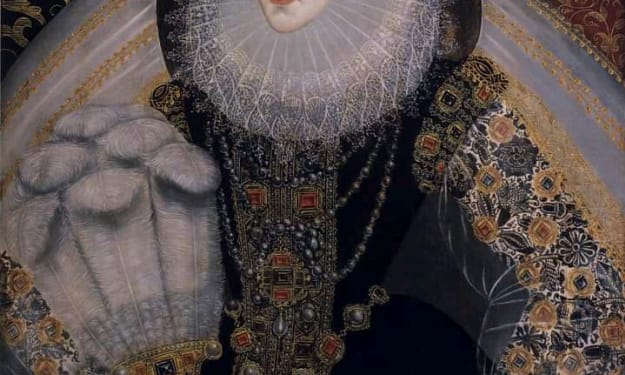
In 1558, Elizabeth Tudor ascended the throne of England, ushering in a transformative era now famously remembered as the Elizabethan Age. The only surviving child of Anne Boleyn and Henry VIII, Elizabeth overcame numerous challenges to become one of Britain’s most iconic monarchs. Her nearly 45-year reign marked a period of cultural flourishing, military triumph, and political stability that shaped the course of English history. --- Elizabeth’s Path to the Throne Born on September 7, 1533, at Greenwich Palace, Elizabeth’s life began amidst the dramatic upheaval of the Tudor court. Her mother, Anne Boleyn, was executed when Elizabeth was just two years old, leaving her declared illegitimate and removed from the line of succession. Despite these early setbacks, Elizabeth received a rigorous education, excelling in languages, philosophy, and politics under the guidance of some of the finest tutors of the time. Following the brief reigns of her half-brother, Edward VI, and her half-sister, Mary I, Elizabeth’s claim to the throne was fraught with danger. Mary’s reign was marked by religious turmoil as she sought to restore Catholicism, creating deep divisions within England. When Mary died childless in 1558, Elizabeth inherited a kingdom in desperate need of unity and stability. --- The Golden Age of Elizabeth Elizabeth’s reign is often called "The Golden Age" for its remarkable contributions to culture, exploration, and national identity. One of her most significant achievements was establishing a Protestant Church of England, solidifying the country’s religious direction after decades of instability. The 1559 Act of Uniformity and Act of Supremacy reaffirmed her position as Supreme Governor of the Church, balancing Protestant reforms with policies designed to appease moderate Catholics. This period also witnessed a cultural explosion, with figures like William Shakespeare and Christopher Marlowe revolutionizing English literature and drama. The Elizabethan stage became a platform for exploring themes of love, power, and identity, cementing England’s literary legacy. Meanwhile, explorers such as Sir Francis Drake and Sir Walter Raleigh expanded England’s horizons, laying the groundwork for its future as a global empire. The Age of Exploration not only brought wealth to England but also fostered a spirit of adventure and innovation. --- The Defeat of the Spanish Armada One of Elizabeth’s defining moments came in 1588 with the defeat of the Spanish Armada. King Philip II of Spain, a staunch Catholic, sought to invade England and depose its Protestant queen. Despite being outnumbered and outgunned, the English navy, aided by unfavorable weather conditions for the Spanish fleet, achieved a resounding victory. The triumph bolstered Elizabeth’s reputation as a strong and capable leader, reinforcing England’s naval supremacy and national pride. Her speech to the troops at Tilbury, where she declared, "I know I have the body but of a weak and feeble woman, but I have the heart and stomach of a king," remains one of the most iconic moments of her reign. --- A Legacy of Diplomacy and Independence Elizabeth’s reign was characterized by her astute political instincts and careful diplomacy. She skillfully navigated a male-dominated world, earning the respect of her advisors and foreign leaders alike. Known as the “Virgin Queen,” Elizabeth never married, a decision that allowed her to maintain independence and avoid the potential power struggles that a royal consort might bring. Her unmarried status also became a symbol of her devotion to her country, with England often described as her “husband.” This personal sacrifice underscored her commitment to her role as monarch, strengthening her bond with her subjects. --- The End of the Tudor Dynasty Elizabeth’s death on March 24, 1603, marked the end of the Tudor dynasty, a lineage that had ruled England for over a century. Without an heir, the crown passed to James VI of Scotland, the son of Mary, Queen of Scots, uniting the crowns of England and Scotland under the Stuart dynasty. This transition, though peaceful, signaled the end of an era. Elizabeth’s reign had been one of relative stability and prosperity, and her passing left a significant void. Yet, her influence endured, shaping the identity of England for generations to come. --- Elizabeth’s Enduring Legacy Elizabeth I is remembered as one of Britain’s greatest monarchs, a ruler who defied expectations and steered her nation through a tumultuous period of history. Her reign not only solidified England’s position as a world power but also ensured that the legacy of her mother, Anne Boleyn, lived on through her accomplishments. The Elizabethan Age remains a source of pride and inspiration, celebrated for its cultural achievements, military victories, and the enduring image of a queen who stood resilient in the face of adversity. Elizabeth’s ability to unite her people, foster innovation, and maintain a delicate balance of power solidifies her place as a pivotal figure in history. Her life and reign continue to captivate historians, writers, and audiences, symbolizing the enduring power of leadership, intellect, and vision. As the last Tudor monarch, Elizabeth I left behind a legacy that defined an era and continues to shape the story of England to this day.
By Deji Akomolafe2 years ago in History
The Mystery of Oak Island: Unraveling the Enigma. AI-Generated.
Introduction: The Allure of Oak Island Do you know Oak Island? It is a small island located off the coast of Nova Scotia, Canada. It has emerged as one of the most famous places in the world for mystery enthusiasts and treasure hunters alike. The island is notorious for its legendary Money Pit, a deep shaft that has supposedly hidden treasure for centuries. Many people have long speculated about the treasure that was buried on Oak Island, and hundreds of expeditions have tried to uncover secrets. However, despite all these efforts, the truth about the mystery of Oak Island has remained elusive. So, what is going on with Oak Island and why does it capture the imagination of so many?
By soman Goswami2 years ago in History
Unveiling the Past: The Ancient Art of Bernifal Cave
Hidden within the lush countryside of Dordogne, France, lies the Bernifal Cave—a remarkable time capsule of prehistoric art and culture. This extraordinary site, dated to approximately 15,000 BC, offers a glimpse into the lives and artistic expressions of early humans during the Upper Paleolithic period. With over 100 engravings and paintings, Bernifal Cave stands as a testament to the ingenuity and creativity of our ancient ancestors, preserving their connection to the natural world and their spiritual beliefs. --- A Portal to Prehistoric Life Discovered in 1902, Bernifal Cave is one of the lesser-known treasures of prehistoric art. Unlike more famous sites such as Lascaux or Chauvet, Bernifal has remained relatively untouched and unspoiled. The original entrance was blocked by rubble thousands of years ago, effectively sealing the cave and protecting its contents from vandalism and environmental damage. This isolation has allowed the cave to remain a pristine repository of ancient engravings and paintings. The artwork within Bernifal offers a vivid portrait of the animals that roamed the Ice Age landscapes of Europe, including horses, bison, mammoths, and ibex. Each engraving and painting provides valuable insights into the biodiversity of the era and the deep connection these early humans had with their environment. --- The Art of Bernifal The artwork in Bernifal Cave is primarily composed of engravings, but there are also painted elements that add depth and vibrancy to the collection. The engravings are etched into the limestone walls with tools crafted from flint or bone, while the painted images were created using natural pigments like ochre and charcoal. One of the most intriguing aspects of the cave's art is the presence of "tectiform" symbols, enigmatic roof-shaped drawings found in several other caves from the same period. The meaning of these symbols remains a mystery to archaeologists, but they are believed to hold spiritual or ritual significance, potentially representing shelters, dwellings, or other abstract concepts central to Paleolithic life. Unlike modern art, which often emphasizes individual expression, the artwork in Bernifal Cave reflects a communal narrative. These engravings and paintings were likely created as part of collective rituals or storytelling traditions, serving as a shared visual language for the group. --- Human Portrait: A Rare and Fascinating Find Among the captivating images in Bernifal Cave is a rare human portrait, dated to approximately 15,000 BC. Human representations in Paleolithic art are uncommon compared to the abundance of animal depictions, making this portrait an extraordinary discovery. The portrait is simple yet evocative, capturing the essence of an individual through minimal lines and shapes. Its presence in the cave raises questions about the role of human imagery in early art. Was it a self-portrait, a depiction of a revered figure, or a symbolic representation of humanity itself? The scarcity of human images in prehistoric art suggests that their creation held special significance. They may have been reserved for specific rituals, or perhaps the artists were more focused on the animals that played a vital role in their survival. --- A Window into the Spiritual World The artwork of Bernifal Cave is more than a record of Ice Age fauna; it is a window into the spiritual and symbolic world of its creators. The attention to detail in the animal depictions suggests a profound respect for these creatures, which were likely central to the community's livelihood and mythology. Many archaeologists believe that caves like Bernifal were considered sacred spaces, used for rituals, ceremonies, and storytelling. The act of engraving or painting on the walls may have been a spiritual practice, a way to connect with the forces of nature or seek guidance from ancestral spirits. The enigmatic tectiform symbols further reinforce this idea. Their repeated presence in multiple caves suggests they carried a shared meaning, perhaps related to protection, fertility, or the cosmos. While the exact interpretation remains elusive, these symbols highlight the complexity of Paleolithic thought and culture. --- Preservation and Legacy The Bernifal Cave's exceptional preservation owes much to its natural protection and the respect shown by modern visitors. Unlike many other prehistoric sites, it has not been damaged or defaced, allowing researchers to study its art in its original context. However, the fragility of the cave’s ecosystem underscores the importance of responsible preservation. Human activity, even in small doses, can disrupt the delicate balance within the cave, leading to the deterioration of its artwork. To ensure the longevity of these priceless treasures, access to Bernifal Cave is strictly regulated, with conservation efforts focused on maintaining its pristine condition. --- The Enduring Appeal of Prehistoric Art The engravings and paintings of Bernifal Cave remind us of our shared humanity and the enduring power of art to transcend time. Created more than 15,000 years ago, these images continue to inspire awe and curiosity, bridging the gap between the ancient past and the present. Through their artistry, the creators of Bernifal Cave left behind a legacy that speaks to their ingenuity, spirituality, and connection to the natural world. Their work challenges us to reflect on our own relationship with the environment and the ways in which art continues to shape our understanding of the human experience. In the depths of Bernifal Cave, the voices of the past whisper through stone and pigment, inviting us to listen, learn, and marvel at the timeless creativity of our ancestors.
By Deji Akomolafe2 years ago in History
The Pantheon’s Dome: A Marvel of Ancient Engineering That Defies Time
When standing beneath the awe-inspiring dome of the Pantheon in Rome, one can’t help but marvel at the ingenuity of ancient Roman engineering. Nearly 2,000 years after its construction, this architectural masterpiece continues to astound visitors, historians, and architects alike. Not just an emblem of Roman grandeur, the dome remains the largest unreinforced concrete dome in the world—a title it has held since its completion around 126 CE under Emperor Hadrian. The Pantheon isn’t just a monument; it’s a living testament to the enduring legacy of Roman innovation and craftsmanship. The dome, with its perfect symmetry and groundbreaking construction techniques, encapsulates the advanced knowledge of materials, design, and engineering that characterized ancient Rome. The Dimensions of Genius At 43 meters (141 feet) in both diameter and height, the Pantheon’s dome is a marvel of geometric precision. This symmetry gives the dome its harmonious and visually balanced appearance. The oculus at the center of the dome, an open circular skylight measuring 8.8 meters (29 feet) across, floods the interior with natural light while reducing the overall weight of the structure. The oculus serves both practical and symbolic purposes. Architecturally, it reduces the amount of material at the dome’s apex, preventing collapse under its own weight. Symbolically, it represents a connection to the heavens, a fitting feature for a building originally dedicated to all Roman gods (the word "Pantheon" translates to "all gods"). The massive size of the dome poses an engineering challenge even by modern standards, making its longevity even more remarkable. The fact that the dome has stood without reinforcement for nearly two millennia is a testament to the Romans' mastery of construction and material science. The Secret Recipe of Roman Concrete The Romans didn’t invent concrete, but they perfected its use to an extent that has left modern engineers in awe. The Pantheon’s dome owes much of its durability to a unique concrete mix described by Vitruvius, a Roman architect and engineer. This mix included lime and pozzolana, a volcanic ash found near Rome. When combined with water, these materials formed a durable, lightweight concrete that could withstand time, weather, and seismic activity. To manage the immense weight of the dome, the Romans employed an ingenious strategy: they varied the density of the concrete. At the base, the concrete was mixed with heavy aggregates like travertine. Toward the top, lighter materials such as pumice were used. This gradation significantly reduced the load on the lower sections, ensuring the dome’s stability. Ingenious Design Features Beyond the materials, the design of the Pantheon’s dome showcases the Romans’ unparalleled engineering acumen. One of the key features is the series of coffered panels that adorn the dome’s interior. These sunken panels not only enhance the dome’s aesthetic appeal but also reduce its overall weight without compromising structural integrity. The walls supporting the dome are another feat of engineering. They are a staggering 6 meters (20 feet) thick at the base, incorporating a series of relieving arches and voids to manage the immense pressure exerted by the dome. These walls act as a solid foundation, distributing the weight evenly and preventing cracks or collapses over the centuries. A Legacy of Influence The Pantheon’s dome has inspired countless architects and engineers throughout history. The Renaissance master Brunelleschi studied it extensively before designing the dome of Florence’s Cathedral, and its influence can be seen in structures like St. Peter’s Basilica, the U.S. Capitol, and even the Panthéon in Paris. Despite its advanced age, the Pantheon remains a functional building. It has served various roles throughout its history, transitioning from a pagan temple to a Christian church and finally into a historic monument. This adaptability, coupled with its extraordinary design, has ensured its preservation and relevance in modern times. Surviving the Ages The Pantheon’s survival is no accident; it is a testament to the ingenuity of Roman construction techniques and the durability of their materials. While many ancient buildings have succumbed to earthquakes, war, or neglect, the Pantheon has stood resilient, defying time and nature. This resilience is partly due to the quality of Roman concrete, which has proven more durable than many modern equivalents. Recent studies have shown that the interaction between the lime and volcanic ash in Roman concrete creates crystals over time that reinforce the structure, essentially allowing the material to “heal” itself. The Pantheon’s Timeless Appeal What makes the Pantheon truly remarkable is its timeless appeal. Standing beneath the dome, one feels a profound connection to the past, a sense of awe at the achievements of a civilization that thrived nearly 2,000 years ago. The dome is more than just an architectural feature; it is a symbol of human ingenuity, creativity, and the enduring quest for greatness. For modern engineers and architects, the Pantheon serves as a benchmark, a reminder of what can be achieved with vision, skill, and a deep understanding of materials. For historians and visitors, it is a window into a world that continues to inspire wonder and admiration. Conclusion The Pantheon’s dome is not just an architectural marvel; it is a legacy. Its enduring status as the largest unreinforced concrete dome in the world speaks to the brilliance of Roman engineering. From its innovative concrete mix to its elegant design features, the dome represents a blend of functionality and artistry that has stood the test of time. Visiting the Pantheon today is not merely an encounter with history; it is an experience of timeless ingenuity. It is a reminder that while materials and tools may evolve, the spirit of human innovation is eternal. As long as the Pantheon stands, it will continue to inspire generations to dream, design, and create.
By Deji Akomolafe2 years ago in History
Echoes of Romance: A Roman Love Scene from Pompeii
The art of Pompeii continues to captivate modern audiences, providing a vivid glimpse into the lives, loves, and leisure of ancient Romans. Among the many treasures preserved by the catastrophic eruption of Mount Vesuvius in 79 CE is a stunning fresco that has been interpreted as a tender scene of love. Now housed in the British Museum, this panel depicts a woman playing a kithara, a type of lyre, with her lover seated beside her, gazing at her with adoration. Once believed to depict a music lesson, this artwork offers a timeless narrative of romance, artistry, and daily life in Pompeii. The Context of Pompeii Pompeii, a vibrant Roman city, was abruptly buried under volcanic ash in 79 CE, preserving an unparalleled record of Roman life. From grand villas adorned with intricate frescoes to humble homes with graffiti-covered walls, Pompeii’s remains offer insights into the art, culture, and emotions of its inhabitants. The fresco of the woman and her lover comes from a house in Pompeii, where it adorned the interior walls, likely serving as a decorative element that reflected the owner’s taste and social status. The Roman period, particularly the 1st century CE, was a time of flourishing art and culture. Scenes like this were popular in Roman domestic decoration, not only for their aesthetic appeal but also for their ability to convey themes of love, music, and leisure—an essential part of Roman elite identity. Depicting Love and Music This particular fresco is a masterpiece of storytelling. The central figure is a woman playing a kithara, a sophisticated stringed instrument associated with education, refinement, and artistic expression. Her posture and the way her fingers delicately touch the strings suggest a moment of musical performance, one that is private and intimate. Seated beside her is a man, presumably her lover, who gazes at her with a mixture of admiration and affection. His posture is relaxed yet attentive, highlighting the personal connection between the two. The interaction between the figures transcends words, capturing a moment of shared intimacy that resonates even today. The kithara itself is significant. In Roman culture, music was often associated with education and elite leisure. Women who played instruments, particularly in private settings, were seen as cultured and sophisticated. The inclusion of this instrument in the fresco suggests not only the woman’s artistic talent but also her social standing. Artistic Style and Technique The fresco demonstrates the skill and craftsmanship of Roman painters. Fresco painting involved applying pigment onto wet plaster, a technique that required precision and speed. The vibrant colors, delicate detailing, and realistic expressions are characteristic of Roman art during this period. The artist’s use of light and shadow adds depth to the scene, while the subtle details, such as the folds in the woman’s garments and the texture of the kithara, bring the image to life. The intimate setting, with the figures positioned closely together, enhances the emotional resonance of the piece. Symbolism and Interpretation While once thought to depict a music lesson, the fresco is now widely interpreted as a scene of romantic love. The man’s adoring gaze and the private setting suggest a deeper connection between the two figures. Music, in this context, serves as both a literal and metaphorical language of love—a medium through which emotions are expressed and relationships are deepened. In Roman art, music and love were often intertwined. Scenes of lovers enjoying music were common in domestic decoration, symbolizing harmony, passion, and the joys of life. The fresco’s theme reflects the broader Roman appreciation for leisure, beauty, and the emotional aspects of human experience. Preservation and Legacy The eruption of Mount Vesuvius, while devastating, ensured the preservation of Pompeii’s art for future generations. This fresco, like many others, provides a rare opportunity to connect with the personal lives of ancient Romans. It reminds us that despite the passage of centuries, themes like love, music, and human connection remain universal. Today, the fresco is displayed in the British Museum, where it continues to inspire and intrigue visitors. Its journey from a Roman home to a modern museum underscores the enduring appeal of Pompeii’s art and the stories it tells. Reflections on Ancient and Modern Love The scene depicted in this fresco resonates with modern viewers, offering a timeless narrative of romance and intimacy. In an age of technology and rapid communication, the simplicity of this moment—a woman playing music for her lover—reminds us of the universal power of shared experiences and personal connection. The fresco also invites us to reflect on the role of art in expressing and preserving human emotions. Whether through music, painting, or storytelling, the desire to capture love and beauty is a thread that connects us to the past. Conclusion The Roman fresco of the woman with her kithara and her adoring lover is more than just a decorative panel; it is a window into the hearts and minds of ancient Romans. Preserved by the ash of Vesuvius and brought to light centuries later, it bridges the gap between antiquity and modernity, reminding us that the human experience—love, art, and connection—is timeless. As we admire this piece in the British Museum, we are reminded not only of the richness of Roman culture but also of the shared emotions that define us all. It is a testament to the enduring legacy of Pompeii and the stories it continues to tell.
By Deji Akomolafe2 years ago in History
Ancient History Meets Modern Convenience: The Roman Road Beneath a McDonald’s in Marino, Italy
In the small Italian town of Marino, near Rome, history and modernity intersect in a surprising way. During construction work for a new McDonald’s restaurant in 2014, workers uncovered a remarkable archaeological site: a 45-meter-long stretch of an ancient Roman road. This discovery, complete with three skeletons found along the road’s edges, provides a unique glimpse into the daily life of ancient Rome. Today, thanks to an innovative restoration effort, visitors to this McDonald’s can dine with a direct view of the road through a specially designed glass floor. A Window to the Past The Roman road, believed to date back to the 2nd century BCE, is an extraordinary find. Roads like these were integral to the Roman Empire, enabling the efficient movement of soldiers, goods, and information across vast distances. This particular stretch of road, discovered beneath Marino, would have connected smaller towns and settlements to Rome, the empire’s bustling heart. Constructed using large basalt stones fitted together with precision, the road showcases the advanced engineering skills of the Romans. The remains of wheel ruts on the stones further attest to its heavy use over centuries. Alongside the road, three skeletons were discovered, likely of individuals who lived during the time the road was in use. Their presence adds a poignant human element to the archaeological site, serving as a reminder of the lives that unfolded along this ancient route. The McDonald’s Connection The discovery of the road posed a challenge for McDonald’s, which had planned to open a new restaurant at the site. Rather than abandoning the project or removing the archaeological remains, McDonald’s Italy decided to embrace the site’s historical significance. The company worked closely with Rome’s Superintendency for Archaeology, Fine Arts, and Landscape to ensure the road’s preservation. McDonald’s financed the entire restoration process, which included cleaning, repairing, and stabilizing the ancient road. To integrate the site into the restaurant, a glass floor was installed above the road, allowing customers to view the archaeological treasure while dining. This innovative solution not only preserved the road but also made it accessible to the public in an engaging and unexpected setting. A Unique Dining Experience Visiting the McDonald’s in Marino today offers a dining experience like no other. The glass floor provides a clear view of the Roman road, complete with its intricate stonework and visible wheel ruts. Informational displays near the site offer insights into the road’s history and significance, blending education with fast food in an unexpected way. This unique setup has turned the restaurant into a tourist attraction, drawing history enthusiasts and curious visitors from around the world. For many, the juxtaposition of an ancient Roman road with a modern McDonald’s embodies the layers of history that define Italy. The Importance of Preservation The project in Marino highlights the value of preserving archaeological sites, even in the face of modern development. Italy, with its rich history and countless archaeological treasures, faces a constant challenge in balancing urban growth with heritage conservation. McDonald’s decision to fund the restoration and incorporate the road into its restaurant serves as an example of how private companies can contribute to cultural preservation. By embracing the historical significance of the site, McDonald’s not only safeguarded an important piece of history but also created a unique feature that enhances its brand and draws customers. This approach has set a precedent for how modern development and heritage preservation can coexist. It demonstrates that with creativity and collaboration, ancient treasures can be integrated into contemporary spaces without compromising their integrity. What the Roman Road Tells Us Beyond its architectural significance, the Roman road in Marino offers a window into the daily lives of ancient Romans. Roads like these were the lifelines of the empire, facilitating trade, communication, and cultural exchange. They connected people across vast territories, enabling the Roman Empire to thrive for centuries. The presence of skeletons along the road adds another layer of intrigue. Were these individuals travelers who died along the route? Or were they buried there intentionally, perhaps as part of a ritual or tradition? These questions remain unanswered, sparking curiosity and inviting further study. A Fusion of Past and Present The Roman road beneath McDonald’s in Marino symbolizes the fusion of past and present that defines Italy’s cultural landscape. It is a reminder that history often lies just beneath the surface, waiting to be uncovered and appreciated. For visitors, the site offers a chance to reflect on the enduring legacy of the Roman Empire while enjoying a modern meal. It’s a testament to the resilience of history and the importance of preserving it for future generations. Conclusion The discovery of the Roman road in Marino is a story of unexpected intersections—between ancient history and modern commerce, between preservation and progress. By choosing to preserve and showcase the road, McDonald’s has turned its Marino location into more than just a fast-food restaurant; it has become a bridge between eras, inviting visitors to experience history in a new and accessible way. In a world where development often comes at the expense of cultural heritage, the Roman road beneath McDonald’s stands as a shining example of how the past can coexist with the present. It is a reminder that history is all around us, even in the most unlikely places.
By Deji Akomolafe2 years ago in History