Ancient
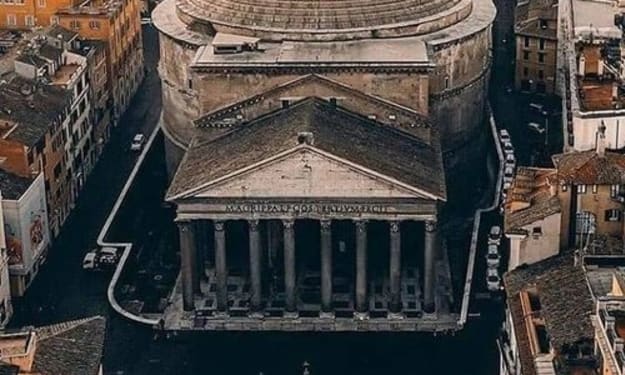
The Pantheon: Rome’s Timeless Architectural Wonder
When we think of ancient Rome, towering structures like the Colosseum or the Roman Forum often come to mind. However, nestled in the heart of Rome, standing as a testament to Roman engineering and architectural brilliance, is the Pantheon. This iconic building, with its remarkable history, stunning design, and enduring influence, remains one of the best-preserved monuments from the Roman Empire. Even more astonishing is the fact that its dome, made of concrete, is still the largest unsupported dome in the world, nearly two thousand years after its construction.
By Deji Akomolafe2 years ago in History
The Fascinating World of Dos-à-Dos Bookbinding: A Glimpse into Medieval Bookcraft
In the world of bookbinding, few techniques are as unique and intriguing as the dos-à-dos binding. This unusual style, which literally translates from French as "back-to-back," has roots in the medieval and early modern periods. It’s a method that combines both practicality and artistry, providing a space-efficient way to store multiple books in a single volume. Though rare today, this binding technique tells a story of its time—a time when books were precious commodities and the art of their creation was a specialized skill.
By Deji Akomolafe2 years ago in History
Musa
Musa (Moses), one of the most prominent figures in Islamic tradition, holds a significant place in the Quran. His story is intertwined with divine revelation, liberation, and the struggle against tyranny, making him one of the most frequently mentioned prophets in the holy text. The Quran's narrative of Musa provides not only historical details but also spiritual lessons on faith, perseverance, and justice.
By Faisal Dad Khan2 years ago in History
The Lockmaker’s Apprentice Expanded
The Lockmaker’s Apprentice Expanded Setting the Scene The story is set in Eldoria, a kingdom where technology and magic coexist. The lockmaker’s workshop, tucked away in a bustling artisan’s district, is a hub of creativity. Ornate mechanisms hang from the walls, and the air smells of metal shavings and enchanted oils. In contrast, the royal palace looms, its cold, imposing walls symbolizing the strict control of magic within the realm.
By Michael Wisdom2 years ago in History
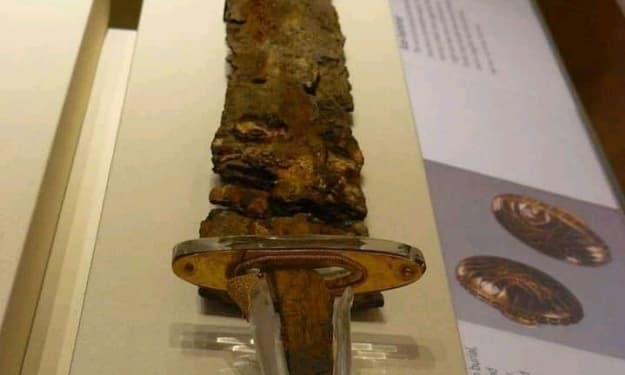
The Sutton Hoo Sword: A Symbol of Anglo-Saxon Power and Craftsmanship
The Sutton Hoo Sword: A Symbol of Anglo-Saxon Power and Craftsmanship One of the most iconic and significant discoveries in British archaeology is the Sutton Hoo ship-burial, found in Suffolk, England. Dated to approximately AD 620, this burial site is believed to have belonged to an East Anglian king, possibly Raedwald, who ruled at the height of Anglo-Saxon England. Among the numerous treasures unearthed from this ancient royal burial was an extraordinary sword, whose craftsmanship and symbolism offer profound insights into the period’s warfare, social structure, and artistry. This sword, now housed at the British Museum, is more than just a weapon; it is a testament to the power and legacy of the Anglo-Saxon elite. Discovery and Context of the Sutton Hoo Ship-Burial The Sutton Hoo burial was uncovered in 1939, largely thanks to the efforts of Edith Pretty, a landowner who was intrigued by the mounds on her property. When archaeologists excavated the site, they discovered a large ship that had been buried in a mound, along with a treasure trove of artifacts. These objects ranged from exquisite jewelry and helmets to shields and weapons. The ship itself was nearly 90 feet long, suggesting it was intended for a powerful, possibly royal, figure. At the heart of this burial was the belief that the deceased would need to take their wealth and belongings with them into the afterlife, in keeping with the traditions of elite Anglo-Saxon burials. Among the most remarkable finds was the sword, a symbol of a warrior’s strength and status. The Sword’s Design and Craftsmanship The Sutton Hoo sword is a remarkable example of Anglo-Saxon craftsmanship and martial culture. Measuring approximately 85 centimeters (about 33 inches) in length, it features a double-edged blade, perfect for both cutting and thrusting in battle. The blade itself is made of high-quality iron, with patterns forged into the metal through a technique known as pattern welding. This involved intertwining different types of iron to create a strong, flexible blade with intricate, wavy patterns visible along its length. This craftsmanship was not only practical but also highly symbolic, demonstrating the warrior’s skill and the high status of the sword’s owner. The hilt of the sword is equally impressive, with the guard, grip, and pommel all adorned with gilded decorations. The pommel, in particular, is decorated with a complex, geometric pattern that is thought to have had both aesthetic and symbolic significance. The use of gold and precious materials on the hilt suggests that this was not a mere weapon but a royal artifact, meant to reflect the power and wealth of its owner. Interestingly, the sword's decoration also features motifs that are believed to be of both Anglo-Saxon and wider European origin. These designs draw upon both Germanic traditions and Christian influences, signaling the evolving cultural and religious landscape of early medieval England. The Symbolism of the Sword The sword from Sutton Hoo is more than just a functional weapon; it is an emblem of power, leadership, and status. In Anglo-Saxon society, swords were often seen as symbols of the warrior elite. Owning a finely crafted sword was a sign of both martial prowess and noble status. The sword’s role in battle was crucial, but it was also an object that conferred prestige. The sword’s presence in the burial suggests that the individual buried in Sutton Hoo was not only a warrior but a king or high-ranking noble. Some scholars believe the burial may have belonged to Raedwald, an East Anglian king who is thought to have ruled in the early 7th century. Raedwald, who is recorded in historical sources such as the Anglo-Saxon Chronicle and the Historia Ecclesiastica by Bede, was a key figure in the transition from paganism to Christianity in England. The sword’s combination of both pagan and Christian symbolism may reflect the changing religious landscape during this time. The sword’s inclusion in the burial also reflects the belief that the deceased would need it in the afterlife to defend their honor or assert their authority. The Anglo-Saxons believed in an afterlife where warriors could continue their exploits, and the sword, as a weapon of war, was vital for ensuring that the deceased would retain their power in the next world. The Legacy of the Sword The Sutton Hoo sword, along with the other artifacts found at the site, offers us a rare and detailed glimpse into early medieval English life. It provides evidence of the sophistication of Anglo-Saxon metalworking and the wealth and power of the East Anglian kings. It also highlights the importance of warfare, honor, and status in Anglo-Saxon society. Beyond its craftsmanship, the sword serves as a reminder of the world of the warrior elite and the complex interplay between pagan traditions and the emerging Christian influence in early medieval England. The sword’s intricate design and luxurious materials reflect the wealth and influence of its owner, while its symbolic meaning points to the central role of warfare and leadership in the Anglo-Saxon worldview. As an artifact, the Sutton Hoo sword is one of the most significant surviving examples of early medieval weaponry. It is a testament to the skills of Anglo-Saxon craftsmen, the traditions of kingship, and the warrior culture that defined the early Middle Ages in England. Today, it continues to inspire awe and respect, not only for its beauty and craftsmanship but also for the story it tells about a pivotal moment in English history. In sum, the Sutton Hoo sword is more than just a weapon. It is a symbol of a bygone era, embodying the power, artistry, and beliefs of a civilization that played a critical role in shaping the England we know today.
By Deji Akomolafe2 years ago in History
The Aloadae
Greek mythology is filled with captivating tales of deities, humans, and mythical beings, yet few are as intriguing and powerful as the Aloadae, also known as the Aloïdes. These twin giants, Otus and Ephialtes, gained infamy for their bold challenges against the gods, remarkable strength, and their ultimately sorrowful end. This article examines the legend of the Aloadae, investigating their beginnings, remarkable exploits, and the moral insights their narrative offers.
By A História2 years ago in History
Most Beautiful Christmas Country
There is joy, togetherness, and wonder during the holiday season. While many people across the globe celebrate Christmas with traditions, food, and decorations, some countries truly stand out for their breathtaking holiday displays. From snowy landscapes to vibrant Christmas markets, the most beautiful Christmas countries offer a magical experience that embodies the spirit of Christmas like no other. If you’re dreaming of a winter wonderland, here are the top destinations that will make your Christmas unforgettable.
By Zinnat ara Begum2 years ago in History
A Roman Luxury: The Multi-Function Utility Knife from 200-300 AD
In the world of ancient artifacts, few items carry the same level of intrigue as the objects that combine both practicality and craftsmanship. One such discovery, found in the ruins of a Roman camp in England, is a remarkable multi-function utility knife that dates back to around 200-300 AD. This intriguing piece, which was unearthed during archaeological digs, offers a fascinating glimpse into the everyday lives of the wealthy in the Roman Empire. With its combination of tools, including a knife, spoon, fork, spike, spatula, and pick, this item is more than just a simple utility piece; it’s a testament to the luxurious lifestyle of elite Roman travelers and citizens.
By Deji Akomolafe2 years ago in History
The Top 5 Most Mysterious Places On Earth
Our earth has countless enigmatic locations that have captivated the human imagination. These mysterious places, shrouded in legend and intrigue, continue to bewilder us with their unexplained phenomena and unsolved mysteries. From ancient ruins to natural wonders, this article explores the top five most mysterious places on Earth, where the boundaries of reality seem to blur. Stonehenge, England
By Hamza Shafiq2 years ago in History
Sentinel Island: A Mysterious Island in India
The Andaman and Nicobar Islands in the Indian Ocean are home to many natural wonders, but none are as mysterious and enigmatic as North Sentinel Island. Located in the Bay of Bengal, this remote island has fascinated explorers, anthropologists, and adventurers for decades. The island’s unspoiled beauty is matched only by its mystery, as it is home to the Sentinelese, one of the world’s last uncontacted tribes. This article dives deep into the history, culture, and controversies surrounding Sentinel Island, an unparalleled gem of India’s geography.
By mariam elghazaly2 years ago in History
The Magical Bike of Om Banna
The Story of Om Banna: A Miracle of the Royal Enfield Thakur Om Singh, born on March 5, 1965, in Chotila village of Pali, was the son of Jog Singh Rathore. In Rajasthan, Rajputs are often called "Banna Sa," and that's why Om Singh was also affectionately known as Om Banna.
By raunak maharotha2 years ago in History
The Most Beautiful Natural Wonders of the World
Our planet is a treasure trove of breathtaking natural wonders, each with unique charm and allure. These sites, created by the forces of nature over millions of years, inspire awe and wonder with their beauty, size, and significance. Whether you are an avid traveller, a nature enthusiast, or someone simply looking to connect with Earth’s wonders, these are some of the most beautiful natural wonders of the globe the world has to offer.
By Zinnat ara Begum2 years ago in History