Ancient
Berry Pomeroy Castle Mill: The Heartbeat of a Medieval Estate
Tucked away in the verdant landscape of Devon, near the quiet village of Berry Pomeroy, lies the historic site of Berry Pomeroy Castle. This impressive ruin, standing as a testament to centuries of history, is closely tied to the mill that once served as a vital part of the estate. The Berry Pomeroy Castle Mill, nestled within the grounds, was more than just a mechanism for grinding grain; it was a cornerstone of the community and the lifeblood of the castle’s agricultural and economic operations. Together with the castle, the mill witnessed the rise and fall of the Pomeroy family, and its eventual decline reflects the broader fate of the estate itself.
By Deji Akomolafe2 years ago in History
Hirta Island: A Forgotten Village of the Scottish Highlands
Tucked away in the rugged wilderness of the Hebrides, Hirta Island stands as a poignant reminder of Scotland’s rich, yet often challenging, history. Located within the archipelago known as St. Kilda, Hirta was home to generations of crofters, fisherman, and farmers who carved out a living on this remote island. Once a thriving community, the island is now a place of haunting beauty, its cottages abandoned, its fields silent. But for more than 2000 years, Hirta was a lively settlement where people endured the harshest of conditions to live out their daily lives. One chapter of this island’s remarkable history unfolded in 1861 when a group of settlers constructed 16 single-story cottages along what would come to be known as ‘main street.’ Yet despite the resilience of its people, Hirta’s life as a village would ultimately end in 1930, leaving behind only memories and stone foundations, forever etched in the island's landscape.
By Deji Akomolafe2 years ago in History
The Iron Flail: A Spiked Symbol of Medieval Power
In the captivating world of medieval weaponry, few objects are as evocative of raw power and close combat as the iron flail. Also known as the "morning star," this fearsome weapon boasts a striking design, featuring a spiked ball attached to a sturdy shaft, and it was one of the most terrifying tools of war during the 15th to 17th centuries. While its name might sound poetic, the flail was no less deadly, capable of delivering bone-crushing blows with devastating speed and accuracy. Today, the iron flail remains an iconic symbol of medieval combat, captivating historians, enthusiasts, and museum-goers alike.
By Deji Akomolafe2 years ago in History
South Korea: The Land of Contrasts and Innovation
South Korea, officially known as the Republic of Korea, is a nation that seamlessly blends ancient traditions with cutting-edge technology. Nestled on the southern part of the Korean Peninsula, it shares a border with North Korea, creating a stark contrast in governance and culture. South Korea has emerged as a global leader in technology, entertainment, and culture while maintaining its deep-rooted historical heritage. This article explores the multifaceted identity of South Korea, covering its history, culture, economy, technological advancements, and global influence.
By Sanjay Sanjay2 years ago in History
Unveiling the Mysteries of the Nazca Lines in Peru
The Nazca Lines, a UNESCO World Heritage Site, remain one of the most intriguing archaeological enigmas in the world. Etched into the arid desert plains of southern Peru, these vast geoglyphs span across 80 kilometers of desert floor. Despite extensive research, the purpose and origins of the lines continue to puzzle experts, captivating historians, scientists, and curious travelers alike.
By mariam elghazaly2 years ago in History
The Horror Corridor: Exploring the Way of Whale Bones in Serbia
In the heart of Europe, nestled in Serbia's rugged landscape, lies a hauntingly beautiful location known as the Way of Whale Bones. This eerie corridor, shrouded in legends and mystery, has captivated adventurers and thrill-seekers for decades. With its surreal atmosphere and macabre history, it has become a must-visit destination for horror enthusiasts and lovers of the unusual.
By mariam elghazaly2 years ago in History
A Timeless Landmark: The Preservation of Aberconwy House Through Art and Time
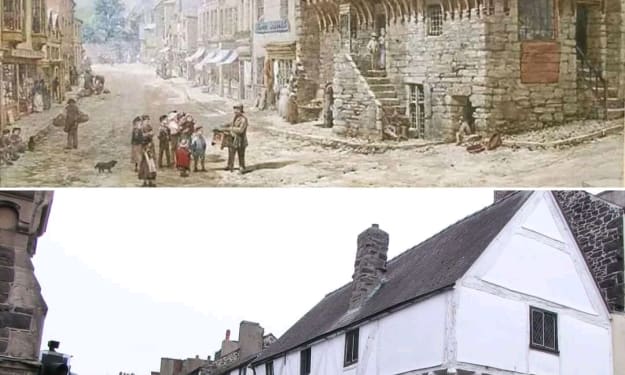
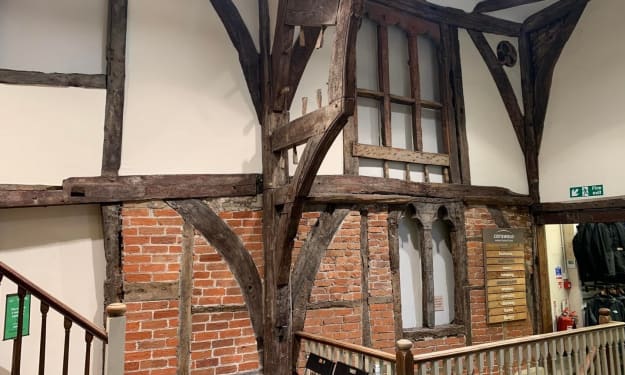
Aberconwy House, located in the historic walled town of Conwy in North Wales, is a rare and invaluable relic of the medieval past. The house, dating back to the 14th century, stands as the only surviving merchant's house from this period in Conwy, offering a unique window into a time when the town thrived as a bustling center of commerce and culture. As one of the few medieval buildings that withstood the turbulent history of Conwy, Aberconwy House carries with it stories of medieval life, resilience, and the evolution of the town. In the early 1980s, renowned Welsh artist Louise Ingram Rayner captured the house in one of her detailed watercolors, presenting a scene frozen in time. Rayner, known for her meticulous architectural studies, brought attention to Aberconwy House not only as a subject of art but also as a beacon of historical significance. Her painting contrasts sharply with the modern-day reality of the building, showcasing the careful preservation of its form over the centuries, and allowing us to compare how much the structure has endured since Rayner’s interpretation of it. Aberconwy House: A Jewel of Conwy’s Medieval History Built in the early 14th century, Aberconwy House stands as a testament to the wealth and status of the merchant class in medieval Conwy. The town was granted its charter in 1283 by Edward I after the conquest of Wales, and soon after, Conwy began to prosper as a port and trading hub. Merchants and craftsmen played a crucial role in the town’s economic success, and Aberconwy House was likely the residence of a prosperous merchant family. The house’s design, with its steeply-pitched roof, timber framing, and distinctive stonework, reflects the typical construction style of the period. Over the centuries, Conwy experienced numerous changes, including invasions, wars, and periods of economic upheaval. Despite this, Aberconwy House stood firm, surviving all the trials that befell it. The building’s resilience is evident in its structure, with later additions made to accommodate the changing needs of its inhabitants, yet its medieval character remains remarkably intact. The house is now one of the key historical landmarks in Conwy, drawing visitors eager to learn about the medieval way of life and explore the rooms where wealthy merchants would have conducted business, entertained guests, and lived with their families. A walk through its rooms today is like stepping back in time, with its period furnishings, original stone walls, and intricate wooden beams telling the story of medieval domestic life. Louise Ingram Rayner’s Artistic Vision Louise Ingram Rayner’s watercolor painting of Aberconwy House, created around 1980, is a compelling example of her skill in capturing the essence of historic buildings. Rayner, who was particularly focused on architectural subjects, had a unique talent for rendering the subtle details of buildings and the stories they conveyed. Her style, characterized by a delicate interplay of light, shadow, and texture, brings out the character of the buildings she painted, and Aberconwy House is no exception. In her painting, Rayner depicts the house from a vantage point that emphasizes its historical solidity and enduring nature. The detailed brushwork brings to life the texture of the stonework, the age of the timbers, and the weathered appearance of the windows. The color palette used by Rayner enhances the sense of age and permanence, with muted tones reflecting the timeworn nature of the house. The painting also captures the house in its historical context, situated against the backdrop of Conwy’s medieval town walls, which are among the best-preserved fortifications from the reign of Edward I. Rayner’s interpretation of Aberconwy House not only celebrates its architecture but also serves as a reminder of its importance within the larger history of Conwy. Aberconwy House Today Fast-forwarding to today, Aberconwy House remains one of the most well-preserved medieval buildings in Wales. It has undergone careful restoration over the years, and its preservation is a testament to the dedication of conservationists and historians who have worked tirelessly to maintain the structure’s integrity. The house is now managed by the National Trust and is open to the public, allowing visitors to experience its rich history firsthand. One of the striking aspects of Aberconwy House today is the way it continues to maintain its historical character despite the changes in its surroundings. The walled town of Conwy, with its narrow streets and picturesque buildings, offers a perfect setting for the house, and much of the medieval charm of the town has been preserved alongside it. The town walls, the medieval bridge, and the castle built by Edward I all form part of the UNESCO World Heritage Site that includes Aberconwy House, ensuring that it remains a focal point of Conwy’s history and heritage. While the house may have changed over the centuries, its survival and preservation are a testament to its cultural and historical significance. Today, it is not only a building of historical interest but also a symbol of the resilience of Conwy itself—its ability to endure through centuries of change and continue to offer a glimpse into its medieval past. Conclusion In both Louise Ingram Rayner’s watercolor and in the preserved structure we see today, Aberconwy House stands as a reminder of a bygone era. Through Rayner’s meticulous portrayal and the careful efforts of modern conservationists, the house has remained a vibrant symbol of medieval Conwy. Whether seen through the artist’s eyes or in person today, Aberconwy House is a lasting monument to the town’s rich history, offering insight into the lives of those who once called this house their home, and serving as a testament to the enduring legacy of medieval architecture.
By Deji Akomolafe2 years ago in History
The Rise and Fall of Great Financial Empires: A Historical Perspective.
The annals of history are replete with tales of empires that once dominated the world stage, their power and influence rooted in their economic might. From the ancient civilizations of Mesopotamia to the industrial giants of the 19th century, these empires rose to prominence, flourished for a time, and then inevitably declined.
By Kamran Khan2 years ago in History
When Did the Practice of Human Bondage Begin?
When did slavery begin? Its practice was commonplace during biblical times as the Bible weaves intricate details into the accounts of daily lives. Bottom line: Slavery did not begin in America, and black people are not the only people who were ever enslaved.
By Treathyl Fox (aka cmoneyspinner)2 years ago in History
The Legend of Atlantis: Fact or Fiction? . AI-Generated.
The story of Atlantis has fascinated historians, philosophers, and the public for centuries. This mythical island, often described as an advanced and utopian civilization, is said to have disappeared beneath the waves in a catastrophic event. While many consider it a cautionary tale or a symbolic myth, others argue that it may be rooted in historical reality. This article explores the legend of Atlantis, its origins, and the ongoing debate over whether it is fact or fiction.
By mariam elghazaly2 years ago in History
St. Michael's Mount: A Mystical Island Steeped in History and Legend
Nestled off the picturesque coast of Marazion in Cornwall, England, St. Michael's Mount is a tidal island that beckons visitors with its striking beauty, rich history, and captivating myths. As one of Cornwall’s most iconic landmarks, St. Michael’s Mount is a unique blend of nature, legend, and heritage, drawing people from all over the world to experience its magic. Whether approached by foot during low tide or by boat during high tide, this ancient island offers a glimpse into a past that is both fascinating and enchanting.
By Deji Akomolafe2 years ago in History
The Oldest House in Salisbury: A Hidden Gem of Medieval Architecture
In the heart of Salisbury, Wiltshire, England, lies a fascinating piece of history that many may walk by without a second glance. At first glance, it might seem like just another charming building, but the oldest house in Salisbury is far more than just a relic of the past. Built in 1308, this historic structure offers a unique glimpse into medieval domestic life and architectural practices. But what’s truly captivating about this house is the way it challenges our expectations of age, design, and historical significance.
By Deji Akomolafe2 years ago in History