Ancient
The Porch House: A Step Back in Time at England's Oldest Inn
Nestled in the heart of the Cotswolds, the quaint village of Stow-on-the-Wold is home to a building that has stood the test of time for nearly a thousand years – The Porch House. Originally constructed in 975 AD, it claims to be England's oldest inn, though there are other contenders for the title. Regardless, the Porch House remains a symbol of England's rich history and timeless charm, offering a unique glimpse into the past. A Rich and Storied History The Porch House’s history stretches back over a millennium, making it a true architectural gem. The building began life as a small home and over the centuries evolved into a coaching inn, welcoming travelers along one of the country’s major routes. The inn's role as a welcoming stopover for weary travelers has remained consistent, and it is easy to imagine the many stories and lives it has witnessed over the centuries. The precise origins of its designation as England’s oldest inn are debated. Many other pubs around the country also claim to hold this title, each with its own historical significance and unique features. However, the Porch House stands out not only for its age but also for its preservation of original architectural features, many of which have survived in remarkably good condition. Timeless Architecture and Original Features Walking into the Porch House is like stepping into a living history book. The inn’s charm lies in its perfect blend of ancient and modern elements, where original features have been carefully preserved, and modern comforts have been subtly incorporated. The crooked walls and uneven floors give visitors a sense of the passage of time, while the warm, welcoming atmosphere ensures that today’s guests enjoy a comfortable stay. The twisting, crooked staircases, which have been worn smooth by centuries of use, provide a tangible connection to the past. Each step feels like it could tell a story of the people who have ascended them before, from medieval travelers to the modern-day patrons. The low ceilings in some parts of the building, another signature feature of the structure, are a constant reminder of the original design. This intimate and cozy feeling adds to the Porch House’s allure, drawing visitors into a space that feels at once both ancient and alive. The large open fires, which roar merrily in the hearths throughout the year, create a comforting atmosphere that evokes the sense of being in a country home rather than a commercial inn. These roaring fires were once the heart of the inn, where guests would gather to eat, drink, and share stories. Today, they continue to play a central role in making the Porch House feel like a home away from home. In addition to its architectural features, the inn is known for its collection of historic artifacts. The walls are adorned with old maps, portraits, and other relics that further add to its sense of heritage. These items, along with the original beams and wooden doors, create an environment where the past is very much alive. A Historic Landmark in Stow-on-the-Wold Stow-on-the-Wold itself is a charming town, and the Porch House is perfectly situated to serve as a base for exploring the surrounding Cotswolds. With its honey-colored stone buildings, narrow lanes, and scenic countryside, Stow-on-the-Wold is a picture-perfect example of rural England. Visitors can wander through the town’s cobbled streets, visiting independent shops and cozy cafes, or explore the nearby villages, each with its own slice of English heritage. While Stow-on-the-Wold is famous for its antique shops and the bustling market square, the Porch House offers a quiet escape from the hustle and bustle of modern life. Its central location makes it an ideal starting point for visitors to discover the beauty of the Cotswolds, with its rolling hills, picturesque villages, and historic sites, including the nearby town of Bourton-on-the-Water. Modern Comforts in an Historic Setting Despite its ancient roots, the Porch House has adapted to meet the expectations of contemporary guests. The rooms are comfortably furnished with modern amenities, offering an excellent mix of the old and the new. The combination of historical charm and modern comfort ensures that visitors can experience the inn's rich history while enjoying a peaceful and relaxing stay. The food served at the Porch House reflects the best of British cuisine, with hearty meals prepared using locally sourced ingredients. The pub’s traditional English menu includes everything from delicious Sunday roasts to lighter fare such as homemade pies, fresh fish, and seasonal vegetables. The inn’s inviting atmosphere, coupled with its exceptional food, ensures that a visit to the Porch House is a memorable experience from start to finish. Conclusion: A Living Piece of History The Porch House in Stow-on-the-Wold is not just a place to stay; it’s a journey into England’s past. The combination of its ancient architecture, original features, and welcoming atmosphere makes it a must-visit for history buffs, architecture enthusiasts, and anyone looking to experience the charm of the Cotswolds. Whether you're enjoying a pint by the fire, exploring the historic building, or simply soaking in the atmosphere of one of England’s oldest inns, a visit to the Porch House is an experience like no other.
By Deji Akomolafe2 years ago in History
The Most Beautiful Place in Nepal
Nepal is a country blessed with some of the most stunning landscapes in the world, ranging from the towering peaks of the Himalayas to lush valleys, serene lakes, and rich cultural heritage. Here are some of the most beautiful places in Nepal that are often considered the highlights of the country:
By Zinnat ara Begum2 years ago in History
"A Majestic Evening at the Kaaba in Mecca"
The History and Significance of Mecca (Makkah) Mecca, known as Makkah in Arabic, is one of the most significant cities in Islamic history and serves as the spiritual epicenter for Muslims worldwide. Located in western Saudi Arabia, it is celebrated for its rich history, religious importance, and its role as the birthplace of the Prophet Muhammad (PBUH).
By Say the truth 2 years ago in History
The Ancient Olive Oil Bottle: A Glimpse into Roman Life 2,000 Years Ago
In the depths of Pompeii, where time has seemingly stood still since the eruption of Mount Vesuvius in 79 AD, archaeologists have uncovered a remarkable relic that connects us to a daily life that existed almost two millennia ago. Among the ruins of this ancient Roman city, a nearly 2,000-year-old bottle filled with solidified olive oil has been discovered, offering an extraordinary glimpse into the past. Alongside the bottle, a piece of carbonized bread provides additional context about the mundane, yet vital, aspects of Roman society.
By Deji Akomolafe2 years ago in History
Princes in the Tower Mystery
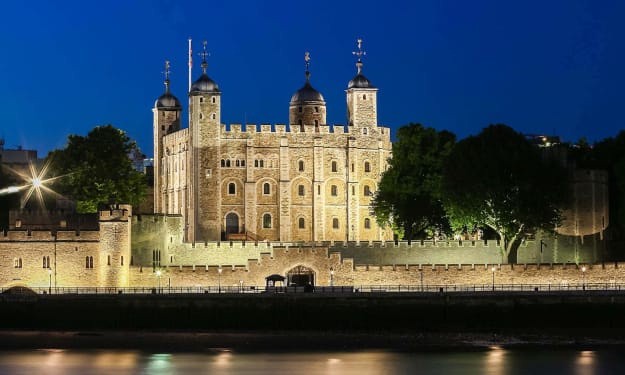
The Tower of London, a stone sentinel on the banks of the Thames, stands as a testament to centuries of history, holding within its walls some of the darkest secrets of the past. Among the most enduring mysteries is the disappearance of the Princes in the Tower. In 1483, young Edward V, the rightful King of England, and his younger brother Richard, Duke of York, mysteriously vanished within these forbidding walls. Their fate remains one of history's most perplexing unsolved cases.
By ADIR SEGAL2 years ago in History
The 19 Statues of Honor: A Deeper Look at the Korean War Memorial
The Korean War Veterans Commemoration in Washington, D.C., which was devoted in 1995, commemorates the penances and endeavors of a differing bunch of American, Korean and other Joined together Countries powers who battled for three a long time in what numerous in the U.S. allude to as the "Overlooked War.”
By Shams Says2 years ago in History
A Tower Built in Time: The Record-Breaking Speed of the Empire State
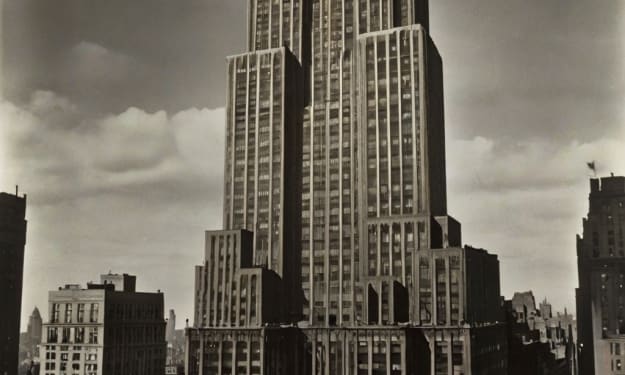
On a brief list of the world’s most celebrated structures, the Realm State Building draws a few 2.5 million guests a year and remains a magnum opus of the Craftsmanship Deco-type design that thrived in Unused York City in the 1920s.
By Shams Says2 years ago in History
Life in the Trenches: The Invention of Blood Banks During World War I
Blood from blood banks is routinely utilized for life-saving transfusions and strategies. And, like numerous therapeutic propels, the innovation for blood transfusions and managing an account was created amid wartime—when each diminutive checks and lives are on the line.
By Shams Says2 years ago in History
Vampires Reimagined: Nosferatu’s Enduring Influence on the Undead
He’s one of the most recognizable vampires in the world, but do you know his title? No, it isn’t Check Dracula from Bram Stoker’s 1897 novel. It’s Tally Orlok—the pale, bare, pointy-eared vampire from the 1922 German quiet film Nosferatu: A Ensemble of Frightfulness, which was itself an unauthorized adjustment of Dracula.
By Shams Says2 years ago in History
Ellis Island’s Trailblazers: The First and Final Immigrants
For much of its early history, a three-acre spit of sand arranged in Unused York Harbor fair south of Manhattan was known for small more than its copious clam beds. Named Small Shellfish Island, it would in the long run be extended to nine times its unique estimate, take on a modern title after its 18th century proprietor Samuel Ellis—and gotten to be the nation’s to begin with and biggest government movement preparing station.
By Shams Says2 years ago in History
Broken Waters: The Untold Story of the St. Francis Dam Tragedy
Without further ado some time recently midnight on Walk 12, 1928, the ground north of Los Angeles begun to roll. Houses trembled. Windows shaken. Mixed wakeful by a yapping puppy, Chester Smith listened trees and utility posts snapping in the separate. In spite of the fact that a minor tremor had shaken California’s San Francisquito Canyon two days prior, the farmer knew this was no earthquake—but a man-made catastrophe. Having survived a surge in the past, Smith hustled unshod to higher ground whereas yelling to his family, “The dam is broke!”
By Shams Says2 years ago in History