Ancient
Katharine Wright: The Silent Engine
More than a century after making the to begin with controlled, maintained flights of a heavier-than-air flying machine, Wilbur and Orville Wright stay family names and key figures in the account of early 20th-century American advancement and inventiveness. But the Wright Brothers didn’t basically float over the sandy shorelines encompassing Kitty Peddle, North Carolina and into the history books.
By Shams Says2 years ago in History
Chedworth Roman Villa: A Testament to Roman Luxury and Innovation
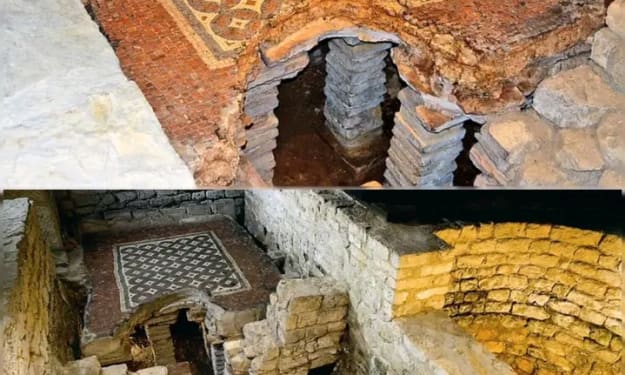
Tucked away in the rolling hills of Gloucestershire, England, Chedworth Roman Villa stands as a remarkable testament to Roman ingenuity, artistry, and opulence. Dating back nearly 1,800 years, this ancient site offers a glimpse into the lives of the Roman elite in Britain, showcasing their sophisticated engineering, architectural mastery, and appreciation for the finer things in life. From its intricate mosaic floors to its advanced heating systems, Chedworth Roman Villa encapsulates the grandeur of Roman civilization, drawing visitors from across the globe to marvel at its well-preserved remains. --- The Villa's Discovery and Significance Chedworth Roman Villa was discovered in 1864 when a gamekeeper stumbled upon fragments of mosaic flooring. Excavations soon revealed the sprawling remains of one of the largest and most luxurious Roman villas in Britain. Built during the 4th century AD, the villa was a lavish country retreat, likely owned by a wealthy Roman-British family. The site comprises over 40 rooms arranged around two courtyards, reflecting a lifestyle of comfort, elegance, and sophistication. Its proximity to the River Coln and fertile lands suggests that it was not only a residence but also part of a working estate, combining agricultural productivity with leisure and relaxation. Chedworth Roman Villa is now managed by the National Trust, which has preserved and enhanced the site, making it an invaluable resource for understanding Roman life in Britain. --- The Tepidarium: A Marvel of Roman Engineering One of the villa's most impressive features is its tepidarium, or warm room, which was part of the villa’s bathhouse complex. Roman bathhouses were a cornerstone of social and cultural life, offering spaces for relaxation, hygiene, and socializing. The tepidarium at Chedworth was heated using a sophisticated hypocaust system, a hallmark of Roman engineering brilliance. The hypocaust worked by circulating hot air beneath raised floors and through flues embedded in the walls. A furnace outside the villa generated heat, which was funneled into the space beneath the floors, warming the room evenly. This system not only provided comfort during Britain’s chilly winters but also demonstrated the Romans’ advanced understanding of thermodynamics and construction. Walking through the ruins of the tepidarium today, visitors can still see the remnants of the hypocaust system, including the pillars that supported the raised floor. This ingenious design speaks to the Romans' commitment to combining luxury with practicality, ensuring their bathhouses were as functional as they were inviting. --- The Mosaics: Artistry Frozen in Time Chedworth Roman Villa is renowned for its exquisite mosaics, which are among the best-preserved examples in Britain. These intricate designs, made from tiny colored tiles called tesserae, adorned the floors of various rooms, showcasing the artistry and craftsmanship of the era. One of the most striking mosaics depicts a pair of sea creatures, possibly dolphins, intertwined with geometric patterns. The vibrant colors and meticulous detail reflect the villa owner's wealth and taste, as well as the skill of the artisans who created them. Mosaics were not merely decorative; they often conveyed symbolism, status, and cultural identity. At Chedworth, they provide a visual narrative of Roman influence in Britain, blending local and Mediterranean styles to create stunning works of art that have stood the test of time. --- A Glimpse Into Roman Life Beyond its architectural and artistic achievements, Chedworth Roman Villa offers valuable insights into daily life during Roman Britain. The villa’s layout includes areas for dining, bathing, and sleeping, as well as facilities for food storage and preparation. Archaeological finds, such as pottery, jewelry, and coins, shed light on the customs, trade networks, and personal habits of its inhabitants. The bathhouse, with its cold (frigidarium), warm (tepidarium), and hot (caldarium) rooms, exemplifies the Romans' emphasis on hygiene and relaxation. Meanwhile, the presence of underfloor heating, mosaics, and a water shrine dedicated to the goddess Nymphs highlights the villa's blend of functionality, luxury, and spirituality. --- Preservation and Education Today, Chedworth Roman Villa is a well-preserved heritage site, managed by the National Trust and open to the public. Conservation efforts have ensured that its treasures, including the mosaics and hypocaust system, remain accessible for future generations. A modern visitor center enhances the experience, offering interactive exhibits, guided tours, and detailed interpretations of the villa's history. Educational programs and archaeological workshops allow visitors to engage with the site more deeply, fostering an appreciation for the Romans' lasting impact on Britain. --- Why Visit Chedworth Roman Villa? A visit to Chedworth Roman Villa is a journey back in time, offering a rare opportunity to walk in the footsteps of ancient Romans and explore the ingenuity and beauty of their civilization. The villa’s serene countryside setting, combined with its fascinating history and well-preserved remains, makes it a must-see destination for history enthusiasts, families, and travelers alike. Whether marveling at the artistry of the mosaics, contemplating the engineering of the hypocaust system, or simply soaking in the atmosphere of this historic site, visitors leave with a deeper understanding of Roman culture and its enduring legacy. --- Conclusion Chedworth Roman Villa is more than just an archaeological site; it is a window into the opulent lifestyle, advanced technology, and artistic achievements of Roman Britain. From its intricately designed mosaics to its innovative heating systems, the villa reflects the Romans' ability to harmonize practicality with beauty. As you explore its ruins, you’re reminded of the ingenuity and sophistication that defined Roman civilization, making Chedworth Roman Villa a shining example of why their influence continues to captivate us nearly two millennia later.
By Deji Akomolafe2 years ago in History
The Tech That Built Disney
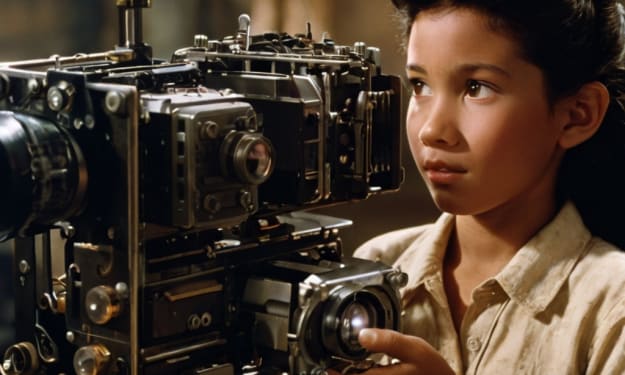
For the past century, Walt Disney and the company he made have been at the cutting edge of a few of the most imperative developments in entertainment—from film and tv to subject parks, inns and live attractions. Nowadays, the company allegedly holds more than 4,000 dynamic licenses around the world. Indeed so, numerous of its most noteworthy victories have come from being an early adopter—and noteworthy improver—of the developments of others. Here are nine mechanical advancements that made a difference Disney ended up Disney.
By Shams Says2 years ago in History
Shakespeare’s Secret Legacy
In spite of the fact that it can be troublesome to quality the start of a exact word to a particular individual, the Oxford English Lexicon credits William Shakespeare with the first-use citations of around 1,600 words—from “bedazzle” to “fashionable” to “watchdog”—more than by any other author. The ace of pleasantry too contributed handfuls of other expressions that stay a portion of our ordinary dialect. In a few cases, Shakespeare may have coined the terms; in others he may have been the to begin with to put them into the composed record.
By Shams Says2 years ago in History
Surviving the Killing Fields
Dith Pran was a Cambodian photojournalist known for uncovering the repulsions of life beneath Pol Pot’s Khmer Rouge. He survived four and a half a long time of constrained labor and beatings, vowing that if he ever gotten away, he would tell the world almost the violence.
By Shams Says2 years ago in History
Feathered Heroes
Flying experts in their warplanes were not the as it were discuss constrain that took flight amid World War I. As numerous as 500,000 homing pigeons went with officers, mariners and pilots into fight, conveying military insights and trouble messages that spared thousands of lives. A few winged creatures earned saint status for satisfying their missions—even after being gravely harmed. “Cher Ami,” for one, gotten the French military’s most elevated honor. “President Wilson” is revered at the Pentagon.
By Shams Says2 years ago in History
The Baron’s Palace in Egypt: A Tale of Mystery, Terror, and Timeless Intrigue
Nestled in the heart of Heliopolis, Cairo’s upscale district, the Baron Empain Palace, or simply "The Baron's Palace," stands as an architectural masterpiece shrouded in myth and mystery. Built in the early 20th century, this iconic mansion is as famous for its grandeur as it is for the spine-chilling tales that surround it. What began as the dream home of a Belgian aristocrat has transformed over the decades into a hotspot for ghost stories, urban legends, and paranormal enthusiasts.
By mariam elghazaly2 years ago in History
Tariffs Explained
Tariffs—taxes on imported goods—have been a highlight of U.S. exchange arrangement since the nation’s establishing. Until the Respectful War, they made up the endless lion's share of government income, and remained an greatly vital income source until the creation of the formal salary assess in 1913.
By Shams Says2 years ago in History
The Speed Climbing Mystery
The military accomplishments of Alexander the Incredible were incredible in the old world. In his brief and exciting life—Alexander kicked the bucket at fair 32 a long time old—the Macedonian Greek lord toppled the forceful Persians and came to run the show over a gigantic domain extending from Greece to India.
By Shams Says2 years ago in History
Forgotten Glory
After 22-year-old American Margaret Abbott won the women’s golf competition at the 1900 Summer Olympics in Paris, no gold award was hung around her neck. There was no standing on a platform as the Stars and Stripes was raised, no homecoming parade, no photo on the front of a Wheaties box.
By Shams Says2 years ago in History
The Three Old Arches: England’s Oldest Shopfront and Medieval Marvel
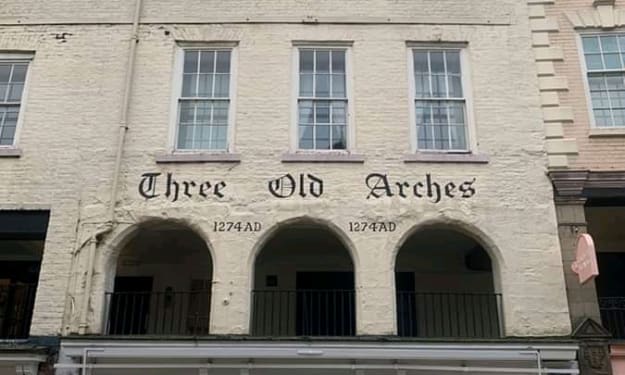
In the heart of Chester, Cheshire, lies a structure that has withstood the test of time and commerce: The Three Old Arches. This historic site, believed to be England’s oldest shopfront, is not merely a relic of the past but a fascinating portal into the medieval era. Nestled along Chester’s iconic Rows—a unique architectural feature combining elevated walkways and shops—it represents the city’s only surviving medieval row frontage and the largest known example of a stone-walled hall from the Middle Ages. The Three Old Arches is more than just a building; it is a testament to the ingenuity and vibrancy of medieval urban life, showcasing a blend of functionality, beauty, and durability that continues to captivate visitors and historians alike. --- A Walk Through Time: Chester’s Historic Rows The Rows of Chester are a defining feature of this historic city. Dating back to the 13th century, they consist of two tiers of shops: one at street level and another accessible via covered walkways. These unique structures were designed to maximize retail space in a growing and prosperous town, reflecting the medieval ingenuity that allowed cities to adapt to their booming populations and economies. Among these architectural treasures, The Three Old Arches stands out for its remarkable preservation and age. Located on Bridge Street, this shopfront is thought to date back to the late 13th century, making it a cornerstone of Chester’s commercial history. Its survival offers a rare glimpse into the bustling market life of medieval England and the architectural innovations that supported it. --- A Medieval Masterpiece What makes The Three Old Arches truly exceptional is its construction and design. The shopfront features three large stone arches, carved with precision and symmetry that would have been a marvel of craftsmanship in its time. These arches form the ground-floor facade of a medieval stone hall—a rare architectural choice in an era when timber framing was more common. Stone construction was typically reserved for grander buildings such as castles, churches, and town halls, making The Three Old Arches a standout example of its time. Its robust structure has not only helped it survive centuries of urban development and shifting architectural trends but also attests to the wealth and status of its original owners. Inside, the building retains elements of its medieval design, including a large open hall, which would have served multiple purposes. It’s believed that the upper floors may have been used for storage, workshops, or even living quarters, while the ground floor functioned as a shopfront, catering to the needs of the city’s merchants and customers. --- A Shopfront Through the Ages The Three Old Arches has been in continuous use for over 700 years, making it one of the oldest surviving retail spaces in the world. Throughout its history, it has adapted to the changing demands of commerce, evolving from a medieval marketplace to a modern shopfront while retaining its original charm and character. Its enduring presence is a testament to the strength and flexibility of medieval design. The arches themselves, once a practical feature for supporting the structure and providing an open, welcoming entrance, now serve as a visual reminder of the city’s rich history. Despite renovations and modernizations over the centuries, the essence of The Three Old Arches remains intact, allowing visitors to step back in time and imagine the hustle and bustle of medieval Chester. --- A Window into Medieval Life The Three Old Arches is not just a building; it’s a story carved in stone. Its survival offers invaluable insights into the commercial and social life of medieval England. The Rows, including The Three Old Arches, would have been teeming with activity: merchants selling their wares, customers negotiating prices, and traders bringing goods from across the country and beyond. Chester’s location as a key trading hub along the River Dee ensured a steady flow of goods and people, making its Rows a vibrant center of commerce. The design of The Three Old Arches reflects this vitality, with its open arches inviting customers in and its robust structure ensuring it could withstand the wear and tear of daily use. --- Preservation and Legacy Today, The Three Old Arches stands as a cherished part of Chester’s cultural heritage. It is a Grade I listed building, recognized for its exceptional historical and architectural significance. Efforts to preserve and celebrate this landmark have ensured that future generations can continue to enjoy and learn from its rich history. The building now houses a modern business, seamlessly blending its ancient roots with contemporary needs. Walking past The Three Old Arches, one can admire its medieval craftsmanship while appreciating its relevance in today’s world—a perfect example of how history and modernity can coexist. --- Conclusion The Three Old Arches in Chester is more than just England’s oldest shopfront; it is a living piece of history, a symbol of resilience, and a testament to the ingenuity of medieval design. From its origins as a bustling marketplace in the Middle Ages to its current role as a modern commercial space, it continues to capture the imagination of those who visit. For history enthusiasts, architecture buffs, and curious travelers alike, The Three Old Arches offers a rare opportunity to walk in the footsteps of medieval merchants, glimpse the past through its stone-carved arches, and appreciate the enduring legacy of one of England’s most remarkable buildings. If ever there were a place where history feels alive, it is here, under the timeless gaze of The Three Old Arches.
By Deji Akomolafe2 years ago in History