
Remembering Operation Husky-July 1943
How the Allies Booted Italy Out of World War II
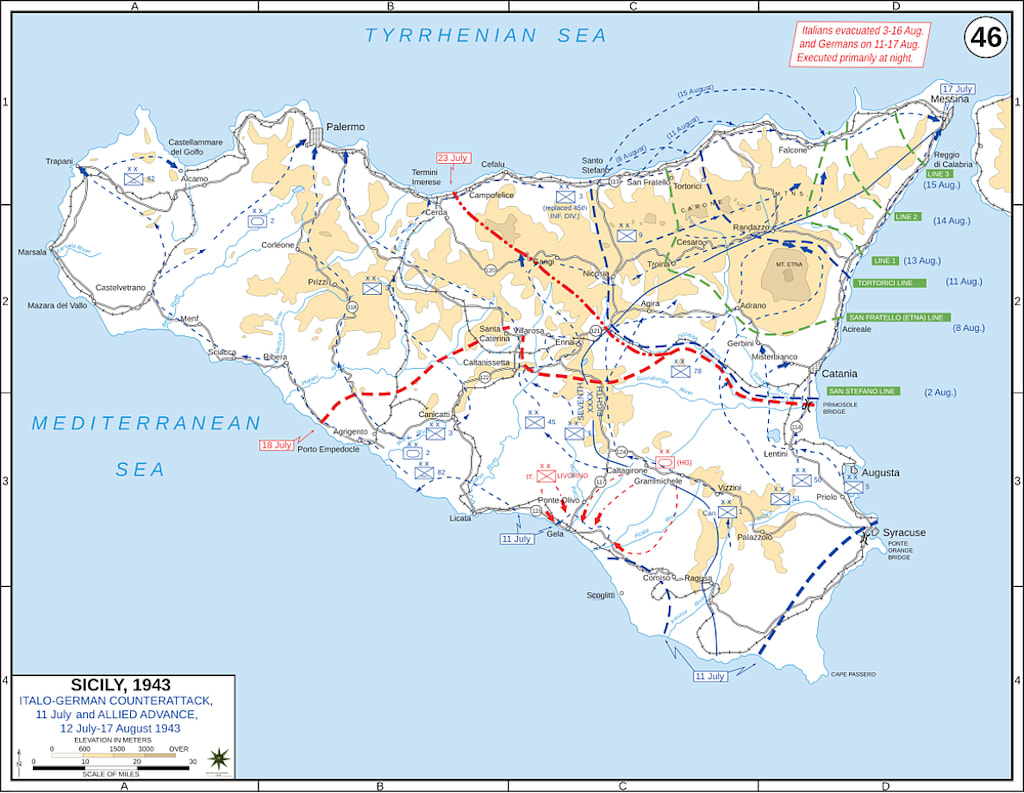
After their victory in the North Africa Campaign, the Allies began to draft plans for further operations in Italy in 1943. The defeat of fascist Italy was now in the cards after the surrender of the Afrika Korps, and Sicily became the chosen target for an amphibious landing in Italy. This operation was codenamed Operation Husky.
There was a wider political context to the operation. Aside from the military objective of taking Sicily and defeating the Italians, it would also be a chance to get more of a foothold in Europe. In 1943, most of the German army was on the Eastern Front in the USSR. The Russians called for a new second front in Europe, especially as the German army began a renewed advance toward Kursk.
A new front in Europe was another key factor behind Operation Husky. The Allies expected Germany to reinforce Italy. German reinforcements were sent to Italy after the operation as the Allies advanced northwards. Thousands of German troops were also in Sicily before the Allied soldiers landed.
Before the Allies landed, deception was a part of the operation. This was to ensure the Italians and Germans could not accurately predict where they would land for Operation Husky. Sardinia and Greece were also two other potential targets for an invasion, and Allied hoaxes would make it seem that they were more likely targets.
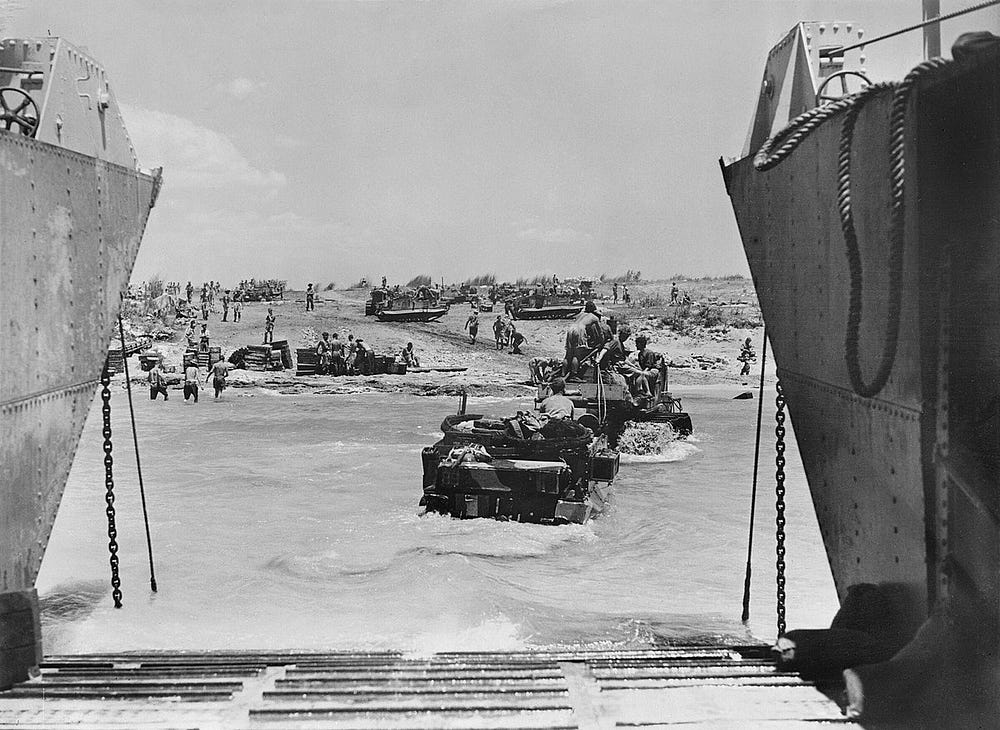
The operation included the British, American, and Canadian armies, each of which was assigned separate landing points in the east and west of Sicily. The amphibious landing was also supported from the air with airborne paratrooper divisions, which parachuted into Sicily.
While the weather conditions were not ideal for the operation, it went ahead on July 9, 1943, and the Allies were still able to secure the beachheads in the south of Sicily regardless of Italian and German attacks. The port of Syracuse was taken, along with Pachino airfield. Hereafter, the Allied armies made a northward advance towards the more mountainous terrain in the northeast of Sicily.
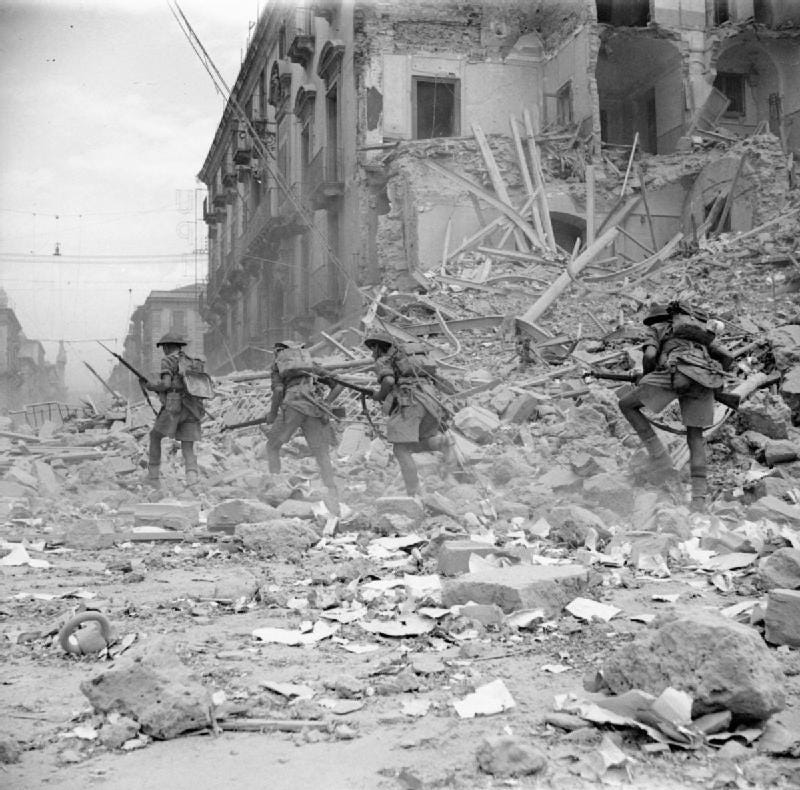
It was in the northeast that some of the more notable battles emerged. The Caronia Mountains and Mount Etna in the northeast were mountainous terrain where the Germans established the Etna Line. During the Battle of Troina, U.S. troops broke the Etna Line, which allowed for further advances in northeast Sicily.
Although Sicily was seemingly lost, the German delaying tactics were effective enough to provide the time required for an evacuation. Thousands of German and Italian troops were able to withdraw from Messina. These troops would resume the Italian campaign after the Allies began landing on the boot of Italy.
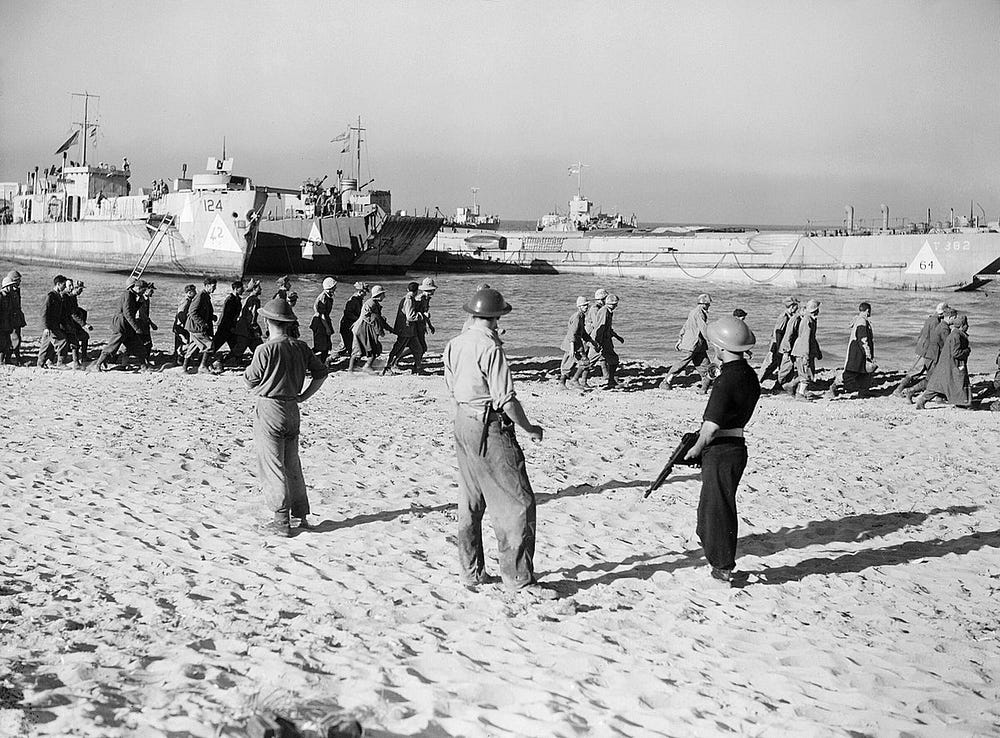
Despite their withdrawal, Operation Husky had still met its objectives. The Allies had taken Sicily, and hundreds of thousands of Italian troops surrendered during Operation Husky. After the loss of Sicily, the Italian king was ready to begin peace talks with the Allies after sacking Mussolini.
In 1943, an Italian armistice ended their war against the Allies, months after Operation Husky. Yet, the Italian Campaign was far from over as the Allies' northward advance in Italy ground to a halt around Mount Cassino. The expected German reinforcements dispatched to Italy would take years to defeat in a campaign that continued until 1945.
Operation Husky might have been slightly overshadowed by D-Day. Yet, the 2022 Operation Mincemeat film, starring Colin Firth, has generated much more recent interest in this invasion. That movie about the elaborate Allied deception operation for invading Sicily shows how crucial this campaign was. The victorious Allied amphibious invasion of Sicily was an important warm-up for D-Day that knocked Italy out of the war.
This article of mine was previously submitted to Medium.com, where you can read it here.
Read more of my World War II articles on Vocal:
Six Years of Fire: A Chronology of World War II
A Timeline of the Yamato Battleship from Construction to Sinking
The Island of Fire: A Definitive Look at the Battle of Crete
The Hidden Pivot: How the Mediterranean Theater Shaped World War II
About the Creator
Matthew A
Matthew is the author of Battles of the Pacific War 1941-1945. Battles of the Pacific War is available on Amazon and Lulu in e-book and paperback formats. Check out the book’s blog at battlesofthepacificwar.blogspot.co.uk.
Enjoyed the story? Support the Creator.
Subscribe for free to receive all their stories in your feed.
Comments
There are no comments for this story
Be the first to respond and start the conversation.