
The Island of Fire: A Definitive Look at the Battle of Crete
Remembering World War II's Battle of Crete

In 1941, the North Africa Campaign continued. After their initial victories in Libya, Britain's armies were less effective in 1941 after the arrival of German reinforcements. German troops were bolstering Italian positions in the Mediterranean and North Africa, and in May, German divisions were sent to occupy Crete.
Crete is an eastern Mediterranean island which in 1941 included British airfields. In addition to this, the Royal Navy also had harbors located there. In the Battle of the Mediterranean, it was a notable base from which to strike at German supply convoys heading towards North Africa, which were supplying the Afrika Korps.
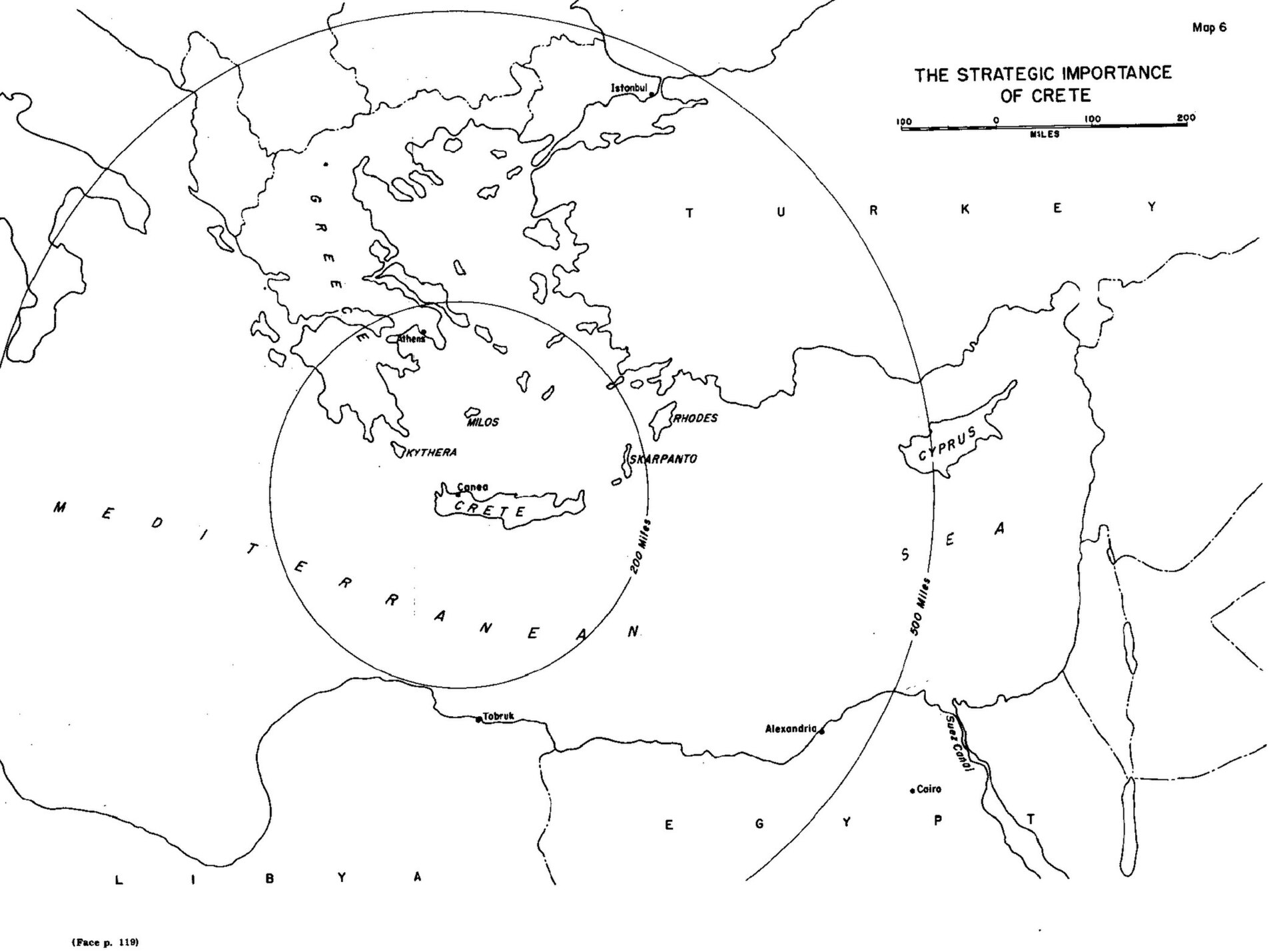
In Romania, Germany also had substantial oil supplies. Crete put British aircraft within range of the oil wells located there, which could not be overlooked by the German High Command. As such, plans were drafted for the occupation of Crete.
The German plan to defeat the British army stationed in Greece included paratrooper divisions, backed up with divisions that would be landed from the sea. Thousands of paratroopers were to be landed at various destinations along Greece's northern coastline. Heraklion, Rethymno, Máleme, and Canea were the designated landing points for the German paratroopers.
But the British had a larger number of troops available in Crete, not only from the British army, but from New Zealand, Australian, and Greek divisions. Their code breakers had informed them of the German plans, and Crete was reinforced shortly before. A German victory was by no means assured in this battle.
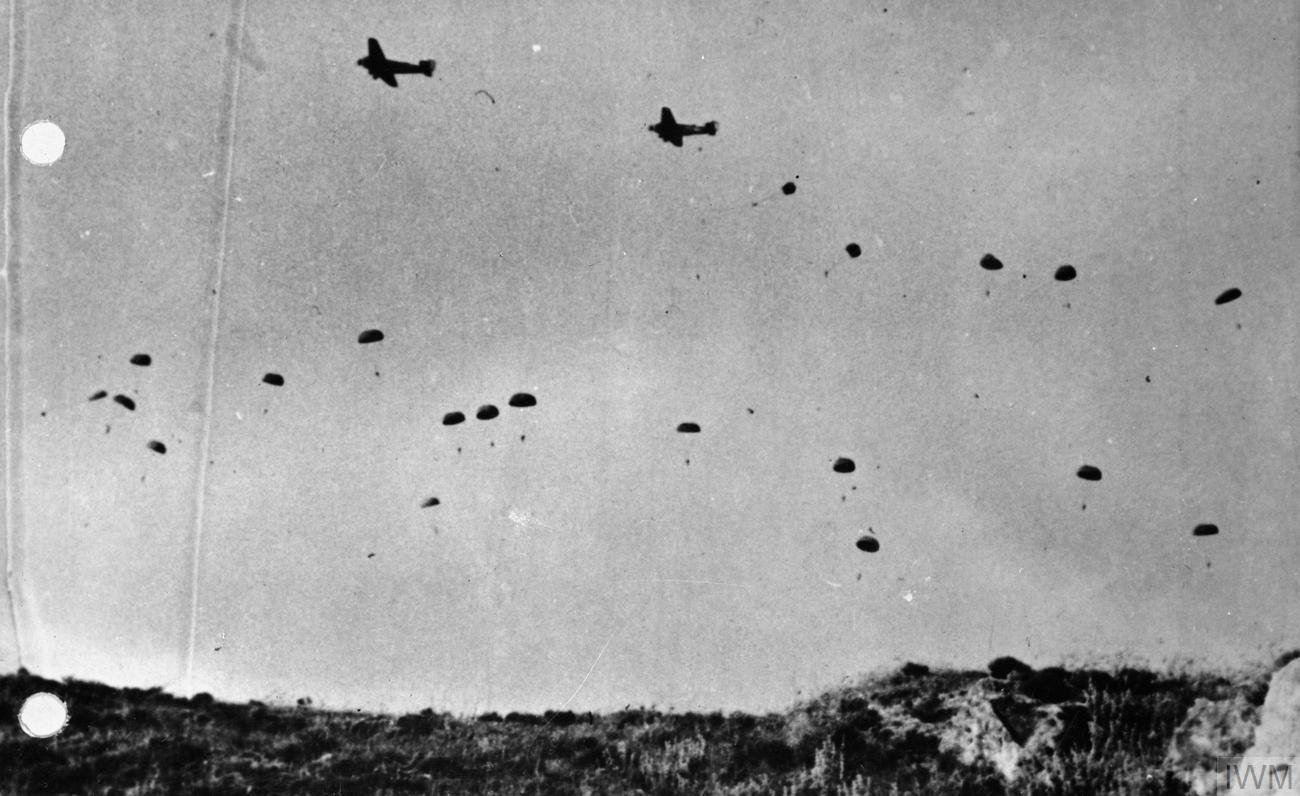
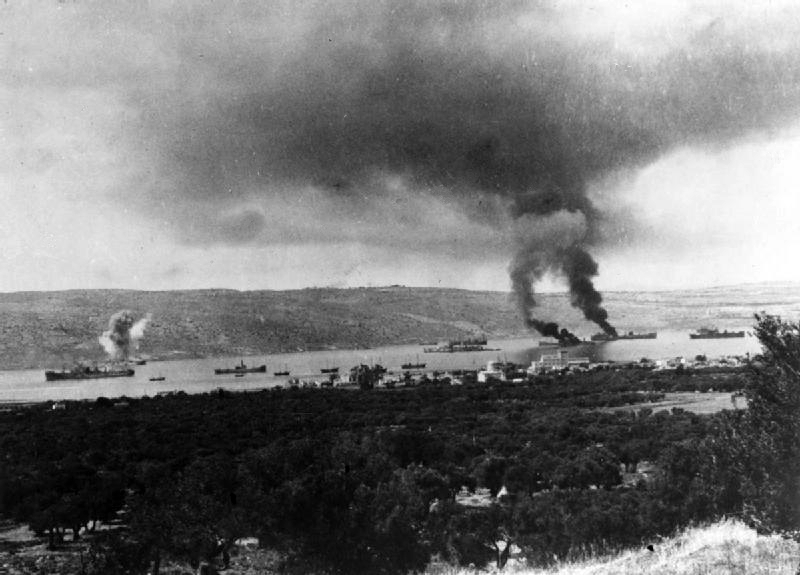
On May 20th, the paratrooper divisions landed in Crete after a Luftwaffe aerial bombardment, which took out anti-aircraft guns on the ground. When they landed, they came up against New Zealand and Australian divisions, both of which were relatively effective as the German losses mounted on the ground. Expected German seaborne divisions did not arrive as their convoys were intercepted by British warships, some around Melos and others closer to Crete's coastline.
Around Máleme, the Germans were able to seize the airfield on which their aircraft could land. The British and Commonwealth troops went in to recapture it, and were supported by artillery bombardments around the airfield. However, without any RAF air support, they could not take it and withdrew. The Germans held their positions, and soon reinforcements and supplies were flown in to further support their advance in Crete.
The Germans advanced southwards toward Galatas. Here, a small battalion was left to halt their advance, but they were outnumbered by the German mountain infantry battalions. Stukas also provided further air support for the German troops as they bombarded Allied positions on the ground. Without any potential reinforcements for the Allied soldiers, the town fell to the Germans.
Britain's divisions were now dispersed as the Germans maintained their advance. With general German air superiority established, they had no air support, as the few RAF aircraft had been quickly downed, and were lacking the required ground reinforcements. In contrast, Italian troops were landing in increasing numbers and were linking up with the Germans by the 29th. As such, Crete was all but lost.
The orders were given for Allied divisions to withdraw via Sfakia and Heraklion. Thousands of British and Commonwealth troops were withdrawn to Egypt during the final days of May. However, they did not have enough ships for them all. As such, thousands were also left behind, who were eventually surrounded by the German divisions. The cities of Irakleio and Rethymno were both occupied by German troops, and the remaining Allied troops surrendered.
Having lost Crete, Britain had lost access to the Eastern Mediterranean. But the Battle of the Mediterranean was not over, and Britain held their bases within Malta in 1942. From here, they continued to wipe out German and Italian supply convoys in increasing numbers.
About the Creator
Matthew A
Matthew is the author of Battles of the Pacific War 1941-1945. Battles of the Pacific War is available on Amazon and Lulu in e-book and paperback formats. Check out the book’s blog at battlesofthepacificwar.blogspot.co.uk.
Enjoyed the story? Support the Creator.
Subscribe for free to receive all their stories in your feed.
Comments
There are no comments for this story
Be the first to respond and start the conversation.