
A Timeline of the Yamato Battleship from Construction to Sinking
Remembering the Yamato Battleship
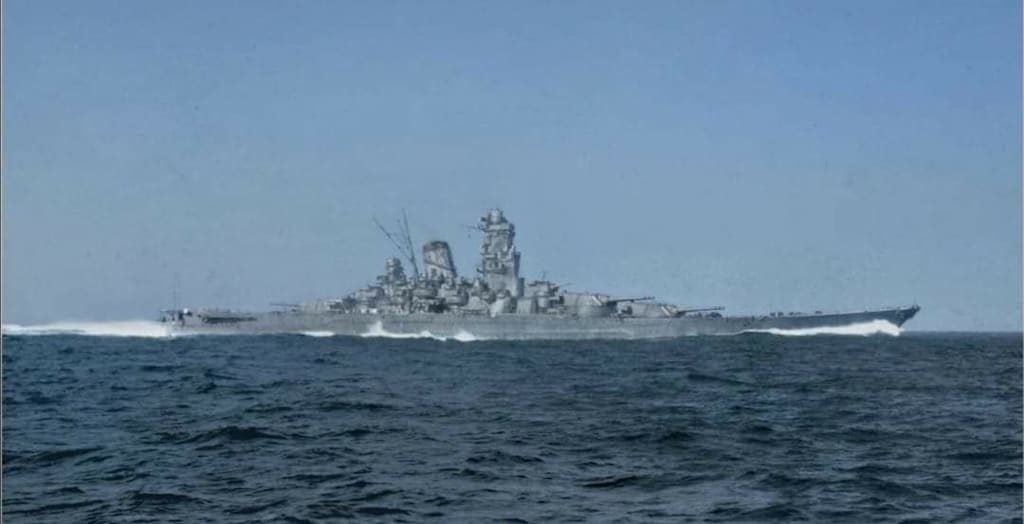
The battleship Yamato was one of two Japanese Yamato-class battleships that were added to the Imperial Japanese Navy in the early 1940s. Germany's Bismarck, which was the largest in Europe, was a somewhat lighter battleship than the Yamato. The Royal Navy's HMS Hood was a lightweight and would have had no chance in a naval battle with the Yamato or the Musashi. It remains the largest battleship to have been constructed, although it did not have an especially great impact in the Pacific War that followed. Nevertheless, the Yamato remained at sea until 1945.
November 4, 1937
The class designs and blueprints for the Yamato-class battleships were laid down in 1937. As such, it was in 1937 that construction of the Yamato began in earnest. Details of the Yamato were scant, and the United States remained largely unaware of the battleship's construction. By 4th November 1937, the keel of the Yamato was laid down at the Kure Naval Yard.
August 8, 1940
Construction of the Yamato was all but complete by August 8, 1940. The final battleship had an overall tonnage of approximately 72,000-73,000 tons. Although its standard tonnage of approximately 65,000 tons was a little less. It was 862 feet in length and had a speed of some 27 knots. The Yamato was equipped with 18-inch guns that had shells that were almost 3,000 pounds. Alongside these, the battleship had a wide array of anti-aircraft guns to provide some air cover for the Yamato.
August 12, 1941
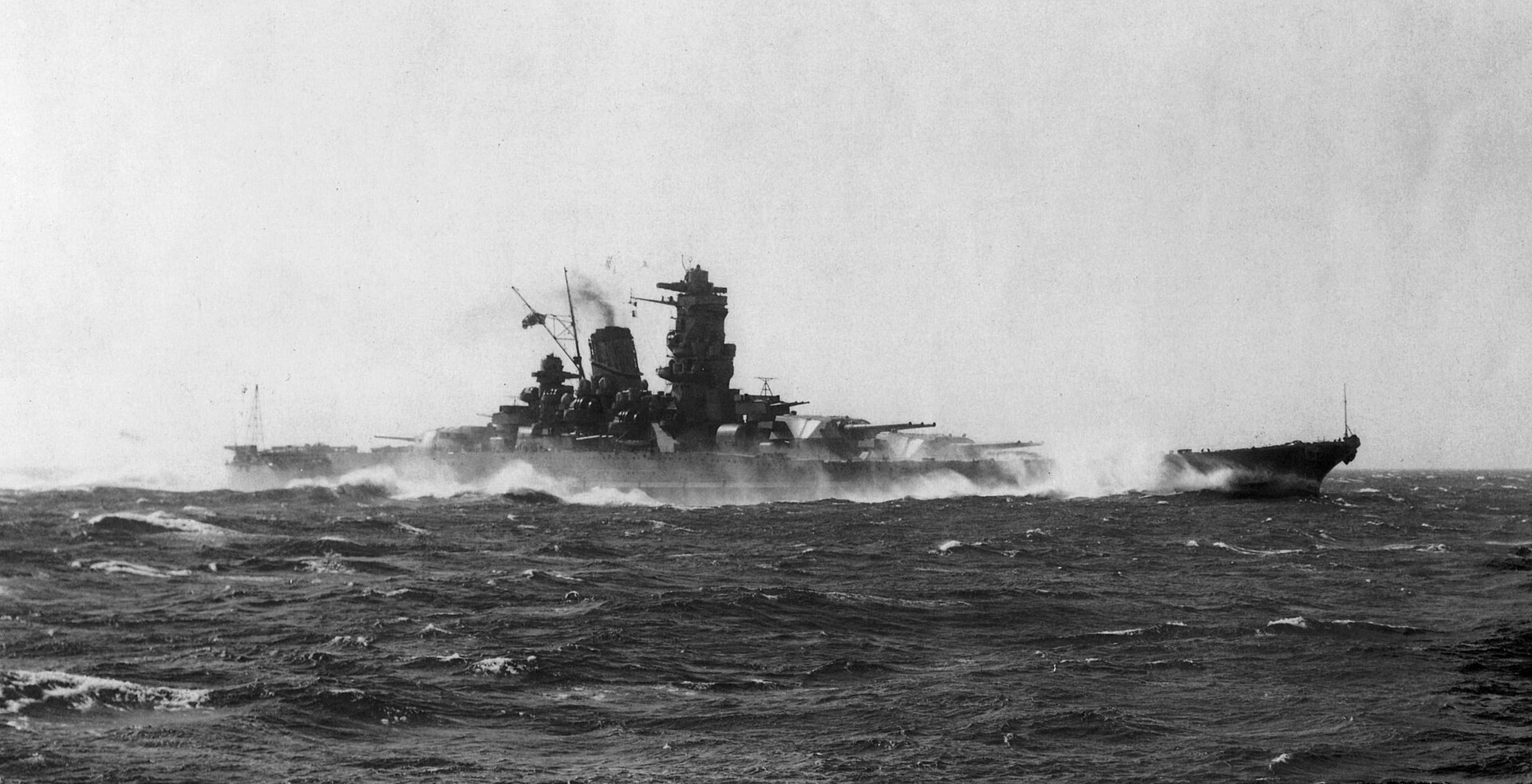
In August, the Yamato set sail for the first time for its sea trials. After the sea trials, it returned to Kure for further fitting out in late 1941.
December 16, 1941
On December 16, 1941, the Yamato joined the Imperial Japanese Navy at Kure. There was little in the way of an opening ceremony as the IJN still kept the battleship a secret. Captain Gihachi Takayanagi became the captain of the Yamato.
June 4 to 10, 1942
The first notable battle the Yamato battleship was involved in was the Battle of Midway. It was part of the Japanese Combined Fleet that was sent to take Midway Island and wipe out any nearby U.S. aircraft carriers. However, the Yamato was kept back for fleet support and did not play a big part in the battle that followed. On the 10th, two torpedoes targeting the Yamato were fired, but both missed the battleship.
December, 25 1943
On this date, a U.S. submarine detected the Yamato. The submarine fired four torpedoes, which had some impact. On the starboard side, the torpedoes left a small hole in the Yamato battleship, and thousands of tons of water flooded the battleship. However, the battleship still remained afloat and made it back to its port in Truk.
October 23 to 26, 1944
After the demise of the Japanese aircraft carriers in previous naval battles, Japan's battleships were called into action for the Battle of Leyte Gulf. As such, the Yamato came into the frontline for the naval battle off the coast of Samar as it headed towards the U.S. invasion fleet. It was here that the Yamato and the surrounding Japanese fleet sank the U.S. aircraft carrier Gambier Bay. A further two U.S. destroyers were taken out before the Japanese fleet began to make a withdrawal. During this period, U.S. aircraft showered the Yamato with torpedoes, although they had little impact, and the Yamato withdrew along with the remainder of the Japanese fleet. The Battle of Leyte Gulf was lost as the U.S. invasion fleet remained intact.
April 5 to 7, 1945
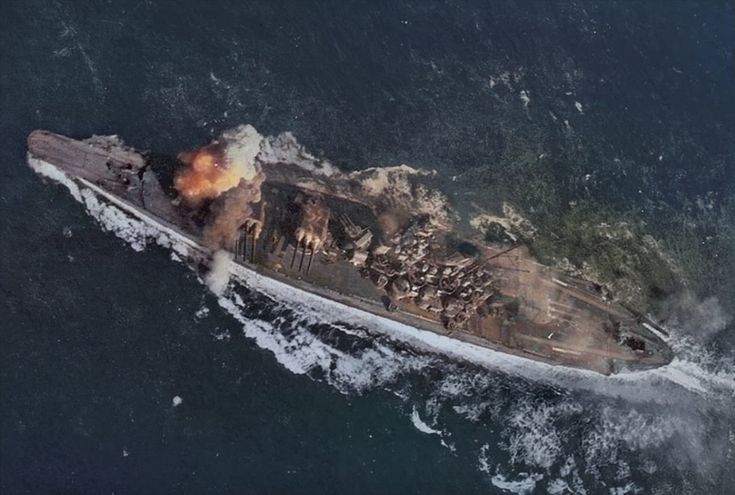
On April 5, 1954, the Yamato was given orders to head for Okinawa. The plan was for the battleship to beach itself on one of Okinawa's beaches as a shore battery for the Battle of Okinawa. As such, the battleship headed towards Okinawa, although it was intercepted by U.S. aircraft carriers and aircraft on April 7. An aerial bombardment, which included hundreds of U.S. aircraft, bombed the Yamato battleship. Despite its watertight compartments, the lower decks of the ship quickly flooded. Hours would pass before the Yamato battleship began to tip over and sink. Most of the battleship's 2,750 crew were lost.
The Yamato battleship would surely have survived the war had it not been for this final order during the Battle of Okinawa. But then, it would probably have had to have been scuttled by the IJN after the war anyhow.
About the Creator
Matthew A
Matthew is the author of Battles of the Pacific War 1941-1945. Battles of the Pacific War is available on Amazon and Lulu in e-book and paperback formats. Check out the book’s blog at battlesofthepacificwar.blogspot.co.uk.
Enjoyed the story? Support the Creator.
Subscribe for free to receive all their stories in your feed.
Comments
There are no comments for this story
Be the first to respond and start the conversation.