
Poet and Writer Anne Spencer (1882–1975)
The poet, her family, and the life she built in Virginia

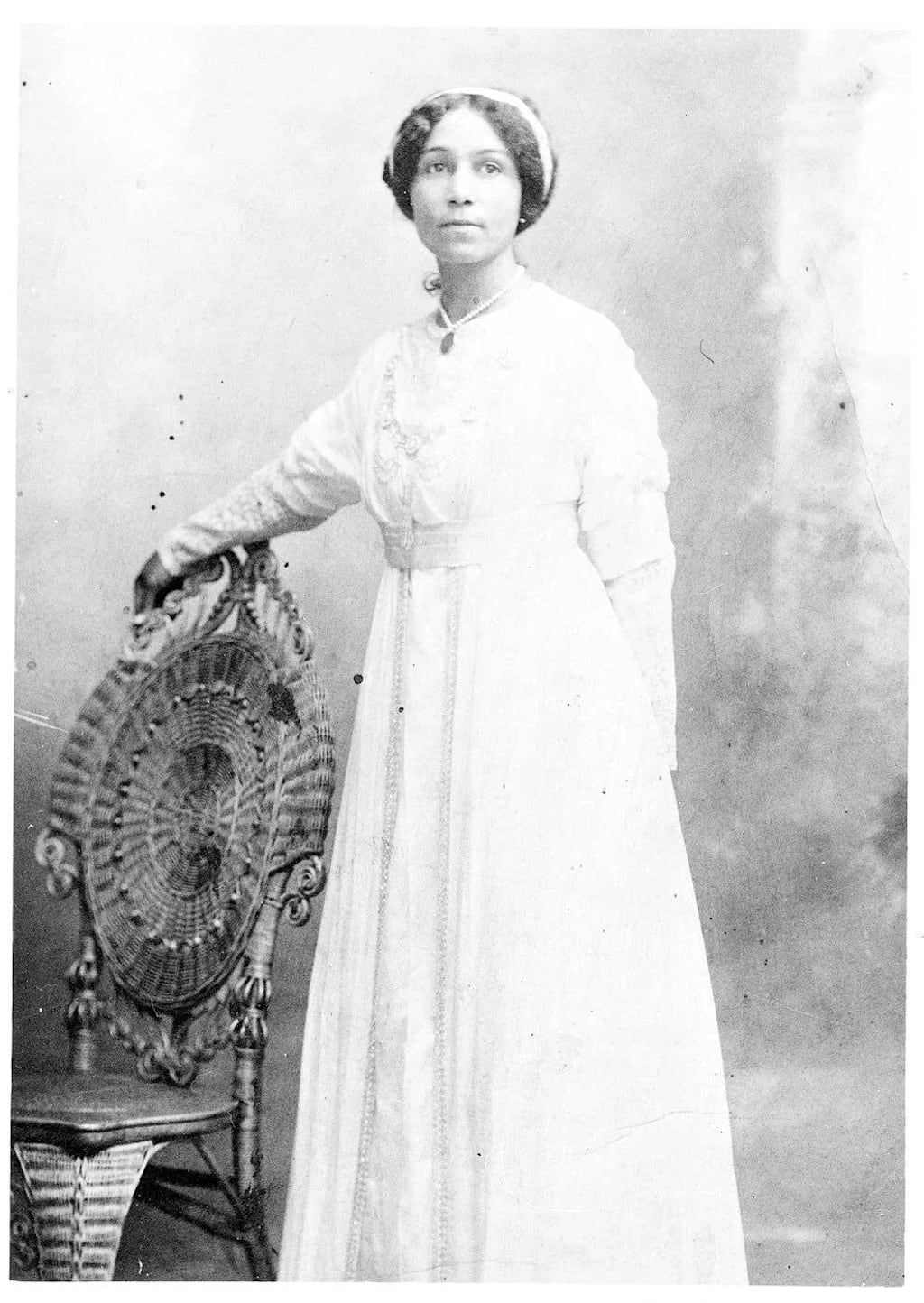
Anne Spencer was an American poet, teacher, librarian, civil rights activist, wife, mother, and gardener. She was born into a family shaped by slavery and racial inequality, became a distinguished student despite an unsettled childhood, and spent most of her adult life in Lynchburg, Virginia. Although she lived far from Harlem, her home became an important gathering place for Black writers, intellectuals, and civil rights leaders during the Harlem Renaissance, and her garden and a small writing cottage stood at the center of her creative life. She lived to be ninety-three, and the house, garden, papers, and poetry she left behind have preserved a remarkable record of that life.
She was born Annie Bethel Bannister on February 6, 1882, in Henry County, Virginia. Her parents were Joel Cephus Bannister and Sarah Louise Scales, and Anne was their only child. According to the Virginia historical record, her father had been born enslaved, and both parents had mixed ancestry. The Lynchburg Museum's biographical account adds that her mother was the daughter of an enslaved woman and a wealthy white Virginian. Around 1883 the family moved to Martinsville, where her father reportedly opened a saloon, and before long her parents separated. Sarah took her daughter to West Virginia, and for a time the girl appears in records as Annie Scales or Annie Bethel Scales Bannister, having adopted her mother's surname. Only after her marriage did she become known professionally as Anne Spencer. Such shifting names are worth explaining in any biography, because historical documents may identify the same woman in several different ways.
Archival descriptions place Joel Bannister's birth around 1862 and tie him to Henry County, but the sources say far less about his later life than about Anne's mother. Sarah, by contrast, emerges as the parent who shaped her daughter's future. After the separation she moved to Bramwell, West Virginia, and worked at the Blue Stone Inn, and Anne lived for a time with William T. Dixie, a barber, and his wife, Willie Belle, who were connected to her mother's life there. Sarah then made a decision that became one of the great turning points of Anne's life. She sent her daughter away to school at the age of eleven, at a time when educational opportunities for Black children were severely restricted. Her childhood was not simply a story of hardship. It was also the story of a mother making a determined investment in her daughter's future.
In September 1893, Anne enrolled at Virginia Theological Seminary and College in Lynchburg, an institution now known as Virginia University of Lynchburg. According to the Lynchburg Museum, she was barely literate when she began. Six years later, in 1899, she graduated as class valedictorian and delivered the valedictory address at Diamond Hill Baptist Church. Few episodes in her biography are stronger than this one: a girl who arrived with limited reading skills left as the top student in her class. The school also introduced her to the intellectual and social world that would shape the rest of her life, including a fellow student named Edward Alexander Spencer, born in 1876. Their relationship rested partly on an exchange of knowledge, with Edward tutoring Anne in mathematics and science while she tutored him in languages.
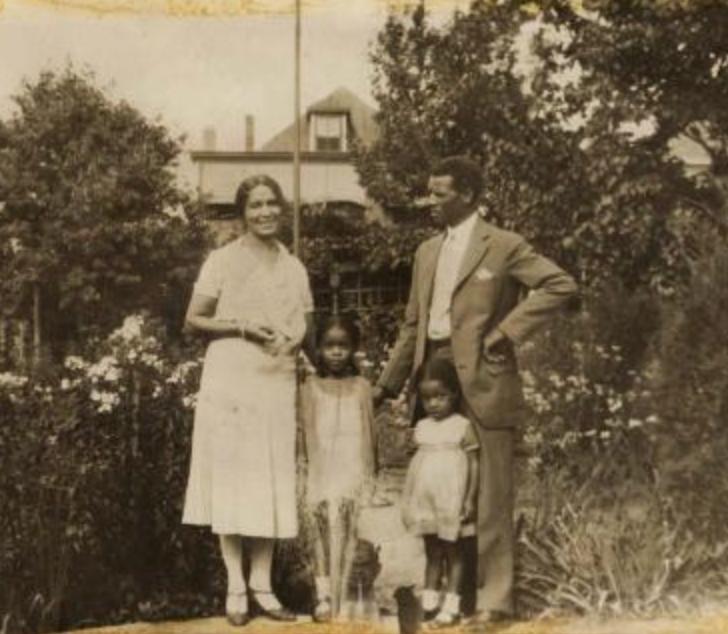
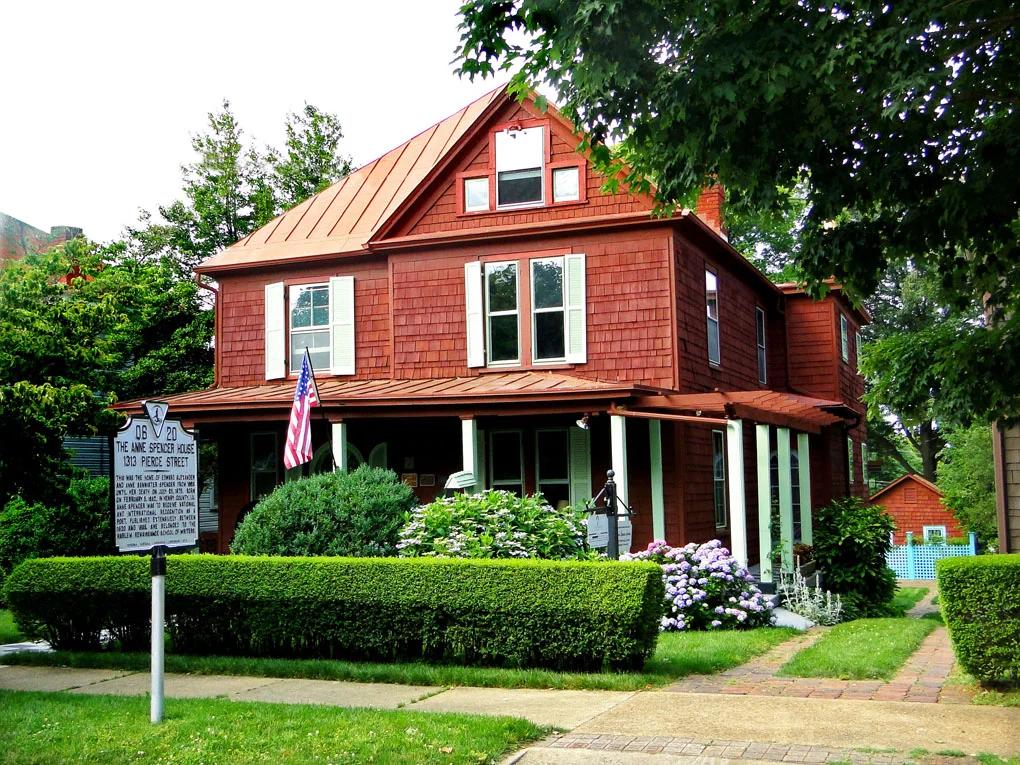
They married on May 15, 1901, in Bramwell, at the home of the Dixies, and then established their household in Lynchburg. Edward eventually became the city's first parcel postman and also worked in construction and business. He was more than a husband standing behind a literary career. He was a builder and a craftsman, and in 1903 he built the family home at 1313 Pierce Street, a two-story Queen Anne-style residence that remained the center of Anne's life for more than seven decades. He altered it as the family grew and filled its interior with salvaged materials taken from other buildings and businesses, turning discarded objects into parts of a home. The house reflects both the family's limited resources at different points and Edward's resourcefulness. For its place and time, it was also unusually well equipped within the local Black community, with indoor plumbing and heating and room for visitors, family gatherings, and intellectual conversation.
Anne and Edward raised three surviving children, all of whom they sent to college. Their daughters were Bethel Calloway and Alroy Sarah Spencer, and published biographies offer little detail about their private lives, though the family's commitment to education, books, discussion, and community involvement clearly extended to each of them. Their son, Chauncey Edward Spencer, born in 1906 and living until 2002, became an aviator and an important figure in the history of Black aviation. He helped demonstrate the capabilities of Black pilots during a period when African Americans were excluded from much of American flying, and he became associated with the developments that led toward the training of the Tuskegee Airmen. His life forms a second major story within the family, that of a son carrying a commitment to breaking racial barriers into a different field. The archival description of the Spencer family papers also records a fourth child, who died shortly after birth from diphtheria. That child is not counted among the three survivors usually listed in biographical accounts, and the sources consulted here do not supply a name, dates, or any contemporary record of the illness, so the loss deserves careful research before anyone writes about it in detail.
The family continued to grow. According to the Lynchburg Museum, Anne and Edward eventually had ten grandchildren and fourteen great-grandchildren, and the house was expanded over the years to make room for their visits. Their descendants later played a critical role in preserving Anne's legacy, and Chauncey in particular worked to keep the family home intact rather than sell it.
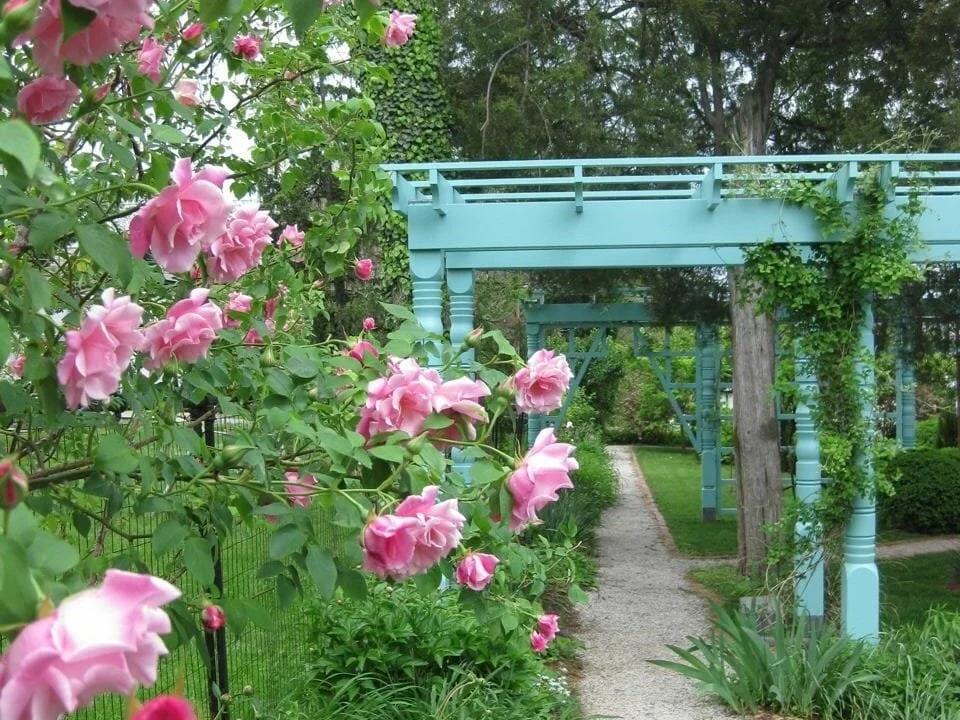
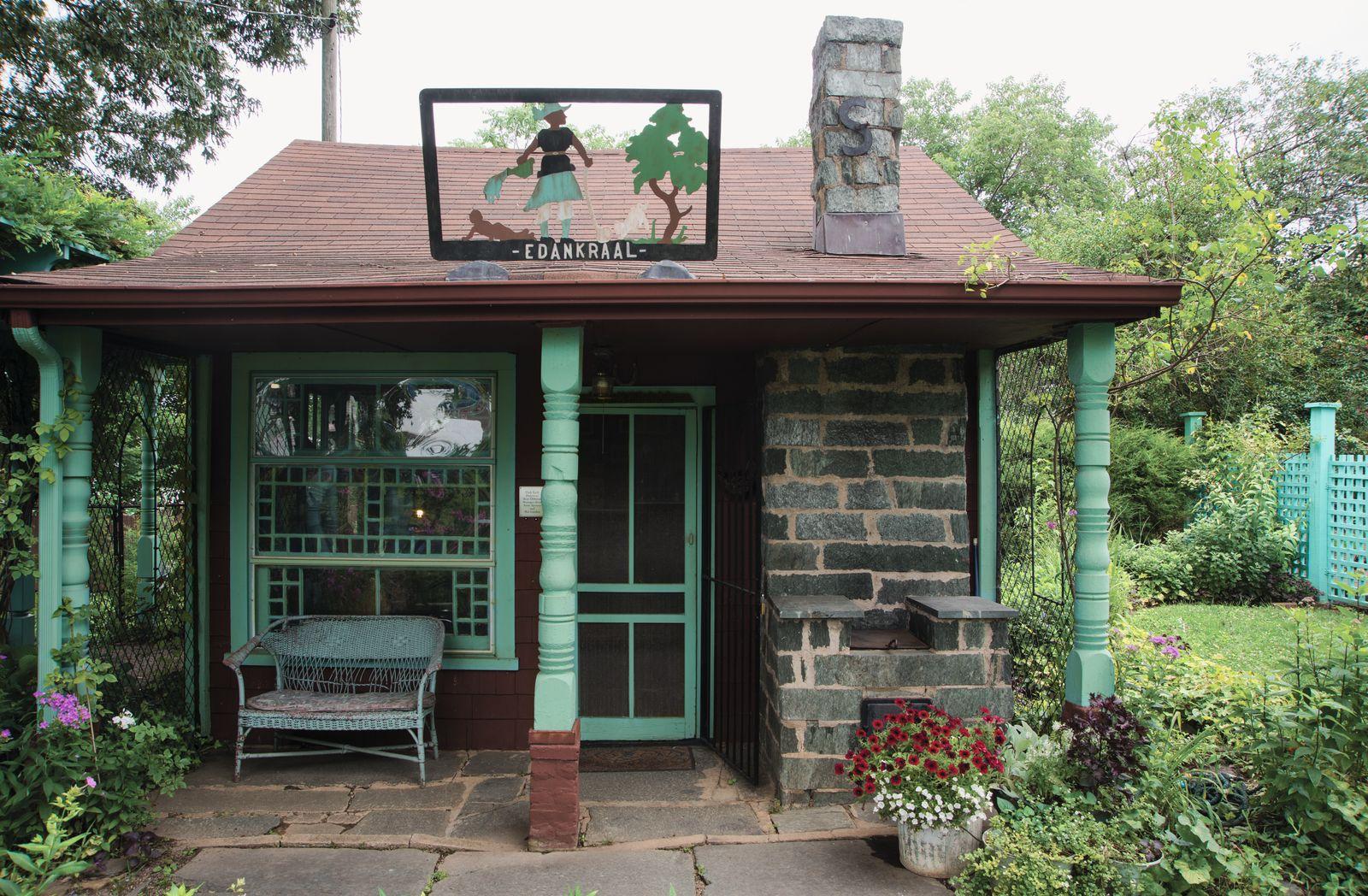
In the garden, Edward built a one-room cottage where Anne could write and think. She named it Edankraal, combining elements of Edward's name, her own name, and the word kraal, which refers to an enclosure or village community in southern Africa. The name also evokes Eden, tying the cottage to the garden's significance in her life. The cottage matters because it offers a physical setting for understanding her creative process. She was a wife and mother in a busy household, yet she also needed a private place for her work. Her garden was not merely decorative. It was a personal refuge, a source of imagery and reflection, and a place where friends and civic groups could gather.
The Harlem Renaissance was a major flowering of African American literature, music, visual art, and intellectual life during the 1920s and into the 1930s. Its best-known center was Harlem, but its influence reached across the country, and Anne Spencer belonged to the movement despite spending most of her life in Lynchburg. Her home became a gathering place for important Black writers, artists, scholars, and civil rights leaders. Because segregation often barred Black travelers from local hotels, the Spencer household offered hospitality as well as an environment for intellectual exchange. Langston Hughes is described as an early visitor whose encouragement mattered to her literary ambitions, and James Weldon Johnson, the writer and NAACP field secretary, met her in Lynchburg in 1919, recognized her talent, and helped her enter the world of literary publication. W. E. B. Du Bois, George Washington Carver, and Zora Neale Hurston are also among the distinguished figures associated with the household and its wider network, and the museum's account of its visitors connects Martin Luther King Jr. and Thurgood Marshall to the home's history as well. Together these connections show that the house's significance reached beyond poetry into the history of Black intellectual life and civil rights.
Anne was not simply a poet who happened to know famous people. In 1913, she and Edward helped establish the Lynchburg branch of the National Association for the Advancement of Colored People, alongside Mary Rice Hayes and other community members. The organizing meeting to develop the chapter's charter took place in the Spencer living room, and James Weldon Johnson assisted with the founding. Her activism developed during the Jim Crow era, when segregation and discrimination touched education, employment, public accommodations, transportation, and nearly every other part of everyday life. She challenged racial discrimination and supported women's rights and the dignity of Black Americans, and historical accounts describe her as outspoken and at times subjected to insults, social exclusion, and hostility from white residents, though the precise details of many of these confrontations remain incompletely documented. Her public activism and her poetry grew out of the same life. She believed in the value of education, intellectual freedom, and the right of Black Americans to take full part in American society, and the household she and Edward built in Lynchburg gave those beliefs a lasting home.
Anne Spencer died of cancer in Lynchburg, Virginia, on July 27, 1975, at the age of 93, according to Encyclopedia Virginia, a historical reference published by Virginia Humanities. She died eleven years after Edward.
Anne is buried alongside Edward in the family plot at Forest Hills Cemetery in Lynchburg, Virginia. The exact grave location and plot number have not been verified. Those details may be available from the cemetery or local genealogical records.
After Anne died in 1975, the house and other properties associated with Edward's real-estate activities passed to their children. Their son Chauncey eventually bought out his sisters' shares so he could retain the house. He valued its historical significance and worked to keep it intact.
The Anne Spencer House was designated a Virginia Historic Landmark in 1976 and added to the National Register of Historic Places that year. It is now a museum dedicated to preserving the family's home, garden, and cultural legacy.
Anne's poetry, correspondence, photographs, and related family papers are held in archival collections. The University of Virginia's Albert and Shirley Small Special Collections Library is an important repository for research into her life and writing. The family papers include material extending well beyond her lifetime.
Today, the Anne Spencer House and Garden Museum is located at 1313 Pierce Street in Lynchburg. Tours of the house and writing cottage are available by appointment. Its survival gives biographers an opportunity to study not only a poet's published work but also the domestic spaces in which she lived and wrote.
A/N: This poem actually brought tears to my eyes.
Below is a poem by Anne Spencer:
White Things
Most things are colorful things—the sky, earth, and sea.
Black men are most men; but the white are free!
White things are rare things; so rare, so rare
They stole from out a silvered world—somewhere.
Finding earth-plains fair plains, save greenly grassed,
They strewed white feathers of cowardice, as they passed;
The golden stars with lances fine
The hills all red and darkened pine,
They blanched with their wand of power;
And turned the blood in a ruby rose
To a poor white poppy-flower.
They pyred a race of black, black men,
And burned them to ashes white; then
Laughing, a young one claimed a skull.
For the skull of a black is white, not dull,
But a glistening awful thing;
Made it seems, for this ghoul to swing
In the face of God with all his might,
And swear by the hell that siréd him:
“Man-maker, make white!”
About the Creator
Tim Carmichael
Let your becoming be louder than your fear, and your smallest steps become the road you once thought impossible to walk. An Appalachian poet and cookbook author my book Beautiful and Brutal Things is on Amazon, Link 👇
Enjoyed the story? Support the Creator.
Subscribe for free to receive all their stories in your feed. You could also become a paid subscriber, letting them know you appreciate their work.
Comments
There are no comments for this story
Be the first to respond and start the conversation.