
King Tutankhamun And His Legendary Tomb. What Are They Hiding?
Interesting Egyptian History

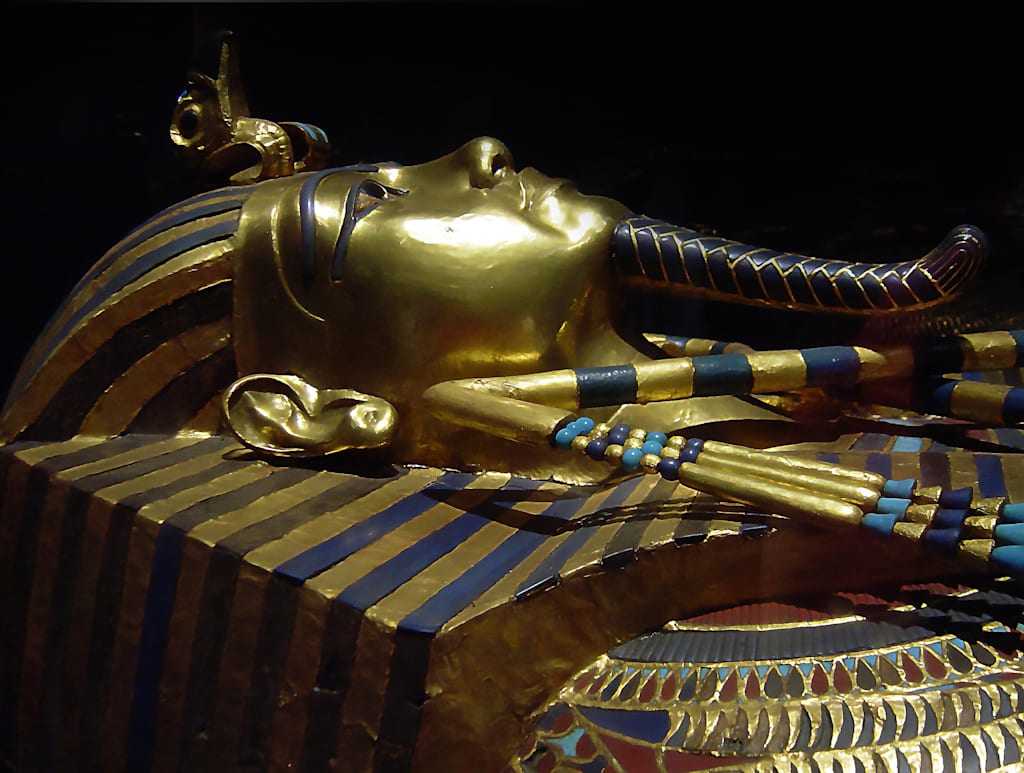
Few archaeological discoveries in human history have captured global imagination as profoundly as the discovery of the tomb of Tutankhamun, the young Egyptian pharaoh better known as King Tut. Hidden beneath the sands of Egypt for more than three thousand years, the tomb remained almost untouched by time, preserving an astonishing collection of treasures that offered the modern world an extraordinary glimpse into the splendor, mystery, and spirituality of ancient Egypt.

Tutankhamun himself ruled for only a short period during the 18th Dynasty of the New Kingdom, yet his name became one of the most famous in all of archaeology. Ironically, his fame does not come from military conquest or monumental achievements during his reign, but from the incredible preservation of his burial chamber and the vast riches discovered within it.
When British archaeologist Howard Carter uncovered the entrance to the tomb in 1922 in the Valley of the Kings, the event transformed archaeology forever. The treasures hidden inside revealed the magnificence of royal Egyptian burial traditions, while the mummy of the young king sparked endless debates regarding his life and mysterious death. The discovery also ignited worldwide fascination with ancient Egypt, influencing art, fashion, film, literature, and popular culture for generations.
Even today, the story of King Tutankhamun continues to fascinate historians, archaeologists, and travelers from around the world. His tomb remains one of the greatest archaeological discoveries ever made, and its secrets continue to inspire research and debate more than a century after its discovery.
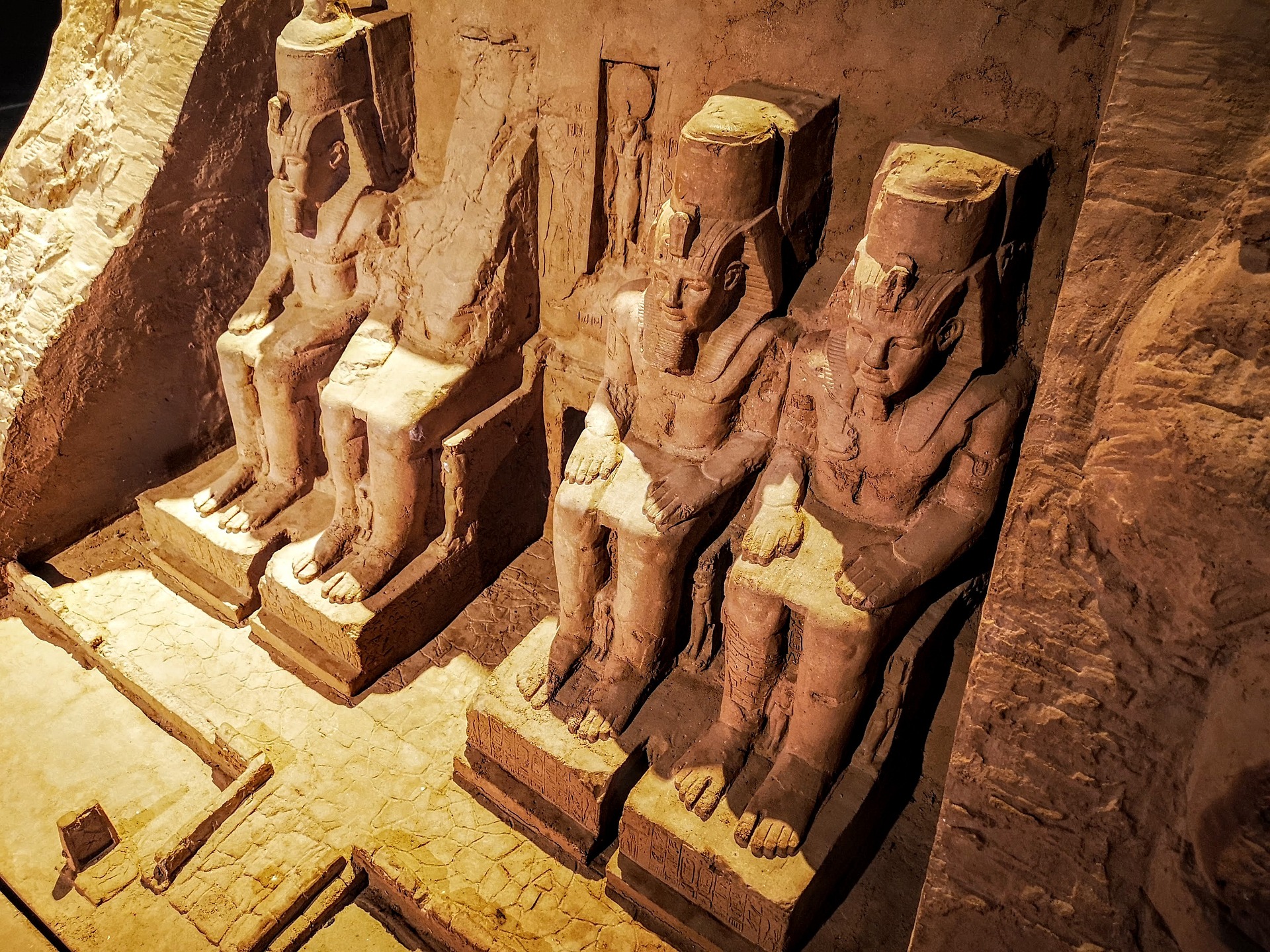
Who Was Tutankhamun?
Tutankhamun ruled ancient Egypt during the late 18th Dynasty, approximately between 1334 BCE and 1325 BCE, during the powerful New Kingdom period. He ascended to the throne at an extremely young age, likely around nine years old, following the death of his father, the controversial pharaoh Akhenaten.
Akhenaten had dramatically changed Egyptian religion by attempting to replace the traditional worship of many gods with devotion to a single deity known as Aten, represented by the sun disk. This religious revolution disrupted centuries of Egyptian tradition and created instability throughout the kingdom. Temples dedicated to older gods were neglected or closed, and the powerful priesthood of Amun lost much of its influence.
Originally, Tutankhamun was named Tutankhaten, meaning “Living Image of Aten,” reflecting his father’s religious reforms. However, after becoming king, he reversed many of Akhenaten’s changes and restored traditional Egyptian religion. His name was changed to Tutankhamun, meaning “Living Image of Amun,” honoring one of Egypt’s most important gods. His queen, Ankhesenamun, also changed her name to reflect the restoration of the old religious system. Together, the young royal couple attempted to return stability to Egypt after years of upheaval.
Despite his importance in restoring traditional religion, Tutankhamun’s reign was relatively short. He died unexpectedly at approximately eighteen or nineteen years of age. The exact cause of his death remains one of history’s greatest mysteries. Over the decades, researchers have proposed many theories, including illness, genetic disorders, infection, malaria, injuries from a chariot accident, or even assassination.
Modern CT scans and DNA analysis suggest the young king may have suffered from multiple health problems, including bone disorders and weakened immunity. Some evidence also indicates he may have relied on walking sticks due to physical disabilities. His early death shocked the royal court and forced Egypt to organize a royal burial unexpectedly and quickly.
The Valley of the Kings
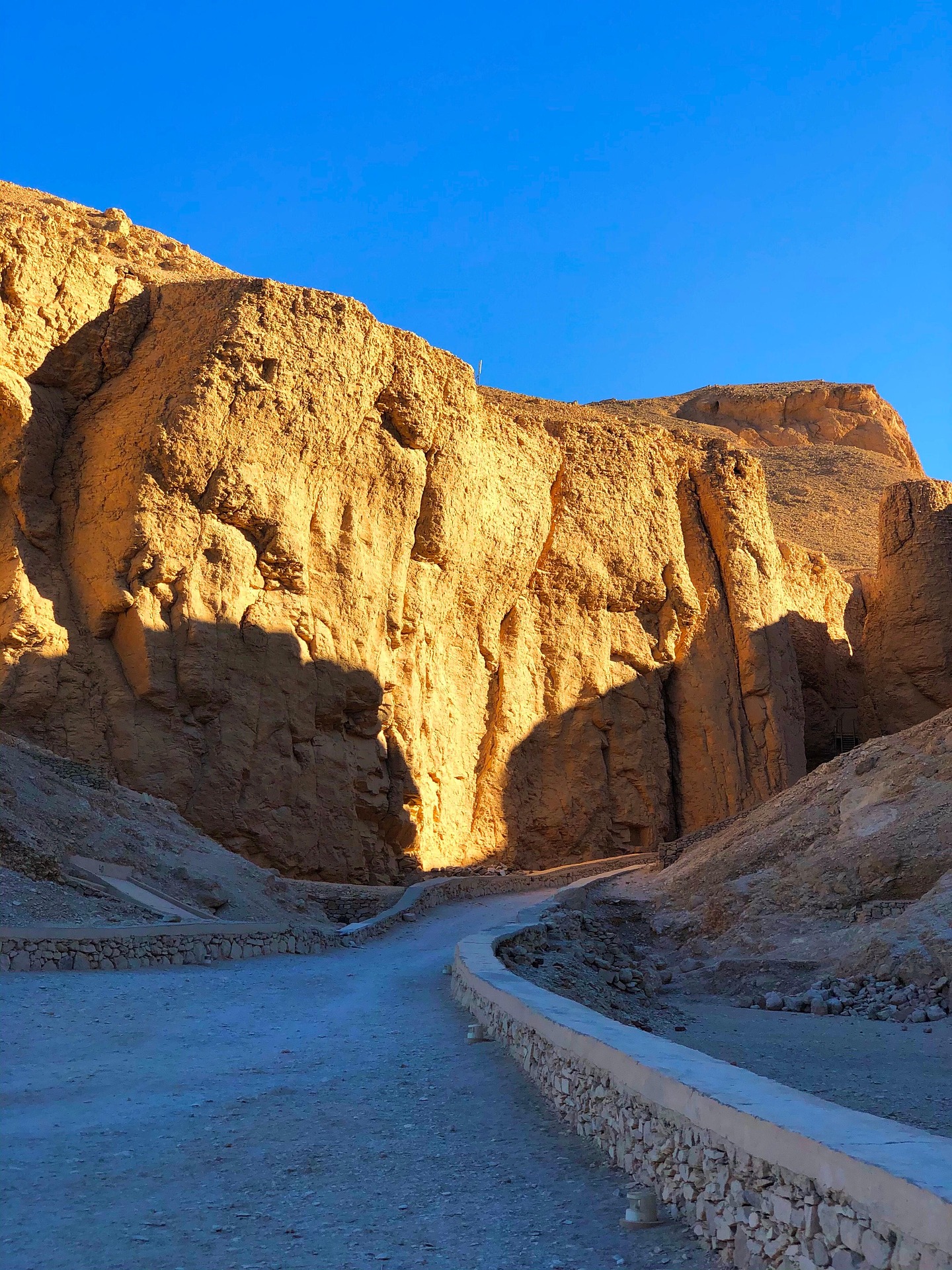
Tutankhamun’s tomb lies in the famous Valley of the Kings, located on the west bank of the Nile River near Luxor in southern Egypt. This desert valley served as the burial ground for many pharaohs and nobles of the New Kingdom. Unlike the massive pyramids built during earlier periods of Egyptian history, New Kingdom rulers chose hidden tombs carved deep into rocky cliffs. This decision was intended to protect royal burials from tomb robbers and preserve the treasures buried with the dead.
The Valley of the Kings became one of the most sacred locations in ancient Egypt. Dozens of tombs were constructed there, including those of powerful rulers such as Ramses II, Seti I, and Thutmose III. Tutankhamun’s tomb, officially designated KV62, was situated in a relatively small area between the tombs of Ramses II and Ramses IV. Unlike many larger royal tombs, KV62 was surprisingly modest in size. Scholars believe the tomb may originally have been intended for a noble rather than a king and was adapted for Tutankhamun because of his sudden death.
Ironically, the tomb’s small size and concealed position helped preserve it for thousands of years. Debris from floods and construction work covered the entrance, hiding it from looters and later explorers.
Howard Carter and the Search for the Tomb
By the early twentieth century, many archaeologists believed that the Valley of the Kings had already revealed all its secrets. Most major royal tombs had been discovered, although many had been looted in antiquity. British archaeologist Howard Carter, however, remained convinced that Tutankhamun’s tomb had not yet been found.
Supported financially by Lord Carnarvon, an English aristocrat passionate about archaeology, Carter spent years excavating the valley. The work was exhausting, expensive, and often disappointing. Season after season passed with little success, and Carnarvon eventually grew frustrated with the lack of results.
After several unsuccessful years, Carnarvon considered ending the project. Carter persuaded him to fund one final excavation season. That decision changed history forever. In November 1922, workers discovered a stone step hidden beneath the remains of ancient laborers’ huts. Carter immediately realized the importance of the find. Further excavation revealed a staircase descending toward a sealed doorway marked with royal seals. Behind the entrance lay the long-lost tomb of Tutankhamun.
“Wonderful Things”
On November 26, 1922, Howard Carter made one of archaeology’s most famous moments. After carefully opening a small hole in the sealed doorway, Carter peered inside using a candle. Lord Carnarvon anxiously asked if he could see anything.
Carter replied with the legendary words:
“Wonderful things.”
Inside the chamber stood an astonishing collection of treasures piled together in dazzling disorder. Gold gleamed everywhere. Statues, chariots, furniture, ceremonial objects, and mysterious artifacts filled the room. Unlike most royal tombs discovered previously, Tutankhamun’s burial remained largely intact. The discovery stunned the world. Newspapers across the globe reported the event with excitement, and public fascination with ancient Egypt exploded almost overnight. Crowds gathered near the Valley of the Kings hoping to witness history in the making.
The Architecture of the Tomb
Tutankhamun’s tomb consisted of several chambers connected by corridors and doorways. Although smaller than many royal tombs, it still followed traditional Egyptian funerary design. The tomb included:
* An entrance staircase
* A descending corridor
* The antechamber
* A small annex room
* The burial chamber
* The treasury
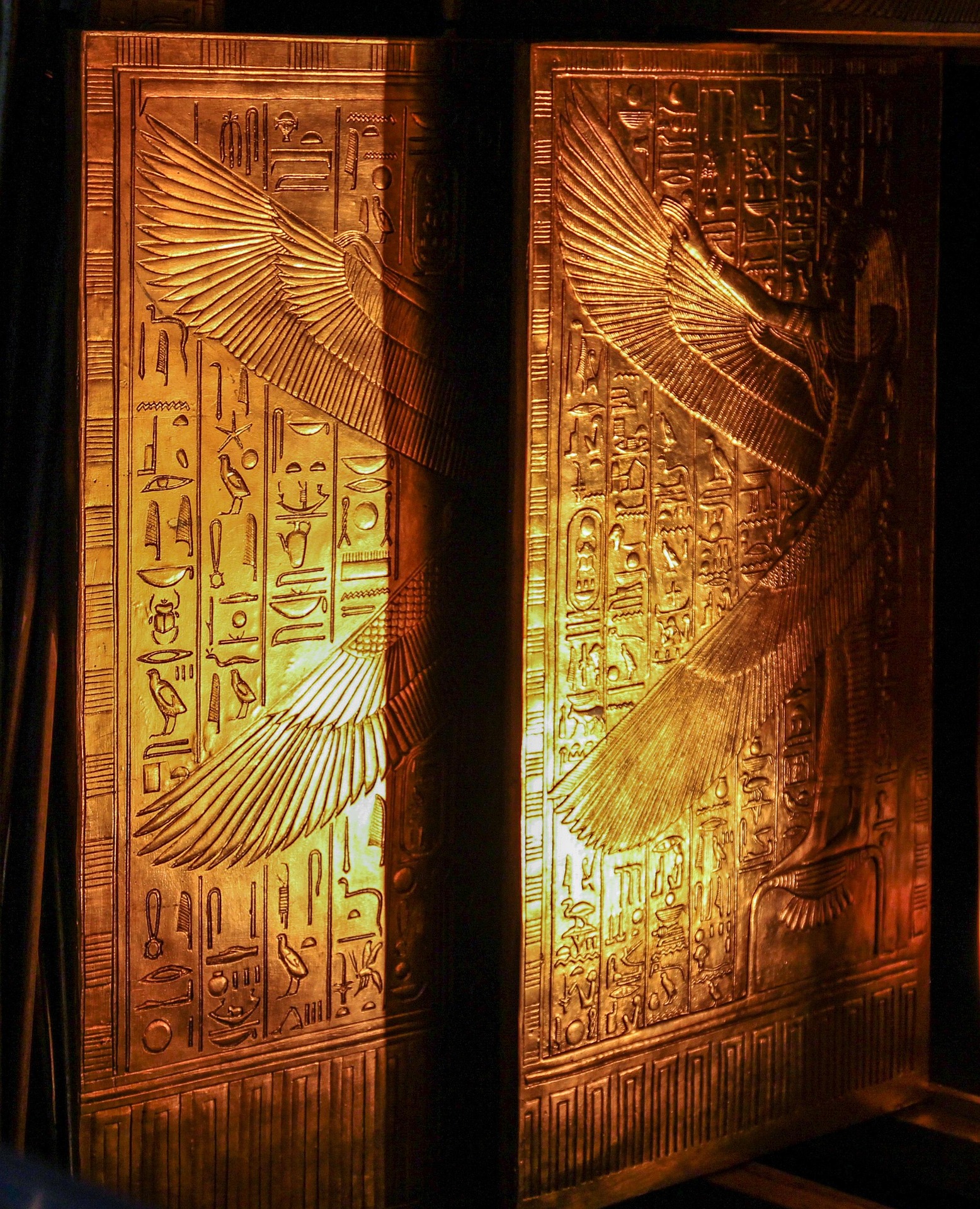
The walls of the burial chamber were decorated with painted scenes showing funerary rituals and religious imagery connected to the afterlife.
One particularly important scene depicted Tutankhamun’s successor Ay performing the “Opening of the Mouth” ceremony on the king’s mummy. This sacred ritual symbolically restored the senses of the deceased so they could function in the afterlife. Other paintings showed gods such as Osiris, Isis, Hathor, and Anubis welcoming the young king into eternity. The paintings retained vibrant colors despite thousands of years underground, creating one of the most remarkable examples of preserved Egyptian tomb art.q
The Treasures Inside
The tomb contained nearly 5,000 objects. These artifacts provided an extraordinary look into royal life, religion, craftsmanship, and burial customs in ancient Egypt.
Among the treasures were:
* Golden jewelry
* Ceremonial weapons
* Thrones and chairs
* Chariots
* Model boats
* Statues
* Clothing and sandals
* Musical instruments
* Food offerings
* Canopic jars
* Elaborate coffins
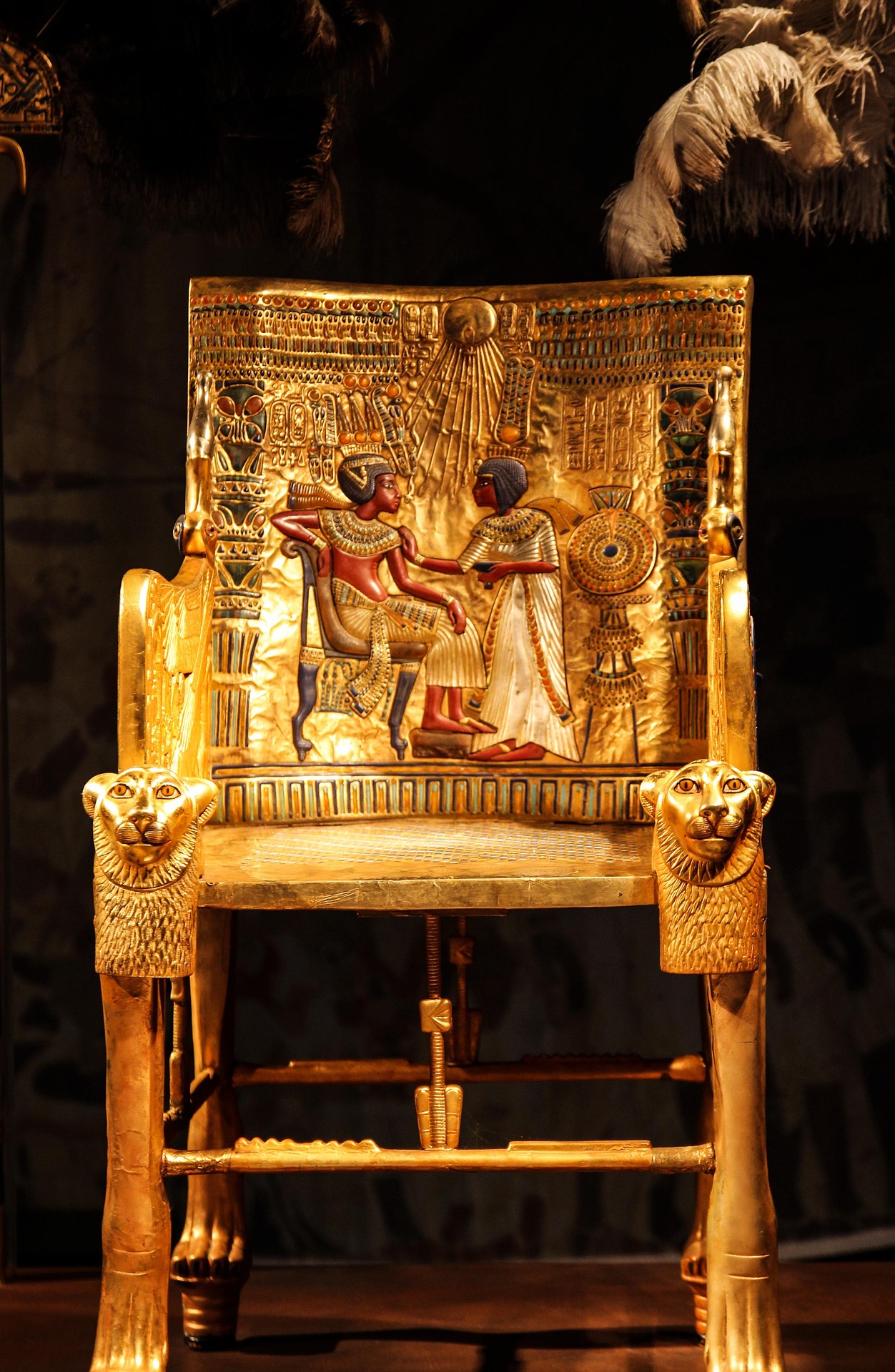
Many items were covered entirely in gold or decorated with precious stones such as lapis lazuli, turquoise, carnelian, and quartz. The famous golden throne of Tutankhamun displayed beautiful scenes of the king and queen together, revealing the artistic sophistication of New Kingdom Egypt.
Even ordinary objects such as sandals and walking sticks demonstrated extraordinary craftsmanship. The sheer number of possessions buried with Tutankhamun reflected Egyptian beliefs about the afterlife. Egyptians believed the dead would continue living in another world and therefore required food, tools, furniture, clothing, and magical protection.
The Golden Coffins and Sarcophagus
At the center of the burial chamber stood a massive stone sarcophagus surrounded by four giant gilded shrines nested inside one another. Within the sarcophagus rested three coffins placed inside each other like Russian dolls. The outer two coffins were made primarily of gilded wood, but the innermost coffin was crafted from solid gold weighing over 100 kilograms.
Inside lay the mummy of Tutankhamun himself. The king’s body had been carefully wrapped in linen bandages and covered with protective amulets and jewelry designed to safeguard him in the afterlife. Unfortunately, the mummy had suffered damage over time. Oils used during burial rituals caused parts of the wrappings and body to become hardened and carbonized. Nevertheless, the mummy remained one of the most important archaeological discoveries in history.
The Famous Golden Mask
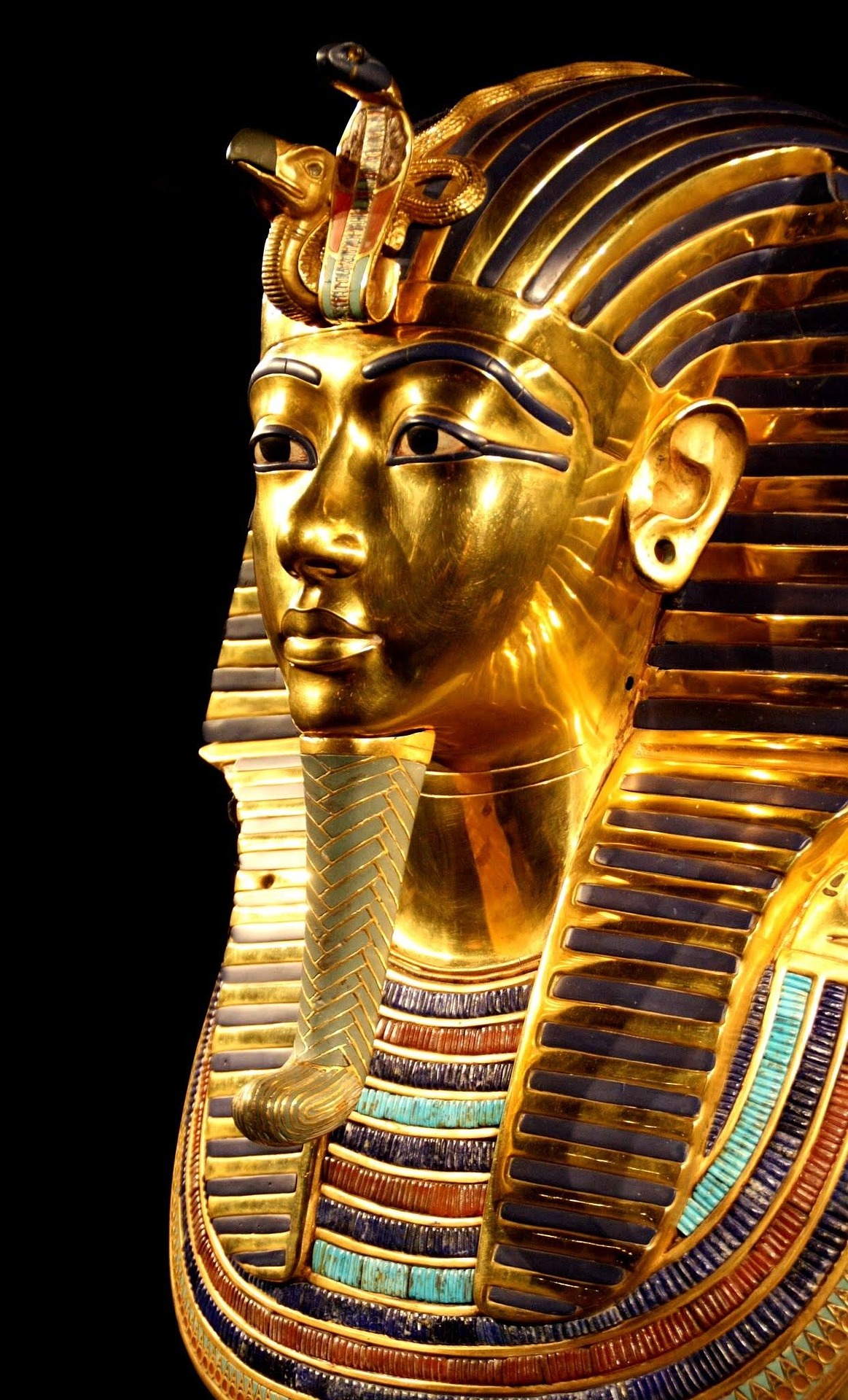
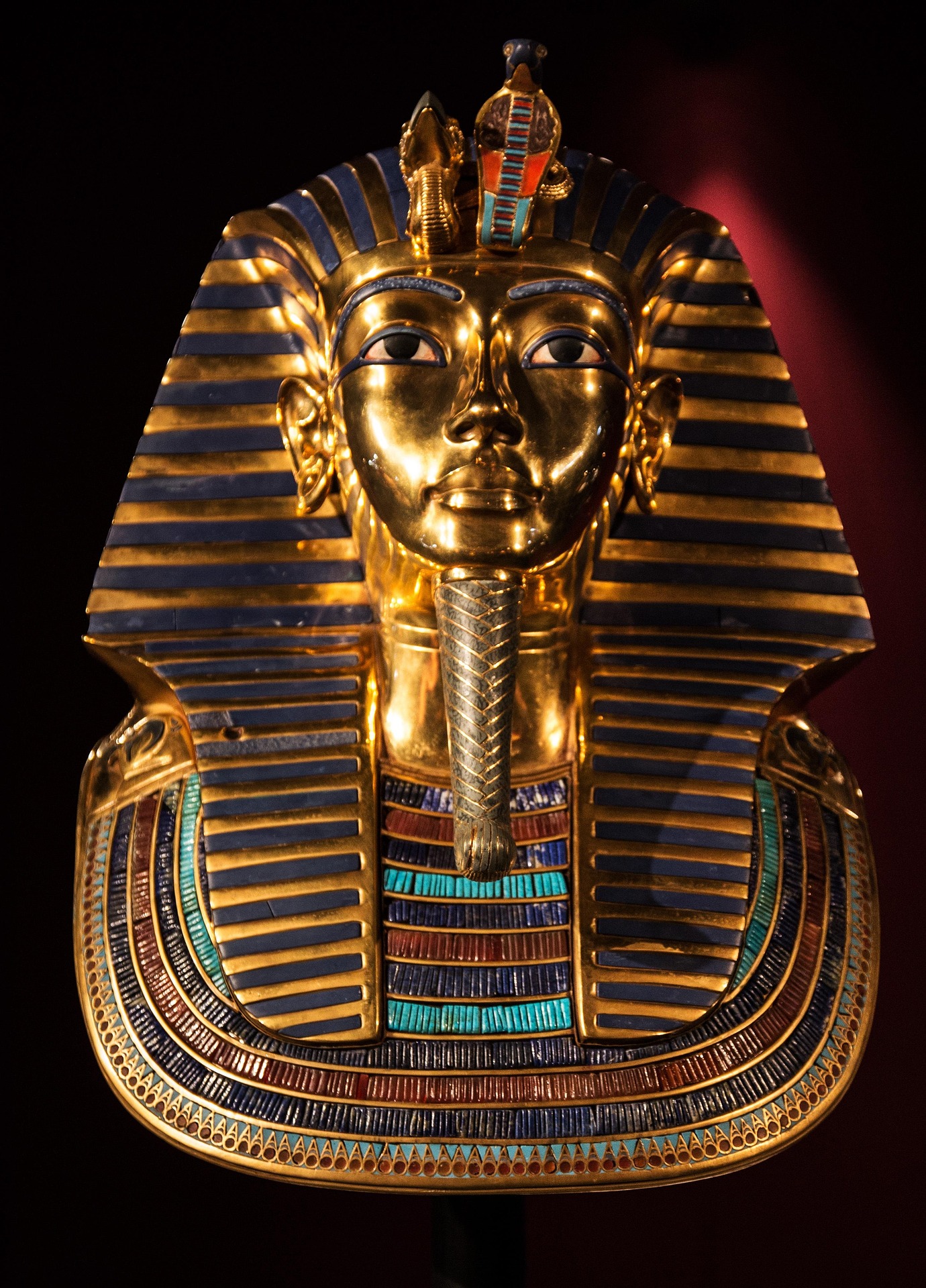
Perhaps no artifact from ancient Egypt is more iconic than the golden funerary mask of Tutankhamun. The mask covered the head and shoulders of the mummy and represented the idealized image of the young king. Crafted from high-quality gold and decorated with precious stones and colored glass, the mask displayed extraordinary artistic mastery. The eyes were made from quartz and obsidian, while lapis lazuli formed the eyebrows and decorative elements.
The king wore the traditional striped nemes headdress along with symbols representing his rule over Upper and Lower Egypt. An inscription from the Book of the Dead appeared on the shoulders, offering magical protection for the king’s soul. Today, the mask remains one of the greatest masterpieces of ancient art ever discovered.
The Mystery of Tutankhamun’s Death
The cause of Tutankhamun’s death continues to puzzle researchers. Because he died so young, many theories emerged over the years. Some scholars once believed he had been murdered after examining injuries to his skull. Others suggested he died in a chariot accident because fractures were found in his body.
Modern scientific studies, however, have produced more complicated conclusions. DNA analysis revealed evidence of malaria infection, while CT scans showed bone abnormalities and possible genetic disorders caused by royal intermarriage. Researchers now believe multiple factors may have contributed to his death, including illness, weakened health, and injury. The mystery surrounding his death only deepens public fascination with the young pharaoh.
Soon after the tomb’s discovery, rumors began spreading about a “curse” connected to Tutankhamun. When Lord Carnarvon died from an infected mosquito bite several months after entering the tomb, newspapers sensationalized the event as revenge from the ancient king. Stories of mysterious deaths and supernatural events quickly spread around the world.
Although no scientific evidence supports the existence of a curse, the legend became deeply connected to the tomb’s fame. The so-called “Curse of the Pharaoh” inspired countless books, films, and conspiracy theories throughout the twentieth century.
Scientific Research and Modern Technology
Since the discovery of the tomb, scientists have continued studying Tutankhamun using increasingly advanced technologies.
Modern researchers have used:
* CT scanning
* DNA analysis
* X-ray imaging
* Facial reconstruction
* Radiographic studies
* Digital mapping
These methods revealed new details about Tutankhamun’s health, ancestry, and burial. Researchers also continue preserving the tomb itself, which faces threats from humidity, tourism, and environmental damage. The artifacts discovered in the tomb remain invaluable sources of historical information about ancient Egyptian civilization.
The discovery of Tutankhamun’s tomb transformed archaeology and popular culture. The event sparked worldwide fascination with ancient Egypt known as “Egyptomania.” Egyptian-inspired designs appeared in architecture, fashion, jewelry, art, and film.
Museums displaying Tutankhamun’s treasures attracted millions of visitors. The discovery also changed archaeology itself by emphasizing careful preservation, documentation, and scientific analysis rather than treasure hunting. Howard Carter’s meticulous recording methods became models for future archaeological excavations.

The story of King Tutankhamun and the discovery of his mysterious tomb remains one of the most extraordinary chapters in archaeological history. Buried beneath the sands of Egypt for more than three thousand years, the young pharaoh’s tomb survived almost untouched, preserving a breathtaking collection of treasures and revealing priceless insights into ancient Egyptian civilization. From the golden mask and elaborate coffins to the painted walls and mysterious mummy, every aspect of the tomb reflects the grandeur, spirituality, and artistic brilliance of ancient Egypt.
Even today, Tutankhamun continues to captivate the imagination of people around the world. His tomb reminds humanity of the enduring power of history, the mysteries of the ancient world, and the remarkable achievements of one of the greatest civilizations ever to exist.
About the Creator
History Seeker
I like the metal music I like the good food and the history...
Enjoyed the story? Support the Creator.
Subscribe for free to receive all their stories in your feed.
Comments
There are no comments for this story
Be the first to respond and start the conversation.